
Decoding the Mystery: Your Newborn's Sleep Patterns 🌙
Ever watched a newborn sleep? It’s a sight that can melt hearts and provoke a million questions. Why do they twitch in their sleep? Why do they wake up so frequently? And, oh, why won’t they sleep in their crib? Welcome to the fascinating world of newborn sleep patterns!
Understanding these patterns is not just a matter of curiosity. It's a significant part of ensuring your baby's health and your sanity. The mystery of baby sleep in a bassinet, tips for quick sleep solutions, and the transition to a crib can seem like an intricate puzzle. But don’t worry. This parent's guide to newborn sleep is here to help you navigate these nocturnal nuances with ease.
So, fasten your seatbelts, dear parents! We are about to embark on a journey that will take us from pacifiers to bassinets, unraveling the secrets of newborn sleep essentials. Ready to decode the enigma of your baby's dreamland?

Now that we've introduced the unique sleep patterns of newborns, let's address some common questions that parents often have.
Now that we've covered some common questions about newborn sleep patterns, let's move on to discuss how sleep essentials like pacifiers, swaddles, and bassinets can aid in better sleep for newborns.
Pacifiers, Bassinets & More: The Sleep Essentials Your Baby Needs 😴
Ever wondered why your little one seems to have a love-hate relationship with sleep? It's a mystery many new parents grapple with. But take heart, dear reader! The solution often lies in understanding and employing newborn sleep essentials. Let's dive in, shall we?
Picture this: a pacifier, a swaddle, and a bassinet. These aren't just random baby items; they're your secret arsenal in the quest for better baby sleep. Pacifiers, for instance, can work wonders in soothing your baby to sleep. They mimic the comforting suckling action, making your baby feel safe and relaxed.
Next up, swaddles. They're like a warm, snug hug that can help your newborn feel secure, just like they did in the womb. And then we have bassinets, the cozy little nests that provide your baby with their own safe sleeping space. With the right tips and tricks, you can turn the bassinet into your baby's favorite sleep spot. Intrigued? Stick around, as we delve deeper into these newborn sleep essentials, offering you a parent's guide to newborn sleep that's sure to make those long nights a little less daunting.
Snooze Essentials: Top-Rated Newborn Sleep Aids on Amazon
Newborn Sleep Essentials Quiz
Test your knowledge about sleep essentials for newborns
Learn more about 🧠 Newborn Sleep Essentials Quiz 🌙 Test Your Knowledge or discover other Find PM quizzes.
Bassinets: What to Do When Baby Says No 🛏️
It's the middle of the night, the moon is your only source of light, and your little one is expressing a clear, loud 'no' to the bassinet. Sounds familiar? You're not alone in this nocturnal dance. Many parents find themselves in a similar waltz, wondering why their baby won't sleep in the crib. But fret not, because we've got some baby sleep in bassinet tips to help you navigate this phase.
First, remember that each baby is unique and so is their comfort zone. Some might adore the snugness of a swaddle, while others might prefer the freedom of a sleep sack. Speaking of, our guide to baby sleep sacks might be your key to a peaceful night. Second, ensure the bassinet is a safe and cozy space. A soft blanket, a gentle lullaby, or even the scent of you nearby can make a world of difference.
Finally, patience is your best friend. It might take a few tries, or a few dozen, but with persistence, your baby will eventually find comfort in their bassinet. And when they do, it'll be worth every sleepless night. Isn't it magical how these newborn sleep essentials can transform your nights from a series of battles into a symphony of dreams?
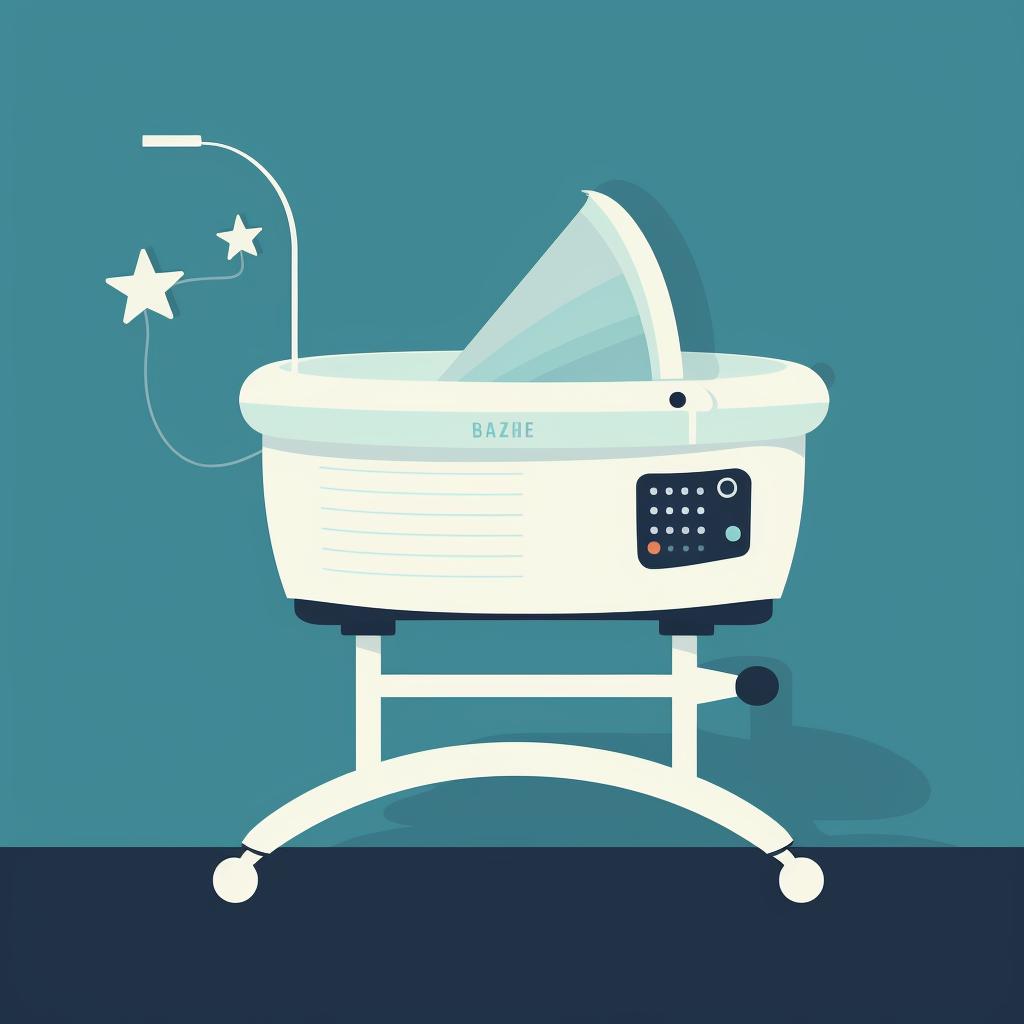
To help you navigate this common issue, we've put together a step-by-step guide on how to get your baby to sleep in a bassinet. Remember, patience is key, and every baby is unique.
Getting Your Baby to Sleep in a Bassinet: A Step-by-Step Guide





Learn more about Getting Your Baby to Sleep in a Bassinet: A Step-by-Step Guide or discover other Find PM guides.
Remember, it might take some time for your baby to adjust to their bassinet. Don't be discouraged if they resist at first. Consistency is key. For a visual demonstration, check out the following video of a real-life example of a parent getting their baby to sleep in a bassinet.
Now that we've discussed the steps on how to get your baby to sleep in a bassinet, let's take a look at a real-life example. This video by 'Helping Babies Sleep' provides a practical demonstration of the process.
That was an insightful video, wasn't it? It's always helpful to see the process in action. Now that we've tackled the issue of getting your baby to sleep in a bassinet, let's move on to the next stage - transitioning from a bassinet to a crib.
Crib Transitions: Making the Big Move Easier for Baby 🏡
Let's now dive into the big move: transitioning from the cozy confines of a bassinet to the wide expanse of a crib. It's a milestone that can feel as daunting to parents as it is to the little ones. But don't fret! Just as you've mastered the art of swaddling and deciphered the enigma of pacifiers, you'll conquer this too.
Think of it as an adventure, a step towards independence for your baby. The crib, with its spaciousness, offers room for your baby to wriggle, stretch, and grow. But how do you make this transition smoother, ensuring your baby's sleep isn't disrupted?
Start by introducing the crib during nap times, letting your baby get familiar with the new surroundings. You can also maintain the bassinet's coziness by using a well-fitted baby sleep sack. Remember, consistency is key. It might take some time, but with patience and a sprinkle of your parental magic, your baby will soon be snoozing peacefully in their crib. Ready to embark on this journey?
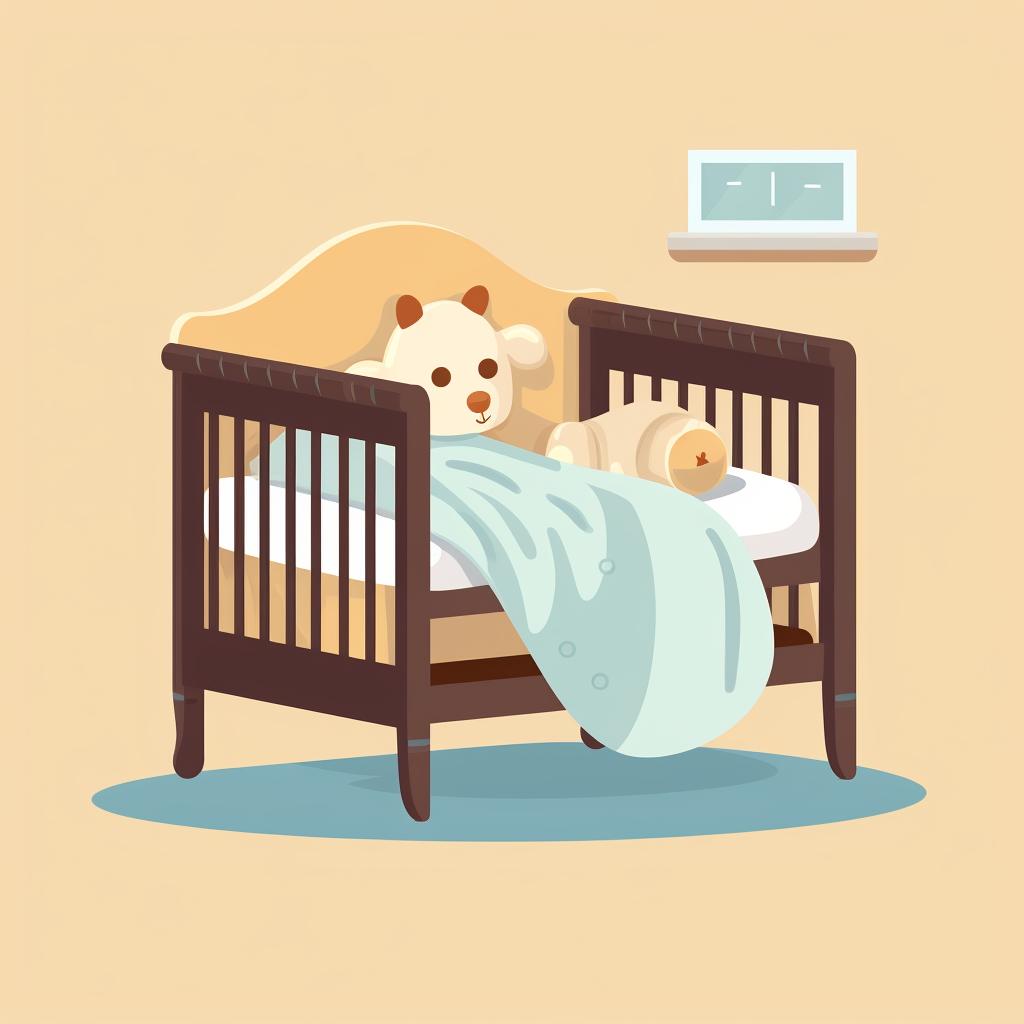
The transition from bassinet to crib can seem daunting, but with a clear, step-by-step guide, it becomes a manageable task. Let's dive into the steps:
Smooth Transition: From Bassinet to Crib




Learn more about Smooth Transition: From Bassinet to Crib or discover other Find PM guides.
Remember, every baby is unique and may react differently to this transition. Be patient and flexible. Now, let's see how well you understood the transition process with a quick quiz.
Understanding the Transition from Bassinet to Crib
Test your knowledge on how to smoothly transition your baby from sleeping in a bassinet to sleeping in a crib.
Learn more about 👶 Transitioning from Bassinet to Crib: Smooth Baby Sleep Solutions or discover other Find PM quizzes.
Fast Asleep: Soothing Your Baby to Sleep in Under a Minute ⏱️
Ever felt like you're trying to decipher an alien language when your newborn is wailing at 2 a.m.? You're not alone! The key to the mystical realm of baby sleep lies in understanding their unique language and needs. And, that's where our guide to baby sleep sacks and other newborn sleep essentials come into play.
Imagine this: you've just swaddled your little one in a cozy sleep sack. Their tiny eyes are fighting to stay open, the pacifier does its magic, and within moments, they're off to dreamland. Sounds too good to be true? It's not! With the right techniques and tools, you can learn how to put your baby to sleep quickly and ensure they stay asleep.
But what if the baby won't sleep in the crib or bassinet? Again, don't panic! We've got you covered with effective solutions and step-by-step guides that turn those sleepless nights into peaceful slumbers. Ready to embark on this journey? Let's dive in!
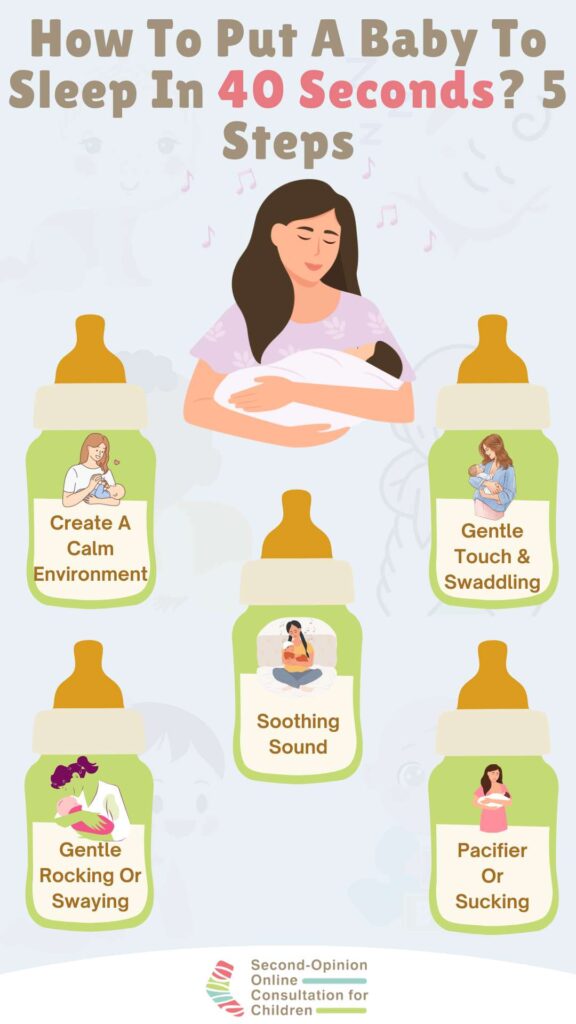
Now that we've discussed various techniques to soothe your baby to sleep, let's see one of these methods in action. Here's a video demonstrating how to put a baby to sleep in just 40 seconds.
Isn't it amazing how quickly a baby can be soothed to sleep with the right technique? Remember, every baby is unique, and what works for one might not work for another. It's all about finding what suits your baby best. Now, let's address some common queries about these fast sleep solutions.
Now that we've seen the video on how to put a baby to sleep in 40 seconds, you might have some questions. Here are some common queries about fast sleep solutions.
With these questions answered, let's move on to our next topic: exploring the use of baby sleep sacks.
Cozy & Safe: Unwrapping the Benefits of Baby Sleep Sacks 🛍️
Ever felt like you're trying to solve a Rubik's cube in the dark when trying to get your newborn to sleep? Enter the game-changer: baby sleep sacks. This parent's guide to newborn sleep essential wouldn't be complete without them. Imagine a wearable blanket, that keeps your baby snug, safe, and slumbering - that's a sleep sack for you.
Take the Kyte baby sleep sack, for instance. It's a snug cocoon made of bamboo rayon, a material known for its breathability and softness. It's as if your baby is sleeping in a cloud, who wouldn't want that? And then there's Dreamland baby sleep sack, with its gentle weight, it mimics a comforting hand on your baby's chest, promoting longer and deeper sleep.
If your baby won't sleep in crib solutions seem futile, or if you're simply trying to figure out how to put your baby to sleep quickly, a sleep sack might just be your secret weapon in your bedtime arsenal. So, how about wrapping your little bundle of joy in a sleep sack tonight?
Top-Rated Sleep Essentials for Newborns
Understanding Baby Sleep Sacks
Test your knowledge about the use and benefits of baby sleep sacks for newborns.
Learn more about Understanding Baby Sleep Sacks: Benefits, Options, and More 😴 or discover other Find PM quizzes.
Now that you've tested your knowledge about baby sleep sacks, let's dive into a practical checklist to help you choose the right one for your baby.
With this checklist, you're now ready to make an informed decision. Remember, the right sleep sack can significantly improve your baby's sleep quality and safety.
No comments yet. Be the first to share your thoughts!