


Why Your Baby Won't Sleep in Bassinet: 7 Expert Solutions That Actually Work in 2024
If your baby won't sleep in bassinet, you're not alone. This common challenge affects up to 70% of new parents during their baby's first few months. Understanding why your little one resists bassinet sleep and implementing proven solutions can transform those sleepless nights into peaceful rest for the entire family.
Understanding Why Babies Resist Bassinet Sleep
Before diving into solutions, it's crucial to understand the root causes behind bassinet sleep problems. Newborns have spent nine months in the cozy, confined space of the womb, where they were constantly surrounded by warmth, gentle pressure, and rhythmic sounds. The transition to a bassinet can feel overwhelming and unfamiliar.

The Science Behind Infant Sleep Issues
Research shows that several physiological and psychological factors contribute to bassinet resistance:
- Startle Reflex (Moro Reflex): This involuntary response causes babies to suddenly extend their arms and legs when they feel like they're falling. In a bassinet's open space, this reflex is more pronounced and frequently disrupts sleep cycles.
- Temperature Regulation: Newborns struggle to maintain body temperature independently. The open environment of a bassinet can feel too cool compared to being held against a parent's warm body.
- Sensory Overwhelm: After the muffled sounds and dim lighting of the womb, the bassinet environment may feel too stimulating or too quiet, preventing deep sleep.
- Sleep Cycle Immaturity: Babies under three months have shorter sleep cycles and spend more time in light sleep phases, making them more susceptible to environmental disruptions.
7 Expert-Backed Solutions for Bassinet Sleep Success
Based on the latest pediatric sleep research and feedback from thousands of parents, these seven strategies have proven most effective in 2024:
Solution 1: Master the Art of Swaddling
Proper swaddling recreates the snug environment of the womb and helps control the startle reflex. The key is achieving the right balance – tight enough to provide security but loose enough for healthy hip development.
Solution 2: Create the Perfect Sleep Environment
Environmental factors play a crucial role in bassinet acceptance. The ideal setup includes:
- Room temperature between 68-70°F
- Blackout curtains or dim lighting
- White noise machine set to 50-60 decibels
- Firm, flat mattress with fitted sheet only
Solution 3: Implement Gradual Transition Techniques
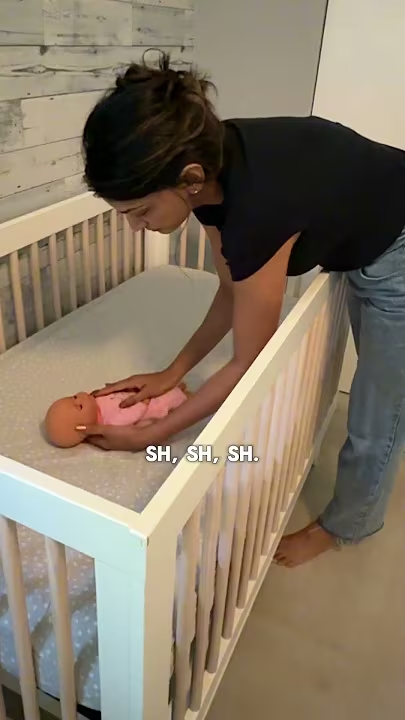
Rather than expecting immediate bassinet acceptance, successful transitions often require patience and gradual adjustment. Start by having your baby nap in the bassinet during daytime hours when they're naturally more adaptable to new environments.
Begin with short 15-20 minute periods and gradually extend the time as your baby becomes more comfortable. This approach allows them to associate the bassinet with positive sleep experiences without the pressure of overnight success.
Solution 4: Time the Transition Perfectly
The timing of bassinet placement significantly impacts success rates. Watch for your baby's sleep cues – droopy eyelids, yawning, or decreased activity – and begin the bassinet routine before they become overtired. Overtired babies often resist sleep more strongly and may associate the bassinet with frustration.
The optimal window is typically 45-60 minutes after your baby last woke up, though this varies by individual sleep patterns.
Expert Solutions 4-7: Advanced Techniques for Bassinet Sleep Success
Building on the foundational strategies from Part 1, these advanced solutions target specific bassinet sleep problems that require more nuanced approaches. These evidence-based techniques have helped thousands of parents overcome persistent infant sleep issues.
Solution 4: Master the Art of Gradual Transition
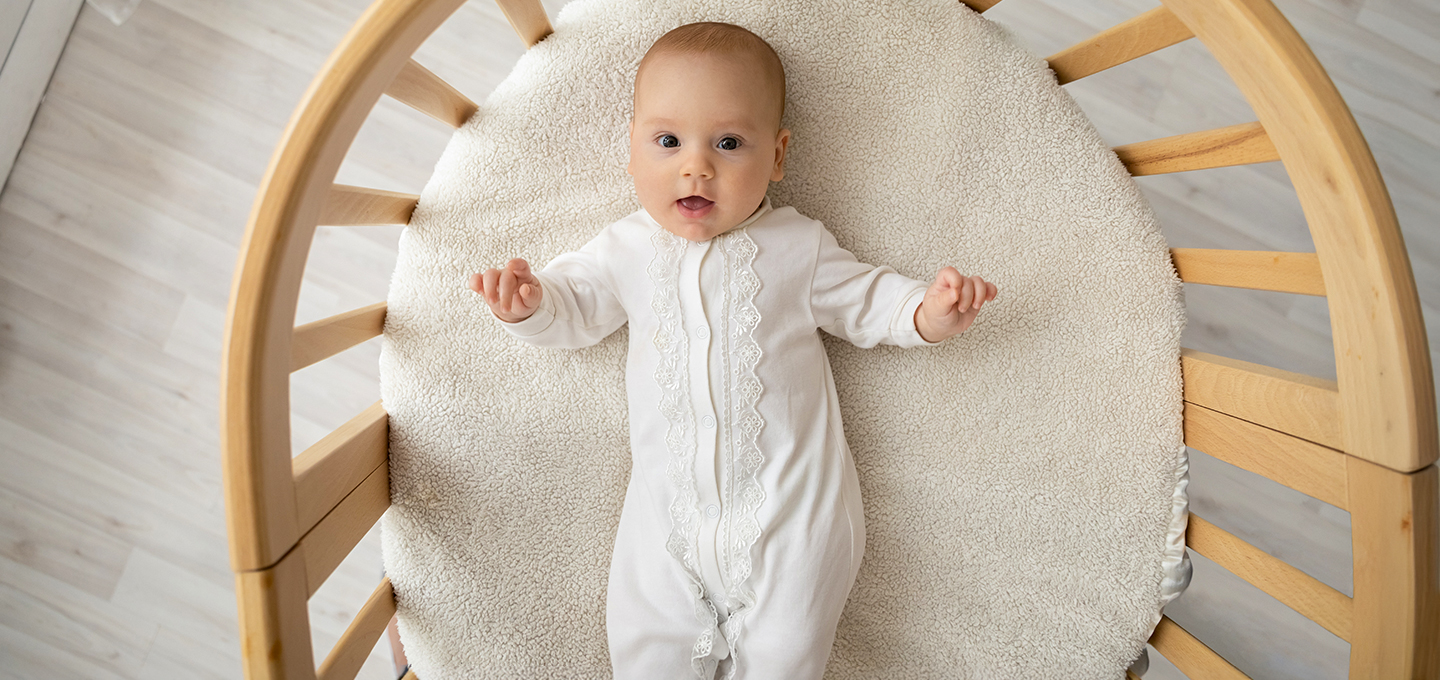
The gradual transition method addresses one of the most common reasons babies resist bassinet sleeping - the sudden change from being held to lying flat. This technique works by slowly acclimating your baby to the bassinet environment over several days.
Start by placing your baby in the bassinet while they're awake and alert, allowing them to become familiar with the space. Progress to short naps, then gradually extend the duration. This method reduces the shock of transition and helps babies develop positive associations with their sleep space.
Solution 5: Optimize Temperature and Comfort Levels
Temperature regulation plays a crucial role in bassinet sleep success. Newborns have immature thermoregulation systems, making them sensitive to environmental changes. The ideal room temperature for infant sleep ranges between 68-70°F (20-21°C).
Consider investing in a quality sleep sack designed specifically for bassinet use. The Nested Bean Zen Sack provides gentle weight on the chest, mimicking the comfort of a parent's touch while maintaining safe sleep practices.
Solution 6: Address the Startle Reflex Strategically
The Moro reflex, or startle reflex, is a primary culprit in bassinet sleep problems. This involuntary response can wake babies multiple times per night, creating negative sleep associations with the bassinet.
Effective strategies include proper swaddling techniques, using bassinet sleep products with built-in swaddle features, or transitioning to arms-up swaddling for babies who resist traditional swaddling. The key is finding the right balance between security and freedom of movement.
Solution 7: Create Positive Sleep Associations
Developing positive bassinet associations requires consistency and patience. This involves creating a specific routine that signals sleep time and makes the bassinet environment appealing.
Use consistent pre-sleep rituals such as gentle music, white noise, or specific scents. Some parents find success with placing a worn piece of clothing near (but not in) the bassinet to provide familiar scents. Always ensure any items used comply with safe sleep guidelines.
Troubleshooting Persistent Bassinet Sleep Issues
If your baby continues to resist bassinet sleeping despite implementing these solutions, consider these additional factors:
Growth Spurts: Babies may temporarily reject their bassinet during growth spurts due to increased hunger and discomfort. Maintain consistency while addressing increased feeding needs.
Developmental Leaps: Cognitive and physical development can disrupt sleep patterns. Understanding these natural progressions helps parents maintain realistic expectations.
Medical Considerations: Persistent sleep resistance may indicate underlying issues such as reflux, allergies, or other medical conditions requiring pediatric consultation.
When to Seek Professional Help
While most bassinet sleep problems resolve with consistent application of these techniques, certain situations warrant professional guidance. Contact your pediatrician if your baby shows signs of extreme distress, feeding difficulties, or if sleep issues persist beyond 4-6 weeks of consistent intervention.
Sleep consultants specializing in newborn sleep can provide personalized strategies for complex cases. Many families benefit from professional support, especially when dealing with multiple sleep challenges simultaneously.
Remember that every baby is unique, and what works for one may not work for another. The key to success lies in patient, consistent application of these evidence-based strategies while remaining flexible enough to adapt to your baby's individual needs.
No comments yet. Be the first to share your thoughts!