
Baby sleep issues budget
Finding the right sleep solution doesn’t require a luxury budget. The most effective tools for getting a baby to sleep in a crib are often simple, durable, and affordable. You can manage common sleep disruptions like night wakings or difficulty settling without spending hundreds of dollars on specialized gear. Focus on items that solve specific problems: darkness, noise, or comfort.
Start with the essentials. Blackout curtains block morning light that can wake a baby too early. White noise machines mask household sounds that trigger arousal. These two items alone can stabilize sleep cycles for many infants. They are low-cost, high-impact additions to any nursery. Avoid expensive, tech-heavy monitors or smart cribs that promise more than they deliver. Basic functionality is usually sufficient.
Consider the long-term value of sleep sacks. They are safer than loose blankets and help maintain a consistent body temperature. A good sleep sack lasts through multiple growth stages. Look for simple, breathable fabrics like cotton or muslin. You don’t need branded designer versions. Many generic options meet the same safety standards and perform just as well.
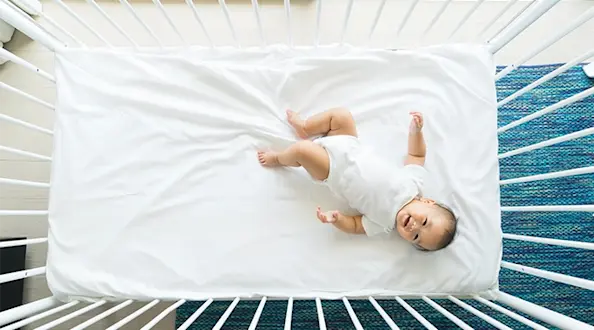
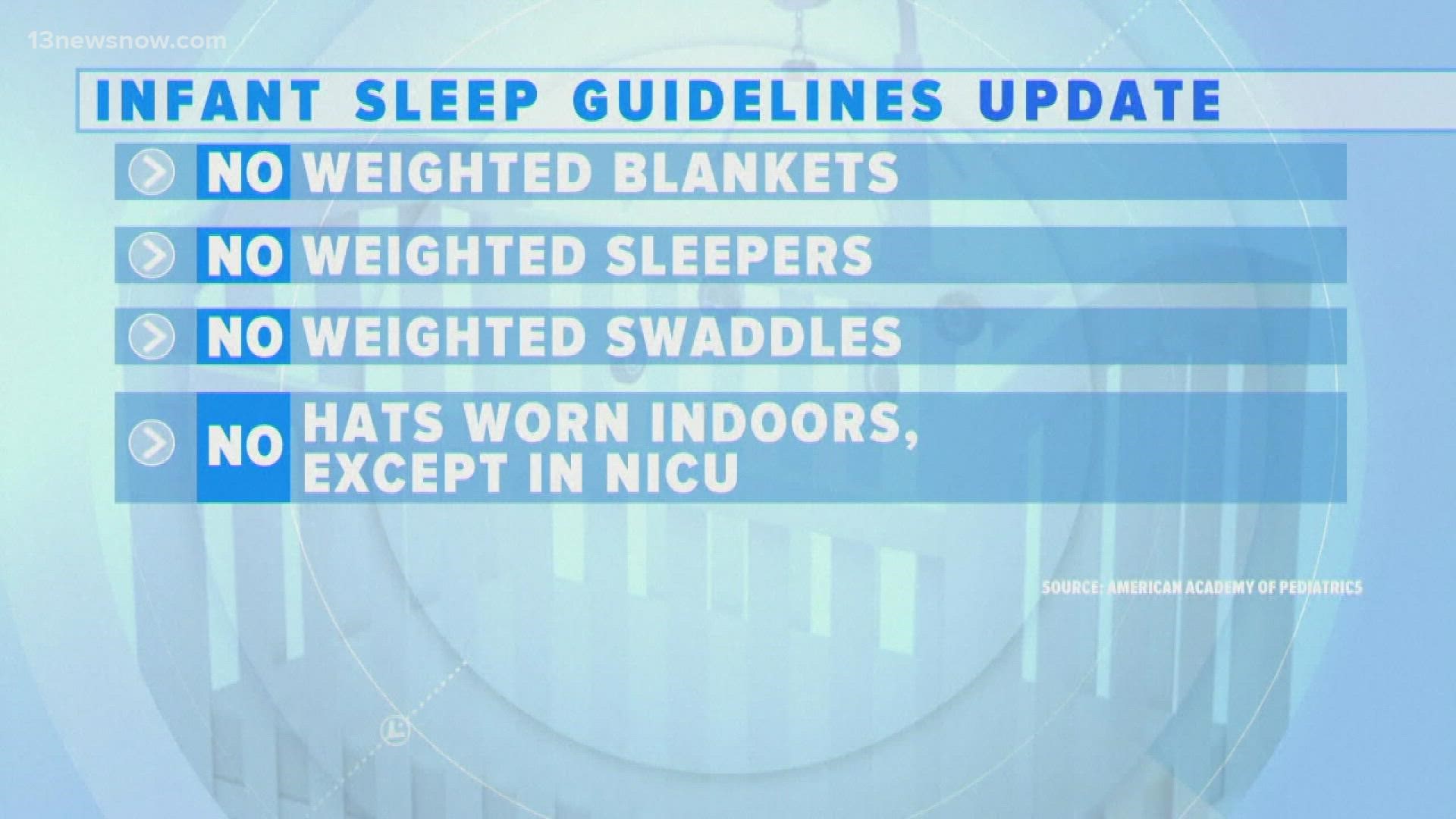
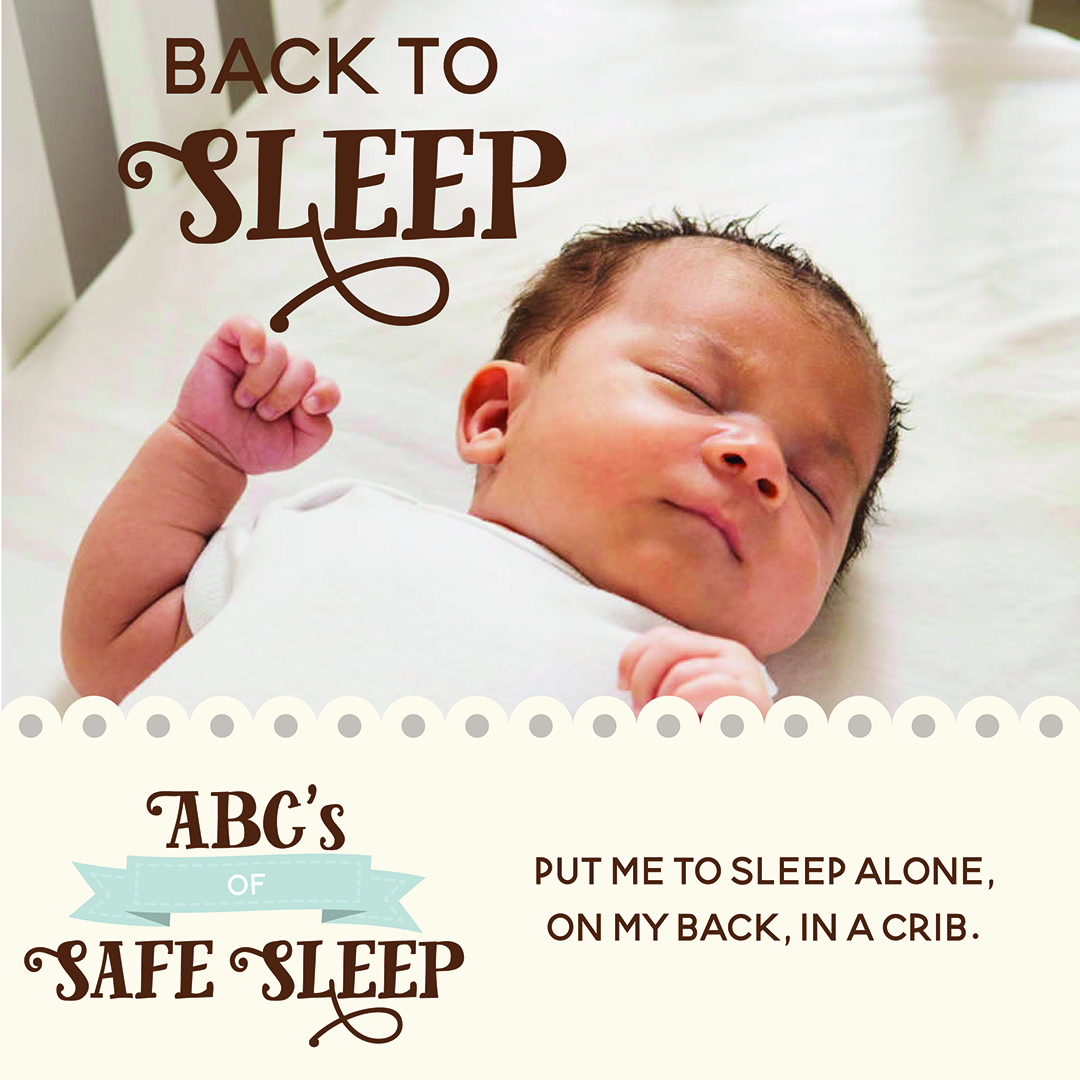
When shopping, prioritize safety certifications over flashy features. The American Academy of Pediatrics emphasizes firm surfaces and clear sleep spaces. Any product you add should support these guidelines. Avoid weighted blankets or positioners, which pose suffocation risks. Stick to items that promote independent sleep in a safe, flat crib environment.


As an Amazon Associate, we may earn from qualifying purchases.
By focusing on these core items, you can address most sleep issues without overspending. The goal is consistency and safety, not complexity. Simple, reliable tools build better sleep habits for both you and your baby.
Shortlist real options
The Sleep Safety Update works best as a clear sequence: define the constraint, compare the realistic options, test the tradeoff, and choose the path with the fewest hidden costs. That order keeps the advice usable instead of decorative. After each step, pause long enough to check whether the recommendation still fits the reader's actual situation. If it depends on perfect timing, unusual access, or a best-case budget, include a simpler fallback.
| Factor | What to check | Why it matters |
|---|---|---|
| Fit | Match the option to the primary use case. | A good deal still fails if it does not fit the job. |
| Condition | Verify age, wear, and service history. | Hidden condition issues erase upfront savings. |
| Cost | Compare purchase price with likely upkeep. | The cheapest option is not always the lowest-cost option. |
Inspect the expensive parts
The Sleep Safety Update works best as a clear sequence: define the constraint, compare the realistic options, test the tradeoff, and choose the path with the fewest hidden costs. That order keeps the advice usable instead of decorative. After each step, pause long enough to check whether the recommendation still fits the reader's actual situation. If it depends on perfect timing, unusual access, or a best-case budget, include a simpler fallback.
Plan for ownership costs
The initial price of a sleep sack is just the entry fee. To keep your baby safe and comfortable through the 2026 ASV guidelines, you need to budget for the ongoing reality of wear and tear. Sleep sacks are not one-and-done purchases; they are high-use items that face constant laundering, stretching, and the inevitable damage from tiny fingernails.
The hidden cost of frequent washing
Safety guidelines require clean sleep environments, but frequent washing degrades materials faster than daily use. Cotton and bamboo blends, while breathable, lose their structural integrity and thermal regulation after repeated high-heat cycles. A cheap sack that shrinks or develops loose threads after five washes is no longer safe—it becomes a suffocation hazard or a entanglement risk. You will need to replace these items every few months, adding up to a significant annual cost.
Zipper and seam failures
The most common point of failure is the zipper. Cheap zippers jam, break, or develop sharp edges that can snag skin or fabric. When a zipper fails, the sack is unusable, forcing an immediate replacement. Similarly, reinforced seams in lower-quality sacks can split during the vigorous tumbling of a toddler. Investing in a higher-quality sack with a protective zipper garage and double-stitched seams often lasts twice as long, making the upfront cost lower per month of use.
Outgrowing the fit
Babies grow quickly, and sleep sacks are size-specific. A sack that fits a 3-month-old may be too tight or restrictive for a 6-month-old, increasing the risk of overheating or restricted movement. This means you will cycle through sizes rapidly. Instead of buying five cheap sacks in different sizes, consider buying two or three higher-quality, adjustable, or convertible models that adapt as your baby grows. This reduces the frequency of purchases and ensures consistent safety standards.


As an Amazon Associate, we may earn from qualifying purchases.
Common baby sleep issues and: what to check next
Sleep disruptions are normal, but knowing when to adjust your routine versus when to consult a pediatrician helps you plan around the early months with more confidence.
What are the signs that a baby might have sleep disorders?
Persistent sleep disturbances can sometimes signal underlying medical issues such as reflux, allergies, or more rarely, infant sleep disorders. Behavioral insomnia in infants often presents as consistent bedtime problems and night waking that do not improve with standard soothing techniques.
My 15-month-old isn't sleeping through the night. What could be causing this?
Developmental leaps, separation anxiety, and changes in daily routine are common culprits for regression at this age. Some babies may start crying at the end of each sleep cycle if they have developed strong sleep associations, such as needing to be held or fed to fall back asleep.
What are the symptoms of sleep anxiety in children?
Anxiety often manifests as difficulty falling asleep, frequent night wakings, or resistance to bedtime. Babies may struggle to self-soothe when separated from caregivers, leading to prolonged crying sessions that are distinct from typical fussiness.
Why is my baby suddenly struggling to sleep?
Babies may begin to have difficulty going to sleep because of separation anxiety, overstimulation, or overtiredness. If your baby has been sleeping consistently and suddenly wakes more often, watch for changes in their daily schedule or environment that might be disrupting their natural rhythms.
No comments yet. Be the first to share your thoughts!