

The 2026 Sleep Shift: What’s Different Now?
Navigating the 4-month sleep regression with a baby can feel incredibly challenging. It's easy to see online that many babies supposedly sleep through the night by six months, but that's not the reality for many families. You might feel stuck in a cycle of wake-ups and short naps.
While the 4-month regression feels familiar—the sudden drop in sleep quality, increased fussiness—data suggests recent cohorts are experiencing it with more intensity and duration. Find PM's data shows an increase in reported sleep disturbances among babies born recently compared to previous years. Parents report longer periods of wakefulness and more difficulty re-settling their babies.
The reasons for this are complex. Speculation includes increased screen time for parents during pregnancy and early infancy, shifts in feeding practices, and the overall stress of recent years impacting infant development. There's unlikely to be one single answer. It's important to acknowledge that the experience is harder for many right now, and struggling is not a failure. Admitting this is challenging is okay.
Babies are taking more frequent, shorter naps and resisting bedtime more strongly. This isn't necessarily a sign of something wrong, but it requires a new approach to understanding and addressing the regression. It's about adapting and finding strategies that work for your baby.
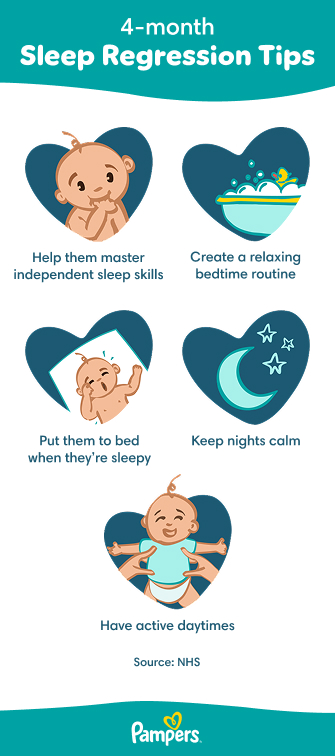
Decoding the 4-Month Regression: The Science
The 4-month sleep regression is a significant developmental leap. Your baby’s brain is reorganizing, shifting from newborn sleep patterns to cycles that resemble an adult’s. This is a sign of healthy neurological development, though it is disruptive to sleep.
Until around 4 months, babies spend much of their sleep in active (REM) sleep. As they mature, they begin cycling through different sleep stages—light, deep, and REM—like adults. This makes them more likely to wake briefly between cycles, and they now have the awareness to notice changes in their environment. They might then protest, seeking the familiar conditions that helped them fall asleep.
This shift is tied to the development of circadian rhythms, your baby’s internal clock, which regulates sleep-wake cycles, hormone release, and other bodily functions. As the circadian rhythm matures, sleep patterns become more predictable, but the transition can be bumpy. It’s a process of learning and adjusting.
Understanding these changes as a natural part of development is helpful. It's a move from 'sleep as a reflex' to 'sleep as a learned skill.' Your baby isn’t intentionally trying to frustrate you; they’re learning to manage their sleep independently. Recognizing this shift can make navigating the challenges a little easier.
Is It Regression, or Something Else?
It’s natural to worry when your baby’s sleep patterns change. Is it simply the 4-month regression, or could something else be going on? It’s important to rule out other potential causes before assuming it's just regression. Parental intuition is powerful, so trust your gut.
Common culprits include illness, teething, or a growth spurt. A cold or ear infection can disrupt sleep, as can teething discomfort. A growth spurt might lead to increased hunger and more frequent night wakings. These are usually temporary. Consider if any changes to your baby's routine or environment could be contributing to sleep disturbance.
Here’s a quick checklist to help you determine if something else might be at play:
• Is your baby showing any signs of illness (fever, congestion, cough)? • Are they teething (drooling, chewing on hands, irritability)? • Have you recently introduced any new foods? • Has there been a change in your baby’s routine or environment? • Is your baby getting enough to eat during the day?
- Is your baby showing any signs of illness (fever, congestion, cough)?
- Are they teething (drooling, chewing on hands, irritability)?
- Have you recently introduced any new foods?
- Has there been a change in your baby’s routine or environment?
- Is your baby getting enough to eat during the day?
Sleep Sack Strategies: Kyte vs. Dreamland
Sleep sacks are a popular tool for the 4-month regression, offering a safe alternative to loose blankets. Choosing the right one can feel overwhelming. Kyte and Dreamland are two popular brands.
Kyte sleep sacks use soft, breathable bamboo fabric, making them a good choice for babies who overheat or for warmer climates. They come in various sizes and prints and are relatively affordable, typically $30-$50. They do not offer added weight or compression.
Dreamland sleep sacks have a gentle weighted design. This weight mimics being held, which can be comforting for babies and promote more restful sleep. They use breathable fabric but are more expensive, costing $80-$120. Dreamland’s weighted design isn’t for every baby—consult your pediatrician before using one.
Here’s a quick comparison:
Kyte Baby Sleep Sack vs. Dreamland Baby Sleep Sack: A Comparison
| Material | Weight/Warmth | Ease of Use | Price Range | Best For |
|---|---|---|---|---|
| Kyte Baby Sleep Sack | Very Breathable Bamboo Viscose | Easy to Use - Two-way zipper | Generally Higher | Warm Sleepers, Babies in Warmer Climates |
| Kyte Baby Sleep Sack | Lightweight | Simple and secure zipper closure | Varies by size & pattern | Babies who overheat easily |
| Dreamland Baby Sleep Sack | Organic Cotton with Gentle Weighting | Lightly Weighted - Designed to promote calmness | Easy to Use - Zipper and snap closures | Babies Who Startle Easily, Transitioning from Swaddle |
| Dreamland Baby Sleep Sack | Soft and Comfortable | Secure zipper and button snaps | Generally Higher | Babies needing a comforting, secure feeling |
| Kyte Baby Sleep Sack | Exceptionally Soft | Full-length zipper with snap covers | Mid to High | Everyday Use, Versatile for different temperatures with layering |
| Dreamland Baby Sleep Sack | 100% Organic Cotton | Slightly Weighted for a calming effect | Mid to High | Babies with difficulty self-soothing |
Illustrative comparison based on the article research brief. Verify current pricing, limits, and product details in the official docs before relying on it.
Gentle Sleep Training: A Realistic Approach
The term "sleep training’ can feel daunting, conjuring images of crying babies and stressed parents. Gentle sleep training helps your baby develop self-soothing skills, rather than forcing them to sleep through the night. It’s a gradual process that respects your baby"s cues and your comfort level.
Establishing a consistent bedtime routine is key. This could include a warm bath, a gentle massage, reading a book, and singing a lullaby. The routine should be calming and predictable, signaling sleep time. A dark, quiet room with a comfortable temperature creates a calming sleep environment.
Respond to your baby’s cues. If they’re crying, determine the cause: hunger, a diaper change, or seeking comfort? Offer reassurance and support, but avoid immediately picking them up. Sometimes, a gentle pat or a soothing voice helps them settle back to sleep.
The Ferber method, with gradually increasing intervals of unattended crying, is one option. Many parents prefer a more responsive approach, offering frequent comfort and reassurance. Choose a method you’re comfortable with and that aligns with your parenting philosophy. There is no one-size-fits-all solution.
Troubleshooting Common Roadblocks
You may encounter roadblocks during the 4-month regression. Here are some common problems and potential solutions:
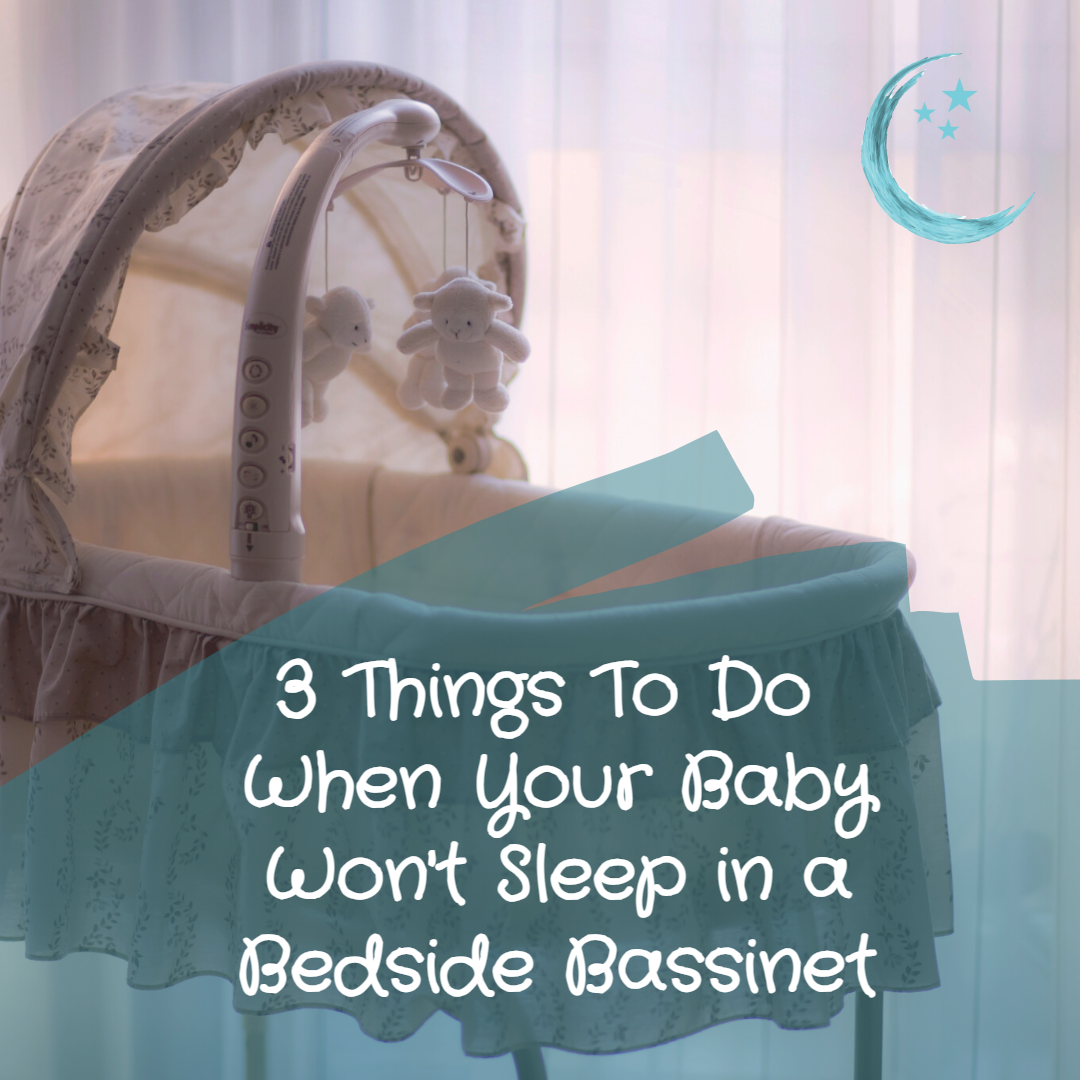
Baby won’t sleep in bassinet: If your baby suddenly refuses the bassinet, try swaddling them tightly or using a sleep sack. Ensure the bassinet is level and comfortable. You might also try gradually reintroducing the bassinet for naps first.
Baby wakes up every hour: This is a common sign of the sleep cycle shift. Resist the urge to immediately feed or rock your baby back to sleep. Give them a few minutes to see if they can self-soothe. If they continue to cry, offer gentle comfort.
Baby fights bedtime: A consistent bedtime routine is even more important when your baby is fighting bedtime. Make sure the routine is calming and predictable. Avoid screen time in the hour before bed. Littleones.co suggests ensuring the room is dark enough and the temperature is comfortable.
Determining whether a night waking is due to hunger or comfort can be tricky. If your baby is consistently waking at the same time and is showing hunger cues, it might be time to increase their daytime feedings. However, if they’re waking frequently and don’t seem hungry, they might just be seeking comfort.
Parent Self-Care: You Need It Too
The 4-month sleep regression is incredibly challenging for parents. It’s easy to feel exhausted, overwhelmed, and frustrated. But remember, you can’t pour from an empty cup. Prioritizing your own well-being is not selfish; it’s essential.
Make sure you’re getting enough rest, even if it means taking naps when the baby naps. Ask for help from your partner, family, or friends. Don’t be afraid to say no to commitments that will add to your stress. Even small acts of self-care – a warm bath, a quiet walk, a cup of tea – can make a big difference.
Connect with other parents who are going through the same thing. Sharing your experiences and getting support from others can be incredibly helpful. Remember, you’re not alone. Postpartum mental health is crucial to address. If you’re feeling overwhelmed or experiencing symptoms of depression or anxiety, reach out to a healthcare professional.
This is a temporary phase, and it will pass. Be kind to yourself, and remember that you’re doing the best you can. Your baby needs a rested and supported parent, and that starts with taking care of yourself.
How are you coping with the 4-month sleep regression?
You are not alone in this. Let us know where you are in the journey right now, and see how other parents are managing in real-time.

No comments yet. Be the first to share your thoughts!