
The shift toward high-tech nurseries
Parents used to rely on rocking, singing, and basic sound machines. Now, the nursery is filling up with sensors and algorithms. This shift isn't just about new gadgets; it's a response to the massive anxiety many of us feel about whether our babies are sleeping enough or safely. We want data to tell us what our instincts used to handle.
The market is responding to that anxiety. We’re seeing everything from smart sleep sacks to sophisticated wearable monitors, all claiming to help babies sleep longer and more soundly. A recent article in the New York Post highlighted the growing trend of health wearables for babies, noting the increasing sophistication – and potential concerns – of these devices. It's not a small market; the desire for better sleep, for both baby and parents, is a powerful motivator.
This push towards tech-enabled sleep isn't without its skeptics. Many parents still prefer tried-and-true methods, and there’s a healthy debate about whether all this monitoring is truly necessary. But the sheer volume of new products entering the market suggests that smart sleep technology is here to stay, and it's evolving rapidly. It’s important to understand what these products offer, and how they compare to more traditional approaches.
How AI sleep sacks actually work
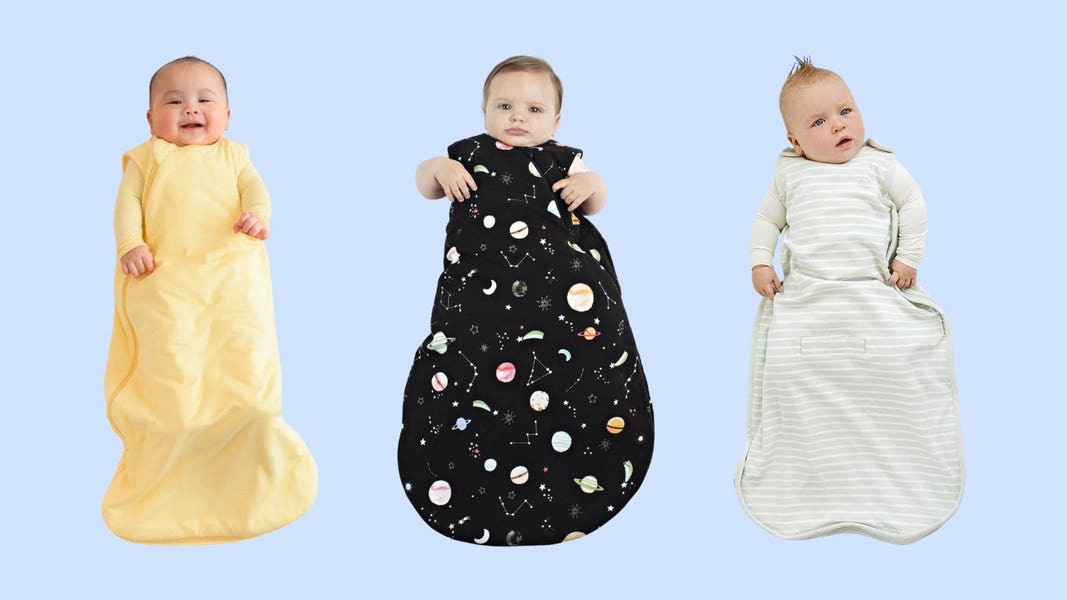
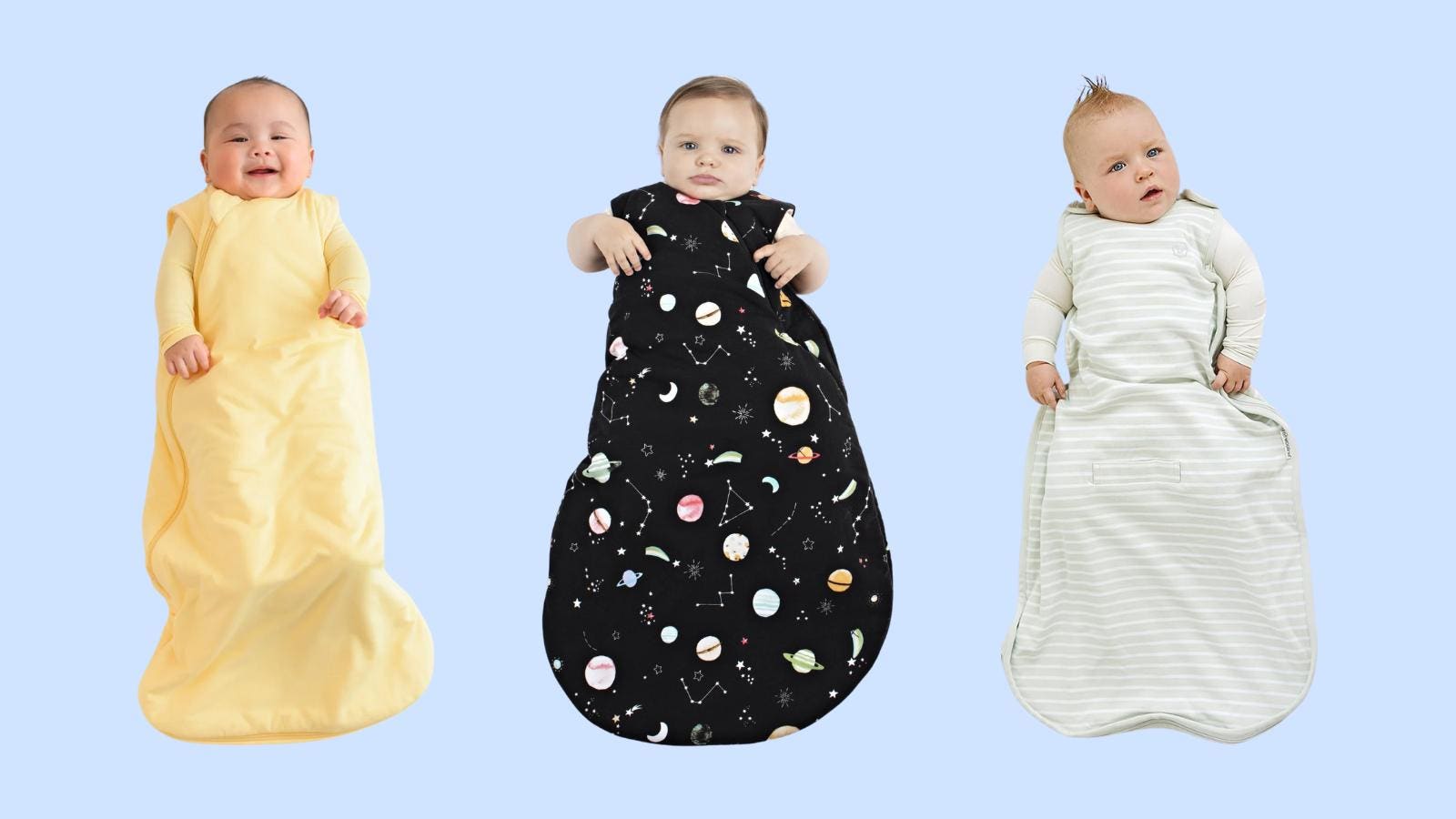
AI sleep sacks are wearable blankets with built-in sensors. They track movement, heart rate, and breathing to guess if a baby is in a deep sleep or just drifting. It's an attempt to turn a nap into a data set.
The data collected by these sensors is then fed into algorithms – the "AI’ component – which are designed to analyze the information and identify sleep stages. Manufacturers claim these algorithms can predict when a baby is about to wake up, and potentially even trigger automated responses, like gentle rocking or the playing of soothing sounds. However, it’s important to be realistic about the ‘intelligence’ at play. Many of these algorithms are proprietary, and the specifics of how they work remain largely a ‘black box".
What data is actually being collected, and how it’s being used, isn’t always transparent. Some manufacturers are vague about the details, which raises legitimate privacy concerns. While the aim is often to provide personalized sleep recommendations, the effectiveness of these recommendations can vary significantly. It’s crucial to remember that these technologies are still relatively new, and long-term studies on their impact are limited.
The promise is compelling: a sleep sack that learns your baby’s sleep patterns and helps them sleep better. But it's also important to approach these claims with a healthy dose of skepticism. These devices aren’t magic, and they won’t solve all sleep problems. They are tools, and their effectiveness depends on a variety of factors, including the individual baby and the consistency of the parents.
Dreamland vs. Kyte: A 2026 Update
When parents start researching baby sleep sacks, the names Kyte and Dreamland consistently come up. As of 2026, both brands remain incredibly popular, but they’ve evolved. Kyte, known for its incredibly soft bamboo fabric, continues to focus on material quality and comfort. They offer a range of TOG ratings to suit different climates, and their sleep sacks are consistently praised for their breathability.
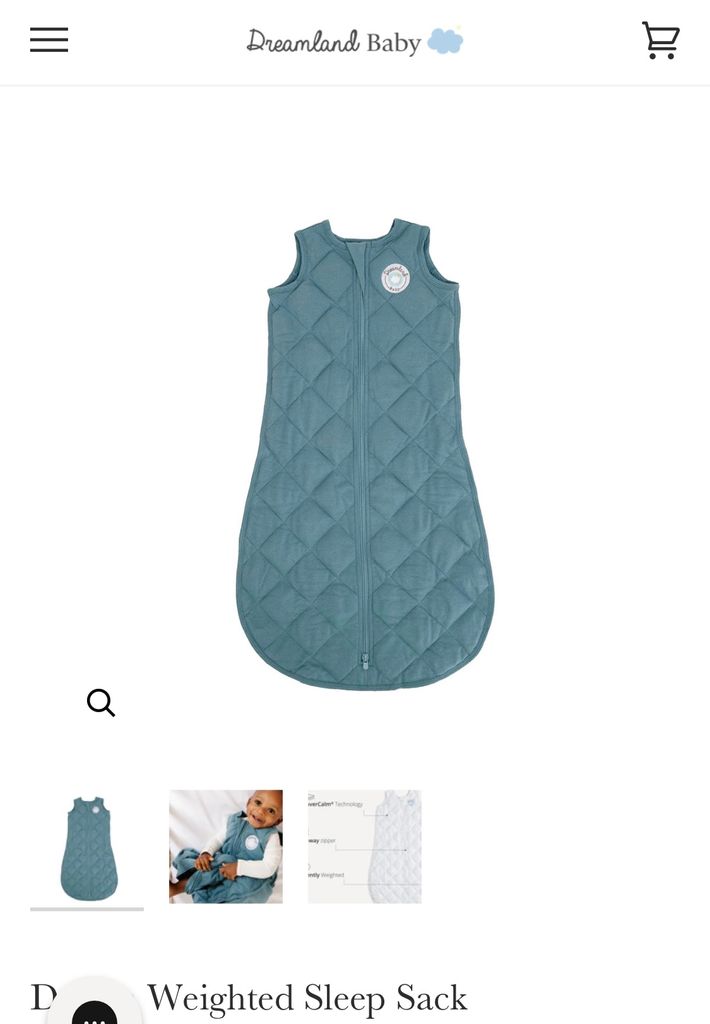
Dreamland, on the other hand, has leaned more heavily into the "smart" side of things. While they also offer high-quality materials, their signature product – the Dreamland Sleep Sack – incorporates gentle, automated rocking motions designed to soothe babies back to sleep. This feature sets them apart from Kyte, which remains a more traditional sleep sack option. Both brands have expanded their product lines to include sleep suits and swaddles.
User reviews are mixed, as you’d expect. Kyte consistently receives high marks for its softness and durability. Parents appreciate the simple, no-frills design. However, some report that it doesn’t provide enough warmth in colder climates. Dreamland’s sleep sack receives praise from parents who struggle with frequent night wakings, but some find the automated rocking to be disruptive or ineffective for their babies. The price point is also a consideration; Dreamland is generally more expensive than Kyte.
Here's a quick comparison of some key features:
Choosing between them is a trade-off. Kyte is the better pick if you want soft fabric and a lower price tag. Dreamland is for parents who are desperate enough to pay a premium for built-in rocking. Both now connect to apps for sleep tracking, though I wouldn't bet my life on the accuracy of those charts.
- Kyte Sleep Sack: Uses bamboo viscose for breathability. Costs between $30 and $60.
- Dreamland Sleep Sack: Includes automated rocking and app tracking. Costs between $100 and $200.
- TOG Ratings: Both brands offer a range of TOG ratings (0.5, 1.0, 2.5) to suit different temperatures.
- Material: Kyte uses bamboo viscose; Dreamland uses a blend of organic cotton and polyester.
Featured Products

1.0 TOG rating · Lightweight bamboo viscose blend · 2-way zipper for easy changes
This sleep sack provides a comfortable and breathable option with a convenient design for nighttime diaper changes.

1.0 TOG rating · Rayon made from bamboo fabric · Dual zipper for convenience
This sleep bag utilizes soft bamboo-derived fabric and a dual zipper for ease of use during nighttime routines.

1.5 TOG rating · 100% cotton material · 3-way adjustable swaddle feature
This versatile sleep sack offers multiple swaddling options and a comfortable cotton material for safe sleep.
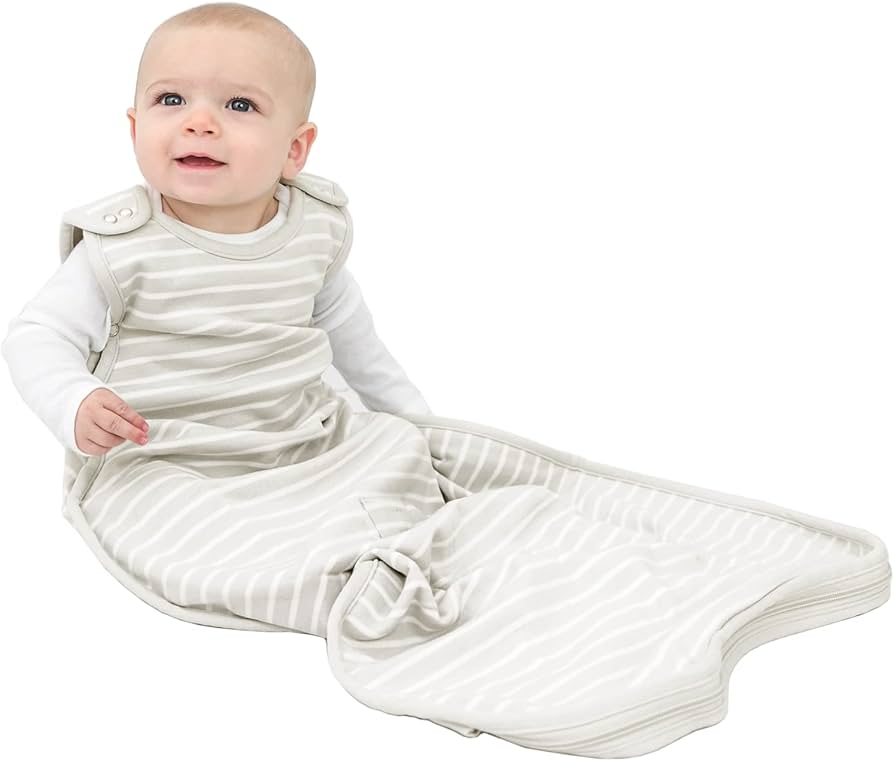
100% natural merino wool · All-season temperature regulation · Generous sizing for extended use
The Woolino sleep bag's natural merino wool provides exceptional temperature regulation and adaptability for year-round use.
As an Amazon Associate I earn from qualifying purchases. Prices may vary.
Bassinets and monitors that watch for you
The smart sleep tech market extends far beyond sleep sacks. Smart bassinets, like the Snoo and the Halo BassiNest, offer automated rocking, white noise, and even responsiveness to the baby’s cries. These bassinets are significantly more expensive than traditional options, but they can be a lifesaver for exhausted parents. Wearable monitors, such as the Owlet and the Nanit, track heart rate, breathing, and movement, providing parents with real-time data on their baby’s well-being.
There’s also a growing number of apps that offer personalized sleep coaching. These apps typically collect data about the baby’s sleep patterns and provide recommendations for improving sleep. However, the quality of these apps varies widely, and it’s important to choose one that is based on sound sleep principles. The New York Post article touched on the broader trend of health wearables, and the potential for data collection.
However, with all this technology comes legitimate privacy concerns. Constant monitoring of a baby’s physiological data raises questions about data security and potential misuse. It’s crucial to carefully review the privacy policies of these devices and understand how your baby’s data is being collected, stored, and used. Many parents are understandably hesitant to share sensitive information about their children.
Traditional Methods Still Hold Value
Despite the allure of smart sleep technology, it’s important to remember that traditional methods still hold significant value. Establishing a consistent bedtime routine – a warm bath, a story, and a lullaby – can signal to the baby that it’s time to sleep. Creating a dark and quiet sleep environment is also crucial. These simple steps can often make a significant difference.
Gentle sleep training methods, such as the Ferber method (graduated extinction) or the chair method, can be effective in helping babies learn to self-soothe. These methods involve gradually reducing parental intervention, allowing the baby to learn to fall asleep independently. They require consistency and patience, but they can be successful even without the aid of technology. I think it’s important to remind parents that sometimes, simple things work best.
Technology can be a helpful tool, but it’s not a substitute for a nurturing and responsive parenting style. Responding to your baby’s cues, providing comfort when needed, and creating a secure attachment are all essential for healthy sleep development. Don’t feel pressured to rely on expensive gadgets if they don’t feel right for you and your baby.
Is the extra sleep worth the price tag?
Smart sleep technology can be expensive. A basic AI sleep sack can cost upwards of $100, while smart bassinets can easily exceed $1,000. Wearable monitors and apps often come with subscription fees. Compared to the cost of traditional methods – a simple sleep sack, a white noise machine, and a consistent bedtime routine – the financial investment is significant.
The potential benefits – more sleep for parents, improved sleep for baby – may justify the expense for some families. However, it’s important to be realistic about what these products can deliver. They are not a guaranteed solution to sleep problems, and they won’t work for every baby. I’m not convinced everyone needs a $200 sleep sack.
Ultimately, the decision of whether or not to invest in smart sleep technology is a personal one. Consider your budget, your priorities, and your comfort level with data privacy. If you’re struggling with sleep deprivation, and you’ve already tried traditional methods without success, a smart sleep device might be worth exploring. But don’t fall for the hype – these products aren’t a magic bullet.
No comments yet. Be the first to share your thoughts!