
First Impressions: Kyte & Dreamland
If you're a parent seeking better baby sleep, you've likely encountered Kyte and Dreamland sleep sacks. These brands are often recommended for improving nighttime rest, but they offer different solutions.
Kyte Baby is known for its soft bamboo viscose fabric and comfortable, breathable sleepwear. Dreamland focuses on a weighted design to provide security and calm, mimicking swaddling without restriction.
This guide examines materials, design, safety, and performance to help you choose between Kyte and Dreamland sleep sacks.
Fabric & Materials: A Deep Dive
Kyte Baby uses bamboo viscose, known for its softness and breathability, which helps regulate temperature and reduce overheating. While often marketed as sustainable, the process of creating viscose from bamboo has environmental considerations.
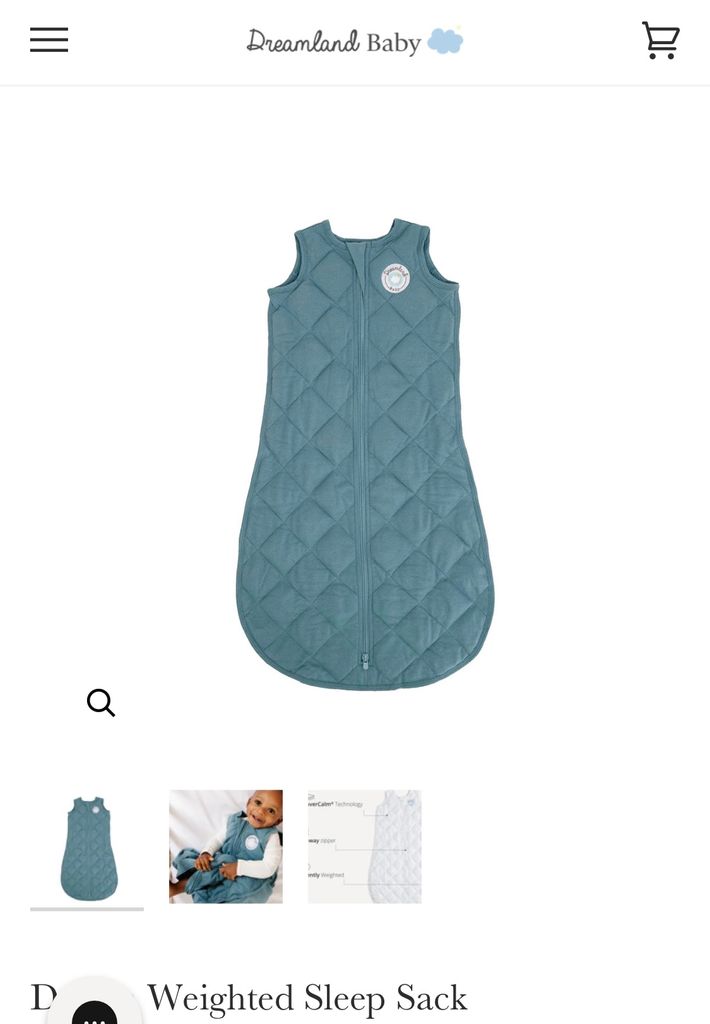
Dreamland sleep sacks are made of 100% cotton. Their key feature is the GentleSprout™ weighted technology, which uses evenly distributed glass beads to mimic a hug and promote calmness.
Both materials are generally well-tolerated. Bamboo viscose may cause reactions in babies with very sensitive skin due to processing chemicals, while cotton is less likely to irritate. Both brands recommend machine washing on a gentle cycle with mild detergent. Dreamland advises against fabric softener to preserve weight distribution.
Parents often choose Kyte for its softness, especially for newborns, or Dreamland to replicate swaddling comfort for babies who are rolling. The best choice depends on your baby's individual needs.
Weight & TOG Ratings Explained
TOG (Thermal Overall Grade) ratings measure how well a fabric traps heat. Lower TOG ratings (0.5-1.0) are for warmer temperatures, and higher ratings (2.5-3.5) are for cooler temperatures. Understanding TOG ratings is important for safe sleep, as overheating is a risk factor for SIDS. Always consider room temperature and your baby’s clothing.
Dreamland sleep sacks come in 0.1 TOG (unweighted), 0.5 TOG, 1.0 TOG, and 2.5 TOG options. The weighted sacks aim to provide gentle, consistent pressure to calm fussiness and promote longer sleep. While marketed as evenly distributed, some parents report occasional bunching after washing.
Kyte sleep sacks are unweighted, using the breathability of bamboo viscose for temperature regulation. They offer 0.5, 1.0, and 2.5 TOG ratings based on fabric weave and thickness. Kyte is suitable for parents hesitant about weighted products.
Generally, 0.5 TOG is for 68-72°F, 1.0 TOG for 64-68°F, and 2.5 TOG for below 64°F. Always monitor your baby for signs of overheating like sweating or flushed skin.
- 0.1 TOG (Dreamland): 68-72°F
- 0.5 TOG (Kyte & Dreamland): 68-72°F
- 1.0 TOG (Dreamland): 64-68°F
- 2.5 TOG (Kyte & Dreamland): Below 64°F
Kyte vs. Dreamland Baby Sleep Sacks: Key Comparison (2026)
| Feature | Kyte Baby Sleep Sack | Dreamland Baby Sleep Sack |
|---|---|---|
| Fabric Composition | Bamboo Viscose | Cotton |
| Fabric Softness | Generally perceived as very soft due to bamboo viscose | Soft, but may not be initially as silky as bamboo |
| Breathability | Highly breathable due to the natural properties of bamboo | Breathable, particularly with the use of muslin or cotton variations |
| Weight Options | Available in multiple weights/TOG ratings (details vary by product line) | Offers weighted options designed to promote sleep; also available unweighted |
| TOG Ratings | Offers a range of TOGs to suit different temperatures | Offers a range of TOGs, with specific focus on weighted options for different baby needs |
| Ease of Cleaning | Machine washable, but may require gentle cycle and air drying to maintain softness | Machine washable; specific instructions vary depending on the fabric blend |
| Potential for Overheating | Lower risk of overheating due to bamboo’s breathability, but consider TOG rating | Risk of overheating depends on TOG rating and room temperature; weighted versions may retain more heat |
| Closure Type | Zipper closure | Zipper or snap closure |
Illustrative comparison based on the article research brief. Verify current pricing, limits, and product details in the official docs before relying on it.
Design & Features: Zippers, Necklines & More
Both brands offer user-friendly designs. Kyte typically has a top-to-bottom zipper with a chin guard for easy diaper changes. Dreamland offers both top-to-bottom and bottom-to-top zippers, the latter being useful for newborns.
Kyte’s necklines are snug but not restrictive. Dreamland’s necklines can sometimes be loose, which parents note could pose a safety risk if the baby slips down inside the sack. Ensure the neckline is not too large.
Both brands offer sleeveless, short-sleeve, and long-sleeve options. Kyte tends to run smaller, while Dreamland offers a more generous fit. Some parents find Kyte’s sizing inconsistent, so checking the size chart is recommended.
Some parents report zipper issues on both brands, such as breaking or getting stuck. Inspect zippers regularly and avoid forcing them.
Sizing & Growth: How Long Will They Last?
Kyte Baby sizes range from 0-6 months to 18-24 months, but many parents find they run small and babies outgrow them quickly. Dreamland offers a similar range but with a more generous fit and adjustable features for growth.
Both brands offer sleep sacks with legs, but the fit can be challenging. Some babies find the leg holes restrictive. Gradually introducing sleep sacks with legs during naps can help with the transition.
Shrinkage is a concern for both brands, particularly with bamboo viscose. Wash Kyte sacks on cold, gentle cycles and tumble dry on low. Dreamland sacks also require careful adherence to care instructions. Line drying can help minimize shrinkage for both.
Real-world reports suggest that parents typically get 3-6 months of use out of a Kyte sleep sack, while Dreamland sacks often last a bit longer due to their more generous sizing. If your baby is between sizes, it’s generally best to size up.
Safety Certifications & Testing
Safety is paramount when choosing a sleep sack. Both Kyte and Dreamland adhere to relevant safety standards, but it’s important to understand what those standards mean. Kyte Baby sleep sacks are JPMA (Juvenile Products Manufacturers Association) certified, indicating that they have been independently tested to meet specific safety requirements. Dreamland also claims to meet or exceed all applicable safety standards.
However, it’s important to note that JPMA certification doesn’t guarantee complete safety. It simply means that the product has been tested for certain hazards, such as flammability and lead content. There have been no major recalls associated with either brand, but it’s always a good idea to check the Consumer Product Safety Commission (CPSC) website for any updates.
A key safety concern with any sleep sack is the risk of hip dysplasia. It’s important to choose a sack that allows for free movement of the baby’s hips and legs. Both Kyte and Dreamland sacks are designed with this in mind, but it’s still crucial to monitor your baby’s hip development. Consult with your pediatrician if you have any concerns.
Safe sleep practices are essential when using a sleep sack. Always place your baby on their back to sleep, and avoid using loose blankets or other bedding in the crib. Ensure the sleep sack is the appropriate size and TOG rating for the temperature.
- JPMA Certification: Indicates independent safety testing.
- Hip-Safe Design: Allows for free movement of hips and legs.
- Back Sleeping: Always place baby on their back to sleep.
Price & Value: What You're Paying For
Kyte Baby sleep sacks typically range in price from $35 to $50, depending on the size and style. Dreamland sleep sacks are generally more expensive, ranging from $70 to $100. This price difference is primarily due to the weighted feature and the associated manufacturing costs. Whether the added cost is justified depends on your individual needs and preferences.
Considering the cost per use, Dreamland sacks may offer better value if your baby benefits significantly from the weighted sensation and you are able to use the sack for a longer period of time. However, if your baby doesn’t respond well to the weight or quickly outgrows the sack, Kyte may be a more economical choice.
Both brands frequently offer sales and discounts, especially during holidays and seasonal events. You can often find Kyte sleep sacks on Amazon for a lower price than on the Kyte Baby website. Dreamland sacks are also available on Amazon, but the selection may be limited.
Here are some links to purchase:
Kyte Baby:
Dreamland Baby:
- Kyte Baby: $35 - $50
- Dreamland Baby: $70 - $100
Featured Products
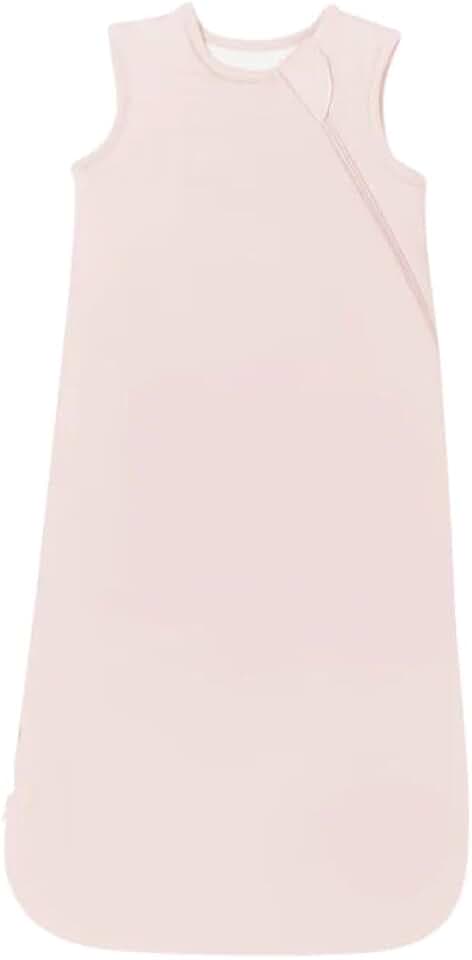
Made from ultra-soft and breathable rayon derived from bamboo · Features a 1.0 TOG rating, suitable for room temperatures between 68-72°F (20-22°C) · Designed with a sleeveless silhouette to prevent overheating and allow for comfortable layering
These Kyte Baby sleep sacks are essential for parents seeking the soft, breathable, and temperature-regulating sleep solutions discussed in the comparison guide.
Made from ultra-soft and breathable rayon derived from bamboo · Features a 1.0 TOG rating, suitable for room temperatures between 68-72°F (20-22°C) · Designed with a sleeveless silhouette to prevent overheating and allow for comfortable layering
These Kyte Baby sleep sacks are essential for parents seeking the soft, breathable, and temperature-regulating sleep solutions discussed in the comparison guide.

Made from ultra-soft and breathable rayon derived from bamboo · Features a 1.0 TOG rating, suitable for room temperatures between 68-72°F (20-22°C) · Designed with a sleeveless silhouette to prevent overheating and allow for comfortable layering
These Kyte Baby sleep sacks are essential for parents seeking the soft, breathable, and temperature-regulating sleep solutions discussed in the comparison guide.
Made from ultra-soft and breathable rayon derived from bamboo · Features a 1.0 TOG rating, suitable for room temperatures between 68-72°F (20-22°C) · Designed with a sleeveless silhouette to prevent overheating and allow for comfortable layering
These Kyte Baby sleep sacks are essential for parents seeking the soft, breathable, and temperature-regulating sleep solutions discussed in the comparison guide.
Made from ultra-soft and breathable rayon derived from bamboo · Features a 1.0 TOG rating, suitable for room temperatures between 68-72°F (20-22°C) · Designed with a sleeveless silhouette to prevent overheating and allow for comfortable layering
These Kyte Baby sleep sacks are essential for parents seeking the soft, breathable, and temperature-regulating sleep solutions discussed in the comparison guide.
As an Amazon Associate I earn from qualifying purchases. Prices may vary.
Featured Products

Made from 95% Viscose and 5% Spandex for a soft, stretchy feel. · 1.0 TOG rating is suitable for various room temperatures. · Features a convenient 2-way zipper for easy diaper changes.
This Dreamland sleep sack offers a variety of weights and sizes to help parents find the perfect solution for their baby's sleep needs, complementing the comparison with Kyte Baby sleep sacks.

Crafted from 95% Viscose and 5% Spandex for ultimate softness and flexibility. · 1.0 TOG rating provides versatile warmth for different sleep environments. · Equipped with a 2-way zipper for effortless diaper access.
This Dreamland sleep sack offers a variety of weights and sizes to help parents find the perfect solution for their baby's sleep needs, complementing the comparison with Kyte Baby sleep sacks.

Designed with feet for toddlers, allowing for freedom of movement. · 1.0 TOG temperature rating ensures comfortable sleep. · Made from ultra-soft, breathable viscose material.
This Dreamland sleep sack offers a variety of weights and sizes to help parents find the perfect solution for their baby's sleep needs, complementing the comparison with Kyte Baby sleep sacks.
Features integrated feet for toddlers, promoting mobility. · 1.0 TOG rating for consistent temperature regulation. · Constructed with breathable and ultra-soft viscose fabric.
This Dreamland sleep sack offers a variety of weights and sizes to help parents find the perfect solution for their baby's sleep needs, complementing the comparison with Kyte Baby sleep sacks.
Made from 95% Viscose and 5% Spandex for a soft, stretchy feel. · 1.0 TOG rating is suitable for various room temperatures. · Features a convenient 2-way zipper for easy diaper changes.
This Dreamland sleep sack offers a variety of weights and sizes to help parents find the perfect solution for their baby's sleep needs, complementing the comparison with Kyte Baby sleep sacks.
As an Amazon Associate I earn from qualifying purchases. Prices may vary.
Real Parent Reviews: The Verdict
Parent reviews are overwhelmingly positive for both Kyte and Dreamland, but the reasons for satisfaction differ. Kyte consistently receives praise for its incredible softness and breathability. Many parents report that their babies sleep more soundly in Kyte sacks, especially during warmer months. However, some parents complain about the sizing running small and the fabric pilling after washing.
Dreamland users rave about the calming effect of the weighted design. Many parents report that their babies sleep longer stretches and are less fussy. However, some parents express concern about the weight potentially being too much for their babies, and others note that the sacks can be difficult to clean. A recurring theme in Dreamland reviews is that it worked wonders for some babies and had no effect on others.
“My little one sleeps so much better in the Kyte sack! It’s so soft and breathable, and he doesn’t seem to overheat,” says one Amazon reviewer. Another parent shared, “The Dreamland sack was a game-changer for us. Our baby was constantly waking up, and the weight seemed to really soothe him.”
Ultimately, the best sleep sack for your baby depends on their individual needs and preferences. If you prioritize softness, breathability, and affordability, Kyte is a great choice. If you’re looking for a weighted option to promote calmness and longer stretches of sleep, Dreamland is worth considering. Don't be afraid to try both to see which one works best for your little one – and remember, every baby is different.
No comments yet. Be the first to share your thoughts!