
Sleep Sack Showdown: Kyte vs. Dreamland
Sleep is precious, and when it’s disrupted, life feels incredibly hard. As parents, we’re constantly searching for solutions to help our babies sleep better, and baby sleep sacks have become a popular avenue to explore. Kyte and Dreamland are two brands consistently mentioned in the conversation, often touted as miracle workers for nighttime sleep.
Both brands have cultivated a devoted following, but the sheer number of options – and price points – can be overwhelming. Parents are willing to invest in sleep solutions, hoping to avoid constant night wakings and to encourage safer sleep habits. But do these sleep sacks actually deliver on their promises?
This article will break down the key differences between Kyte and Dreamland sleep sacks, looking at everything from materials and design to price and parent reviews. We’ll aim to give you a clear picture of which brand might be the best fit for your little one, and ultimately, help you get some much-needed rest.
Material & Breathability: What Touches Baby’s Skin?
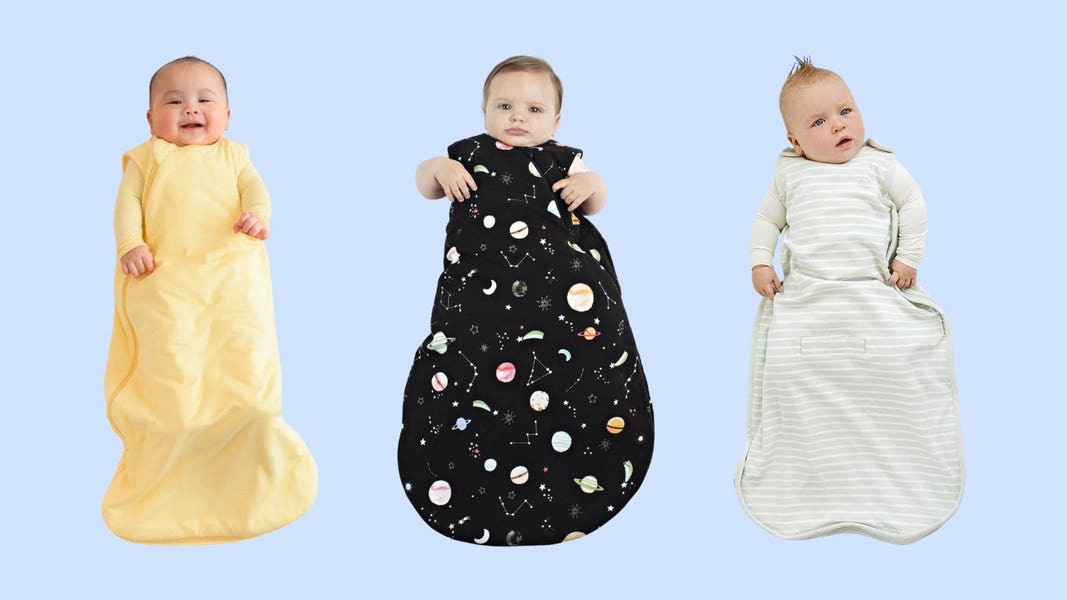
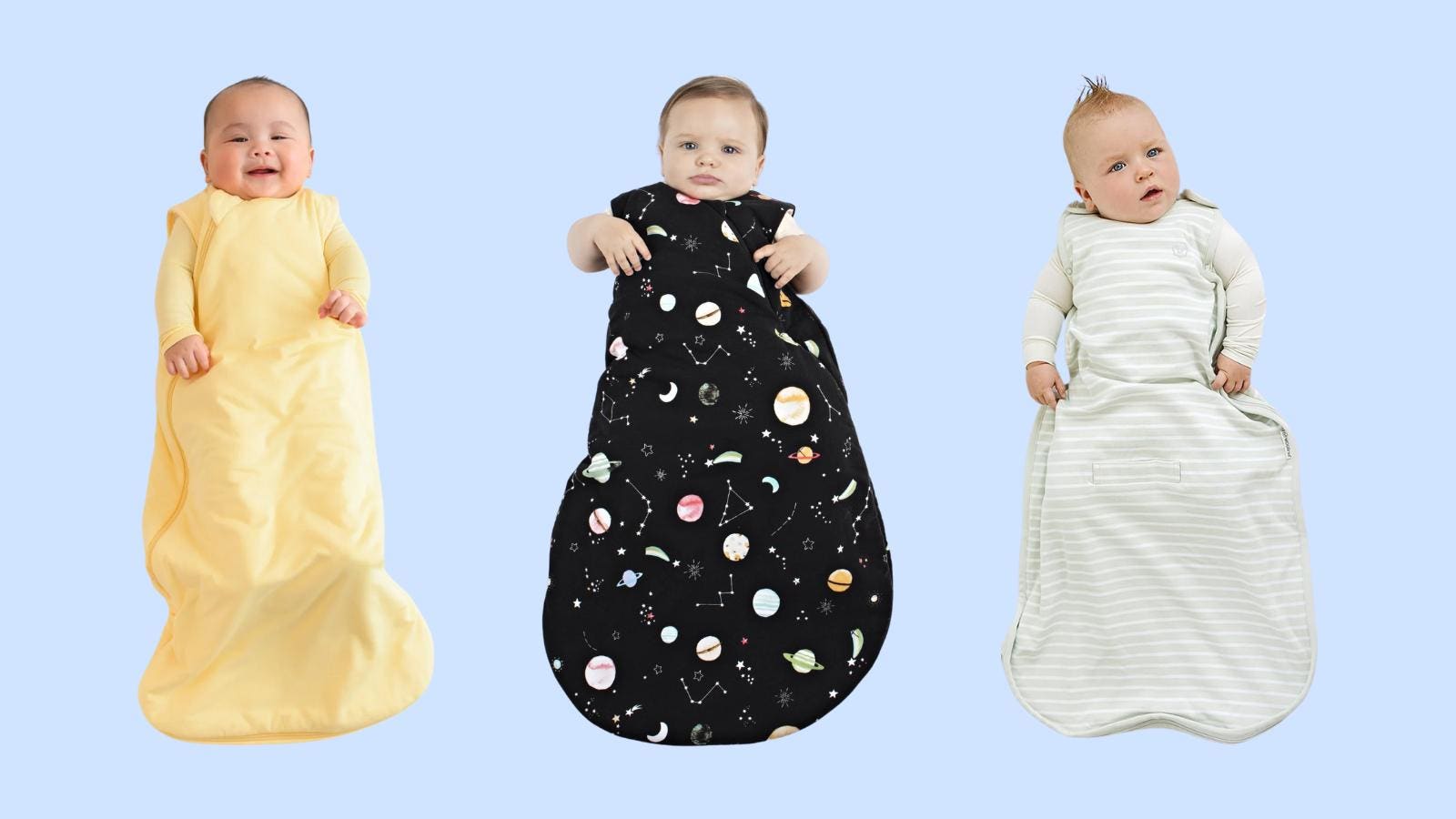
One of the biggest distinctions between Kyte and Dreamland lies in their material choices. Kyte baby sleep sacks are made from bamboo rayon, while Dreamland opts for organic cotton. Both materials have their strengths and weaknesses, and the 'better' option really depends on your priorities.
Bamboo rayon is incredibly soft, often described as feeling like silk. It’s also known for its excellent temperature regulating properties – it’s breathable and can help prevent overheating. However, it’s worth noting that bamboo rayon is a processed fabric, and some parents prefer the simplicity of a natural fiber. Kyte's website emphasizes the ultra-soft and breathable nature of their bamboo.
Organic cotton, used by Dreamland, feels familiar and is often preferred by parents seeking a fully natural fiber. It’s generally durable and easy to care for. While cotton is breathable, it doesn’t quite match bamboo’s temperature regulating capabilities. The organic certification is a plus for those prioritizing sustainable and chemical-free products.
The question of whether 'bamboo is cooler' is a common one. While bamboo does have a naturally cooling effect, the weave and construction of the fabric play a huge role. A tightly woven cotton sleep sack might actually feel cooler than a loosely woven bamboo one. I’ve seen parents report varying experiences, with some finding bamboo ideal for warmer climates and others preferring cotton year-round.
Weight & TOG Ratings: Finding the Right Warmth
Understanding TOG ratings is essential when choosing a sleep sack. TOG (Thermal Overall Grade) measures a fabric’s thermal resistance; the higher the TOG, the warmer the sleep sack. Selecting the appropriate TOG is crucial for preventing overheating or chilling, both of which can disrupt sleep.
Kyte offers sleep sacks in 0.5, 1.0, and 2.2 TOGs. This range covers a good spectrum of temperatures, allowing you to adjust based on the season and your room temperature. Dreamland currently offers 0.5, 1.0, and 2.5 TOGs. The slight difference in the highest TOG offering may be helpful for colder climates.
The weight of the sleep sack also matters. A heavier sack can restrict a baby’s movement, potentially hindering their ability to self-soothe. Both Kyte and Dreamland sacks are relatively lightweight, but the weighted options from Dreamland (discussed later) introduce a different dynamic.
I haven’t seen consistent reports of parents needing to drastically adjust TOG levels with either brand, but it’s always best to err on the side of caution. Regularly check your baby’s chest and back to ensure they aren’t too warm or too cold, and adjust the TOG accordingly.
- 0.5 TOG: Suitable for room temperatures between 72-78°F (22-26°C)
- 1.0 TOG: Suitable for room temperatures between 68-72°F (20-22°C)
- 2.2/2.5 TOG: Suitable for room temperatures between 61-68°F (16-20°C)
Kyte vs. Dreamland Baby Sleep Sack Comparison - 2026
| TOG Rating | Room Temperature Suitability | Baby's Age/Developmental Stage | Best For |
|---|---|---|---|
| 0.5 | 68-73°F (20-23°C) | Newborn to 6 months | Warm weather, summer nights |
| 1.0 | 65-70°F (18-21°C) | 6-18 months | Mild weather, transitioning seasons |
| 2.5 | 60-68°F (15-20°C) | 12-24 months | Cooler nurseries, fall/winter months |
| 3.5 | Below 65°F (18°C) | 18-36 months | Cold nurseries, very cold climates |
| 0.5 (Kyte) | 68-73°F (20-23°C) | Newborn to 12 months | Kyte's lightweight option for warmer temperatures |
| 1.0 (Dreamland) | 65-70°F (18-21°C) | 0-12 months | Dreamland's versatile option for a range of temperatures |
| 2.5 (Dreamland) | 60-68°F (15-20°C) | 6-24 months | Dreamland's warmer option for cooler temperatures |
Illustrative comparison based on the article research brief. Verify current pricing, limits, and product details in the official docs before relying on it.
Design & Features: Zippers, Necklines, and More
Beyond the materials, the design details can significantly impact the usability and comfort of a sleep sack. Kyte sleep sacks feature a two-way zipper, which is incredibly convenient for nighttime diaper changes – you don’t have to fully undo the sack. They also have a zipper guard to prevent irritation, and the neckline is designed to allow for some shoulder movement.
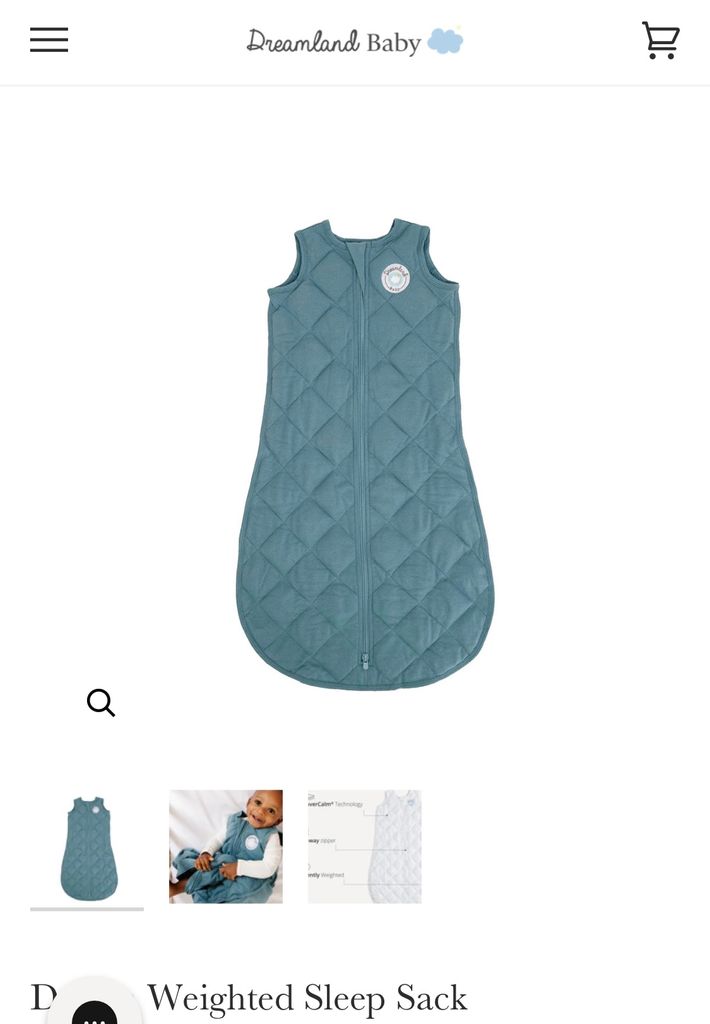
Dreamland sleep sacks typically feature a one-way zipper, which some parents find less convenient. However, their sacks are known for their unique weighted design, which aims to provide a gentle, comforting pressure similar to swaddling. This feature is a major selling point for many parents, especially those transitioning from swaddling.
I personally prefer the two-way zipper on the Kyte sacks. It just feels more practical for middle-of-the-night changes, and I appreciate the added security of being able to unzip from either end. I also find the Kyte neckline offers a good balance between snugness and freedom of movement, while some parents have reported the Dreamland neckline feeling a bit restrictive.
Both brands include zipper guards, which is a non-negotiable for me. A well-placed zipper guard prevents chafing and irritation, ensuring a comfortable sleep for the baby. The quality of the zipper itself is also important—a flimsy zipper is a recipe for frustration.
Sizing & Growth: How Long Will It Last?
Both Kyte and Dreamland offer a range of sizes to accommodate babies from newborn to toddlerhood. Kyte’s sizing generally runs from 0-18 months, while Dreamland offers sizes from 0-12 months and then transitions to a larger "Toddler’ size. It’s important to check the brand’s size chart and consider your baby"s weight and height.
Many parents report that Kyte sleep sacks run true to size, but some suggest sizing up if your baby is on the larger end of the weight range. Dreamland sacks also generally run true to size, but the weighted aspect might make them feel a bit more snug.
Determining how long a sleep sack will last is tricky, as it depends on your baby’s growth rate. On average, parents seem to get about 6-9 months of use out of each size, but this can vary significantly. The Kyte sacks, with their more generous sizing, might offer a slightly longer lifespan.
Considering the cost per use, a sleep sack that lasts longer is undoubtedly a better investment. It’s also worth considering whether the sack can be used for multiple children, further maximizing its value.
- Kyte: 0-6 months (8-18 lbs), 6-18 months (18-35 lbs)
- Dreamland: 0-6 months (8-18 lbs), 6-12 months (18-28 lbs), Toddler (28+ lbs)
Featured Products

Made from soft, breathable rayon derived from bamboo · Features a dual zipper for easy diaper changes and dressing · 1.0 TOG rating suitable for various room temperatures
Kyte Baby sleep sacks are popular choices for parents seeking comfortable and effective sleep solutions for their little ones, directly addressing the comparison in the article.

Crafted from gentle, temperature-regulating rayon made from bamboo · 0.5 TOG rating ideal for warmer nursery environments · Designed for comfort and ease of use for babies and toddlers
Kyte Baby sleep sacks are popular choices for parents seeking comfortable and effective sleep solutions for their little ones, directly addressing the comparison in the article.
Made from soft, breathable rayon derived from bamboo · Features a dual zipper for easy diaper changes and dressing · 1.0 TOG rating suitable for various room temperatures
Kyte Baby sleep sacks are popular choices for parents seeking comfortable and effective sleep solutions for their little ones, directly addressing the comparison in the article.

Constructed from premium bamboo viscose for a supersoft feel · Long-sleeve design provides added warmth and security · 1.0 TOG rating suitable for standard nursery temperatures
These sleep sacks offer a soft and cozy option for babies, made with sustainable bamboo viscose.
As an Amazon Associate I earn from qualifying purchases. Prices may vary.
Price & Value: Is the Cost Justified?
Kyte baby sleep sacks typically range from $35 to $50, depending on the size and TOG rating. Dreamland sleep sacks are generally more expensive, ranging from $70 to $90, particularly the weighted versions. This price difference is a significant factor for many parents.
The higher price of Dreamland reflects the added cost of the weighted design and organic cotton. However, the question is whether these features are worth the extra expense. If your baby thrives on the comforting pressure of a weighted sack, the investment might be justified.
Kyte offers excellent value for the price. The bamboo fabric is incredibly soft and breathable, and the two-way zipper adds a level of convenience that many parents appreciate. While it doesn’t have the weighted feature, it’s a well-designed and durable product.
I’ll be frank: the price of Dreamland feels steep. While the weighted feature is innovative, it’s not a necessity for all babies. For parents on a budget, the Kyte sleep sack offers a comparable level of quality and comfort at a more reasonable price point.
Parent Reviews: What Are People Saying?
Parent reviews are a goldmine of information, offering real-world insights into the pros and cons of each sleep sack. Across various platforms, Kyte consistently receives high marks for its softness, breathability, and overall quality. Parents rave about the bamboo fabric and how gentle it is on their baby’s skin.
Dreamland reviews are more mixed. While many parents swear by the weighted design and its ability to promote longer stretches of sleep, others report that their babies didn’t respond well to the weight. Some parents also mention issues with the zipper getting stuck or the sack shrinking after washing.
A recurring complaint about Dreamland is the price. Many parents feel that it’s too expensive, especially considering the potential for sizing issues. Kyte, on the other hand, rarely receives complaints about price, with most parents agreeing that it’s a good value for the money.
I noticed a pattern in complaints regarding Dreamland’s sizing. Several parents mentioned needing to size up, even when their baby fell within the recommended weight range. This inconsistency can be frustrating and lead to unnecessary returns.
Kyte vs Dreamland: The Verdict
Ultimately, the 'best' sleep sack is the one that works best for your baby. However, based on a comprehensive comparison of materials, design, price, and parent reviews, I lean towards recommending Kyte for most parents.
Kyte offers a fantastic combination of softness, breathability, convenience, and affordability. The bamboo fabric is gentle on sensitive skin, the two-way zipper is a lifesaver, and the price point is reasonable. For parents seeking a reliable and comfortable sleep sack without breaking the bank, Kyte is an excellent choice.
Dreamland’s weighted design might be a good option for babies who benefit from swaddling and struggle with self-soothing. However, the higher price and potential sizing issues make it a less appealing option for many. If you're willing to invest and your baby responds well to weighted items, it could be worth a try – but be prepared to potentially return it if it doesn't work out. If I were choosing for my own baby, I would start with Kyte.
No comments yet. Be the first to share your thoughts!