
The Rise of ‘Smart’ Sleep Sacks
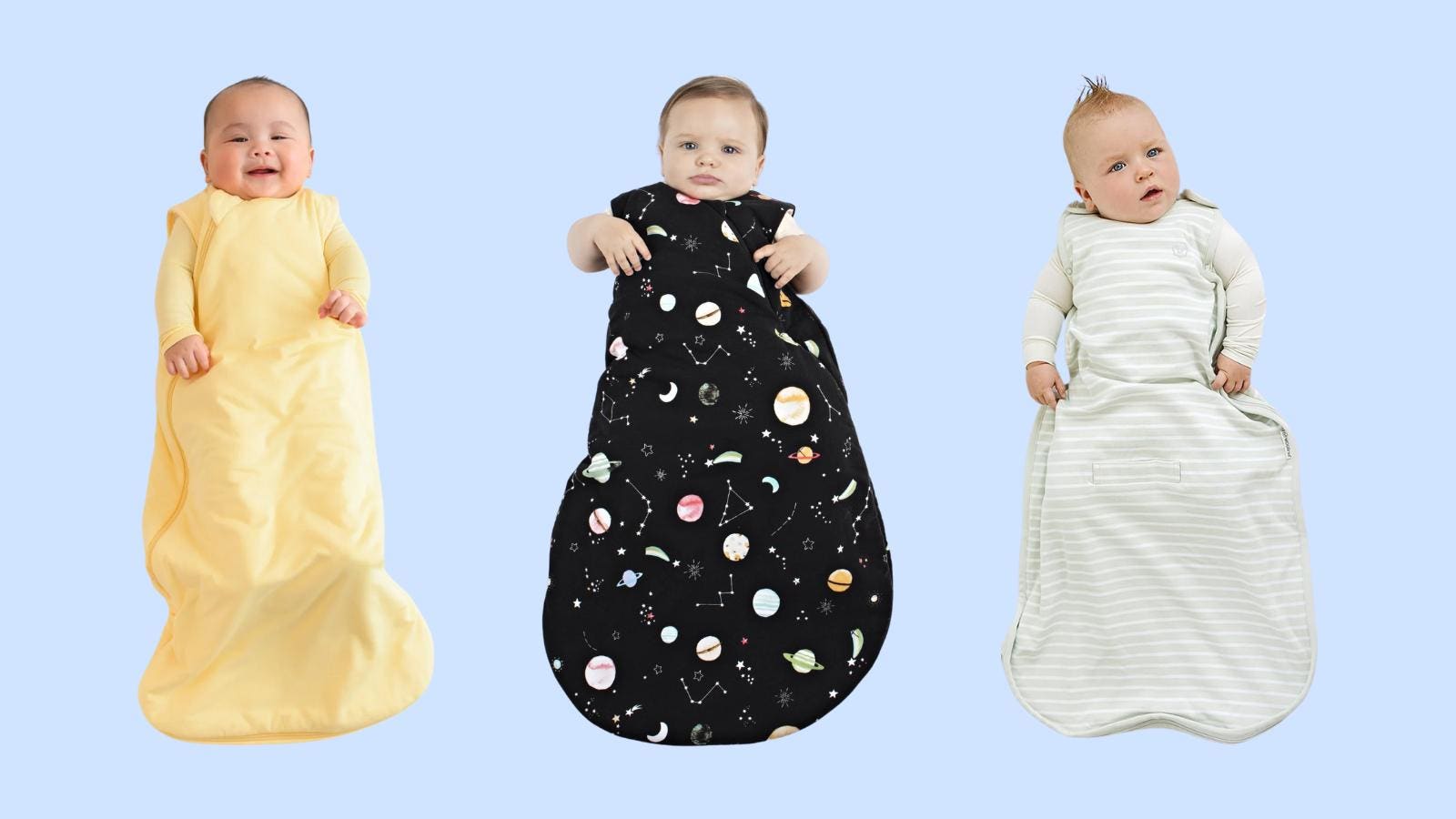
We spend half our lives as new parents checking the back of a baby's neck to see if they're sweating or freezing. It's a constant, low-level anxiety that tech companies are now trying to solve with 'smart' sleep sacks. These go beyond the standard cotton wearable blankets we've used for years.
These innovative sleep sacks use sensors and AI to actively regulate a baby’s temperature, attempting to create an optimal sleep environment. The history of baby sleepwear is a fascinating one, evolving from restrictive swaddling to the looser, more comfortable sleep sacks we know today. The demand for tech-enabled baby products has been steadily increasing, and sleep is a natural area for that innovation to focus on.
For a long time, sleep sacks were primarily about providing warmth and a sense of security. Now, the focus is shifting towards optimizing the entire sleep environment. Parents are looking for solutions that go beyond simply keeping baby warm enough, and smart sleep sacks are positioning themselves as part of that solution. It's a move towards a more data-driven approach to infant sleep.
The goal is to stop reacting—adding or stripping layers at 3 AM—and let the fabric handle the shifts. While early models are hitting the market, we need to see if the tech actually improves sleep or just adds another battery to charge. Here is how the new sensors stack up against reliable favorites like Kyte and Dreamland.
The reality of infant temperature
Understanding why temperature regulation is so important for babies starts with understanding how different they are from adults. Babies have a larger surface area to body mass ratio, meaning they lose heat more quickly. Their thermoregulatory systems aren’t fully developed, making it harder for them to maintain a stable internal temperature. This makes them particularly vulnerable to both overheating and overcooling.
Overheating is a significant concern, and the Consumer Product Safety Commission (cpsc.gov) identifies it as a risk factor for Sudden Infant Death Syndrome (SIDS). A sleep environment that’s too warm can interfere with a baby’s ability to regulate their own temperature, potentially increasing the risk. Conversely, being too cold can also disrupt sleep and cause discomfort. Finding that sweet spot is critical.
The ideal sleep temperature range for babies is generally considered to be between 68-72°F (20-22°C). Maintaining this range can be difficult, as room temperature fluctuates, and babies’ own metabolic rates vary. Disruptions to this temperature range can significantly impact sleep cycles. Babies spend a lot of time in REM sleep, and studies show that even small temperature changes can disrupt this phase, affecting cognitive development.
Deep sleep, crucial for physical restoration and growth, is also sensitive to temperature. When a baby is too warm or too cold, they may experience more frequent awakenings and spend less time in these essential sleep stages. The goal isn’t just to keep baby "comfortable’ – it"s to support their natural sleep architecture and promote healthy development.
- Ideal Sleep Temperature: 68-72°F (20-22°C)
- Overheating Risk: Linked to increased SIDS risk (cpsc.gov)
- Temperature Disruption: Impacts REM and deep sleep
Impact of Temperature on Infant Sleep and Safety
| Temperature Range | Physiological Effects | Sleep Quality | SIDS Risk |
|---|---|---|---|
| Too Cold | Increased shivering, potential for discomfort; body prioritizes warmth over restorative processes. | Fragmented sleep due to discomfort; baby may wake frequently. | Potentially increased, though not directly causative. Baby may arouse less easily from sleep, hindering protective responses. |
| Ideal (Generally 68-72°F / 20-22°C) | Stable body temperature; optimal conditions for physiological processes. | Longer, more restful sleep cycles; promotes healthy development. | Lowest risk. Comfortable temperature supports healthy arousal and breathing regulation. |
| Too Warm (Above 72°F / 22°C) | Increased sweating; potential for overheating and skin irritation. | Restless sleep; baby may appear fussy and uncomfortable. | Elevated risk. Overheating is a known risk factor for SIDS, potentially impairing arousal mechanisms. |
| Slightly Warm | Mild sweating; may not be immediately noticeable. | Potentially disrupted sleep; baby may subtly adjust positioning. | Slightly increased risk compared to ideal temperature. Consistent monitoring is important. |
| Moderately Warm | Noticeable sweating; flushed skin. | Significant sleep disturbance; increased likelihood of waking. | Increased risk. Overheating can compromise thermoregulation and arousal. |
| Overheated | Profuse sweating; rapid breathing; warm to the touch. | Severe sleep disruption; potential for distress. | Significantly increased risk. Requires immediate intervention to cool the baby down. |
Illustrative comparison based on the article research brief. Verify current pricing, limits, and product details in the official docs before relying on it.
How the sensors actually work
At the heart of a smart sleep sack is a network of sensors designed to monitor the baby’s temperature and the surrounding room conditions. These sensors typically include skin temperature sensors placed near the baby's chest or back, and room temperature sensors integrated into the sack itself. Some more advanced models also incorporate humidity sensors, recognizing that humidity levels can affect how a baby feels.
The data collected by these sensors is then fed into an AI algorithm. This algorithm analyzes the information, comparing it to pre-programmed parameters for optimal sleep temperature. The AI doesn’t just react to temperature; it learns from the data, adjusting its response based on the baby’s individual patterns and preferences. It's a bit like a self-adjusting thermostat, but for a baby.
The adjustment mechanism usually involves heating or cooling elements integrated into the fabric of the sleep sack. These elements are typically small and strategically placed to provide targeted temperature control. Safety is, of course, paramount. Reputable smart sleep sacks incorporate multiple layers of safety features, including automatic shut-off mechanisms, temperature limits, and fail-safe systems to prevent overheating or malfunction.
The tech has limits. These sacks won't turn a drafty 60-degree room into a tropical nursery. They are designed for fine-tuning—smoothing out the small temperature spikes that cause a baby to stir. The AI is still learning, so don't expect it to perfectly predict a fever or a sudden room change just yet.
Step-by-step guide to how a smart sleep sack works:
1. Sensor Data Collection: Sensors continuously monitor the baby’s skin temperature and the room temperature.
2. AI Analysis: The collected data is analyzed by an AI algorithm.
3. Temperature Adjustment: Based on the analysis, the sack activates heating or cooling elements.
4. Continuous Monitoring: The process repeats, constantly adjusting to maintain the optimal temperature.
The heavy hitters: Kyte and Dreamland
While smart sleep sacks are the new kids on the block, Kyte and Dreamland have established themselves as dominant forces in the traditional sleep sack market. Both brands are known for their high-quality materials, comfortable designs, and commitment to safety. But they cater to slightly different preferences.
Kyte baby sleep sacks are celebrated for their incredibly soft bamboo rayon fabric. It’s exceptionally gentle on a baby’s sensitive skin and boasts excellent breathability, making it a popular choice for warmer climates. They offer a range of TOG ratings (from 0.5 to 2.2 TOG) to accommodate different temperatures, and their sizing typically runs large, allowing for growth. Parents consistently praise the ease of use and the luxurious feel of the fabric.
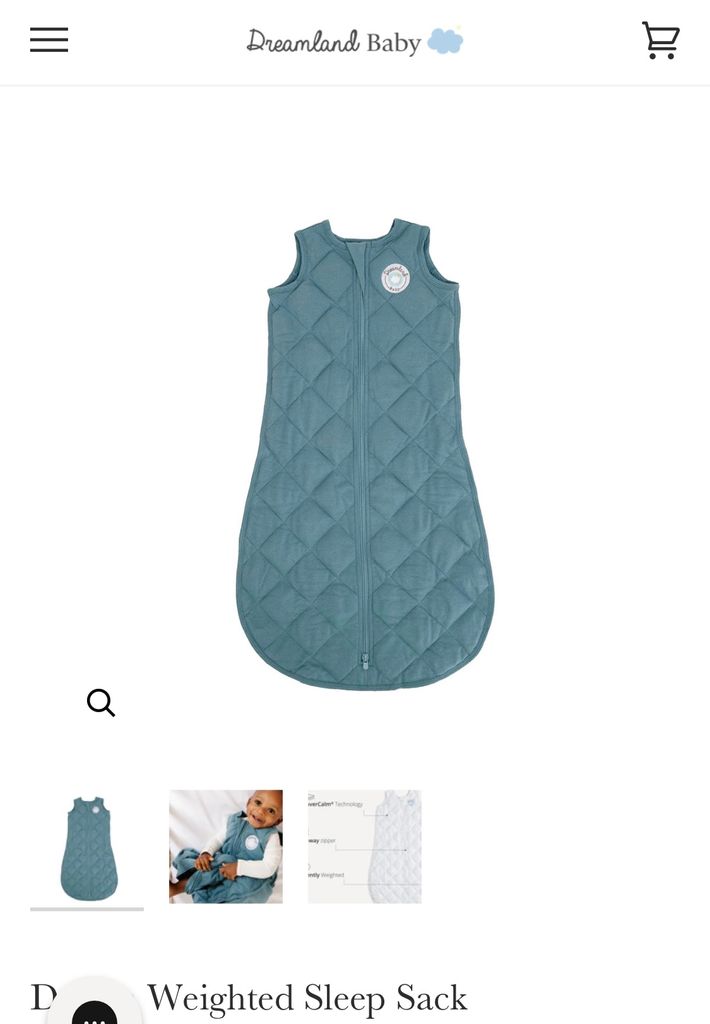
Dreamland baby sleep sacks, on the other hand, are known for their weighted design. These sacks use gentle, evenly distributed weight to mimic the feeling of being held, which can be incredibly soothing for babies who struggle with sleep. They are made from organic cotton and come in various TOG ratings. Dreamland sacks are particularly popular for babies who startle easily or have difficulty settling down.
Both brands offer a variety of designs and sizes, and are widely available online and in baby stores. A common complaint about Kyte sacks is that the bamboo rayon can pill over time with frequent washing. Dreamland sacks, while effective, can be more expensive than traditional non-weighted sleep sacks. Ultimately, the best choice depends on your baby’s individual needs and your personal preferences. They represent a proven, reliable approach to safe and comfortable sleep.
- Kyte uses bamboo rayon that feels like silk and breathes well in hot climates.
- Dreamland uses a weighted chest panel to help startle-prone babies stay settled.
Featured Products

Made from ultra-soft, breathable rayon derived from bamboo · 1.0 TOG rating suitable for average room temperatures · Designed for ease of movement and comfort
A popular choice for its soft bamboo fabric and comfortable design, offering reliable warmth for standard room conditions.

Crafted from premium bamboo viscose for a soft feel · 1.0 TOG rating for optimal temperature regulation · Features a convenient 2-way zipper for easy diaper changes
This sleep sack combines premium bamboo viscose with a practical 2-way zipper, providing a soft and functional option for your baby's sleep.

Combines a sound machine, customizable night light, and time-to-rise alarm · Offers a library of white noise, nursery rhymes, and stories · Wi-Fi enabled for control via a smartphone app
This versatile device supports sleep routines with customizable sounds and lighting, acting as a smart hub for nursery ambiance.

High-definition 1080p video monitoring with clear night vision · Real-time sound and motion notifications, including cry detection · Two-way audio for communication with your baby
Provides comprehensive video and audio monitoring with smart alerts, allowing parents to stay connected and informed about their baby's environment.

HD video camera with night vision and two-way audio · Wearable sock tracks key health indicators: oxygen saturation and heart rate · Provides insights into baby's sleep patterns and quality
This bundle offers advanced monitoring by combining HD video with a wearable sensor that tracks vital signs and sleep data for comprehensive peace of mind.
As an Amazon Associate I earn from qualifying purchases. Prices may vary.
Smart Sack Showdown: 2026 Predictions
Looking ahead to 2026, the smart sleep sack market is poised for significant growth and innovation. One of the biggest hurdles currently is price. Early models are expensive, putting them out of reach for many families. By 2026, we can expect to see prices come down as manufacturing processes become more efficient and competition increases.
Integration with other smart home devices is also likely to become more common. Imagine a smart sleep sack that automatically adjusts the room temperature based on the baby’s needs, or communicates with a smart monitor to track sleep patterns. AI algorithms will undoubtedly become more sophisticated, learning to personalize temperature control with greater accuracy and responsiveness.
We might also see the introduction of new features, such as sleep tracking capabilities (monitoring movement and breathing), white noise integration, and even automated rocking motions. However, these advancements will need to be carefully balanced with safety concerns. Data privacy and security will become increasingly important, as smart sleep sacks collect sensitive information about babies.
One potential roadblock to wider adoption is consumer trust. Parents will need to be convinced that these devices are safe, reliable, and genuinely beneficial. Clear and transparent data on the effectiveness of smart sleep sacks will be crucial in building that trust. The biggest advancements will likely center on refining the AI to truly understand and respond to each baby’s unique needs.
- Price Reduction: Increased competition and efficient manufacturing.
- Smart Home Integration: Communication with monitors and thermostats.
- Advanced AI: Personalized temperature control and sleep tracking.
- Data Privacy: Growing concern and need for transparency.
Safety First: What to Watch For
Safety is paramount when it comes to baby sleep, regardless of whether you’re using a traditional or smart sleep sack. Always follow the manufacturer’s instructions carefully. Ensure the sleep sack is the appropriate size for your baby – not too loose, not too tight. Avoid sleep sacks with loose parts or drawstrings, which could pose a choking hazard.
The Consumer Product Safety Commission (cpsc.gov) provides valuable guidelines on safe sleep practices. These include placing babies on their backs to sleep, using a firm sleep surface, and keeping the sleep environment free of loose bedding and toys. These guidelines apply to sleep sacks as well. With smart sleep sacks, be mindful of potential safety concerns related to the electronic components.
Some parents have expressed concerns about electromagnetic fields (EMF) emitted by smart sleep sacks. While the levels of EMF are generally considered to be low, it’s important to be aware of this potential risk. Look for sleep sacks that have been tested and certified to meet safety standards. Regularly inspect the sack for any signs of damage or malfunction.
Here's a quick safety checklist:
1. Size: Ensure a snug, but not tight, fit.
2. Material: Choose breathable, non-toxic fabrics.
3. Components: Check for loose parts or drawstrings.
4. Instructions: Follow manufacturer’s guidelines.
5. Inspection: Regularly check for damage or malfunction.
No comments yet. Be the first to share your thoughts!