
Kyte vs Dreamland: First Impressions
When parents start researching baby sleep sacks, two names consistently rise to the top: Kyte Baby and Dreamland Baby. Both brands have cultivated a devoted following, but they approach sleepwear with distinct philosophies. Kyte feels modern and minimalist, often showcasing stylish prints and a focus on exceptionally soft fabrics. Their aesthetic appeals to parents who appreciate a clean, contemporary look and prioritize comfort above all else.
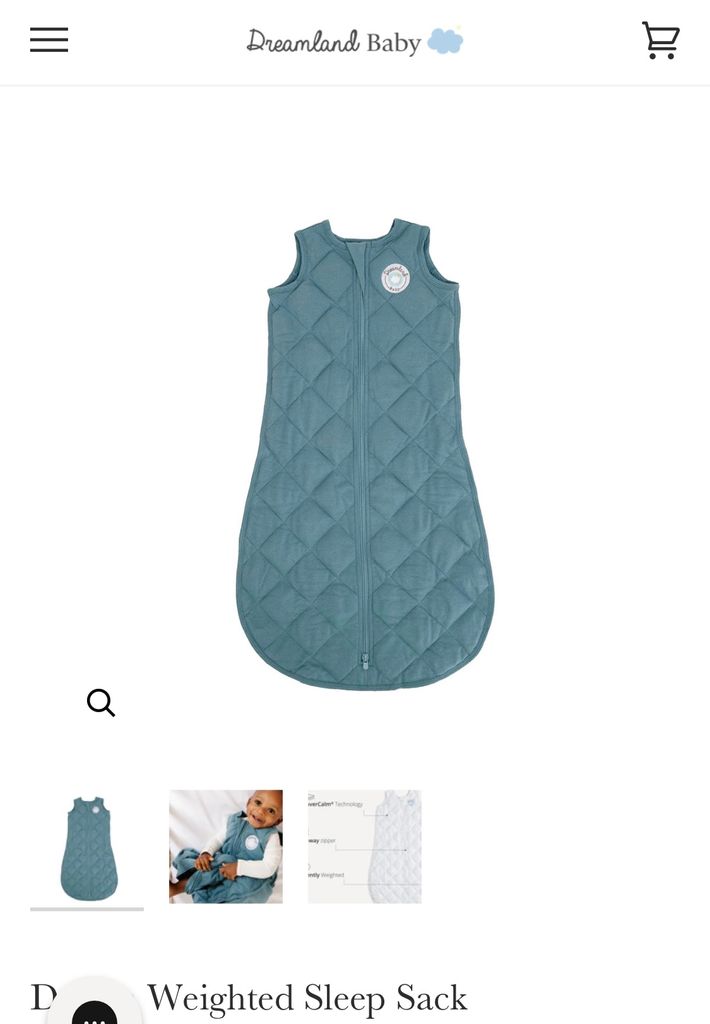
Dreamland Baby, on the other hand, projects a more classic and comforting vibe. They emphasize a weighted design intended to promote better sleep through gentle pressure, and their marketing often highlights the science behind their approach. This feels geared towards parents actively seeking solutions for sleep challenges, particularly those interested in practices like swaddling but needing a transition option.
At their core, both brands aim to improve baby sleep, but they go about it differently. Kyte leans into the luxurious feel of bamboo viscose, while Dreamland focuses on the calming effect of gentle weight. Kyte seems to attract parents who want a premium, comfortable sleep sack from the start, while Dreamland often draws in those who've tried other methods and are looking for something more targeted. The type of parent each brand attracts often depends on their overall approach to baby products – prioritizing trend and feel versus a solution-oriented focus.
Material Breakdown: Bamboo vs. Cotton
The most significant difference between Kyte and Dreamland sleep sacks lies in their materials. Kyte Baby is renowned for its use of bamboo viscose, a fabric praised for its exceptional softness and breathability. Bamboo is naturally temperature-regulating, meaning it can help keep babies cool in the summer and warm in the winter. It also boasts moisture-wicking properties, which can be beneficial for preventing overheating. Kyte’s bamboo fabric feels incredibly smooth against the skin, a detail many parents rave about.
Dreamland Baby, conversely, utilizes cotton – specifically, 100% organic cotton. Organic cotton is grown without the use of harmful pesticides or synthetic fertilizers, making it a more environmentally friendly and skin-friendly option. While cotton isn’t quite as silky-soft as bamboo viscose, it’s still very comfortable and breathable. The type of cotton matters, and Dreamland's choice of organic cotton is a definite plus for parents concerned about chemicals.
However, the production of bamboo viscose isn't without its drawbacks. The process often involves chemical solvents to break down the bamboo into a usable fiber. While these chemicals are generally removed during manufacturing, there’s still debate about the environmental impact of this process. It’s a valid concern for eco-conscious parents to consider. The manufacturing process for organic cotton also has an environmental impact, but it's generally considered less harsh than bamboo viscose processing.
In terms of washability, both materials hold up well. Bamboo is known to become even softer with each wash, but it can also be more prone to wrinkling. Organic cotton tends to maintain its shape better and is generally more durable over time. For longevity, organic cotton might have a slight edge, but with proper care, both materials can withstand frequent washing. Durability is a key factor, as these sacks will be used nightly for months.
Design and Features: Zippers, TOG Ratings, and More
Both Kyte and Dreamland prioritize ease of use in their designs, but they approach it slightly differently. Kyte sleep sacks feature a two-way zipper that runs from the top down, allowing for easy diaper changes. The zipper has a fabric flap at the top to prevent chin irritation, a thoughtful detail. Dreamland’s zipper also runs from top to bottom but includes an additional velcro closure at the top for added security. This can be helpful for preventing escape artists.
TOG ratings are crucial for selecting the right sleep sack for the temperature. TOG stands for Thermal Overall Grade and indicates the level of warmth a sleep sack provides. Kyte Baby offers sleep sacks in various TOG ratings, typically 0.5, 1.0, and 2.5 TOG. This allows parents to choose a sack appropriate for a wide range of temperatures. Dreamland Baby also offers different weights, with their signature weighted sacks available in 0.1, 0.5, and 1.0 TOG. The weighted aspect is their key differentiator.
Dreamland’s weighted sacks have gently distributed weight throughout the chest area, designed to mimic the feeling of a comforting hug. This weight is intended to promote calmness and improve sleep quality. Kyte offers armhole options, allowing you to choose between sleeveless or long-sleeved sacks, providing flexibility depending on the climate and your baby's preference. Shoulder snaps are found on both brands, allowing for adjustable sizing and a more secure fit.
- Kyte Baby: Two-way zipper with fabric flap, various TOG ratings (0.5, 1.0, 2.5), armhole options (sleeveless/long-sleeved), shoulder snaps.
- Dreamland Baby: Two-way zipper with velcro closure, weighted design, different weights (0.1, 0.5, 1.0 TOG), shoulder snaps.
Kyte vs. Dreamland Baby Sleep Sacks: A Comparison
| Kyte | Dreamland | Notes |
|---|---|---|
| Zipper Quality | Generally smooth and reliable | Known for a very robust, double zipper system. |
| TOG Range | 0.5 - 1.0 TOG | 1.0 - 2.5 TOG |
| Armhole Options | Standard armholes | Standard, Puffy, and Weighted options |
| Shoulder Snaps | Adjustable shoulder snaps | No shoulder snaps |
| Sack Length Options | Multiple lengths available | Multiple lengths available |
| Ease of Diaper Changes | Two-way zipper facilitates easy access | Two-way zipper facilitates easy access |
| Overall Design Aesthetic | Minimalist, modern, wide range of prints | Classic, quilted design |
Illustrative comparison based on the article research brief. Verify current pricing, limits, and product details in the official docs before relying on it.
Sizing and Fit: Finding the Right Sack
Proper sizing is essential for both safety and comfort. Kyte Baby’s sizing chart is based on weight and height, with sizes ranging from 0-6 months to 18-24 months. Dreamland Baby also uses a weight and height-based sizing chart, with similar size ranges. It's important to consult each brand's specific chart, as there can be slight variations. I've found Kyte's sizing to run a bit generous, while Dreamland's tends to be more accurate to size.
When in doubt, it's generally better to size up rather than down. A sack that's too small can restrict movement and be uncomfortable, while a slightly larger sack is less likely to pose a safety risk. However, avoid a sack that's excessively large, as it could slip over your baby's face. If your baby is between sizes, consider their weight first, then their height.
Pay attention to the sack length, ensuring it doesn't extend beyond your baby's chest. This is particularly important for younger babies who may not yet be able to roll over. A properly fitted sack should allow for free leg movement while keeping the baby securely swaddled or contained. Customer reviews often mention sizing discrepancies, so it's worth checking multiple sources before making a decision.
Washability and Durability: Long-Term Use
Both Kyte and Dreamland sleep sacks are machine washable, which is a huge plus for busy parents. Kyte recommends washing their bamboo sleep sacks on a gentle cycle with cold water and tumble drying on low. Bamboo can be prone to shrinking if washed in hot water or dried on high heat. Dreamland’s organic cotton sacks can also be machine washed on a gentle cycle and tumble dried on low.
Customer feedback suggests that Kyte’s bamboo fabric can experience some pilling over time, especially with frequent washing. However, many parents report that the softness of the fabric outweighs this minor drawback. Dreamland’s cotton sacks generally hold up well to repeated washing, with minimal pilling or fading.
Many reviewers praise both brands for their durability, noting that the seams are well-constructed and the zippers hold up well. However, some customers have reported issues with the zipper tabs breaking on both Kyte and Dreamland sacks. Regular washing and proper care, following the manufacturer’s instructions, will maximize the lifespan of either sack. It's also a good idea to wash sleep sacks before first use to pre-shrink the fabric.
- Kyte Baby: Gentle cycle, cold water, tumble dry low. May experience some pilling.
- Dreamland Baby: Gentle cycle, tumble dry low. Generally holds up well to washing.
Featured Products
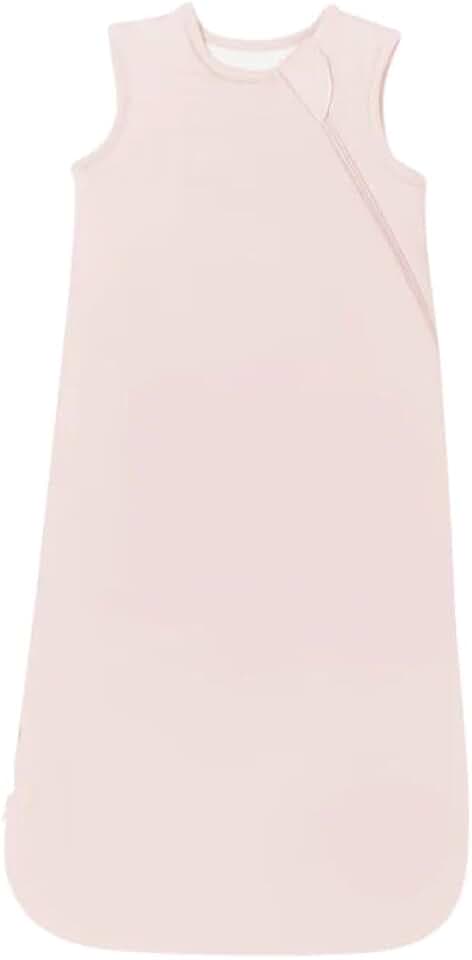
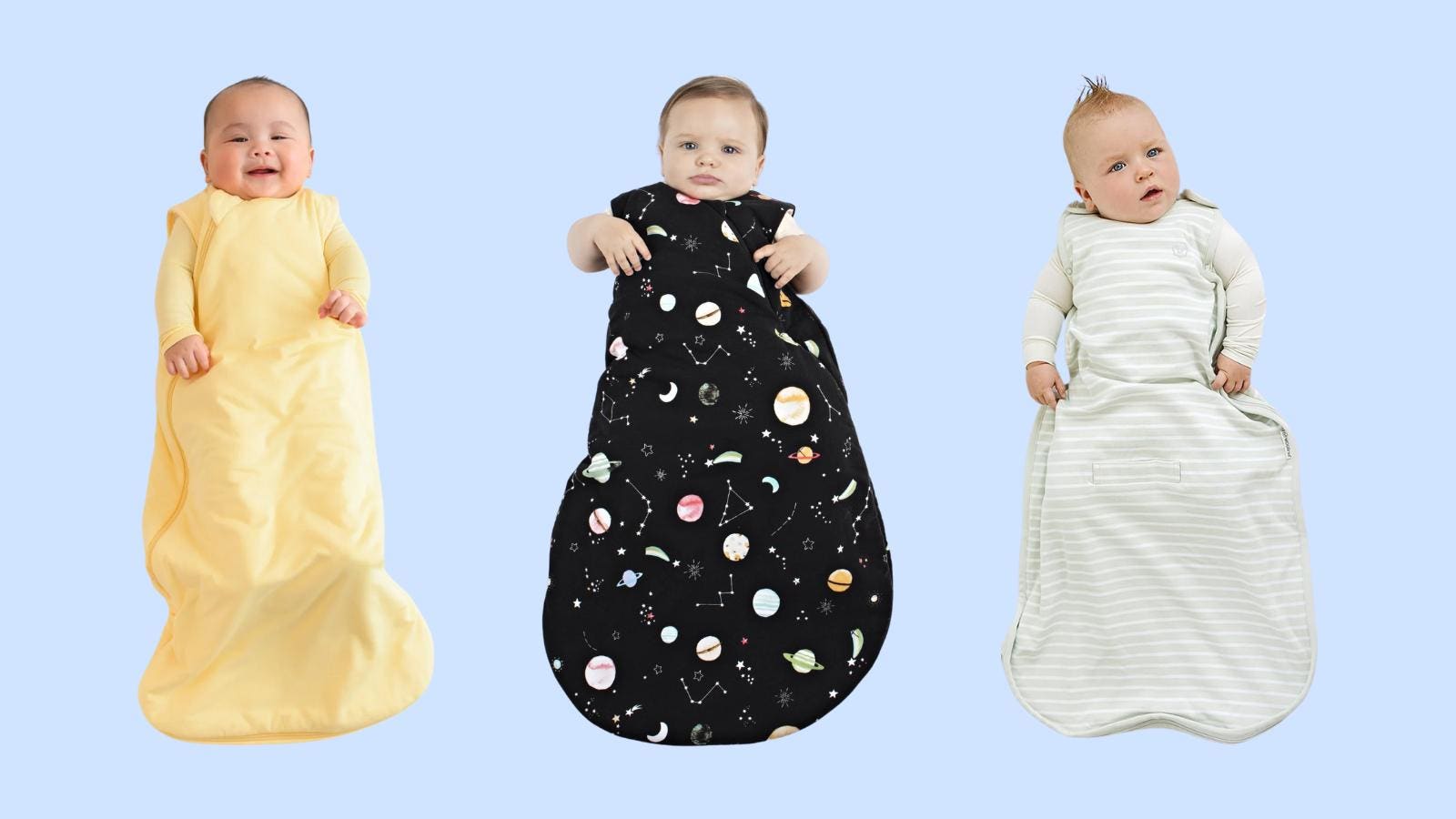
Made from ultra-soft, breathable rayon from bamboo fabric. · Features a 1.0 TOG rating, suitable for room temperatures between 68-72°F (20-22°C). · Designed with a sleeveless silhouette to prevent overheating and allow for layering.
These Kyte Baby sleep sacks are highly-rated options that offer comfort and security, directly addressing the needs of parents seeking better sleep solutions for their babies.
Made from ultra-soft, breathable rayon from bamboo fabric. · Features a 1.0 TOG rating, suitable for room temperatures between 68-72°F (20-22°C). · Designed with a sleeveless silhouette to prevent overheating and allow for layering.
These Kyte Baby sleep sacks are highly-rated options that offer comfort and security, directly addressing the needs of parents seeking better sleep solutions for their babies.

Made from ultra-soft, breathable rayon from bamboo fabric. · Features a 1.0 TOG rating, suitable for room temperatures between 68-72°F (20-22°C). · Designed with a sleeveless silhouette to prevent overheating and allow for layering.
These Kyte Baby sleep sacks are highly-rated options that offer comfort and security, directly addressing the needs of parents seeking better sleep solutions for their babies.
Made from ultra-soft, breathable rayon from bamboo fabric. · Features a 1.0 TOG rating, suitable for room temperatures between 68-72°F (20-22°C). · Designed with a sleeveless silhouette to prevent overheating and allow for layering.
These Kyte Baby sleep sacks are highly-rated options that offer comfort and security, directly addressing the needs of parents seeking better sleep solutions for their babies.
Made from ultra-soft, breathable rayon from bamboo fabric. · Features a 1.0 TOG rating, suitable for room temperatures between 68-72°F (20-22°C). · Designed with a sleeveless silhouette to prevent overheating and allow for layering.
These Kyte Baby sleep sacks are highly-rated options that offer comfort and security, directly addressing the needs of parents seeking better sleep solutions for their babies.
As an Amazon Associate I earn from qualifying purchases. Prices may vary.
Price Comparison: What You're Paying For
Kyte Baby sleep sacks typically range from $35 to $55, depending on the size and TOG rating. Dreamland Baby sleep sacks are generally more expensive, ranging from $60 to $80, reflecting the inclusion of the weighted feature. It’s important to note that prices can fluctuate based on sales and promotions.
When comparing prices, consider the features you're getting. Dreamland's weighted design adds to the cost, but it may be worth it for parents seeking a solution for sleep challenges. Kyte's lower price point makes it a more accessible option for those prioritizing comfort and softness. Shipping costs and return policies should also be factored into the overall cost. Kyte offers free shipping on orders over $85, while Dreamland’s shipping costs vary depending on location.
Both brands occasionally run sales and offer discounts, especially during holidays or special events. It’s worth signing up for their email lists to stay informed about promotions. Ultimately, the value proposition depends on your individual needs and budget. Both are investments in baby sleep, but at different price points.
Customer Reviews: What Parents Are Saying
Customer reviews for Kyte Baby sleep sacks overwhelmingly praise the softness and comfort of the bamboo fabric. Many parents report that their babies sleep longer and more soundly in Kyte sacks. However, some reviewers mention the potential for pilling and the occasional zipper issue. One reviewer on Amazon stated, 'This sleep sack is unbelievably soft! My baby loves it and sleeps through the night.'
Dreamland Baby sleep sacks receive positive reviews for their weighted design, with many parents reporting improved sleep quality and reduced night wakings. Some reviewers note that the weight takes some getting used to for their babies, and a few have experienced issues with the velcro closure losing its stickiness over time. A parent on a parenting forum shared, 'The weighted sack really helped my little one transition out of swaddling. It's been a game-changer!'
A common theme across both brands is the positive impact on sleep. Parents appreciate the convenience and safety of sleep sacks compared to loose blankets. However, some reviewers caution about sizing, recommending to size up if your baby is on the larger side. Overall, both Kyte and Dreamland have a strong reputation for quality and effectiveness, but the best choice depends on your specific needs and preferences.
Safety Considerations: A Final Check
Both Kyte and Dreamland Baby sleep sacks are designed with safety in mind. They meet the safety standards for infant sleepwear established by the Consumer Product Safety Commission (CPSC). Both brands utilize non-toxic dyes and materials. Dreamland’s weighted sacks are designed with a gentle, evenly distributed weight that is considered safe for babies, but it's always a good idea to consult with your pediatrician before using a weighted sleep sack.
Safe sleep practices are crucial, regardless of the sleep sack you choose. Always place your baby on their back to sleep, and avoid using loose blankets or pillows in the crib. Ensure the sleep sack is the appropriate size and doesn't restrict your baby's movement. Regularly check the sleep sack for any signs of damage or wear and tear.
It’s important to remember that sleep sacks are just one component of a safe sleep environment. Creating a consistent bedtime routine, maintaining a comfortable room temperature, and addressing any underlying sleep issues are also essential. This article provides general information and should not be considered a substitute for professional medical advice. Always consult with your pediatrician for personalized guidance on your baby's sleep.
No comments yet. Be the first to share your thoughts!