


Start with baby sleep issues
Use this section to make the Why Your Baby Won't Sleep in the Bassinet or Crib decision easier to compare in real life, not just on paper. Start with the reader's actual constraint, then separate must-have requirements from details that are merely nice to have. A practical choice should survive normal use, maintenance, timing, and budget. If a recommendation only works in an ideal situation, call that out plainly and give the reader a fallback path.
The simplest way to use this section is to write down the must-have criteria first, then compare each option against those criteria before weighing nice-to-have features.
5 Expert-Backed Sleep Solutions & Top Sleep Sack Reviews
Babies often resist cribs due to developmental leaps, temperature discomfort, or an inability to self-soothe. We tested five expert-backed strategies alongside top-rated sleep sacks to help you identify the right fix for your infant's specific sleep resistance.
1. Weighted Sleep Sack for Deep Pressure Relief
Deep pressure stimulation mimics a gentle hug, calming the nervous system and reducing startle reflexes that wake infants. This weighted design provides consistent, safe pressure across the torso, helping babies feel secure and settled without the anxiety of loose blankets. It is ideal for restless sleepers who need that extra sensory cue to stay asleep longer.

2. Microfiber Sleep Sack for Temperature Regulation
Overheating is a silent sleep disruptor. This microfiber option offers superior breathability, wicking moisture away from the skin to maintain an optimal body temperature throughout the night. Parents appreciate the soft, cloud-like texture that feels luxurious against sensitive baby skin, ensuring comfort without the risk of overheating during warmer months or heated rooms.
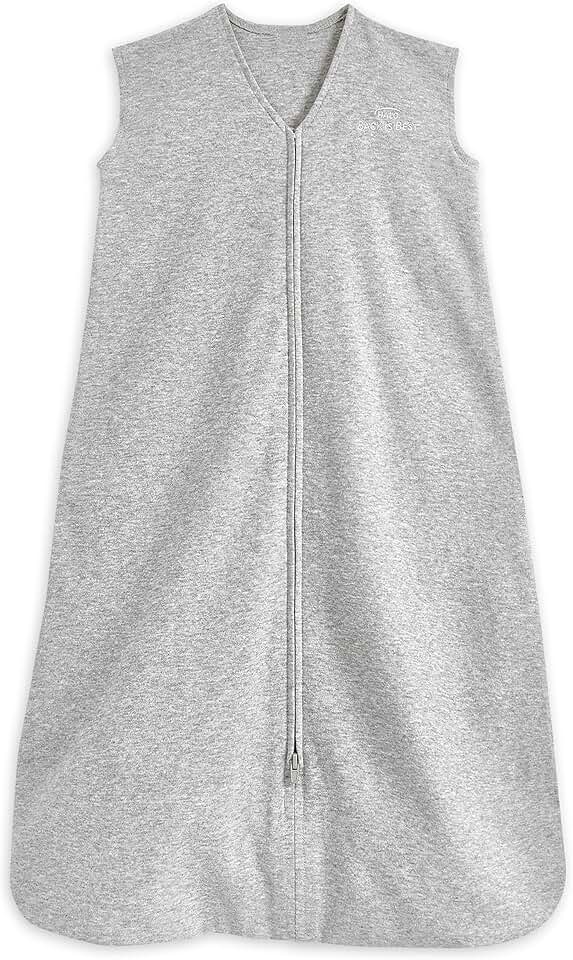
3. Zipper-Entry Sleep Sack for Midnight Changes
Midnight diaper changes become significantly faster with full-length zipper designs. This feature allows parents to unzip the bottom half without fully waking the baby, minimizing light exposure and disruption to their sleep cycle. The secure zipper guard prevents pinching, while the two-way zipper mechanism offers flexibility for quick access when necessary.

4. Muslin Cotton Sleep Sack for Breathability
Natural muslin cotton is prized for its increasing softness with every wash and exceptional airflow. This material is perfect for babies who tend to run warm or live in humid climates. The loose weave promotes ventilation, reducing sweat buildup and irritation, while the durable fabric withstands frequent laundering without losing its shape or texture.

5. TOG-Rated Sleep Sack for Seasonal Adaptability
Different seasons demand different thermal ratings to ensure safe, comfortable sleep. This collection offers varied TOG ratings, allowing parents to switch from lightweight options in summer to warmer, insulated versions in winter. By matching the TOG level to the room temperature, you create a consistent sleep environment that adapts to changing weather conditions.
Pick the right fit
Choosing between a bassinet and a crib isn’t just about nursery aesthetics; it’s about matching your baby’s current developmental stage to a safe sleep environment. Think of this decision as selecting the right tool for the job: a bassinet is a temporary, portable cradle for early infancy, while a crib is a long-term stationary bed. Picking the wrong one can lead to frustration for both you and your baby, especially when they are already struggling to settle.
Start by checking the weight and size limits. Most bassinets support infants up to 15 pounds or until they can roll over, whichever comes first. Once your baby hits these milestones, they have outgrown the bassinet’s confinement and need the open space of a crib. The American Academy of Pediatrics recommends a firm, flat sleep surface with no loose bedding, which both options provide, but the transition timing is critical for safety and comfort.
Consider your living space and mobility needs. If you sleep in a small bedroom or want to keep your baby close during the first few months, a bassinet’s portability allows you to move it from room to room. However, if space is tight or you prefer a permanent setup, a mini-crib or full-size crib might be more practical from day one. There is no need to buy both unless you have the room and budget; many parents transition directly to a crib with a bassinet insert or a co-sleeper attachment.


As an Amazon Associate, we may earn from qualifying purchases.
Use this checklist to finalize your choice:
- Weight Limit: Verify the current weight limit matches your baby’s growth trajectory.
- Mobility Needs: Decide if you need to move the sleep space between rooms.
- Space Constraints: Measure your nursery to ensure the chosen item fits comfortably.
- Transition Plan: Determine if you will use the bassinet until rolling begins or switch earlier.
Frequently asked questions about baby sleep problems
What are signs of baby sleep problems?
According to Children’s Hospital of Philadelphia, signs include waking and crying one or more times after previously sleeping through the night, or crying when you try to settle them. Persistent night waking and difficulty falling asleep independently are key indicators that something is disrupting their rest.
My 1-year-old isn't sleeping through the night. What could be causing this?
Around six months, babies develop "object permanence," meaning they realize you exist even when they can’t see you. This often triggers separation anxiety, making it hard for them to settle alone. Developmental leaps, teething, or a disrupted schedule can also cause sudden regression in a one-year-old.
What are some common sleep disorders in children?
Behavioral insomnia is the most common issue, involving bedtime resistance and night waking. Other conditions include sleep apnea, which causes breathing interruptions, and restless legs syndrome. If your child snores loudly or gasps for air, consult a pediatrician to rule out medical causes.
Why is my baby suddenly struggling to sleep?
Sudden changes often signal a growth spurt, illness, or a new developmental milestone. However, persistent disturbances can sometimes indicate underlying medical issues like reflux or allergies. If sleep problems continue despite consistent routines, it’s worth checking for physical discomfort or environmental factors.
No comments yet. Be the first to share your thoughts!