

40 Proven Sleep Solutions
These 40 solutions are curated from pediatric sleep experts and official safety guidelines to ensure every method prioritizes your infant’s well-being. Each entry offers a concrete, actionable step designed to calm your baby quickly while adhering to strict safety standards.
-
White noise machine at fifty decibels
Position a white noise generator near the crib, calibrated to approximately fifty decibels. This volume mimics the womb’s auditory environment, effectively masking sudden household sounds that might startle a sleeping infant. Ensure the device is placed at least six feet away from the baby’s head to comply with American Academy of Pediatrics safety guidelines, preventing potential hearing damage while maintaining a consistent, soothing auditory backdrop for deeper rest. -
Swaddling with safe hip-healthy technique
Utilize a breathable swaddle blanket that allows for natural hip movement, preventing developmental dysplasia. Wrap the infant snugly around the arms and torso, leaving ample room for the legs to bend upward and outward. This position triggers the Moro reflex’s calming effect without restricting circulation. Always discontinue swaddling once the baby shows signs of rolling over, transitioning to a sleep sack to maintain safety standards. -

Dimming lights thirty minutes before bed
Reduce ambient lighting intensity thirty minutes prior to the intended sleep time to signal melatonin production. Lowering light levels helps regulate the infant’s circadian rhythm, preparing their body for rest. Use dimmer switches or low-lumen nightlights to create a calm atmosphere. This visual cue reinforces the transition from wakefulness to sleep, helping the baby associate darkness with bedtime. Consistency in this routine strengthens long-term sleep associations. -
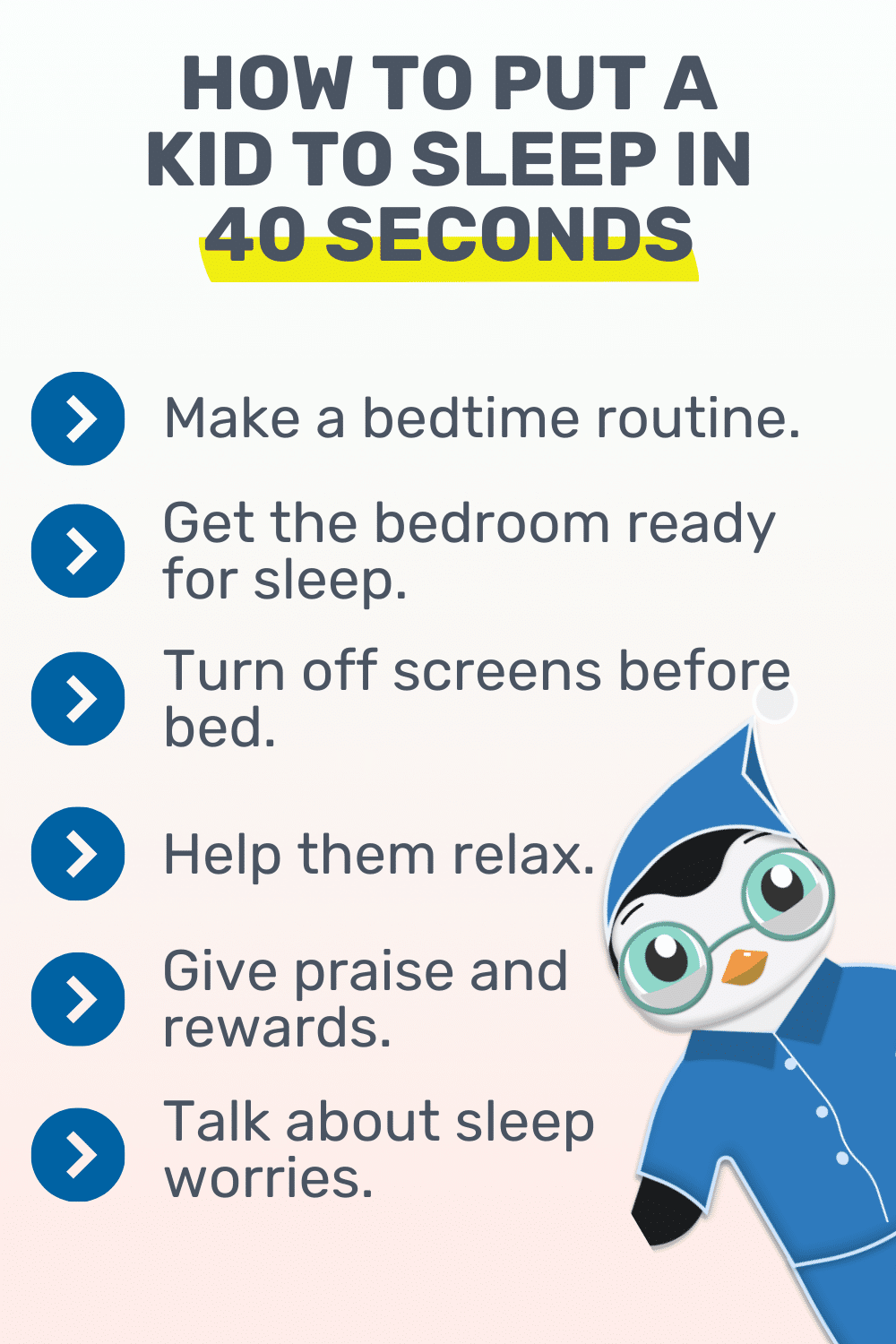
Consistent bedtime routine starting with bath
Establish a predictable sequence beginning with a warm bath, which helps lower body temperature slightly upon exiting, promoting drowsiness. Follow with gentle massage and pajamas. This ritual creates a psychological anchor, signaling that sleep is imminent. Keep the environment quiet and interactions calm. Repeating this exact order nightly helps the infant anticipate the next steps, reducing resistance and fostering a sense of security and routine before sleep. -

Reading the same short story nightly
Select a brief, familiar book and read it in a monotone voice each night. Repetition provides comfort and predictability, allowing the infant to anticipate the ending and drift off. Choose a story with a calm narrative arc, avoiding overly stimulating plots. This practice not only aids sleep onset but also builds early literacy skills. Ensure the book is held securely to prevent accidental drops, maintaining a safe and serene reading environment. -
Gentle back patting rhythm at sixty beats
Establish a steady, metronomic pace of approximately sixty taps per minute against the baby’s lower back. This specific frequency mimics the resting heart rate of a newborn, triggering a calming physiological response. Keep your hand flat and use light pressure, ensuring the motion is consistent rather than erratic. This rhythmic tactile stimulation helps regulate the infant’s nervous system, encouraging relaxation without overstimulation or aggressive jostling. -
Rocking chair motion synchronized with breathing
Sit in a supportive rocking chair and synchronize your gentle, rhythmic rocking with your own deep, slow breaths. The subtle, predictable movement provides vestibular comfort while your calm breathing serves as an auditory cue for relaxation. Avoid vigorous rocking, which can overstimulate the baby. Instead, focus on smooth, continuous arcs that match the natural sway of the chair, creating a soothing environment that signals safety and rest. -
Pacifier introduction for non-nutritive sucking
Introduce a clean pacifier to satisfy the baby’s innate need for non-nutritive sucking, a powerful self-soothing mechanism. This action helps calm the root reflex and reduces crying by providing oral comfort. Ensure the pacifier is age-appropriate and free from damage. While not suitable for all infants, especially those breastfeeding, it can be a highly effective tool for drowsy babies who struggle to settle without oral stimulation. -
Cool room temperature between sixty-eight and seventy
Maintain the nursery temperature strictly between 68 and 70 degrees Fahrenheit to prevent overheating, a known risk factor for SIDS. Use a reliable room thermometer to monitor conditions accurately, as babies regulate body temperature differently than adults. Dress the infant in light, breathable layers appropriate for this range. A cool environment promotes deeper, more restful sleep cycles by allowing the body to naturally lower its core temperature during rest. -
Blackout curtains to eliminate morning light
Install high-quality blackout curtains to completely block external light, signaling to the baby’s brain that it is time for sleep. Even small amounts of ambient light can suppress melatonin production, disrupting sleep onset and maintenance. Ensure the curtains cover the entire window frame to prevent light leakage. This visual cue helps establish a clear day-night cycle, supporting the development of healthy circadian rhythms and longer, more consolidated sleep periods. -
Lullaby playlist with slow tempo beats
Select music with a tempo of 60 to 80 beats per minute to mimic a resting heart rate. This auditory cue signals safety to the infant’s developing nervous system, encouraging relaxation. Avoid lyrics or sudden dynamic shifts that might startle the baby. Consistent, predictable melodic structures help regulate breathing patterns, making the transition from wakefulness to sleep smoother and less stressful for both parent and child. -

Skin-to-skin contact for heart rate regulation
Place the baby directly against your bare chest to stabilize their vital signs. This physical closeness regulates heart rate, temperature, and stress hormones through oxytocin release. The rhythmic sound of your heartbeat provides a familiar, comforting anchor. Ensure the baby’s airway remains clear and supported during this contact. This method leverages biological bonding mechanisms to naturally induce calmness and prepare the infant for deep, restorative sleep cycles. -
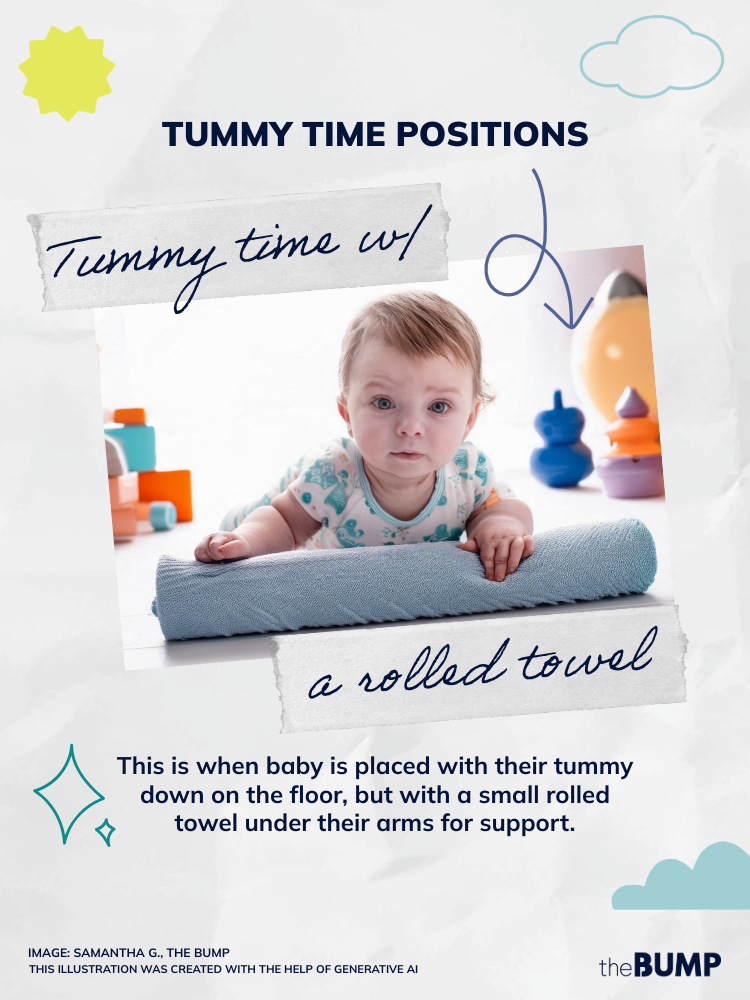
Tummy time earlier in the day
Incorporate supervised tummy time sessions during awake hours to strengthen neck and shoulder muscles. This physical exertion helps tire the baby appropriately before bedtime, reducing restlessness. Ensure activities end at least two hours before sleep to allow energy levels to settle. Stronger core muscles also improve overall comfort and positioning during sleep, potentially decreasing fussiness and promoting longer, more uninterrupted rest periods for the infant. -
Avoiding overstimulation from bright screens
Eliminate exposure to bright screens at least one hour before bedtime to protect melatonin production. Blue light suppresses the hormone responsible for regulating sleep-wake cycles, making it harder for babies to settle. Replace digital entertainment with low-stimulation activities like quiet play or gentle reading. This environmental adjustment supports the body’s natural circadian rhythms, ensuring the baby is biologically primed for sleep rather than artificially stimulated by artificial light sources. -
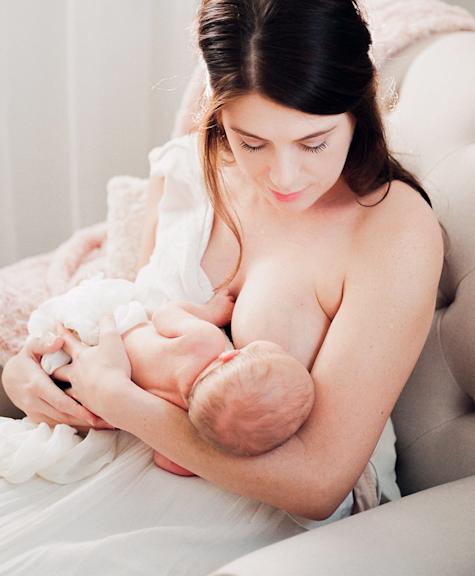
Feeding baby until fully satisfied
Ensure the baby receives adequate nutrition before sleep to prevent waking from hunger. A fully satisfied infant is less likely to stir due to gastric discomfort or caloric needs. Monitor feeding cues closely to confirm complete satiation rather than just comfort nursing. Proper nutritional intake supports sustained energy levels and stable blood sugar, which are critical for maintaining long, uninterrupted sleep periods throughout the night without frequent, disruptive awakenings. -
Burping thoroughly to prevent discomfort
Trapped gas often masquerades as sleeplessness, keeping babies awake with sharp abdominal pain. After every feeding, hold your infant upright against your chest or sit them on your lap, supporting their chin and chest firmly. Gently pat or rub their back for several minutes until you hear a distinct burp. This simple release of air prevents reflux and colic-like distress, allowing the baby to settle into a deeper, more restful slumber without waking up in pain. -

Using a weighted sleep sack safely
While swaddling restricts movement, a weighted sleep sack offers gentle, even pressure that mimics the comforting sensation of being held. This deep pressure stimulation can help calm the nervous system, reducing startle reflexes that wake infants. However, safety is paramount; always choose a sack appropriate for your baby’s weight and age, ensuring it does not overheat the child or restrict breathing. Consult pediatric guidelines to ensure the weight distribution is safe and effective for your specific situation. -
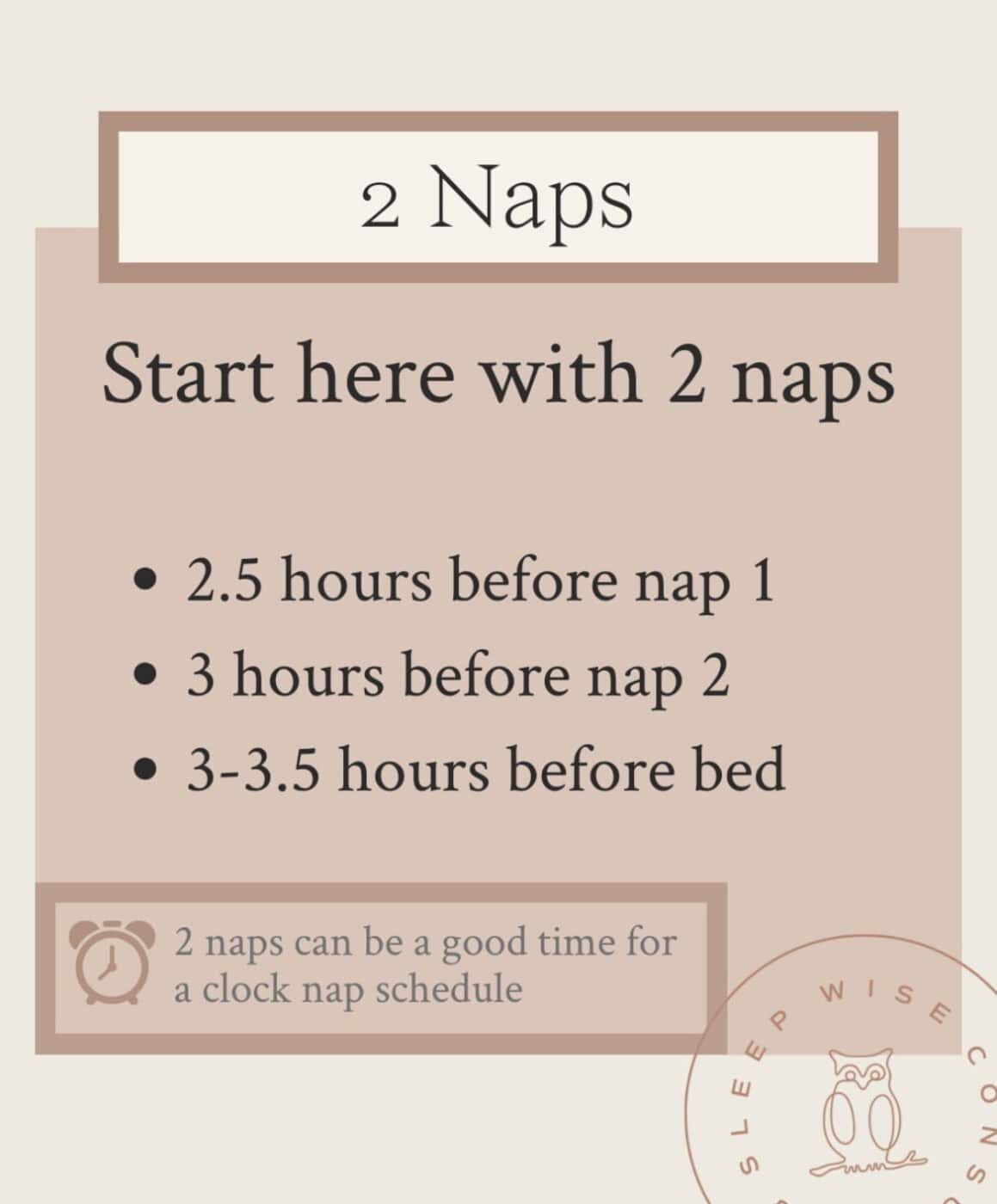
Maintaining a consistent sleep schedule daily
Regularity acts as the internal clock for your infant, signaling when it is time to rest. Stick to the same wake-up time, nap windows, and bedtime every single day, even on weekends. This consistency helps regulate circadian rhythms, making it easier for your baby to fall asleep and stay asleep. Predictability reduces anxiety and overtiredness, creating a stable foundation for healthy sleep habits that support both immediate rest and long-term developmental health. -
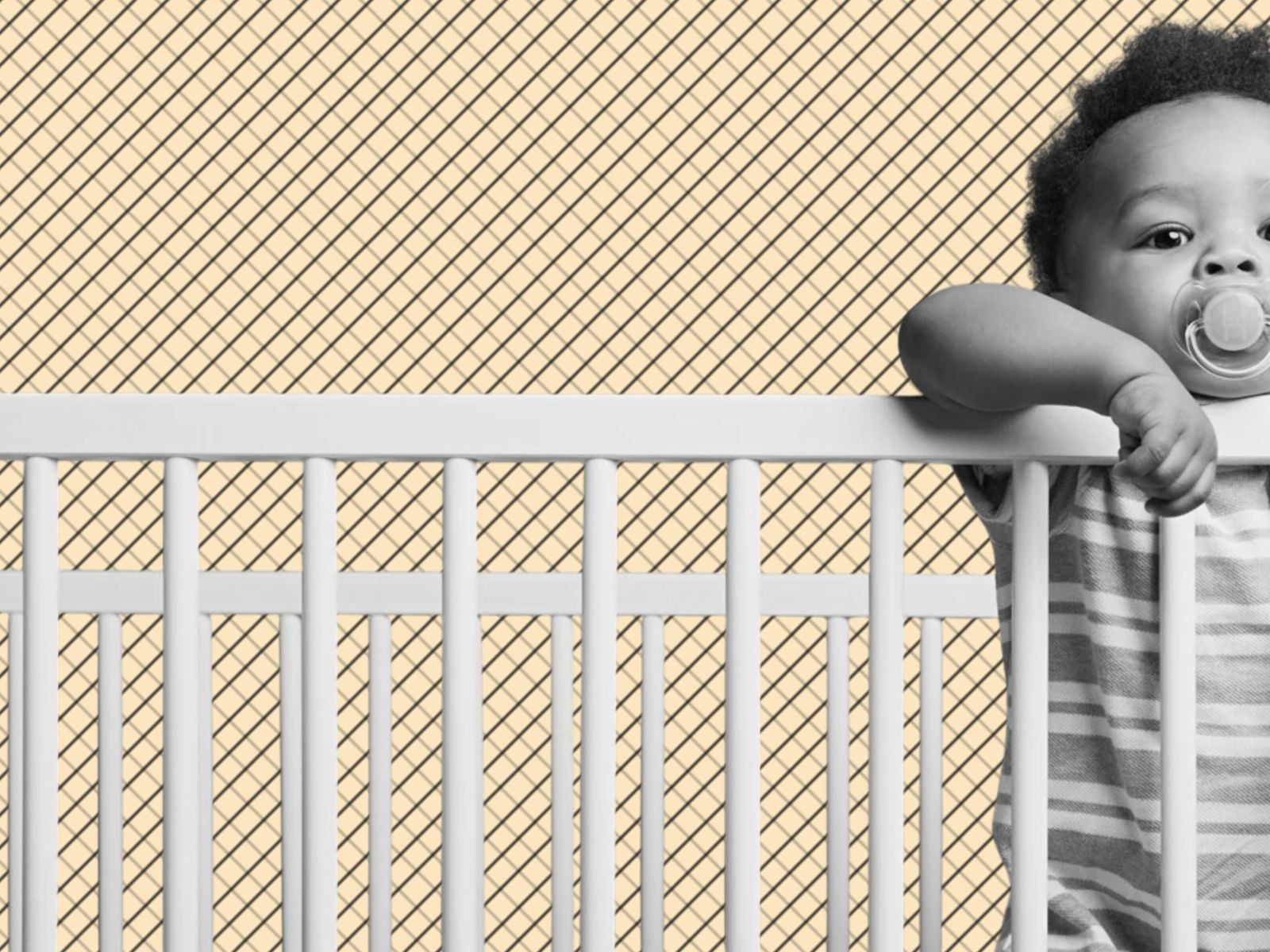
Distinguishing between day and night light
Exposure to natural light during the day and darkness at night helps establish your baby’s circadian rhythm. During daytime naps, keep curtains open and maintain normal household noise levels. At night, keep lights dim and interactions minimal and boring. This contrast teaches your infant to associate darkness with sleep and light with activity. Over time, this environmental cueing strengthens their internal biological clock, leading to longer, more consolidated nighttime sleep periods. -

Crying it out method for older infants
For older infants, controlled comforting or extinction methods can teach self-soothing skills. This approach involves placing the baby in the crib drowsy but awake and allowing them to cry for set intervals before offering brief reassurance. While controversial, some studies suggest it can be effective for specific age groups without long-term emotional harm. Always consult your pediatrician before starting, ensuring your child is developmentally ready and that the method aligns with your family’s parenting philosophy. -
Ferber method with timed check-ins
The Ferber method, or graduated extinction, involves placing your baby awake and leaving the room. You return at progressively longer intervals to briefly comfort them without picking them up. This approach teaches self-soothing skills. Always consult your pediatrician before starting, as this method is generally not recommended for infants under four to six months old. Safety and age-appropriateness are paramount. -
Chair method for gradual withdrawal
The chair method involves sitting in a chair next to the crib while your baby falls asleep. Over several nights, you move the chair progressively farther away from the crib until you are outside the room. This gradual withdrawal provides a sense of security while encouraging independence. It is a gentler alternative to cry-it-out methods, suitable for parents seeking a more present, supportive presence during the transition. -
Pick up put down technique for soothing
When your baby cries, pick them up to calm them completely, then put them back down while they are still drowsy but awake. Repeat this cycle until they fall asleep in the crib. This technique offers immediate comfort while reinforcing the association between the crib and sleep. It requires patience and consistency, making it ideal for parents who prefer a hands-on, responsive approach to settling their infant. -
Shushing sound near the ear canal
Produce a steady, loud shushing sound close to your baby’s ear, mimicking the white noise of the womb. The volume should be near their crying level to effectively mask other disturbances. This auditory cue helps soothe the nervous system and encourages relaxation. Ensure the sound is consistent and rhythmic. This technique leverages the baby’s innate startle reflex response, providing a familiar auditory environment that promotes calmness. -
Jiggling mattress gently for vestibular input
Gently jiggle the mattress frame to provide vestibular input, simulating the motion experienced in the womb. This subtle movement can help soothe a fussy baby and encourage sleep onset. Ensure the jiggling is soft and rhythmic, avoiding vigorous shaking which is dangerous. Always place the baby on their back on a firm, flat surface. This method complements other soothing techniques by adding a comforting physical sensation. -
Using a white noise app on phone
Leverage a dedicated white noise application on your smartphone to generate consistent, soothing soundscapes that mask household disturbances. Ensure the device is placed at least seven feet from the crib to maintain safe decibel levels below fifty, protecting your infant’s developing hearing while providing a reliable auditory cue for sleep onset without the bulk of a dedicated machine. -

Placing baby drowsy but still awake
Gently lay your infant down when they are calm and sleepy but still conscious. This critical step encourages self-soothing skills and independent sleep association, preventing sleep crutches like feeding or rocking. By allowing them to fall asleep in their own crib, you build long-term sleep independence and reduce nighttime wakings that require parental intervention. -
Ensuring safe sleep surface on back
Always place your baby on their back for every sleep episode, as recommended by the American Academy of Pediatrics. Use a firm, flat mattress covered with a fitted sheet only. This position significantly reduces the risk of Sudden Infant Death Syndrome (SIDS) and ensures unobstructed breathing, forming the non-negotiable foundation of a safe sleep environment for your newborn. -
Removing loose blankets from crib area
Clear the crib of all loose blankets, pillows, stuffed animals, and bumper pads to eliminate suffocation hazards. Dress your baby in an appropriate sleep sack or wearable blanket instead. This practice aligns with safe sleep guidelines, ensuring the sleep space remains clear and breathable, thereby minimizing the risk of accidental airway obstruction during restless movements. -
Checking diaper before final sleep attempt
Perform a quick diaper check immediately before placing your baby down for the night to ensure comfort and dryness. While frequent nighttime changes can disrupt sleep, a fresh diaper prevents irritation and discomfort that might wake your infant prematurely. This small preventative step supports longer, more restful sleep cycles for both baby and parents by addressing physical needs proactively. -

Using lavender scent in diffuser safely
The American Academy of Pediatrics advises caution with essential oils around infants. If using lavender, place the diffuser out of reach and ensure proper ventilation. Avoid direct application to skin or clothing. Consult your pediatrician before introducing any new scents, as babies have sensitive respiratory systems that can react strongly to airborne particles or concentrated oils in enclosed spaces. -
Singing a specific sleep song repeatedly
Consistency creates a powerful auditory cue for your baby. Choose one simple, repetitive melody and sing it at the same volume and tempo every night. The predictability of the familiar tune helps lower heart rates and signals that sleep time is approaching. This method relies on classical conditioning, where the brain associates the specific sound with the transition to rest, bypassing the need for complex verbal reasoning. -

Massaging baby legs before sleep time
Gentle leg massage promotes relaxation through tactile stimulation. Use a baby-safe oil and apply slow, downward strokes from thigh to ankle. This technique helps release physical tension accumulated during the day and improves circulation. Keep the environment calm and quiet. Always check with your pediatrician to ensure massage is appropriate for your infant’s specific health needs and developmental stage. -

Offering a warm bottle for comfort
A warm bottle can soothe a fussy baby by mimicking the comforting temperature of breast milk. Ensure the milk is lukewarm, not hot, to prevent burns. Test the temperature on your wrist before feeding. This method works best when the baby is slightly hungry but not starving, as extreme hunger can make feeding stressful. Always follow safe food preparation guidelines to maintain hygiene and safety. -
Keeping interactions boring and quiet at night
During nighttime awakenings, maintain a low-energy environment to reinforce circadian rhythms. Avoid eye contact, playful talking, or bright lights. Respond to needs efficiently and then return the baby to the crib. This approach teaches self-soothing by removing social reinforcement during sleep hours. Consistency is key; even brief moments of excitement can disrupt the sleep cycle and make settling down more difficult for the infant. -
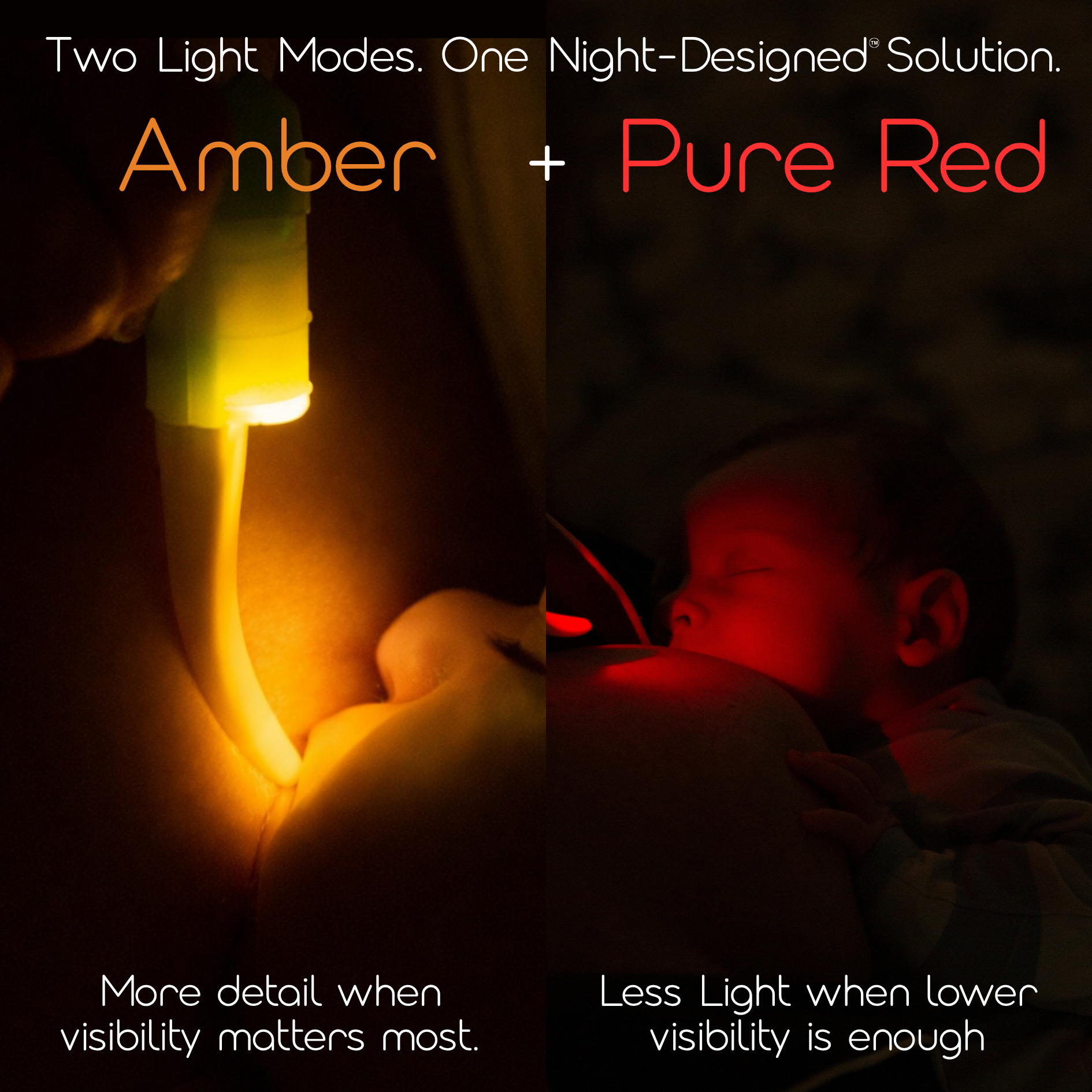
Using a nightlight with red spectrum
A dim red nightlight minimizes melatonin suppression compared to blue or white light. The LatchLight device offers a gentle glow that preserves circadian rhythms while allowing parents to check on the baby. This specific spectrum helps maintain the body’s natural sleep signals without triggering full alertness, supporting a smoother transition back to deep sleep. -
Monitoring room humidity with a hygrometer
Dry air can irritate nasal passages, causing congestion that disrupts infant sleep. Use a hygrometer to keep humidity between forty and sixty percent. If levels drop, a cool-mist humidifier adds moisture safely. Regular cleaning prevents mold growth, ensuring the air remains clean. Proper hydration of the respiratory tract reduces nighttime coughing and fussiness, promoting longer, more restful sleep cycles for the baby. -
Avoiding new foods before bedtime
Introducing new solids close to bedtime risks digestive discomfort or allergic reactions during sleep. The immune system and gut are busy processing unfamiliar proteins, which may cause gas or pain. Schedule novel food trials earlier in the day. This allows parents to observe reactions and ensures the baby’s digestive system is settled, reducing the likelihood of night wakings caused by stomach upset or indigestion. -
Ensuring baby is not too hot
Overheating is a significant risk factor for SIDS and causes restless sleep. Check the baby’s chest or back, not hands or feet, for warmth. Dress them in one layer more than an adult would wear. If the room is warm, use lighter bedding. Proper thermal regulation prevents sweating and discomfort, helping the infant maintain a stable core temperature throughout the night for uninterrupted rest. -
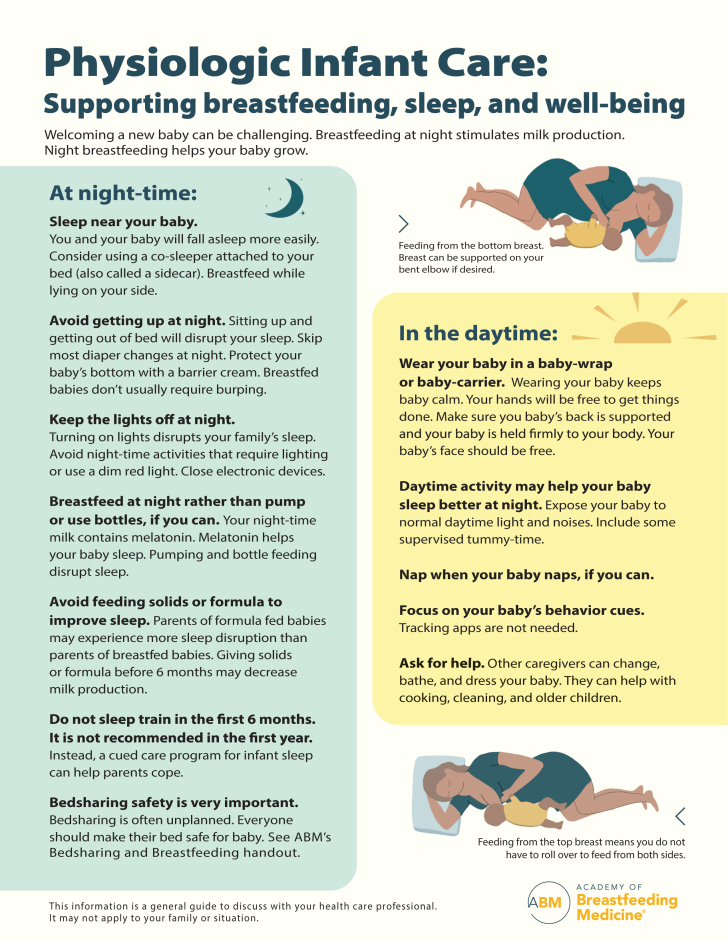
Practicing responsive feeding during the day
Daytime responsiveness builds trust and reduces nighttime anxiety. According to ABM Clinical Protocol 37, feeding on demand during daylight hours helps regulate the infant’s biological clock. When babies feel secure that their needs are met promptly, they sleep more soundly at night. This approach supports physiological regulation and strengthens the parent-child bond, creating a foundation for healthier sleep patterns as the infant grows.
The 40-second sleep promise
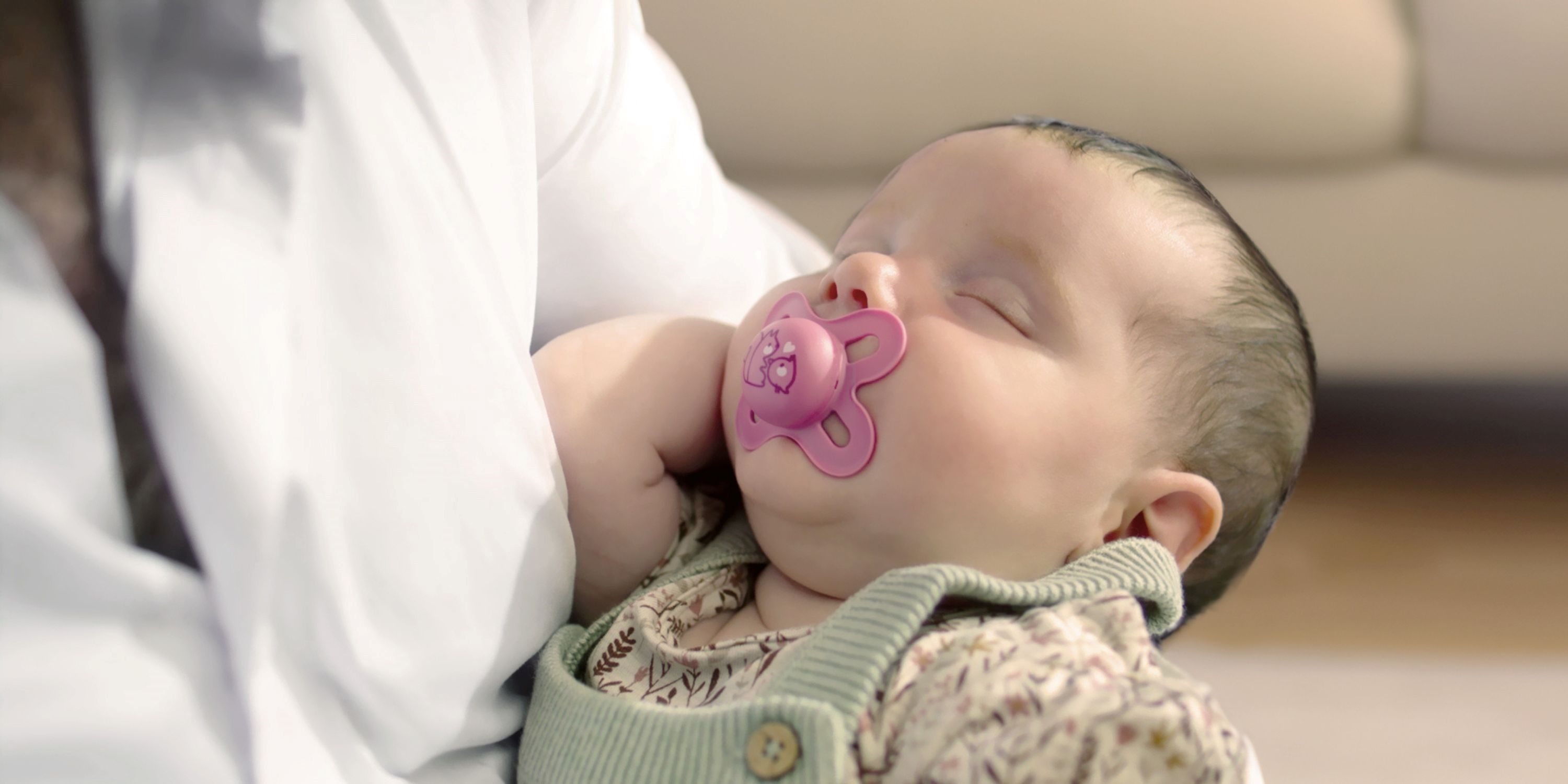
If you are rocking, feeding, or pacing with a crying infant until you finally manage to place them in a crib without waking them, you know the exhaustion. The viral "40-second" claim suggests a shortcut to that relief, but it is important to ground expectations in safety and reality. This technique is a target for calmness, not a guarantee of instant unconsciousness. Every baby’s nervous system responds differently to soothing cues, and what works for one may take longer for another.
The core of this method relies on combining physical comfort with environmental control. Tools like the Kyte baby carrier or the Dreamland sleep sack are often cited because they provide the snug, womb-like containment that helps regulate a baby’s startle reflex. These products are not magic wands; they are aids that support the physical comfort necessary for the technique to work. The goal is to help your baby transition from a state of high arousal to a state of rest, using proven, gentle methods.
We will break down the specific steps that make up this routine, focusing on practical actions you can take tonight. While the "40 seconds" is a benchmark for efficiency, the real value lies in establishing a consistent, safe sleep environment. The following sections detail the specific tools and techniques that support this process, ensuring you have a comprehensive approach to helping your baby drift off.

The tissue trick explained
The viral "tissue technique" suggests gently stroking a baby’s forehead with a soft tissue in a calm, repetitive motion. The idea is that the light touch and rhythmic movement mimic the soothing sensation of being held, helping to calm a fussy infant. While popular on social media, this method lacks rigorous scientific backing and should be viewed as a gentle comfort measure rather than a guaranteed sleep solution.
Safety remains the top priority. Ensure the tissue is soft and free of fragrances or lotions that might irritate sensitive skin. Avoid pressing too hard or moving the tissue too quickly, which could startle the baby instead of calming them. Always supervise your infant closely, and remember that no single trick works for every child. If your baby continues to struggle with sleep, consult your pediatrician for personalized advice.
Kyte baby sleep sack review
The Kyte baby sleep sack is a primary tool for parents trying to put a baby to sleep in a crib. It replaces loose blankets with a safe, wearable blanket that meets safety standards for infant sleep environments. This eliminates the risk of suffocation or overheating, which are critical concerns for safe sleep.
The bag is made from bamboo-derived viscose, a fabric that is breathable and temperature-regulating. This helps keep your baby comfortable through the night without causing sweat or discomfort. The smooth zipper allows for easy diaper changes without fully waking the baby.

Dreamland weighted sleep sack review
The Dreamland Baby weighted sleep sack offers a different approach to deep sleep by distributing weight evenly across the torso rather than concentrating it at the feet. This design helps some parents feel more confident about using gravity for soothing, as it mimics the sensation of being held without the risk of the baby rolling onto their stomach with heavy limbs dragging them down.
Safety remains the primary concern with any weighted sleep product. The American Academy of Pediatrics advises against weighted blankets for infants under one year due to suffocation risks. While the Dreamland sack is designed to be breathable and secure, always consult your pediatrician before introducing weighted sleep aids, especially if your baby has reflux or respiratory concerns.

For families who have tried swaddling without success, the Dreamland sack provides a middle ground. The gentle pressure can calm the startle reflex, potentially helping your baby settle faster. However, it is not a magic bullet for every infant, and its effectiveness varies. Use it as one tool in your broader sleep routine, prioritizing safe sleep practices above all else.
40 methods to calm your baby
Finding the right way to put a baby to sleep often feels like trial and error. What works for one infant might not work for another, so having a wide range of techniques in your toolkit is essential. These 40 methods cover soothing, environmental, and physical strategies to help your baby drift off safely.
1. The Shush-Pat Method This technique combines gentle pressure with rhythmic sound. Place your baby on their back and gently pat their chest or tummy while making a soft "shush" sound near their ear. The combination of gentle pressure and white noise mimics the womb environment.

Place your baby on their back on a firm, flat surface. Ensure the sleep area is clear of loose bedding, pillows, or toys to reduce the risk of suffocation.
Rest your hand lightly on their chest or tummy. The pressure should be firm enough to be felt but gentle enough not to disturb them. This mimics the feeling of being held.
Make a steady, rhythmic "shush" sound close to their ear. Match the volume to their fussiness; louder when they are crying, softer as they calm. Continue until they are drowsy or asleep.
2. White Noise Machines White noise masks household sounds that might startle a baby awake. Use a dedicated machine or app set to a low, steady volume (under 50 decibels) placed a few feet away from the crib.
3. Swaddling Swaddling restricts the startle reflex that can wake infants. Use a breathable, lightweight swaddle blanket. Ensure the hips can move freely to prevent hip dysplasia, and stop swaddling once your baby shows signs of rolling over.
4. Skin-to-Skin Contact Holding your baby against your bare chest regulates their heart rate, temperature, and breathing. This is especially effective for newborns and can be done while you are sitting or lying down.
5. Gentle Rocking Rhythmic motion is soothing. Rock your baby slowly in your arms or in a rocking chair. Avoid vigorous shaking, which can cause serious injury. The motion should be smooth and predictable.
6. Pacifier Use Sucking is a natural soothing reflex. Offering a pacifier can help calm a fussy baby. If breastfeeding, wait until nursing is well-established before introducing a pacifier, usually after 3-4 weeks.
7. Dim the Lights Bright light suppresses melatonin, the sleep hormone. Dim the lights in the room 30-60 minutes before bedtime to signal to your baby that it is time to wind down.
8. Cool Room Temperature A cool room, between 68-72°F (20-22°C), is ideal for sleep. Overheating is a risk factor for SIDS. Dress your baby in light layers, such as a sleep sack, rather than heavy blankets.
9. The 5 S’s Method Developed by Dr. Harvey Karp, this method includes Swaddle, Side/Stomach position (while holding, not sleeping), Shush, Swing, and Suck. Combining these elements can trigger a calming reflex in infants up to 3 months old.
10. Babywearing Using a soft carrier or sling keeps your baby close while allowing you to move. The gentle motion and warmth of being carried can help them fall asleep. Ensure the carrier supports their head and neck.
11. Lullabies Singing soft, repetitive songs can be very calming. The rhythm and tone of your voice are familiar and soothing. You don't need to be a good singer; consistency and volume matter more.
12. Warm Bath A warm bath 30-60 minutes before bed can lower body temperature afterward, signaling sleepiness. Keep the bath short and calm, avoiding stimulating toys or games.
13. Gentle Massage Baby massage promotes relaxation and bonding. Use gentle strokes on their back, arms, and legs. Use a small amount of baby-safe oil or lotion to reduce friction.
14. Blackout Curtains Complete darkness helps regulate circadian rhythms. Use blackout curtains or shades to block out streetlights and early morning sun, creating a cave-like sleep environment.
15. Consistent Bedtime Routine A predictable sequence of events, such as bath, book, bed, helps babies anticipate sleep. Keep the routine short, calm, and the same every night.
16. Tummy Time (Earlier in the Day) Adequate tummy time during waking hours helps prevent flat head shape and promotes muscle development, which can make sleeping more comfortable. Avoid tummy time right before bed.
17. Red Light Nightlights If you need a nightlight, use a red or amber bulb. These wavelengths have less impact on melatonin production than blue or white light. Keep the light low and pointed away from the baby.
18. Gentle Patting Rhythmic patting on the back or bottom can be soothing. Match the rhythm to your baby's breathing or heartbeat. Stop when they are drowsy to encourage self-soothing.
19. Deep Breathing Your own calmness can influence your baby. Take slow, deep breaths while holding or rocking them. Babies are sensitive to tension and may mirror your relaxed state.
20. Baby Swing A powered baby swing provides gentle, rhythmic motion. Use it under supervision and for short periods. Always place your baby on their back in the crib to sleep, not in the swing.
21. Humming Humming produces a low-frequency vibration that can be calming. It is similar to the shushing technique but with a melodic quality. Try humming a simple tune while holding your baby.
22. Dark, Quiet Environment Minimize visual and auditory distractions. Close doors to block hallway light and noise. A consistent, quiet environment helps babies distinguish between day and night.
23. Gentle Foot Rubs Massaging the feet can be surprisingly effective. Use slow, circular motions on the soles and toes. This can help relax the entire body and signal that it is time to rest.
24. Back Rhythms Patting or rubbing the back in a circular or linear motion can be soothing. Keep your hand movements slow and consistent. Avoid changing rhythms abruptly.
25. Soft Fabric Touch Using a soft, familiar blanket or cloth to gently stroke your baby’s cheek or hand can be comforting. Ensure the fabric is clean and safe, with no loose strings.
26. Delayed Response When your baby fusses, wait a few moments before responding. Sometimes babies self-soothe if given a brief chance. However, always respond promptly to cries of distress or hunger.
27. Change of Scenery Taking your baby to a different room or outside for fresh air can reset their mood. The change in light and temperature can be distracting and calming.
28. Gentle Bouncing Standing and gently bouncing on your toes while holding your baby can provide rhythmic motion. Keep the movements small and controlled to avoid jarring the baby.
29. White Noise App Free apps can provide white noise. Use them sparingly and ensure the volume is low. Do not place the phone in the crib with the baby.
30. Sleep Sack A wearable blanket (sleep sack) keeps your baby warm without the risk of loose blankets. Choose one with the appropriate TOG rating for the room temperature.
31. Gentle Eye Massage Using your fingertips, very gently massage the area around your baby’s eyes and forehead. This can help relax facial muscles and signal sleepiness.
32. Slow Car Ride The vibration and motion of a car can be very soothing. Take a short, slow drive. Always buckle your baby into a car seat, never hold them while driving.
33. Calm Voice Narration Talk or whisper softly to your baby about your day or what you are doing. The monotone, low-volume speech can be hypnotic and calming.
34. Avoid Overstimulation Keep interactions calm and quiet during the bedtime window. Avoid bright toys, loud games, or new visitors. A calm environment supports a calm mind.
35. Check for Discomfort Ensure your baby is not too hot, too cold, wet, or hungry. Address basic needs before trying to soothe them to sleep. A comfortable baby is a sleepier baby.
36. Gentle Leg Bicycles Lying your baby on their back and gently moving their legs in a bicycling motion can help relieve gas pain, which might be keeping them awake.
37. Soft Music Box A music box playing a simple, repetitive melody can be soothing. Keep the volume low and the melody slow. It adds a layer of comforting sound to the environment.
38. Hold Upright Holding your baby upright against your shoulder can help with reflux or gas. The gravity helps keep stomach contents down, making them more comfortable for sleep.
39. Consistent Sleep Cues Use the same words or actions every night, such as "It's time to sleep." Over time, your baby will associate these cues with the act of falling asleep.
40. Patience and Presence Sometimes, the most effective method is simply being present. Sit quietly by the crib, holding your baby’s hand or stroking their head. Your calm presence can be the most powerful soothing tool.
Safety guidelines for sleep sacks
Sleep sacks are a standard tool for safe infant sleep, but they are not risk-free. The primary danger lies in improper fit and overheating. A sleep sack that is too large can slip over the baby’s face, creating a suffocation hazard, while one that is too tight restricts hip development and breathing. Always check that the neck opening is snug enough to prevent the garment from sliding up, and ensure there is enough room for the legs to move naturally.
Weighted blankets are strictly prohibited for infants. The American Academy of Pediatrics (AAP) and the NHS explicitly warn against using weighted items in a baby’s sleep environment. The extra weight can restrict chest movement and increase the risk of Sudden Infant Death Syndrome (SIDS). Stick to lightweight, breathable fabrics like cotton or bamboo to maintain a safe body temperature without the need for heavy blankets.
Troubleshooting common sleep issues
Even with the best routine, babies often fight sleep or wake up frequently. When the 40-second technique fails, it is usually because the baby is overtired, hungry, or uncomfortable. Address these specific hurdles to restore calm.
Fighting Sleep If your baby arches their back or cries when you try to put them down, they may be overtired. Overtiredness releases cortisol, making sleep harder. Try an earlier nap or a longer wind-down period. Keep the environment dark and use white noise to mask disruptions.
Frequent Night Wakings Waking every hour is common in newborns but can persist. Check for physical discomfort: is the room too hot? Is the diaper wet? Ensure the baby is full before bed. If hunger is not the cause, try a gentle pat or shush without picking them up immediately, allowing them to self-soothe back to sleep.
Teething Discomfort Teething can disrupt sleep patterns significantly. Gum pain makes it difficult to settle. Consult your pediatrician about appropriate pain relief options. A cold teething ring before bed might help numb the gums, reducing agitation during bedtime.
Frequently asked: what to check next
What's the quickest way to put a baby to sleep?
The fastest reliable method combines white noise with gentle pressure. Place your baby on their back and gently pat their chest or tummy while making a soft "shush" sound. This combination of rhythmic pressure and auditory masking mimics the womb environment, helping to settle the nervous system quickly. Ensure the room is dark and the temperature is comfortable to support this rapid transition.
What is the Japanese trick to sleep fast?
The Japanese technique, often referred to as the "4-7-8" breathing method adapted for infants, focuses on regulating the breath. While primarily used for older children and adults, the principle involves calming the caregiver first. A calmer parent provides a steadier presence. For babies, this translates to slow, rhythmic rocking and consistent, quiet reassurance, reducing the baby's anxiety about separation.
How to put a fighting baby to sleep?
When a baby fights sleep, they are often over-tired. The key is to lower stimulation immediately. Dim the lights, stop play, and use a consistent, boring routine. Swaddling can help prevent startle reflexes from waking them further. If they are crying, try the "pick up, put down" method: soothe them until calm, then place them down awake. Repeat as needed to teach self-soothing without creating a dependency on being held.
What is the supernanny sleep technique?
The Supernanny method emphasizes consistency and clear boundaries. It involves establishing a strict bedtime routine that happens at the same time every night. If the baby protests, parents are advised to check in at set intervals without picking them up, reinforcing that it is time to sleep. This approach requires patience and uniformity from all caregivers to be effective, helping the baby understand the expectation of sleep time.
Your nightly sleep checklist
Consistency is the quiet engine behind every successful bedtime routine. A predictable sequence of cues signals to your baby’s developing nervous system that it is time to wind down, reducing the resistance that often leads to prolonged crying or fighting sleep.
Use this simple checklist to ensure every element of the environment and your interaction supports safe, restful sleep. Follow these steps in order to create a calm, secure atmosphere that helps your baby drift off naturally.
-
Dim the lights to signal evening
-
Set white noise machine to low volume
-
Dress baby in breathable, safe sleepwear
-
Place baby on back in a firm crib
-
Remove all loose blankets and toys
-
Offer a pacifier if used
-
Speak in a soft, monotone voice
-
Pat gently on the back or chest
-
Maintain a cool room temperature
-
Keep interactions calm and brief
No comments yet. Be the first to share your thoughts!