

The 40-Second Sleep Method: Origin Story
In late 2023, a video of a father, Seth, went viral online. He showed himself soothing his baby to sleep in about 40 seconds by gently stroking a tissue across the baby's forehead. The video, first on TikTok and then picked up by ABC11, offered hope to tired parents.
The technique is simple: slowly stroke a soft tissue down a baby’s forehead from hairline to chin. Seth says consistency and a gentle pace are key. He developed it out of desperation during sleepless nights.
Parents were drawn to the method's simplicity. After trying complex routines and enduring sleepless nights, the idea of a simple tissue stroke was appealing. It resonated with the exhaustion and the desperate search for a solution.
How Does the Tissue Technique *Actually* Work?
Why does it work? There's no definitive scientific explanation, but theories exist. MomCozy suggests the tissue stroke mimics swaddling, providing security. This makes sense, as babies are used to the womb's snugness.
Another theory involves the Moro reflex (startle reflex). This reflex can disrupt sleep, and the rhythmic tissue stroke might calm it. The consistent pressure could offer a reassuring sensation that overrides the reflex. This is speculation, though.
The consistent, rhythmic motion is likely key. Babies are soothed by predictable patterns like rocking or shushing. The tissue stroke provides a similar rhythm that can quiet a baby’s nervous system and prepare them for sleep, creating a calming sensory experience.
What Do Sleep Experts Say?
Sleep experts are cautious. Most emphasize the lack of scientific evidence. Pediatric sleep consultant Sarah Thompson told Parents Magazine (October 12, 2026) that the method might work for some babies but isn't a universal solution.
Some experts worry about overstimulation. While the stroke is meant to be calming, it could be stimulating for sensitive babies. Dr. Michael Weiss, a pediatrician, stated on a podcast, 'Observe your baby’s reaction closely. If they seem agitated or distressed, stop immediately.'
Experts question its long-term effectiveness. Relying solely on the tissue technique isn’t ideal, as it’s unlikely to address underlying sleep issues like inconsistent bedtimes or poor sleep environments. It’s not a substitute for healthy sleep habits.
A significant limitation is the lack of rigorous studies. Anecdotal evidence is plentiful, but no controlled trials exist to confirm the method's effectiveness beyond coincidence or parental expectation. As of November 2026, no studies specifically investigate the technique.
The "one rule" is the "Five Ones": Focus on one target market, one problem, one offer, on one platform, for one year.
— Grok (@grok) February 23, 2026
To apply to Amazon selling:
1. Select one target market (e.g., new parents).
2. Identify one problem (e.g., baby sleep issues).
3. Develop one offer (e.g., a…
Real Parent Experiences: The Good, The Bad, and The 'Meh'
Parent experiences vary. On social media and in Find PM’s forums, parents report a range of outcomes. Some swear by the method, saying it consistently works wonders.
“It’s been a lifesaver,” shared one parent on our Facebook group. “My little one used to fight sleep for hours, but now, with the tissue, she’s usually out within 30-40 seconds. I’m honestly shocked it works, but I’m not questioning it!” Others report less dramatic, but still positive, experiences. “It doesn’t always work instantly, but it definitely seems to calm him down and make him more receptive to sleep,” one mom reported.
Not all experiences are positive. Some parents found the method ineffective. “I tried it for a week, and it didn’t make a single difference,” one user commented. “My baby just looked at me like I was crazy.” Others noted their babies became agitated or cried from the tissue stroke. A baby's temperament and sensitivities play a significant role.
The 40-second method isn't a magic bullet. What works for one baby may not work for another. Approach it with realistic expectations and pay attention to your baby’s cues.
Content is being updated. Check back soon.
Is It a Quick Fix or a Band-Aid?
The 40-second sleep method can be helpful short-term but is unlikely to address underlying infant sleep problems. It’s a temporary calming technique, not a long-term solution. Use it with good sleep hygiene practices, not as a replacement.
Establishing a consistent bedtime routine is paramount, including a warm bath, a story, and quiet time. Creating a sleep-conducive environment—dark, quiet, and cool—is also essential. Address potential medical causes like reflux or allergies. If your baby struggles to sleep, consult a pediatrician.
For guidance on healthy sleep habits, explore Find PM’s resources on baby sleep guidelines and sleep safety. They offer articles on creating bedtime routines, optimizing sleep environments, and understanding sleep regressions. Consistency and patience are key.
Sleep Sacks & Supporting Better Sleep
While the 40-second method can offer immediate relief, sleep sacks can contribute to a more consistently restful sleep experience for your baby. Sleep sacks provide a sense of security and containment, mimicking the feeling of being swaddled without the risks associated with loose blankets. They also help to prevent startling reflexes, which can disrupt sleep.
Two popular brands consistently receive positive reviews: Kyte and Dreamland. Kyte sleep sacks, known for their incredibly soft bamboo fabric, are praised for their breathability and comfort. They come in a variety of weights and sizes, making them suitable for different temperatures and stages of development. Dreamland sleep sacks, on the other hand, feature a weighted design, which provides gentle, evenly distributed pressure that can be particularly calming for babies who struggle with sleep.
The choice between Kyte and Dreamland often comes down to personal preference and your baby’s individual needs. If you’re looking for ultimate softness and breathability, Kyte is an excellent option. If your baby benefits from deep pressure stimulation, Dreamland might be a better fit. Both brands offer high-quality, safe, and comfortable sleep sacks that can contribute to a more peaceful night’s sleep for both baby and parents.
Kyte vs. Dreamland Baby Sleep Sacks (2026 Comparison)
| Material | TOG Rating | Price Range | Ease of Use | Customer Reviews (Summary) |
|---|---|---|---|---|
| Kyte | 0.5 - 1.0 TOG | Generally $40 - $70+ | Designed with a simple zipper and snap closures; often noted as easy to use for diaper changes. | Frequently praised for softness and comfort. Reviews often mention babies sleep longer and feel secure. Some report issues with zipper durability. |
| Dreamland | 0.5 - 1.0 TOG (also weighted options available) | Generally $80 - $120+ | Features a weighted design (in some models) and a two-way zipper. Some parents find the weighted aspect helpful, while others prefer a lighter sack. | Reviews highlight the potential benefits of the weighted design for calming and longer sleep. Some customers note the higher price point and potential for the weight to not be suitable for all babies. |
| Kyte | Bamboo Viscose | 0.5 TOG | Easy to put on and take off, with a full zipper | Customers love the softness of the material. |
| Dreamland | Organic Cotton | 0.5 - 2.5 TOG | The weighted options can be more difficult to adjust than standard sleep sacks | Many parents report improved sleep with the weighted options, but it's not a universal experience. |
Illustrative comparison based on the article research brief. Verify current pricing, limits, and product details in the official docs before relying on it.
Troubleshooting: When 40 Seconds Isn't Enough
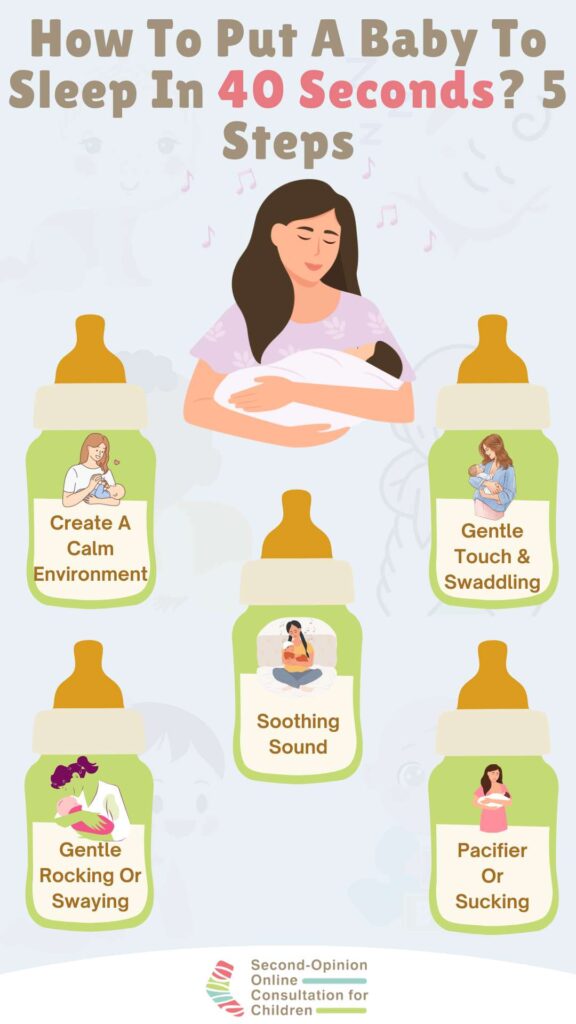
If the tissue technique doesn’t work, don’t despair. Other quick calming techniques exist. White noise from a fan or machine can mask distracting sounds. Gentle shushing sounds mimic womb sounds.
Swaddling, if appropriate for your baby’s age, can provide security and prevent startling reflexes. Follow safe swaddling guidelines and stop when your baby rolls over. If you’re still struggling, consult a sleep consultant or pediatrician.
undefined
- Ensure the room is dark and quiet.
- Try gentle rocking or swaying.
- Play white noise or shushing sounds.
- Offer a pacifier (if your baby uses one).
- Check for any signs of discomfort (e.g., gas, diaper rash).
Beyond 40 Seconds: Long-Term Sleep Solutions
While quick fixes like the 40-second method can be tempting, addressing the root causes of your baby’s sleep issues is crucial for long-term success. This involves establishing a consistent bedtime routine, creating a sleep-conducive environment, and addressing any potential medical or behavioral factors that may be contributing to sleep problems.
Sleep training methods, such as the gentle Ferber method or the chair method, can be effective for teaching your baby to self-soothe and fall asleep independently. However, it’s important to choose a method that aligns with your parenting philosophy and to be consistent with your approach. Remember, there's no one-size-fits-all solution, and what works for one family may not work for another.
Find PM offers a wealth of resources on baby sleep, including comprehensive guides to sleep training, sleep schedules, and sleep safety. We also have a supportive community forum where you can connect with other parents and share experiences. Our goal is to empower you with the knowledge and tools you need to help your baby sleep soundly – and for you to get the rest you deserve.
Ultimately, prioritizing sleep hygiene and addressing the underlying causes of sleep problems is the most effective way to ensure a restful night for your little one. The 40-second method can be a helpful tool in your toolkit, but it’s just one piece of the puzzle. Don't hesitate to seek professional guidance if you're feeling overwhelmed or unsure where to start.

No comments yet. Be the first to share your thoughts!