

Picture this: you’ve finally gotten your baby on a sleep schedule, and then… Daylight Saving Time hits. It's a familiar story for many parents, and a particularly frustrating one. That feeling of exhaustion isn’t just you; it’s a real physiological response to a disruption in your natural sleep-wake cycle. Daylight Saving Time (DST) is the practice of advancing clocks during warmer months so that darkness falls later each day.
In 2026, the shift happens on March 8th. While the idea behind DST is to make better use of daylight, it throws a wrench into our circadian rhythms – the internal clocks that regulate sleep. For adults, it’s annoying. For babies, it can be significantly more disruptive. It’s important to remember that we aren’t trying to "fix’ a baby"s sleep, but rather minimize the disruption caused by this artificial time change.
I’ve seen so many parents feel defeated by this annual (or bi-annual, depending on where you live) struggle. It's easy to feel like you're starting from square one. But with a little planning and understanding, you can navigate this transition with less stress for both you and your little one. Adjusting a baby's sleep is never easy, and it requires patience and consistency. Let’s break down how to approach this.
Babies aren’t miniature adults. Their internal clocks are still developing, making them far more sensitive to changes in routine than we are. A baby’s circadian rhythm isn’t fully mature until around four months of age, and even then, it continues to refine itself throughout the first year.
Melatonin, the hormone that regulates sleep, is also still establishing itself in a baby’s system. DST essentially tells their little bodies that it’s an hour later than it actually is, which throws off melatonin production. This disruption can lead to difficulty falling asleep, frequent night wakings, and generally cranky behavior. It's a biological challenge, not a behavioral one.
And it’s not just the baby who’s affected. Parental sleep deprivation is a real concern. When you’re tired, it’s harder to respond calmly and effectively to your baby’s needs, creating a cycle of stress for both of you. It’s a tough situation, but understanding the science behind it can help you approach it with more empathy and a clearer plan.
The best approach to adjusting your baby’s sleep schedule depends on their age and developmental stage. Each age group requires a slightly different strategy. According to Enfamil.com, sleep patterns change dramatically in the first year, so what works for a 3-month-old won’t necessarily work for a 9-month-old.
Newborns (0-3 months): At this age, routines are more about providing comfort and predictability than strict scheduling. Focus on maintaining a consistent bedtime ritual – a warm bath, a gentle massage, a story – even if the actual time shifts slightly. Don’t stress too much about precise timing; your baby is still adjusting to life outside the womb.
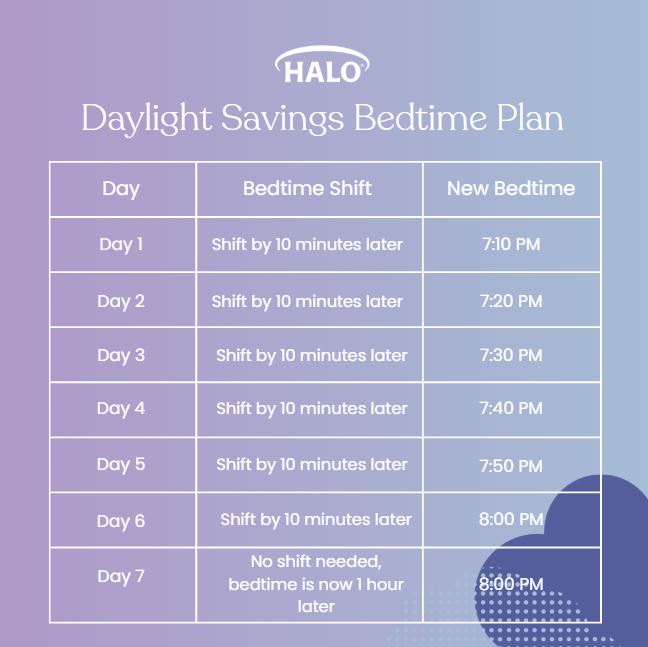
3-6 Month Olds: This is a good time to start gently shifting bedtime by 10-15 minutes each day leading up to March 8th. Offer feedings and wake times a little earlier each day. Watch for sleepy cues and adjust accordingly. This age group is starting to develop more predictable sleep patterns, so consistency is beneficial.
6-9 Month Olds: These babies are more aware of their surroundings and may be more resistant to changes. Continue the gradual shift method, but be prepared for a few more challenging nights. Maintain a consistent bedtime routine and offer plenty of reassurance. A regular daytime schedule with consistent nap times is also important.
9+ Month Olds: By this age, babies have a well-established circadian rhythm. Continue the gradual shift, but be prepared for some protest. Offer extra comfort and maintain a calming bedtime routine. Consider a sleep sack to provide a sense of security.
- Newborns (0-3 months): Focus on consistent bedtime rituals.
- 3-6 Month Olds: Gentle 10-15 minute bedtime shifts.
- 6-9 Month Olds: Gradual shifts with extra reassurance.
- 9+ Month Olds: Continue gradual shifts, prioritizing a calming routine.
Daylight Saving Time 2026: Adjustment Strategies by Age
| Age Range | Adjustment Timeline | Bedtime Adjustment | Nap Adjustment | Key Considerations |
|---|---|---|---|---|
| Newborn (0-3 months) | Gradual shift starting 3-4 days before DST | Shift bedtime 15-30 minutes earlier each day | Adjust nap times as needed, following baby’s cues. Expect some disruption. | Newborns are still developing their circadian rhythms, so adjustments may take longer and require more flexibility. |
| 3-6 Months | Start 3-4 days before DST | Move bedtime earlier by 15-30 minutes over several days. | Shorten or shift naps slightly earlier. Observe for tired cues. | Consistency is helpful, but some flexibility is expected. Monitor for fussiness and adjust as needed. |
| 6-9 Months | Begin 5-7 days before DST | Gradually shift bedtime 15-30 minutes earlier each day. Prioritize a consistent bedtime routine. | Adjust nap times 15-30 minutes earlier. Watch for signs of overtiredness. | Babies in this age range are more sensitive to schedule changes. A consistent routine is crucial. |
| 9+ Months | Start 5-7 days before DST | Move bedtime earlier by 15-30 minutes daily. Maintain a calming bedtime routine. | Shift nap times earlier, aligning with the new schedule. Be prepared for a few disrupted nights. | Older babies may resist the change more. Be patient and consistent. Ensure a dark and quiet sleep environment. |
| All Ages | Post-DST (First Few Days) | Reinforce the new bedtime and nap times with consistency. | Offer extra comfort and reassurance if baby seems unsettled. | Be patient. It can take a week or more for baby’s sleep to fully adjust. |
Illustrative comparison based on the article research brief. Verify current pricing, limits, and product details in the official docs before relying on it.
When it comes to adjusting a baby’s sleep schedule for DST, you have two main options: a gradual shift or a "cold turkey’ approach. The gradual shift, as we’ve discussed, involves adjusting bedtime and wake times by 10-15 minutes each day in the days leading up to the time change. This allows your baby"s body to slowly adjust to the new schedule.
The cold turkey method, on the other hand, involves adjusting to the new time immediately on March 8th. It’s a quicker reset, but it can be more disruptive. Some parents prefer this method, especially if they have a very flexible baby or if they’ve already tried a gradual shift and it hasn’t worked. It’s definitely a more intense few nights.
I generally recommend the gradual shift method because it’s gentler on babies. However, I recognize that every baby is different, and every family has different priorities. If you’re feeling overwhelmed and just want to get it over with, the cold turkey method can be effective. If you’ve attempted a gradual shift and it’s not working, don't be afraid to switch to cold turkey – sometimes a quick reset is what's needed.
DST doesn’t just affect bedtime; it also impacts nap times. Just like bedtime, naps will need to be shifted to align with the new schedule. It may take a few days for your baby’s nap schedule to re-regulate, so be patient and flexible. TheBump.com provides excellent age-specific nap schedule guidelines as a starting point.
Expect some shorter or skipped naps during the transition. Your baby might be a little more fussy or overtired during this time. Offer extra comfort and try to maintain a consistent naptime routine, even if the timing is slightly off. Watch for sleepy cues and adjust nap times accordingly.
Common nap problems like catnapping (short naps) or resisting naps may become more frequent during this period. Don’t panic! Continue to offer naps at regular intervals and create a calming naptime environment. Sometimes, a little extra rocking or soothing can help.
- Shift nap times to align with the new schedule.
- Expect shorter or skipped naps initially.
- Maintain a consistent naptime routine.
Consistency is key when it comes to baby sleep, and that includes the sleep environment. Sleep sacks, like those from Kyte and Dreamland, can play a valuable role in providing a consistent and comforting sleep space. A familiar sleep sack can signal to your baby that it’s time to sleep, even when everything else is changing.
Beyond the sleep sack, a consistent bedtime routine is crucial. This could include a warm bath, a gentle massage, reading a book, or singing a lullaby. These routines act as cues for sleep, helping your baby’s body prepare for rest. Even when adjusting the schedule, maintain these routines as much as possible.
I’m not suggesting you need to spend a fortune on fancy sleep products. The most important thing is to create a calming and predictable sleep environment. A sleep sack can be a helpful tool, but it’s not a magic bullet. It's about creating a sense of safety and security for your little one.
Even with careful planning, you may encounter some challenges during the DST transition. Early morning wake-ups are common, as is increased night waking. Your baby might also resist bedtime more than usual. Here are some practical solutions.
Early Morning Wake-Ups: If your baby is waking up earlier than usual, resist the urge to start the day immediately. Try to keep the room dark and quiet, and offer comfort without fully waking them. A little extra snuggling might be all they need to drift back to sleep.
Increased Night Wakings: Ensure your baby is getting enough to eat during the day. A full tummy can help them sleep through the night. If night wakings persist, offer comfort and reassurance, but avoid creating new sleep associations (like feeding to sleep).
Resistance to Bedtime: Maintain a calming bedtime routine and offer plenty of reassurance. A warm bath, a gentle massage, or a story can help your baby relax and prepare for sleep. Katie Giguere on YouTube offers excellent advice on baby schedules and adapting to changes.
If you've tried these strategies and are still struggling, don’t hesitate to seek help from a sleep consultant. They can provide personalized guidance and support.
While some sleep disruption is normal during the DST transition, there are times when it’s important to seek professional help. If your baby experiences prolonged sleep disturbances (lasting more than a week or two), significant changes in behavior, or you have concerns about their overall health, consult your pediatrician or a certified sleep consultant.
I want to emphasize that I am not a medical professional, and this article is not a substitute for medical advice. Trust your instincts and don’t hesitate to reach out for support. Remember, you’re doing your best, and sleep regressions are a normal part of babyhood. Be kind to yourself and your little one.


No comments yet. Be the first to share your thoughts!