

Why sleep falls apart in spring
March and April usually wreck baby sleep schedules. If your nights just got louder and naps got shorter, it's likely the spring sleep regression. It happens right when you finally feel like you've figured out a rhythm.
A sleep regression isn’t necessarily a step backward – it’s often a sign your baby is developing and their sleep needs are evolving. It’s a recalibration of sorts, and their little bodies and brains are working hard to adjust. While regressions can feel like a setback, understanding what’s happening can help you navigate this phase with a little more confidence.
Spring brings a lot of changes, and babies are sensitive to shifts in their environment. The biggest culprit is daylight saving time, but changing routines, increased daylight, and even the start of allergy season can all play a role. It’s a period of adjustment for everyone, and recognizing this is the first step toward finding solutions.
Sunlight and milestones
Daylight saving time is the main culprit. Losing an hour of sleep messes with a baby's internal clock. Since their rhythm depends on consistent light cues, shifting the clocks forward makes bedtime feel an hour too early, leading to more fighting at night.
Alongside the time change, babies are often hitting major developmental milestones during this time. Think about babies around 8-10 months who are learning to crawl, pull up, or even take their first steps. These physical leaps require a lot of energy and brainpower, and can absolutely interfere with sleep. They're practicing these new skills even while trying to fall asleep, which isn’t exactly conducive to restful slumber.
Increased daylight exposure also impacts sleep. More sunlight means less melatonin production, the hormone that regulates sleep. While sunlight is important for overall health, too much exposure too late in the day can make it harder for your baby to wind down. Finally, spring also brings seasonal allergies and colds, which can cause discomfort and disrupt sleep. A stuffy nose or itchy eyes can make it difficult for a baby to settle.
What to expect at every age
The spring regression looks different depending on your baby’s age and developmental stage. A 4-month-old’s experience will be drastically different than a 12-month-old’s. Understanding these age-specific patterns can help you tailor your approach and know what to expect.
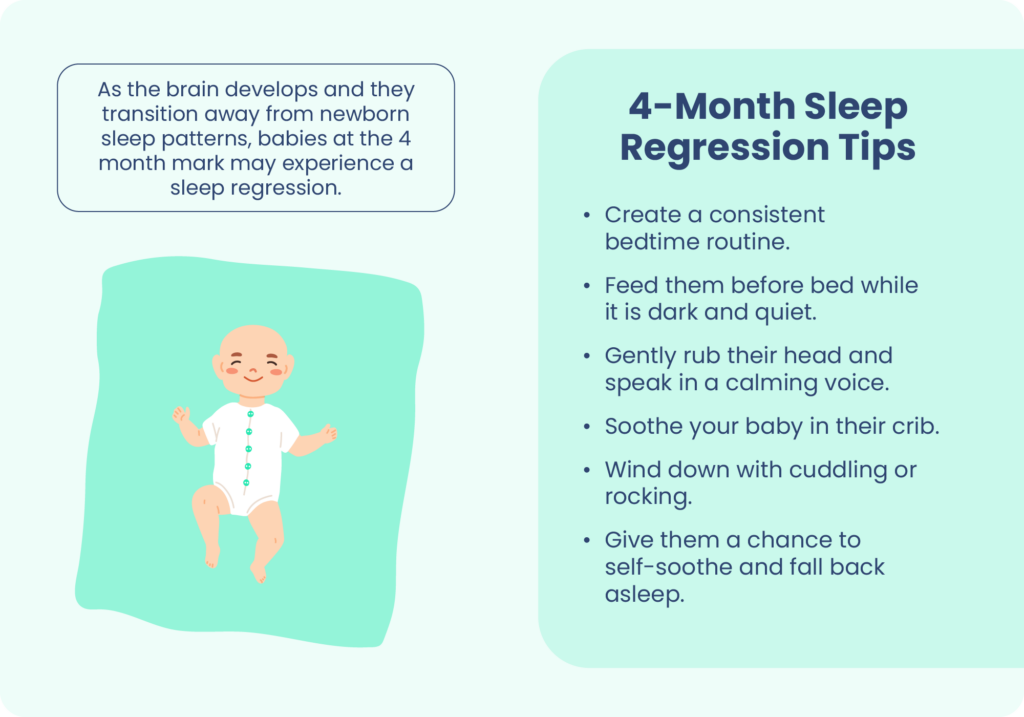
At around 4 months, babies are consolidating their sleep cycles, meaning they’re moving towards more adult-like sleep patterns. This can mean more frequent night wakings as they practice transitioning between sleep stages. Naps may also become more erratic. You might see them dropping a nap, or suddenly fighting them altogether.
Between 8-10 months, babies are often mastering mobility skills like crawling and pulling to stand. This excitement and physical effort can lead to increased fussiness at bedtime and more frequent nighttime wakings. They may also be experiencing separation anxiety, making it harder for them to settle independently. Nap resistance is also common.
Around 12 months, the first birthday often brings a flurry of excitement and changes to routine. This can disrupt sleep, as can the development of a stronger sense of self and the desire for more independence. You might notice increased resistance to naps and bedtime, as well as more frequent and prolonged night wakings. Teething is also a common culprit around this age.
Here’s a quick overview:
Age | Common Manifestations ------- | -------- 4 Months | Increased night wakings, erratic naps, sleep consolidation 8-10 Months | Fussiness at bedtime, more frequent wakings, nap resistance, separation anxiety 12 Months | Birthday excitement, routine changes, increased independence, teething
- 4 months: Babies start moving toward adult-like sleep cycles, which often causes more frequent waking between cycles.
- 8-10 Months: Fussiness at bedtime, more frequent wakings, nap resistance, separation anxiety
- 12 Months: Birthday excitement, routine changes, increased independence, teething
Spring 2026 Sleep Regression: Expected Sleep Pattern Changes
| Age | Pre-Regression Sleep (Total Hours, Naps) | Regression Symptoms | Post-Regression Sleep (Total Hours, Naps) |
|---|---|---|---|
| 4 Months | Approximately 12-16 hours total, including 3-4 naps. Nap lengths vary, typically 30-60 minutes each. | Increased night wakings, shorter naps, fussiness, increased need for parental soothing to fall back asleep. May resist bedtime. | Typically 11-14 hours total. Naps consolidate to 3, potentially longer in duration (60-90 minutes). Night sleep generally improves, though occasional wakings are still common. |
| 8 Months | Around 12-15 hours total, with 2-3 naps. Naps are becoming more predictable and may total 2-3 hours per day. | Sudden increase in night wakings, difficulty self-soothing, increased clinginess, resistance to naps, and potential for increased feeding at night. | Generally 11-14 hours total. Naps may transition to 2 longer naps, totaling around 2-2.5 hours. Night sleep usually stabilizes, with fewer wakings. |
| 12 Months | Approximately 11-14 hours total, with 2 naps. Naps are typically 1-2 hours each, totaling 2-3 hours daily. | Increased fussiness at bedtime and during naps, resisting sleep, waking more frequently overnight, and potentially exhibiting separation anxiety. | Around 11-13 hours total. Naps often consolidate into a single, longer nap (1.5-3 hours). Night sleep becomes more consistent, with longer stretches of uninterrupted sleep. |
Illustrative comparison based on the article research brief. Verify current pricing, limits, and product details in the official docs before relying on it.
Checking for teething and illness
While it's tempting to attribute all sleep disturbances to the spring regression, it’s important to rule out other potential causes. Sometimes, what appears to be a regression is actually something else entirely. Teething can cause significant discomfort and disrupt sleep, as can illness. An ear infection, a cold, or even allergies can make it difficult for your baby to settle.
Check for hunger or a wet diaper first. If they're hitting a growth spurt, they might just need an extra ounce or two during the day to stay settled at night.
If you're concerned, don’t hesitate to consult your pediatrician. They can rule out any underlying medical conditions and offer personalized advice. Signs to watch out for include fever, difficulty breathing, persistent vomiting, or a rash. Trust your instincts – if something doesn't feel right, seek medical attention.
Kyte vs. Dreamland sleep sacks
A well-chosen sleep sack can be a lifesaver during a sleep regression. They provide a sense of security and comfort, which can help your baby settle more easily. They also eliminate the need for loose blankets, reducing the risk of SIDS. Two popular options are the Kyte Baby Sleep Sack and the Dreamland Baby Sleep Sack, but they each have different strengths and weaknesses.
The Kyte Baby Sleep Sack is made from incredibly soft bamboo rayon, which is breathable and gentle on sensitive skin. It’s known for its lightweight feel and comes in a variety of adorable prints and colors. Kyte sacks generally range from 0.5 to 1.0 TOG, making them ideal for warmer temperatures. They typically cost around $35-$50 depending on size and pattern. One downside is that they don't offer weighted options.
The Dreamland Baby Sleep Sack is unique in that it features gentle weight distributed throughout the sack, designed to promote deeper and more restful sleep. This weight mimics the feeling of being held, which can be incredibly comforting for babies. They offer a range of TOG ratings, from 0.1 to 2.5, making them suitable for a wider range of temperatures. Dreamland sacks are typically priced between $80-$120. However, some parents find the weight takes some getting used to for their baby.
Here’s a quick comparison:
Feature | Kyte Baby Sleep Sack | Dreamland Baby Sleep Sack ------- | -------- | -------- Material | Bamboo Rayon | Cotton Weight | No | Yes TOG Ratings | 0.5 - 1.0 | 0.1 - 2.5 Price | $35-$50 | $80-$120 Best For | Warm climates, sensitive skin | Babies who benefit from gentle pressure
- Kyte Baby Sleep Sack: Soft bamboo rayon, lightweight, breathable, $35-$50
- Dreamland Baby Sleep Sack: Weighted, various TOG ratings, $80-$120
Getting back to a routine
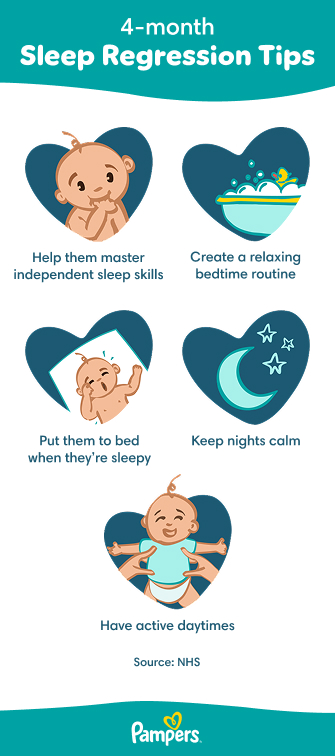
The best way to navigate a sleep regression is to focus on re-establishing a consistent routine. This provides your baby with a sense of predictability and security, which can help them feel more comfortable and relaxed. A consistent bedtime routine is key – think bath, book, and lullaby. Keep it short and sweet, around 20-30 minutes.
Creating a calming sleep environment is also crucial. Make sure the room is dark, quiet, and cool. A white noise machine can help block out distracting sounds. Respond to nighttime wakings with reassurance, but avoid creating new sleep associations. A gentle pat on the back or a few soothing words can be enough to help your baby settle back to sleep.
Consistency is important, but also flexibility. There will be nights when your baby needs a little extra comfort. Don’t be afraid to offer it, but try to avoid rocking or feeding them completely back to sleep. Understanding wake windows – the amount of time your baby can stay awake between naps – is also helpful. Appropriate wake windows vary by age, so research what’s typical for your baby’s developmental stage.
When to Seek Expert Help
While most sleep regressions are temporary and resolve on their own, there are times when it’s important to seek professional help. If the regression is severe, prolonged (lasting more than 2-3 weeks), or accompanied by other concerning symptoms, such as fever, difficulty breathing, or changes in appetite, consult your pediatrician.
A certified sleep consultant can also provide personalized guidance and support. They can help you identify the underlying causes of your baby’s sleep problems and develop a tailored plan to address them. Resources like the American Academy of Sleep Medicine can help you find a qualified professional.

No comments yet. Be the first to share your thoughts!