


40 Quick Fixes and Best Sleep Sacks
Establishing a quick sleep routine requires a clear sequence: define the constraint, compare realistic options, test the tradeoff, and choose the path with the fewest hidden costs. This order keeps the advice usable instead of decorative. After each step, pause to check whether the recommendation fits the reader's actual situation. If a method depends on perfect timing or unusual access, include a simpler fallback.
The 40-second tissue trick explained
The viral "40-second tissue trick" gained popularity after a father demonstrated how gently stroking a soft tissue across a baby's forehead can induce sleep in roughly 40 seconds. The technique relies on a slow, repetitive rhythm that mimics the calming touch of a parent. While it may seem like a simple hack, the method taps into specific physiological responses that help regulate a baby's nervous system.
When you stroke a tissue down a baby's face in a consistent, gentle motion, you are providing tactile stimulation that activates the parasympathetic nervous system. This is the body's "rest and digest" mode, which counteracts the "fight or flight" stress response. For babies with regulated nervous systems, this gentle input can be enough to tip them from a state of "sleepy but awake" to fully asleep. The soft texture of the tissue ensures the sensation is non-invasive, avoiding the startle reflex that might occur with firmer touch.
It is important to understand that this technique is not a universal cure for sleeplessness. It works best for infants who are already tired but struggling to settle, typically between 0 and 6 months of age. The goal is not to force sleep but to create a physiological environment where sleep can happen naturally. If a baby is overtired, hungry, or in discomfort, the tissue trick alone may not be sufficient, and other soothing methods like feeding or rocking may be needed first.
While the speed of the technique is appealing, consistency is key. The motion should be slow and rhythmic, similar to a heartbeat, rather than fast or erratic. Many parents find that combining this tactile stimulation with other soothing elements, such as white noise or a dark room, enhances the effect. However, the tissue trick itself is a standalone method that leverages the body's natural calming mechanisms to help your baby drift off quickly.
Kyte baby sleep sack review
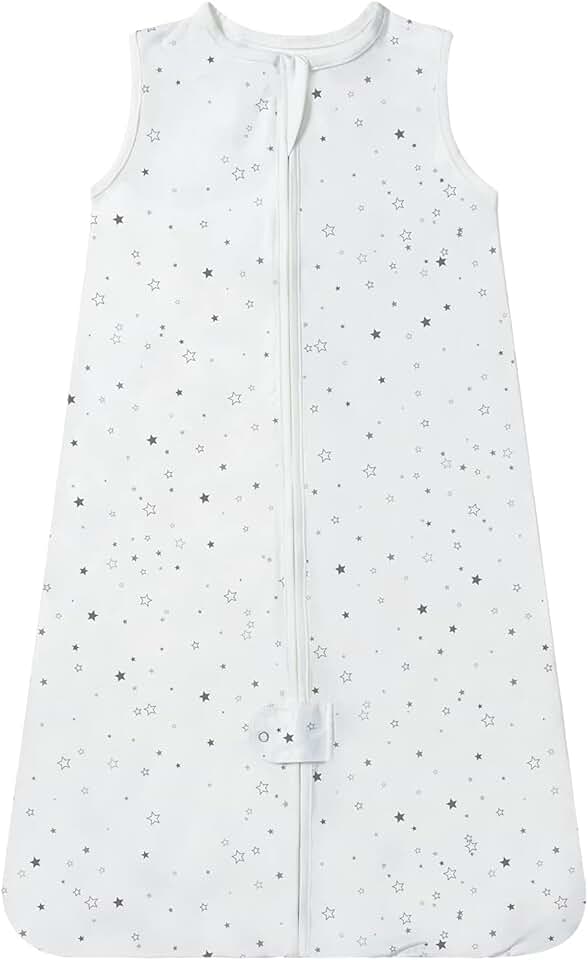
The Kyte baby sleep sack is a premium choice for parents prioritizing temperature regulation and tactile comfort. Its signature fabric, a blend of viscose from bamboo and cotton, offers a silky, breathable feel that many parents find superior to standard cotton muslins. This material is particularly effective for babies who tend to overheat, as it wicks moisture away from the skin while maintaining a consistent microclimate.
For the 40-second sleep technique to work effectively, the baby must be physically comfortable. An overheated or restricted infant will struggle to settle, regardless of the soothing technique applied. The Kyte’s ergonomic design allows for natural hip movement and free arm positioning, which helps prevent the startle reflex from waking the baby during the transition to sleep. This freedom of movement complements the gentle patting or tissue techniques by ensuring the body remains relaxed rather than tense.
Safety remains the top priority when selecting sleepwear. The Kyte sleep sack is designed to fit snugly around the shoulders while providing ample room for leg development, reducing the risk of overheating associated with loose blankets. It is available in multiple tog ratings, allowing parents to adjust warmth based on room temperature and season. This adaptability makes it a versatile tool in a broader sleep strategy, supporting the quick settling methods without compromising on safety or comfort.


As an Amazon Associate, we may earn from qualifying purchases.
Dreamland baby sleep sack review
The Dreamland sleep sack stands out for its weighted design, offering a gentle, consistent pressure that mimics a parent's touch. This sensory input can be particularly helpful for anxious sleepers or those who struggle to settle, providing a calming anchor that encourages deeper rest. The sack is constructed from breathable, organic cotton, ensuring your baby stays comfortable without overheating during the night.
Safety remains the top priority. The weighted sections are strategically placed in the torso area, avoiding the chest and neck to allow for unrestricted breathing and natural movement. While the weighted feature offers comfort, it is crucial to follow the manufacturer’s weight guidelines strictly. This product is intended for babies who can roll over independently and are typically over four months old, ensuring the weight provides security rather than restriction.
For parents seeking a reliable sleep aid, the Dreamland sack combines ergonomic design with soothing weight. It works well alongside other calming techniques to create a comprehensive bedtime routine. Below are the available variants to help you choose the right fit for your child's size and sleep needs.

As an Amazon Associate, we may earn from qualifying purchases.
Kyte vs Dreamland: Sleep Sack Comparison
Choosing the right sleep sack often comes down to fabric feel and temperature regulation. Both Kyte and Dreamland are top-rated options, but they serve different needs.
| Feature | Kyte BABY | Dreamland |
|---|---|---|
| Material | Bamboo viscose | Organic Cotton |
| Weight | Lightweight | Weighted |
| Temperature | Cooling | Insulating |
| Price | Premium | Mid-range |
Kyte’s bamboo fabric is ideal for hot sleepers or warmer climates. Dreamland offers a heavier, weighted feel that some parents find more comforting for deeper sleep. Consider your baby’s typical body temperature when deciding.
Best sleep sacks for quick settling
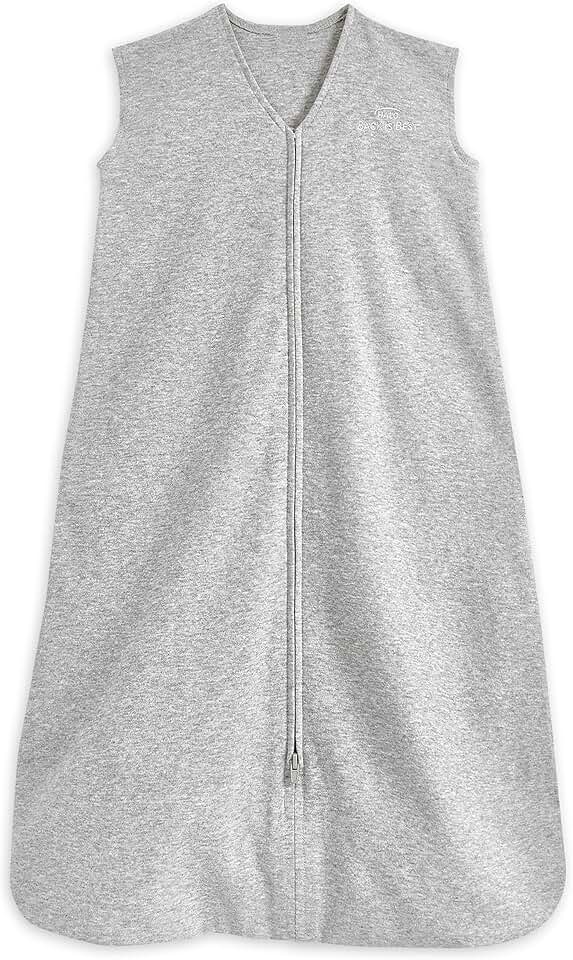
A good sleep sack does more than keep your baby warm; it provides the secure, womb-like pressure that helps them settle faster. When combined with gentle patting or tissue techniques, a consistent sleep environment signals safety and encourages deeper rest. Choosing the right sack ensures your baby stays comfortable without the risk of loose blankets.


As an Amazon Associate, we may earn from qualifying purchases.
Crib safety guidelines
While quick techniques help settle your baby, the sleep environment itself is the most critical factor in preventing SIDS. The American Academy of Pediatrics recommends placing infants on their backs on a firm, flat surface free of loose bedding, pillows, or soft toys.
A sleep sack is safer than loose blankets, which can cover the face and restrict breathing. Keep the room cool and ensure the crib meets current safety standards to create a secure space for those quick settling methods to work effectively.
40 Quick Fixes for Faster Sleep
- White Noise: Use a white noise machine set to 50-60 decibels to mask household sounds and mimic the womb environment.
- Dim Lights: Lower lighting 30 minutes before bed to signal melatonin production.
- Consistent Routine: Establish a 20-minute pre-sleep routine (bath, book, bed) to create sleep associations.
- Swaddling: For newborns, swaddle snugly to prevent the startle reflex from waking them.
- Tissue Trick: Gently stroke a soft tissue across the forehead in a slow, rhythmic motion.
- Patting: Rhythmic patting on the back or bottom can soothe a fussy baby.
- Rocking: Gentle rocking in a chair or arms mimics the motion of being carried.
- Feeding: Ensure the baby is full before sleep to prevent hunger wakes.
- Diaper Change: Change diapers immediately before bed to ensure comfort.
- Cool Room: Keep the nursery between 68-72°F (20-22°C) for optimal sleep.
- Darkness: Use blackout curtains to block external light sources.
- Pacifier: Offer a pacifier to satisfy the sucking reflex and promote calm.
- Skin-to-Skin: Hold the baby against your chest for immediate calming.
- Massage: Gentle baby massage can reduce tension and promote relaxation.
- Deep Breathing: Parents should breathe deeply to calm their own nerves, which helps calm the baby.
- Avoid Overstimulation: Limit play and interaction 1 hour before bedtime.
- Scheduled Naps: Prevent overtiredness by adhering to age-appropriate nap schedules.
- Sleep Cues: Use specific phrases like "time to sleep" to build verbal associations.
- Consistent Bedtime: Put the baby down at the same time every night.
- Safe Sleep Position: Always place the baby on their back.
- Firm Mattress: Use a firm, flat mattress to reduce SIDS risk.
- No Loose Bedding: Remove pillows, blankets, and stuffed animals from the crib.
- Sleep Sack: Use a wearable blanket instead of loose blankets.
- Temperature Check: Feel the baby’s chest or back to check for overheating.
- Humidifier: Use a cool-mist humidifier if the air is dry to prevent congestion.
- Night Light: Use a dim night light if the baby is afraid of the dark.
- Quiet Environment: Minimize noise during nighttime feedings and changes.
- Brief Interactions: Keep nighttime interactions boring and brief.
- Drowsy but Awake: Put the baby down when drowsy but still awake to learn self-soothing.
- Gradual Withdrawal: Slowly reduce physical contact (patting, rocking) as the baby falls asleep.
- Check for Discomfort: Ensure the baby isn’t too hot, cold, or in pain.
- Gas Relief: Burp the baby thoroughly to release trapped gas.
- Tummy Time: Ensure adequate tummy time during the day to prevent flat head and aid digestion.
- Hydration: Ensure the baby is well-hydrated, especially if breastfeeding.
- Iron Levels: Check for iron deficiency if the baby has restless sleep (consult a pediatrician).
- Allergy Management: Manage environmental allergies that may cause nasal congestion.
- Teething Relief: Use teething toys or cold washcloths if teething is disrupting sleep.
- Growth Spurts: Expect increased feeding during growth spurts and adjust expectations.
- Separation Anxiety: Provide extra comfort during separation anxiety phases.
- Patience: Remember that sleep regression is temporary and normal.
No comments yet. Be the first to share your thoughts!