
The Urgent Shift in Baby Sleep Safety: Why Weighted Sleep Sacks Are Now Under Fire
Parents are rethinking baby sleep safety in a big way. What was once considered a soothing solution – weighted sleep sacks – is now facing serious scrutiny. The American Academy of Pediatrics (AAP) and the Consumer Product Safety Commission (CPSC) have issued warnings about these products, and a growing number of parents are actively switching to safer alternatives. This isn't just a minor adjustment; it’s a fundamental change in how we approach infant sleep.
The core issue is safety. Investigations are underway regarding multiple fatalities potentially linked to weighted infant products, including sleep sacks. The CPSC is specifically looking at cases where the added weight may have contributed to breathing difficulties. It’s a frightening realization for parents who believed they were providing a comforting and secure sleep environment for their babies.
Social media is buzzing with discussions about the risks, and retailers are responding. Many are pulling weighted sleep sacks from their shelves. This shift underscores a critical message: what seems safe isn’t always safe, and staying informed is paramount. We'll break down the dangers, explore specific brands under fire, and guide you towards truly safe baby sleep solutions.
Understanding the Risks: Why Weighted Sleep Sacks Can Be Dangerous for Babies
The danger with weighted sleep sacks isn’t about a dramatic, crushing weight. It’s about subtle pressure and its impact on a baby’s delicate respiratory system. Even a gentle weight can obstruct breathing, especially during deep sleep when infants’ breathing becomes naturally shallower. Their flexible chest walls are particularly vulnerable, making them susceptible to oxygen drops and potentially fatal apneas.
The AAP’s stance is clear: weighted products pose a significant risk. They released a statement in early 2024 emphasizing that there is no evidence of benefit to using weighted swaddles or sleep sacks and that the potential for harm outweighs any perceived advantages. The CPSC investigation confirms at least one death linked to a weighted sleep sack, and they are actively investigating several other cases.
Babies aren't simply smaller adults. Their bodies are still developing, and their ability to regulate breathing and heart rate is less efficient. This makes them uniquely vulnerable to the negative effects of external pressure. A baby struggling to breathe under the weight, even if slight, may not have the strength or coordination to remove the sack themselves. It's a truly terrifying thought.
The risk isn’t limited to babies with pre-existing conditions. Even perfectly healthy infants can experience respiratory distress. I’ve spoken to several parents who initially dismissed the warnings, believing their baby was strong enough to cope, but then experienced a frightening scare that changed their minds. It’s a risk that isn't worth taking.
Dreamland Baby Sleep Sacks: A Brand Under Intense Scrutiny
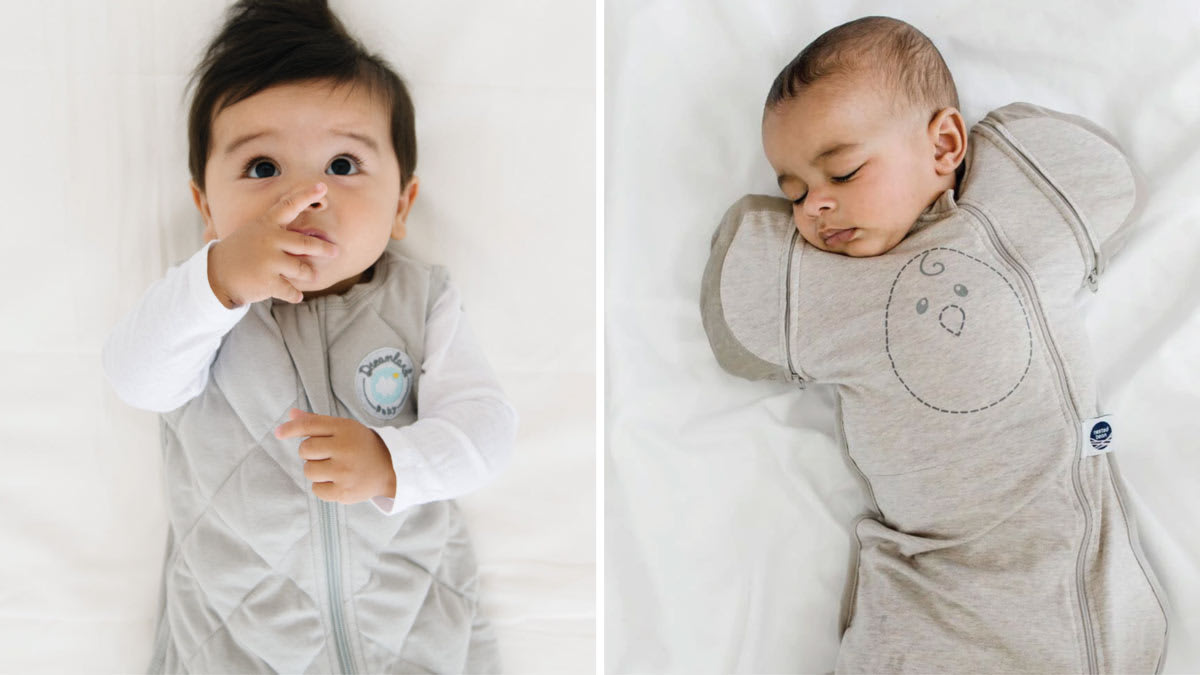
Dreamland Baby sleep sacks are at the center of much of the recent concern. Multiple sources now consider them dangerous, and they've been banned in many stores across the United States. The core issue is the use of weight, despite warnings from safety experts.
Parent forums, particularly on Reddit, are filled with stories of concern and anxiety regarding Dreamland Baby products. Parents are actively warning each other against using these sacks, sharing their fears and experiences. The consensus is overwhelmingly negative, with many feeling misled by the company’s marketing.
While Dreamland Baby has maintained that their products are safe when used as directed, the sheer volume of negative feedback and the official warnings from the AAP and CPSC cast a long shadow. It’s a complex situation, but the weight of evidence suggests that these sacks pose an unacceptable risk to infant safety. I'm not aware of any significant changes they've made to address these concerns.
Kyte Baby Recall & What It Means for Your Sleep Sack
The safety concerns aren’t limited to weighted sleep sacks. Kyte Baby recently issued a recall for certain Slumber Suits manufactured between November 2022 and March 2024. This recall isn’t related to weight, but rather a violation of federal safety standards regarding neck and shoulder openings.
Specifically, the Slumber Suits were found to have openings that could pose a choking hazard to infants. The Consumer Product Safety Commission details that the neck and shoulder openings failed to meet requirements for preventing a baby’s head from passing through, creating a potential strangulation risk. This is a serious issue, and Kyte Baby is cooperating with the CPSC on the recall.
If you own a Kyte Baby Slumber Suit, you need to check the manufacturing date. Look for the date printed on the garment's care label. If it falls within the affected timeframe, immediately stop using the product and contact Kyte Baby for a full refund or replacement. You can find detailed recall information and instructions on the CPSC website (cpsc.gov).
- Check the date: Locate the manufacturing date on the care label.
- Stop use: If the date falls between November 2022 and March 2024, discontinue use immediately.
- Contact Kyte Baby: Request a refund or replacement through their official recall process.
Beyond Weighted: What Makes a Sleep Sack Truly Safe?
So, what should you look for in a safe sleep sack? The first and most important thing is to avoid anything with added weight. Stick to traditional, non-weighted designs that meet AAP safety guidelines. Beyond that, consider the TOG rating – this indicates the level of warmth.
TOG ratings range from 0.5 to 3.5. A lower TOG (0.5-1.0) is suitable for warmer temperatures, while a higher TOG (2.5-3.5) is better for colder temperatures. Overheating is a significant risk factor for SIDS, so choosing the right TOG is crucial. Always dress your baby appropriately for the room temperature in addition to using a sleep sack.
Material is also important. Breathable fabrics like cotton, muslin, or bamboo are ideal. Avoid synthetic materials that can trap heat. Pay attention to the design – look for sleep sacks with armholes that allow for freedom of movement, and avoid anything that could potentially restrict breathing. A proper fit is also vital; it shouldn’t be too tight or too loose.
There's a lot of marketing out there, but ultimately 'safe' isn't a one-size-fits-all concept. It's about understanding the risks and choosing a product that aligns with your baby's individual needs and your home environment.
Top-Rated Non-Weighted Sleep Sacks: Alternatives Parents Are Loving
Parents are finding excellent alternatives to weighted sleep sacks. The HALO Sleepsack Swaddle is a consistently popular choice, known for its simple design, breathable cotton, and secure fit. It's available in a range of TOG ratings to suit different climates, and typically costs around $30.
The Primary Sleep Sack is gaining traction, especially as a budget-friendly option. Currently on clearance for around $13, it offers a safe and comfortable sleep environment without breaking the bank. It’s made from 100% cotton and comes in various sizes.
Woolino 4 Season Ultimate Sleep Bag is a more premium option, priced around $100. Its merino wool construction provides excellent temperature regulation, keeping babies warm in the winter and cool in the summer. It’s a versatile and durable choice, though the price point is higher.
Many parents also appreciate the Burt's Bees Baby Sleep Sacks, made from organic cotton. They’re soft, gentle on sensitive skin, and available in a variety of cute patterns. These generally run around $25-$35. These options are all free of added weight and designed with safety as a priority.
Top-Rated Non-Weighted Sleep Sacks for Safe Sleep
Ultra-soft bamboo rayon fabric · Zipper closure for easy diaper changes · Generous leg room for healthy hip development
This sleep sack is highly praised for its incredibly soft material and thoughtful design, making it a favorite for parents seeking comfort and safety.
100% cotton, breathable fabric · Sleeveless design to prevent overheating · Generous sack design allows room for kicking
A trusted and widely recommended brand, the HALO SleepSack offers a reliable and safe option for keeping babies warm without the risks associated with loose blankets.
Made from natural merino wool · Regulates temperature for year-round comfort · Hypoallergenic and breathable
The Woolino sleep bag is exceptional for its natural merino wool, which adapts to temperature changes, ensuring your baby is comfortable in any season.
100% organic cotton · Snap-shoulder design for easy dressing · Reinforced seams for durability
This organic cotton sleep sack from Burt's Bees Baby is a safe, gentle, and eco-friendly choice for parents prioritizing natural materials.
Soft, breathable cotton · Two-way zipper for easy diaper changes · Designed to promote longer sleep
While Dreamland Baby is known for weighted options, their non-weighted sleep sacks offer the same commitment to comfort and quality for safe sleep.
As an Amazon Associate I earn from qualifying purchases. Prices may vary.
Transitioning From Swaddle to Sleep Sack: A Step-by-Step Guide
Many parents are now navigating the transition from swaddle to sleep sack, and it can be challenging. The key is to start gradually. Don’t go cold turkey – begin by swaddling with one arm out for a few nights, then both arms out. This allows your baby to adjust to the feeling of more freedom.
Next, introduce the sleep sack. You can start by putting your baby in the sleep sack for daytime naps, so they can get used to the sensation while they’re awake and less likely to protest. Once they’re comfortable with the sleep sack during the day, transition to using it for nighttime sleep.
Expect some resistance. Your baby may fuss or cry, especially if they were very attached to being swaddled. Offer extra comfort and reassurance during this transition. A warm bath, a gentle massage, or a soothing bedtime story can help. It's important to be patient and consistent.
If your baby is truly struggling, you can try a transitional swaddle – a sleep sack with detachable sleeves that allow you to gradually reduce the amount of swaddling. Remember, every baby is different, and some will adapt more quickly than others. It might take a week or two, but with patience and consistency, you can make the transition successfully.
Decoding TOG Ratings: Finding the Right Warmth for Your Baby
Understanding TOG ratings is essential for ensuring your baby sleeps comfortably and safely. TOG stands for Thermal Overall Grade, and it measures the fabric’s ability to trap heat. The higher the TOG rating, the warmer the sleep sack.
A TOG rating of 0.5 is ideal for warm temperatures (75-80°F), while a TOG rating of 1.0 is suitable for moderately warm temperatures (70-75°F). For cooler temperatures (65-70°F), a TOG rating of 2.5 is a good choice. And for cold temperatures (below 65°F), a TOG rating of 3.5 is recommended.
Always consider your baby’s clothing when choosing a TOG rating. If your baby is wearing a long-sleeved onesie, you’ll need a lower TOG rating than if they’re wearing just a diaper. Overheating is a significant risk factor for SIDS, so it’s better to err on the side of caution and choose a slightly lower TOG rating.
Here's a quick guide:
It's crucial to regularly check your baby for signs of overheating, such as sweating, flushed skin, or rapid breathing.
- 0.5 TOG: 75-80°F (Warm)
- 1.0 TOG: 70-75°F (Moderately Warm)
- 2.5 TOG: 65-70°F (Cool)
- 3.5 TOG: Below 65°F (Cold)
Recommended Sleep Sack TOG Ratings & Baby Clothing
| Room Temperature (°F) | Recommended TOG Rating | Baby's Clothing Layers | Notes |
|---|---|---|---|
| Below 68°F | 2.5 - 3.5 TOG | Long-sleeved onesie + warm pajamas | Use for colder nurseries. Monitor baby for overheating. |
| 68-72°F | 1.0 TOG | Long-sleeved onesie | Most common room temperature; a versatile TOG rating. |
| 72-76°F | 0.5 TOG | Short-sleeved onesie or diaper only | Ideal for warmer rooms; prevents overheating. |
| 76-80°F | 0.1 TOG | Diaper only | Suitable for hot weather; ensure adequate ventilation. |
| Above 80°F | No Sleep Sack | Diaper only | Generally, a sleep sack isn't needed and could cause overheating. Focus on light clothing. |
| 65-68°F | 1.5 TOG | Onesie + light pajama pants | Provides a bit more warmth for slightly cooler rooms. |
| 70-74°F | 0.7 TOG | Short-sleeved onesie | A good option for moderate temperatures, offering a little more coverage than 0.5 TOG. |
Data sourced from AI research — verify before making decisions

No comments yet. Be the first to share your thoughts!