

How we end up co-sleeping
Many parents start out co-sleeping, and that’s perfectly normal. It’s often less about a conscious choice and more about what feels right—and what works—in those early months. You’re responding to your baby’s needs, and sometimes that means bringing them into bed for easier feeding or simply to soothe them. There’s a lot of pressure on new parents, and sometimes the easiest way to get everyone back to sleep is to have baby close.
Biologically, babies are designed to be close to their parents. The scent of a parent is incredibly regulating for a newborn, and the warmth and sound of a heartbeat are comforting reminders of the womb. This isn’t a sign of weakness or "spoiling’ your baby; it"s a deeply ingrained instinct. These instincts aren't just about comfort, they also impact physiological regulation.
Cultural norms also play a big role. In many cultures around the world, co-sleeping is the standard practice, and it’s viewed as a natural and healthy way to raise children. It’s important to remember that there’s no one "right" way to do things. What works for one family may not work for another. I think it's important to acknowledge that judgment from others can be really tough, but you have to do what feels best for your family.
While sharing a bed makes nighttime feedings easier, you might be ready for your own space again. This transition is a slow process, not an overnight fix.
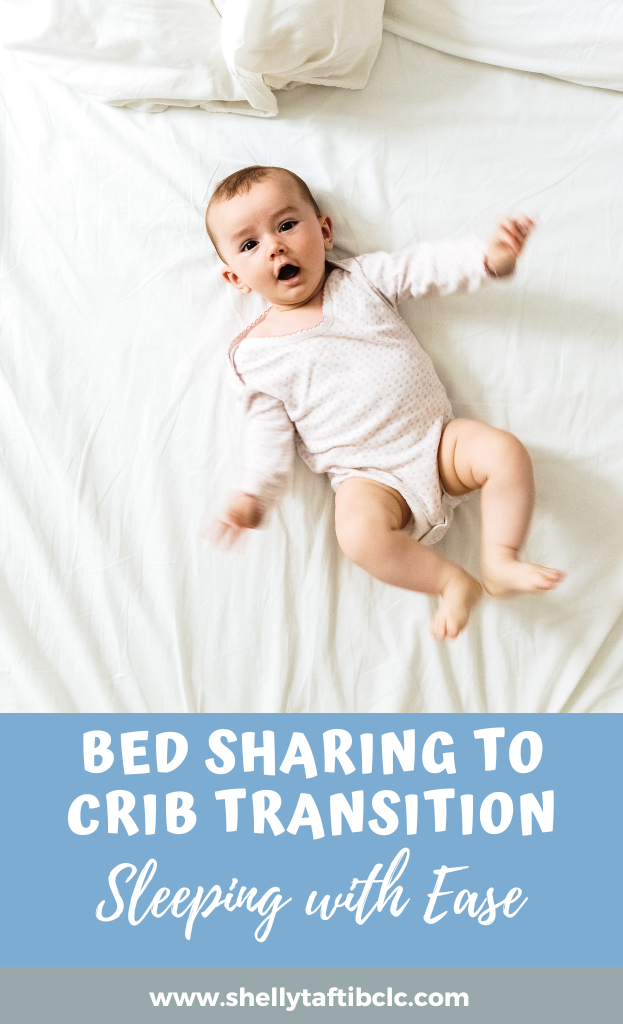
Signs your baby is ready for a crib
Before you even think about moving your baby to the crib, you need to assess their readiness. Pushing a transition before they’re ready is almost guaranteed to lead to frustration for both of you. Generally, around six months is a good time to start considering it, but every baby is different. Don’t get hung up on the age; focus on the signs.
Look for signs of developing sleep patterns. Can your baby self-soothe for at least some periods? Do they have longer wake windows? Are they starting to show interest in toys or activities in their crib during the day? These are all positive indicators. A baby who is still waking multiple times a night solely for comfort may not be quite ready to sleep independently.
Temperament also matters. Some babies are naturally more adaptable than others. A baby who is generally easygoing is likely to adjust to the crib more readily than a baby who is more sensitive or resistant to change. It's not a judgment, just a reality. Pay attention to your baby's cues; they’ll tell you what they need.
Conversely, there are signs that your baby isn’t ready. Increased crying, extreme clinginess, significant sleep disruption, or a sudden increase in night feedings are all red flags. If you see these, it’s best to pause the transition and revisit it in a few weeks. Trying to force it will likely only make things worse. This is about respecting your baby’s needs, not adhering to a rigid schedule.
- They stay awake for 90 minutes without a meltdown.
- Decreasing night feedings: Baby is starting to sleep longer stretches overnight without needing to eat.
- Interest in crib toys: Baby shows curiosity about toys placed in the crib during awake time.
- You see them sucking on their hands or grabbing a pacifier to settle themselves.
Is Your Baby Ready for the Crib?
Transitioning from co-sleeping to independent sleep in a crib is a big step for both you and your baby. This quick quiz will help you assess if your little one is showing signs of readiness, and what areas might need a little more attention before making the switch. Remember, gentle and gradual transitions are key!
Moving in small steps
The key to a successful and gentle transition is to take it slow. Really slow. This isn’t a race. We want to build positive associations with the crib and avoid creating anxiety for your baby. Start with crib playtime during the day. Let your baby explore the crib while you’re present, offering toys and encouragement. This helps them see the crib as a safe and fun space, not just a place for sleep.
Next, tackle naps. Start with just one nap in the crib per day, while gradually increasing the number over time. If that goes well, move onto bedtime. Begin by sitting in the room with your baby until they fall asleep, then gradually move your chair further away each night. Eventually, you’ll be sitting just outside the door, then eventually not at all.
Pacing is crucial. Some babies will adjust quickly, while others will need weeks or even months. Don’t compare your baby to others. Every baby is unique. Be prepared for setbacks. There will be nights when your baby cries or refuses to settle. That’s okay. Gently reassure them, offer comfort, and try again the next night.
Consistency is important, but flexibility is also key. If your baby is sick or going through a developmental leap, it’s okay to take a step back and offer more comfort. Don’t feel guilty about reverting to co-sleeping temporarily. The goal is to create a positive sleep experience, not to rigidly adhere to a plan. Remember, this is a journey, and it’s okay to adjust along the way.
Setting up the room
Making the crib a desirable place to be is essential. First and foremost, prioritize safe sleep. Always use a firm mattress with a fitted sheet. Avoid loose bedding, pillows, bumpers, and stuffed animals – these pose a suffocation risk. The American Academy of Pediatrics (AAP) provides detailed safe sleep guidelines on their website (aap.org).
Room darkening is your friend. A dark room signals to your baby’s brain that it’s time to sleep. Blackout curtains are a great investment. White noise can also be incredibly helpful in blocking out distracting sounds and creating a calming atmosphere. A consistent temperature is also important – aim for between 68-72 degrees Fahrenheit.
A sleep sack helps replace the warmth of your body. Kyte makes soft bamboo versions, while Dreamland uses weighted pads that some parents find helpful for restless sleepers. Just check the TOG rating to ensure they don't overheat in a 70-degree room.
However, it’s important to remember that a sleep sack is just a tool. It won’t magically solve the problem. It’s about creating a comfortable and safe environment that supports your baby’s sleep. Don't fall into the trap of thinking you need the most expensive or heavily marketed product. Focus on what works best for your baby.
- Firm mattress: Essential for safe sleep.
- Fitted sheet: Use only a fitted sheet, no loose bedding.
- Blackout curtains: Create a dark sleep environment.
- White noise machine: Masks distracting sounds.
- Consistent temperature: 68-72 degrees Fahrenheit.
Kyte vs. Dreamland Baby Sleep Sacks: A Comparison to Support Crib Transition
| Feature | Kyte Baby Sleep Sack | Dreamland Baby Sleep Sack | Considerations for Crib Transition |
|---|---|---|---|
| Material | Bamboo rayon | Organic cotton | Both materials are breathable and soft, important for comfortable sleep and reducing overheating, a key factor when moving to a crib. |
| Weight | Lightweight | Slightly heavier | Consider your baby's preference. Some babies respond well to the gentle pressure of a slightly weighted sack during the transition. |
| TOG Ratings | Generally 0.5 - 1.0 TOG | 0.5, 1.0, & 2.5 TOG options | Dreamland offers more versatility for different room temperatures. Maintaining a consistent sleep environment temperature is important when transitioning to the crib. |
| Price Range | Typically $35 - $60+ | Typically $80 - $120+ | Kyte generally represents a more budget-friendly option. Price isn’t necessarily indicative of effectiveness for sleep, but can influence your choice. |
| Size Availability | 0-18 months, 18-36 months | 0-12 months, 12-18 months, 18-36 months | Ensure a proper fit is crucial for safety and comfort. A snug, but not tight, fit is ideal for a successful crib transition. |
| Ease of Washing | Machine washable, tumble dry low | Machine washable, tumble dry low | Easy care is a bonus for parents, especially during sleep training. Frequent washing is recommended to maintain hygiene. |
| Design Features | Simple designs, variety of colors | Wing design intended to prevent Moro reflex disruption | The Dreamland wing design may be beneficial for babies easily startled by their own movements, potentially aiding a smoother transition. |
Illustrative comparison based on the article research brief. Verify current pricing, limits, and product details in the official docs before relying on it.
Addressing Night Wakings During the Transition
Night wakings are inevitable during any sleep transition. The question is how to respond. The approach you take will depend on your comfort level and your baby’s temperament. Completely ignoring your baby’s cries (extinction) is one option, but it’s not the gentle approach we’re advocating for here. Picking up your baby every time they cry isn’t ideal either, as it can reinforce the expectation of being held to sleep.
"Check-ins’ are a good middle ground. When your baby cries, go in and offer brief reassurance – a gentle pat on the back, a soothing word, but avoid picking them up. Gradually increase the time between check-ins. This teaches your baby that you’re still there, but they need to learn to self-soothe. ‘Fade-outs" are similar – gradually reducing the amount of physical support you provide over time.
Some crying is likely, and that’s okay. It’s important to remember that crying is a baby’s way of communicating their distress. It doesn’t mean you’re doing anything wrong. It means they’re adjusting to a new routine. Try to remain calm and consistent in your response. Your baby will pick up on your anxiety.
There are different sleep training philosophies out there – Ferber, cry-it-out, no-cry – and it’s important to find one that aligns with your values. However, the focus of this section is on gentle methods that prioritize your baby’s emotional well-being. Remember, the goal is not to eliminate crying altogether, but to help your baby learn to fall asleep independently with minimal distress.
Troubleshooting Common Roadblocks
Despite your best efforts, you’re likely to encounter some roadblocks. One common issue is a baby who refuses to settle in the crib. Try offering a comfort object, like a small blanket or stuffed animal (once they’re old enough). Make sure the room is dark and quiet, and that your baby isn’t hungry or uncomfortable.
Another problem is a baby who cries as soon as you leave the room. This is where consistent check-ins are crucial. Reassure your baby that you’re still there, but avoid picking them up. Gradually increase the time between check-ins. Rachael Mo from heysleepybaby.com emphasizes the importance of staying calm and consistent, even when it’s difficult.
Frequent wake-ups after the transition are also common. This could be a sign that your baby isn’t quite ready, or it could be a temporary regression. Try to identify any underlying causes – teething, illness, or a change in routine – and address them accordingly. If the wake-ups persist, consider consulting with a sleep consultant.
Finally, be prepared for regressions. Even after a few successful nights, your baby may suddenly start waking up more frequently or refusing to sleep in the crib. This is often due to a developmental leap or a change in routine. Don’t panic. Gently revisit the strategies outlined in this article and stay consistent.
- Baby refuses to settle: Offer a comfort object, ensure a dark and quiet room.
- Cries when you leave: Consistent check-ins, reassure without picking up.
- Frequent wake-ups: Identify underlying causes, consult a sleep consultant if needed.
- Regression: Gently revisit strategies, stay consistent.
When to Seek Professional Help
Sometimes, the transition is causing significant stress for either the baby or the parents. If you’re feeling overwhelmed, exhausted, or anxious, it’s okay to seek professional help. If your baby is exhibiting signs of extreme distress – prolonged crying, refusal to eat, or significant sleep disruption – it’s also important to consult with a pediatrician.
A certified sleep consultant can provide personalized guidance and support, tailored to your baby’s specific needs. They can help you identify any underlying issues that may be contributing to the sleep problems and develop a plan to address them. Look for consultants who are certified by a reputable organization.
Your pediatrician can rule out any medical conditions that may be affecting your baby’s sleep. They can also offer reassurance and support. Don’t hesitate to reach out to your healthcare provider if you have any concerns. It’s better to be safe than sorry.

No comments yet. Be the first to share your thoughts!