

Why the Crib Transition Feels So Hard
Moving your baby from co-sleeping to a crib is rarely easy. Many parents feel guilt, anxiety, or sadness during this transition. If you're struggling, know you're not alone. Finding this challenging doesn't mean you've done anything wrong.
Babies are wired to seek close proximity to their caregivers for the first several months. Your scent, body warmth, and heartbeat are comforting. Co-sleeping provides this closeness.
Co-sleeping exists on a spectrum. Some families bed-share, while others room-share with the baby in a bassinet or separate sleep surface in the parents' bedroom. Both offer benefits, but most families eventually transition to independent crib sleep. This is a natural progression as your baby develops, not a reflection of 'failure' to co-sleep.
Guilt can stem from feeling like you're abandoning your baby or depriving them of closeness. Acknowledge this feeling. Providing a safe and consistent sleep environment is an act of love; your baby will still feel your love and connection when sleeping in their own space.

Is Your Baby Truly Ready?
Age isn't the only factor when deciding if your baby is ready for a crib. While many families consider the transition around four to six months, developmental milestones are better indicators. Look for signs like consistent rolling, sitting up with support, and a decreased need for constant physical contact to fall asleep.
The CDC offers guidance on safe sleep practices. Their recommendations, detailed on cdc.gov, emphasize a firm, flat sleep surface with no loose bedding, pillows, or toys in the crib. This reduces the risk of SUID (Sudden Unexpected Infant Death) and SIDS (Sudden Infant Death Syndrome).
Consider your baby’s temperament. Is your baby generally adaptable and easygoing, or more sensitive and prone to fussiness? A sensitive baby might benefit from a slower, gradual transition. Also consider if any underlying medical reasons exist to delay the transition. For example, babies with reflux or digestive issues might be more comfortable sleeping at an incline, which isn’t recommended for cribs.
- Rolling over consistently
- Sitting up with support
- Decreased need for constant physical contact
- Generally adaptable temperament
Preparing the Crib & Nursery
Set up the crib. Ensure the mattress is firm and fits snugly. Always use a fitted sheet – never loose blankets or bumpers. The room temperature should be cool and comfortable, ideally between 68-72 degrees Fahrenheit. Darkness is important; blackout curtains can help create a sleep-conducive environment.
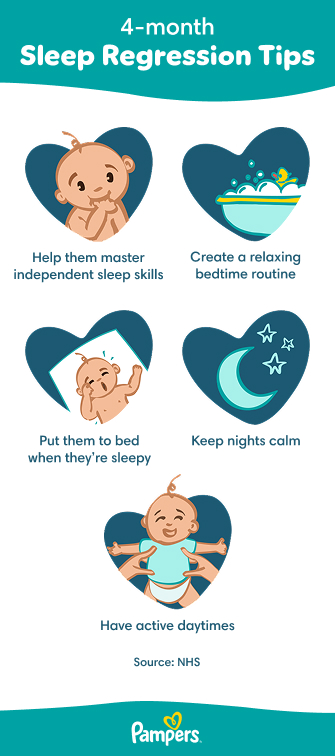
Establish a calming bedtime routine in the nursery. This might include a warm bath, a gentle massage, reading a book, or singing a lullaby. Consistency is key. Repeating the same routine each night signals to your baby that it’s time to sleep.
Make the crib feel more inviting. A familiar-smelling blanket or sleep sack (used safely, placed under the baby and not covering their face) can provide comfort. A white noise machine can mask distracting sounds and create a soothing atmosphere. Consistent, dim lighting can signal bedtime.
Gradual vs. Cold Turkey: Which Approach?
Two main approaches exist for the crib transition: 'cold turkey' and 'gradual'. The 'cold turkey' method involves immediately moving the baby to the crib and allowing them to self-soothe. This can be effective for some, but is often more stressful for both baby and parents. It requires emotional fortitude and can result in several nights of crying.
The 'gradual' approach involves slowly increasing the time the baby spends in the crib. This could start with naps, then progress to sitting with the baby in the crib until drowsy before leaving, and eventually to fully independent sleep. This method is gentler and allows the baby to adjust at their own pace.
Here's a quick comparison:
The best approach depends on your baby’s temperament and your comfort level. A gradual approach is likely more successful for a sensitive baby. Cold turkey might be tempting if you’re overwhelmed, but be prepared for rough nights. I recommend the gradual approach for most families, as it minimizes stress and fosters security.
- Cold Turkey: Direct, potentially stressful, requires strong parental resolve.
- Gradual: Gentler, allows for adjustment, may take longer.
Gradual vs. Cold Turkey: Crib Transition Approaches
| Approach | Pros | Cons | Best Suited For |
|---|---|---|---|
| Gradual Transition | Minimizes sleep disruption for baby, allows baby to adjust to new sleep space at their own pace, potentially less parental stress. | Can be a longer process, requires consistent effort and patience, may not work for all babies. | Babies who are sensitive to change, parents who prefer a gentle approach, families who want to avoid significant crying. |
| Cold Turkey Transition | Potentially faster transition, clear boundaries established immediately, can be effective for independent babies. | May result in more crying and protest initially, can be stressful for both baby and parents, requires strong parental consistency. | Babies who are generally adaptable, parents who are comfortable with some initial crying, situations where co-sleeping needs to stop quickly for safety reasons. |
| Gradual Transition - Proximity | Leverages baby's familiarity with parental scent and presence, can ease anxiety about the new space. | Requires continued presence in the room initially, can be difficult to gradually reduce parental presence. | Babies who respond well to parental reassurance, parents who are comfortable spending time in the room while baby falls asleep. |
| Cold Turkey Transition - Fully Independent | Establishes immediate independence, removes any association with parental presence during sleep. | May be more challenging for baby to self-soothe, requires a consistent bedtime routine. | Babies who show signs of independence, parents who want to encourage self-soothing from the start. |
| Gradual Transition - Daytime Naps First | Allows baby to become comfortable with the crib during wakeful periods, reduces anxiety associated with nighttime sleep. | May not directly translate to nighttime success, requires separate strategies for nighttime transition. | Babies who are more easily adaptable during the day, parents who want to build positive associations with the crib. |
| Cold Turkey Transition - Consistent Routine | Reinforces a predictable bedtime routine, helps baby understand expectations. | Requires strict adherence to the routine, may not be effective if baby is overly distressed. | Babies who thrive on routine, parents who prioritize consistency. |
Illustrative comparison based on the article research brief. Verify current pricing, limits, and product details in the official docs before relying on it.
The Gradual Transition: A Step-by-Step Guide
Here is a practical, step-by-step plan for a gradual transition. Consistency is vital. Stick to the same routine each night, even on weekends. Patience is also key – it takes time for babies to adjust to change.
Start with naps. Offer one nap a day in the crib. If your baby resists, don’t force it. Try again the next day. Once your baby is consistently napping in the crib, offer a second nap there as well.
Drowsy but awake. Once your baby is taking naps in the crib, put them down drowsy but still awake for bedtime. Sit with your baby in the crib, offering comfort and reassurance, until they become drowsy. Then, gently place them on their back and leave the room.
Check-ins. If your baby cries, start with brief check-ins at increasing intervals. Check on them after 3 minutes, then 5 minutes, then 10 minutes. The goal isn’t to pick them up, but to offer verbal reassurance and a gentle pat. Gradually increase the intervals between check-ins over several nights.
Independent sleep. Eventually, you can put your baby down awake and leave the room without crying. This is a milestone! Maintain a consistent bedtime routine and a calming sleep environment.
Setbacks are inevitable. If your baby has a fussy night, don’t panic
Troubleshooting Common Crib Transition Issues
Despite your best efforts, you’re likely to encounter some challenges during the crib transition. One common issue is inconsolable crying. If your baby is crying hysterically, first rule out any obvious causes like hunger, a dirty diaper, or illness. Then, offer comfort and reassurance, but avoid picking them up if possible. The goal is to help them learn to self-soothe.
Another frequent problem is frequent night wakings. If your baby is waking up multiple times a night, make sure they’re not hungry or uncomfortable. Consider using a sleep sack, like the Kyte baby sleep sack available at Find PM, to provide a sense of security. A Dreamland baby sleep sack can also be helpful, offering gentle compression that can be comforting for some babies.
Sometimes, babies simply refuse to settle in the crib. If this happens, try creating a more inviting environment. A familiar-smelling blanket (used safely) or a white noise machine can help. You might also try shortening the bedtime routine or adjusting the room temperature. If the issues persist, it's wise to consult with your pediatrician to rule out any underlying medical conditions.
Don’t hesitate to seek professional help if you’re struggling. A certified sleep consultant can provide personalized guidance and support. Remember, you're not alone, and there are resources available to help you navigate this challenging transition.
Sleep Sacks: Your Secret Weapon?
Sleep sacks can be incredibly helpful during the crib transition. They provide a sense of security and comfort, mimicking the feeling of being swaddled without the risks associated with loose blankets. They also help regulate your baby's temperature, preventing them from overheating or getting too cold.
The Kyte baby sleep sack, available at Find PM, is a popular choice due to its incredibly soft bamboo fabric. The Dreamland baby sleep sack is another excellent option, offering gentle compression that can be particularly soothing for babies who are used to being held. Both brands offer a range of sizes and TOG ratings.
TOG (Thermal Overall Grade) ratings indicate the warmth of the sleep sack. Lower TOG ratings (0.5-1.0) are suitable for warmer temperatures, while higher TOG ratings (2.5-3.5) are best for cooler temperatures. Choosing the right TOG rating is crucial for ensuring your baby’s comfort and safety.
When using a sleep sack, always follow the manufacturer’s instructions. Ensure it fits snugly around your baby’s shoulders and arms, but isn’t too tight. Never use a sleep sack with a hood or any loose parts that could pose a suffocation hazard. While sleep sacks are a wonderful tool, they aren’t a magic bullet – they work best when combined with a consistent bedtime routine and a safe sleep environment.
Staying Consistent & Self-Care for Parents
Consistency is the cornerstone of a successful crib transition. Once you’ve chosen an approach, stick with it as much as possible. Avoid sending mixed signals to your baby. A predictable routine will help them feel safe and secure.
This transition can be emotionally draining for parents. Remember to prioritize self-care. Get enough sleep (as much as possible!), eat healthy meals, and find time for activities you enjoy. Don’t be afraid to ask for help from your partner, family, or friends.
Setbacks are normal. There will be nights when your baby cries, and you’ll question your decision. Don’t beat yourself up. Just take a deep breath, remind yourself why you’re doing this, and keep moving forward. Celebrate small victories along the way. Every night your baby sleeps a little longer in the crib is a step in the right direction.
Remember, you’re doing a great job. This is a challenging time, but you’re providing your baby with the foundation for healthy sleep habits. Resources for parental mental health, such as Postpartum Support International, can be valuable during this period.
How did you transition your baby from co-sleeping to sleeping in the crib?
Every family's crib transition journey looks different. We want to hear about yours! Vote below and share your experience in the comments to help other parents navigating this milestone.



No comments yet. Be the first to share your thoughts!