

The 40-Second Sleep Method: What Is It?
Claims of a method to get your baby to sleep in 40 seconds have circulated widely, becoming a viral sensation since gaining traction in 2026. It's largely credited to parent Iris Sharma, who shared her success on social media. The method recreates womb sensations using gentle shushing, rhythmic patting, and secure swaddling to activate a natural calming reflex.
Initially, skepticism was high, with many sleep experts cautioning against any positioning other than on the back. However, the volume of parents reporting positive results has fueled significant buzz. This method isn't a guaranteed fix for every baby and requires consistent application. It offers a different approach than many traditional sleep training methods, capturing the attention of exhausted parents.
This method focuses on immediate calming rather than prolonged soothing. Many established techniques involve extended periods of rocking, feeding, or other interventions. The 40-second method aims to bypass fussiness escalation by tapping into primal reflexes. We'll break down how it works and what makes it different from other methods.
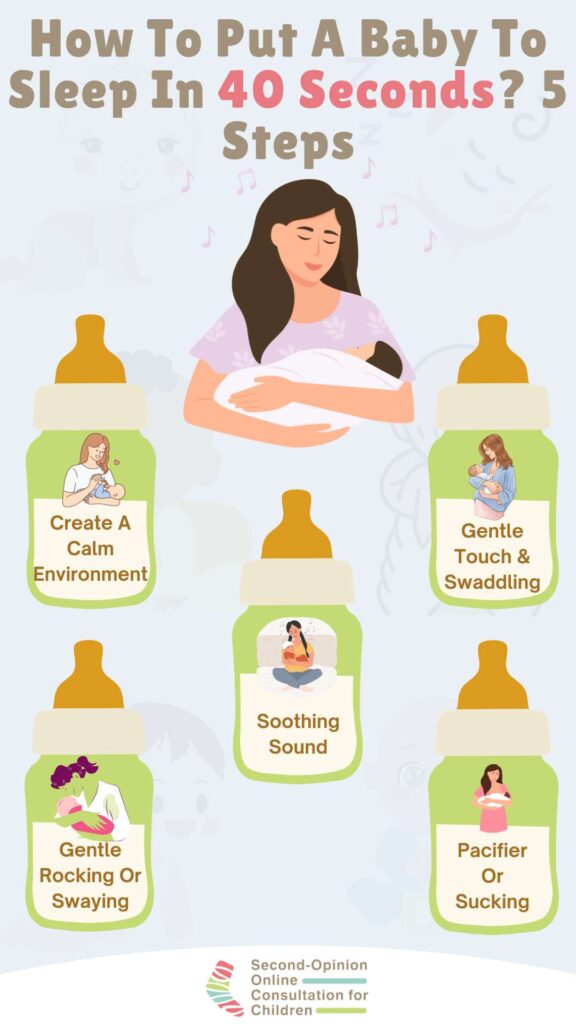
How To Put A Baby To Sleep In 40 Seconds https://t.co/lzsSoBHUqc
— Kahawa Tungu (@KahawaTungu) November 20, 2024
Breaking Down the Four Steps
The 40-second sleep method has four distinct steps. First is swaddling. Safe swaddling is paramount; ensure it isn’t too tight around the hips, allowing for healthy leg movement, and always place the baby on their back. Many swaddle options exist, from traditional blankets to zippered swaddles, each with its own learning curve.
Step two involves a temporary side or stomach position, which can cause initial anxiety. The key is that this position is brief – just long enough to trigger the calming reflex. As soon as your baby starts to become drowsy, immediately return them to their back. This isn't about leaving your baby on their stomach; it's about using a momentary position to activate their calming response. Holding this position for too long is a common mistake.
Next comes shushing. The shush should be loud – think the sound of rushing air. It needs to be as loud as, or louder than, your baby’s cries to override their distress. New parents often underestimate the required volume. Finally, rhythmic patting. Gentle, consistent patting on the baby’s bottom or back, combined with shushing, creates a soothing rhythm. Gradually fade the patting as the baby settles.
Safety is non-negotiable. This method does not involve leaving a baby unattended in any position other than on their back. Consult your pediatrician if you're unsure about any step. A frequent error is inconsistency with the timing or volume of shushing and patting; it needs to be done precisely as described for optimal results.
- Step 1: Swaddling – Secure, but allows for hip movement.
- Step 2: Temporary Positioning – Brief side/stomach, immediately back to back.
- Step 3: Shushing – Loud, like rushing air.
- Step 4: Patting – Rhythmic, gentle, and gradually faded.
Why Does This Seem to Work?
The effectiveness of this method seems to lie in its ability to mimic the environment of the womb. Swaddling provides a sense of security and containment, similar to being held tightly within the uterus. The shushing sound replicates the constant noises a baby hears in utero – the whooshing of blood flow, muffled sounds from the outside world. The rhythmic patting mimics the gentle rocking motion experienced during pregnancy.
These sensations trigger a calming reflex, essentially telling the baby’s nervous system that they are safe and secure. The theory is that these actions bypass the baby’s conscious fussiness and tap into deeply ingrained primal calming mechanisms, acting as a neurological reset.
Timing and consistency are crucial. Performing these steps immediately when the baby shows signs of distress is key. Waiting too long allows the baby to escalate into a full-blown cry, making them harder to calm. Consistent application reinforces the association between these sensations and sleep.
Age and Development: Is It Right for Your Baby?
This method tends to be most effective for newborns up to around four months of age. During this period, babies are highly responsive to these primal calming techniques. As babies get older and develop stronger sleep associations – like needing to be rocked or fed to sleep – the method may become less effective. It’s harder to override established patterns.
Developmental milestones also play a role. For example, during periods of significant developmental leaps, babies may experience increased fussiness and sleep disruptions. The 40-second method might not be enough to counteract these disruptions. Adjust your expectations and be patient during these times. This isn't a one-size-fits-all solution.
Contraindications exist. This method is not recommended for babies with certain medical conditions, such as hip dysplasia, or for babies who strongly resist swaddling. Always consult your pediatrician before starting any new sleep training technique. Prioritize safe sleep practices – back to sleep, firm sleep surface, and no loose bedding.
Sleep Sacks & Swaddles: The Essential Gear
A safe and effective swaddle or sleep sack is essential for successfully implementing this method. A properly fitted swaddle provides the necessary containment to activate the calming reflex. However, it’s crucial to choose a swaddle that allows for healthy hip movement to prevent developmental issues. The Kyte baby sleep sack is a popular choice, praised for its incredibly soft bamboo fabric and TOG ratings suitable for various temperatures.
The Dreamland baby sleep sack is another highly regarded option, with a weighted design that mimics the feeling of being held. Many parents report the gentle pressure helps their babies sleep more soundly. When comparing options, consider the material, TOG rating (thermal overall grade), and ease of use. A lower TOG rating is suitable for warmer climates, while a higher TOG rating is best for cooler temperatures.
Transitioning out of swaddling is a significant milestone. Do this gradually, as abruptly stopping can disrupt sleep. Many sleep sacks offer transitional features, such as removable arms, to ease the transition. A dark, quiet sleep environment is also important. Blackout curtains and a white noise machine can help create the ideal sleep setting.
Troubleshooting: What If It Doesn't Work?
It’s common for parents to encounter challenges when trying the 40-second method. One frequent issue is baby resisting swaddling. If your baby fights the swaddle, try a different type of swaddle or consider a sleep sack. Another challenge is that the shushing isn’t calming. Ensure the shush is loud enough – it needs to be louder than the baby’s cries. If the patting seems to escalate fussiness, try a gentler rhythm or adjust the location of the patting.
Sometimes, despite your best efforts, the baby doesn’t settle after 40 seconds. If this happens, don’t force it. Take a break and try again later. This method isn’t a magic bullet. Parents can get discouraged quickly, so offer realistic expectations. It may take several attempts before your baby responds.
If you’ve tried the method consistently for several days and are still struggling, it may be time to seek professional help. A certified sleep consultant can provide personalized guidance and support. Don’t hesitate to reach out to your pediatrician if you have any concerns about your baby’s sleep.
Parent Reactions: What People Are Saying
The online response to the 40-second method has been incredibly varied. On Twitter, user @SleepDeprivedMom wrote, "Honestly, I was skeptical, but it worked! My little one was asleep in 35 seconds. A lifesaver!’ However, others haven’t had the same experience. Reddit user u/ExhaustedParent87 shared, ‘Tried it for a week, and it didn’t make a difference. My baby actually cried more.", though many commenters suggested they weren't shushing loudly enough.
A common theme in positive feedback is the sense of relief and empowerment. Parents feel they finally have a tool to soothe their baby quickly and effectively. Negative feedback often centers on the method not working for all babies, or requiring trial and error to get the technique right.
The range of experiences highlights the importance of individualizing the approach. What works for one baby may not work for another. Be patient, adaptable, and willing to adjust the method to suit your baby’s needs. Hearing directly from other parents can provide valuable insights and support.
Beyond 40 Seconds: Building Healthy Sleep Habits
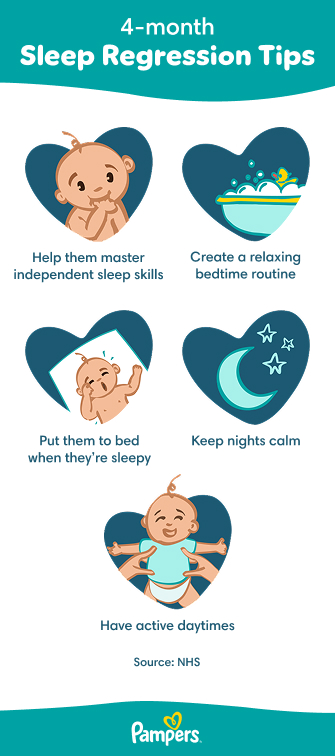
The 40-second method is a powerful tool, but it’s one piece of the puzzle, not a cure-all for sleep problems. Establishing a consistent bedtime routine is essential to signal to your baby that it’s time to sleep. This routine could include a warm bath, a gentle massage, and a quiet story.
Creating a dark and quiet sleep environment is also crucial. Blackout curtains can block out light, and a white noise machine can mask distracting sounds. Recognizing your baby’s sleepy cues – like yawning, rubbing eyes, and fussiness – can help you put them to bed before they become overtired. Empower parents to create a long-term sleep plan.
Ultimately, the goal is to foster independent sleep. This means helping your baby learn to fall asleep on their own, without relying on external aids like rocking or feeding. Sleep regressions are a normal part of development, and it’s important to be prepared for them. With patience, consistency, and the right tools, you can help your baby develop healthy sleep habits that will last a lifetime.

No comments yet. Be the first to share your thoughts!