

Why the crib feels like a vast ocean
This transition is genuinely tough on parents. You’ve finally gotten your baby to sleep somewhere, and now you’re being asked to change things up? It feels counterintuitive, and it’s okay to feel frustrated. But understanding why this shift is challenging can make it easier to navigate.
The biggest factor is space. A bassinet is a snug, secure environment. A crib, even a smaller one, feels enormous in comparison. Your baby is used to feeling contained, and suddenly they’re in a much larger area. This can be unsettling, even if they don’t consciously understand it.
Around 4 months, babies start to reach new developmental milestones—rolling, reaching, and eventually sitting. These new skills are exciting, but they can also disrupt sleep. It’s not necessarily a sleep regression, but a transition as your baby adapts to their changing abilities and needs.
Your baby isn't fighting you. They are just adjusting to a new environment. The fussiness and extra wake-ups are their way of saying things feel different. It isn't a sign of failure; it's just how development works.
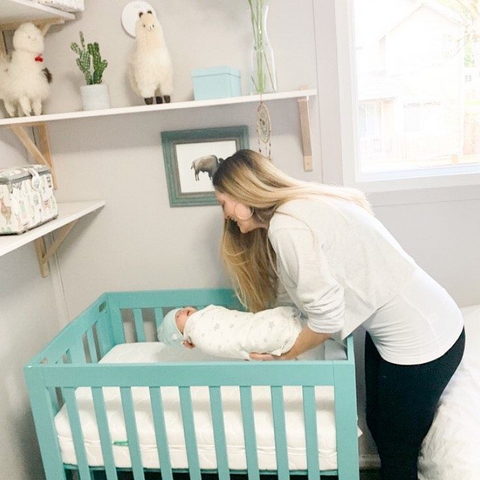
Wait for the right window
Don't rush the transition to the crib. While many parents aim for around 4 months, there’s no hard and fast rule. The ideal time is when your baby is developmentally ready and you feel prepared. Pushing it before either of you are ready will likely lead to more stress.
Look for signs of readiness. Is your baby consistently gaining weight and meeting developmental milestones? Do they have better head and neck control? These are good indicators. However, if your baby is going through a growth spurt, is sick, or is in the middle of a big developmental leap (like learning to roll), it's best to wait.
Starting the crib transition when your baby is already overtired is a recipe for disaster. Overtired babies have a harder time self-soothing and are more likely to become frustrated. Aim for a well-rested baby for the initial introductions to the crib. A calm baby is a more receptive baby.
Trust your instincts. You know your baby best. If something doesn’t feel right, don’t force it. Sometimes, waiting a week or two can make all the difference.
Start with short visits
This is where the proactive work begins. The key is gradual. Don’t try to switch from bassinet to crib for all sleep at once. Start with supervised awake time in the crib. Place a playmat or encourage tummy time in the crib during the day, so your baby starts to associate it with positive experiences.
Once your baby is comfortable with awake time, you can start introducing naps in the crib. Begin with one nap a day. If that goes well, gradually add more. Don't switch both naps and nighttime sleep simultaneously—that’s too much change at once. Observe how your baby responds and adjust the pace accordingly.
Make the crib familiar. You can use a white noise machine to recreate the sounds they are used to from the bassinet. While some parents use a lovey for scent, keep in mind the CDC recommends a bare crib for safety.
Expect resistance. It won’t be perfect immediately. There will be fussing, maybe some crying. Be patient and consistent. Each baby is different, and some will adjust more quickly than others. Celebrate small victories, like a 20-minute nap in the crib.
- Start with supervised awake time.
- Introduce one nap a day.
- Add more naps gradually.
- Keep the crib bare to follow safety guidelines.
Keep the environment the same
Babies thrive on consistency, so try to replicate the environment they were accustomed to in the bassinet. This is about minimizing the changes and maximizing their sense of security.
A sleep sack like the Kyte bamboo version helps because it mimics the snug feeling of a swaddle without the safety risks of loose blankets. It keeps them warm and contained in that big, new mattress space.
Darkness is your friend. Ensure the room is dark, especially for naps and bedtime. Blackout curtains can be a lifesaver. White noise is also essential. It helps to block out distracting sounds and creates a calming atmosphere.
When choosing a sleep sack, pay attention to TOG ratings. A lower TOG is suitable for warmer temperatures, while a higher TOG is better for colder temperatures. Always prioritize safe sleep practices – the crib should be bare except for a fitted sheet and the sleep sack.
Surviving the first night
The first night can be the most challenging. Expect some protest – it’s perfectly normal. Put your baby down in the crib when they’re drowsy but still awake. This encourages self-soothing.
If your baby fusses, try gentle sleep training methods. The Ferber method (graduated extinction) involves checking in on your baby at increasing intervals. However, this isn’t for everyone. If you prefer a more gradual approach, offer reassurance with gentle words and a pat on the back, but avoid picking them up unless absolutely necessary.
Consistency is key. Once you’ve decided on a method, stick with it. Switching back and forth will only confuse your baby. Remember, it's okay if it doesn’t go perfectly the first night. It may take several nights for your baby to adjust.
Setbacks are normal. There will be nights when your baby seems to regress. Don’t panic. Just go back to the basics and continue to be patient and consistent. Remember that sleep is not linear, and there will be ups and downs.
Step 5: Troubleshooting Common Issues
Sometimes, despite your best efforts, things don’t go as planned. One common issue is your baby waking up immediately after being placed in the crib. This often indicates they’re not tired enough. Try adjusting their bedtime or wake windows.
If your baby cries inconsolably, rule out other causes of discomfort. Is their diaper wet? Are they teething? Are they sick? Address any physical needs before attempting to soothe them. If you're concerned, contact your pediatrician.
Another common problem is a refusal to nap in the crib. If this happens, try shortening the nap or offering a little extra comfort before putting them down. You might also try going back to the earlier step of supervised awake time in the crib to rebuild positive associations.
Remember to be patient and consistent. It takes time for a baby to adjust to a new sleep environment. Don’t give up after one or two tries. Keep offering the crib as a safe and comfortable place to sleep, and eventually, your baby will come around.



No comments yet. Be the first to share your thoughts!