

why babies fight the bassinet
It is exhausting when a newborn refuses the bassinet. You can do everything right and still end up with a baby who screams the second their back hits the mattress. This isn't a failure of your parenting. Most babies just find the transition from a cramped, warm womb to a flat, open bassinet jarring.
There are several common reasons why a baby might resist a bassinet. The Moro reflex, or startle reflex, is strong in newborns, and the open space of a bassinet can trigger it, waking them up. They're also accustomed to feeling secure and enclosed, and a bassinet can feel too exposed after nine months of being tightly held. It's a huge adjustment for them.
Sometimes, discomfort is the culprit. Reflux or gas can make lying flat uncomfortable, and a bassinet doesn’t offer the upright positioning that might ease their discomfort. And, let’s be honest, many babies simply prefer the warmth and closeness of their parents – it’s where they felt safest for so long. Remember that sleep is constantly evolving in the first few months. What works one week might not work the next as your baby grows and their needs change.
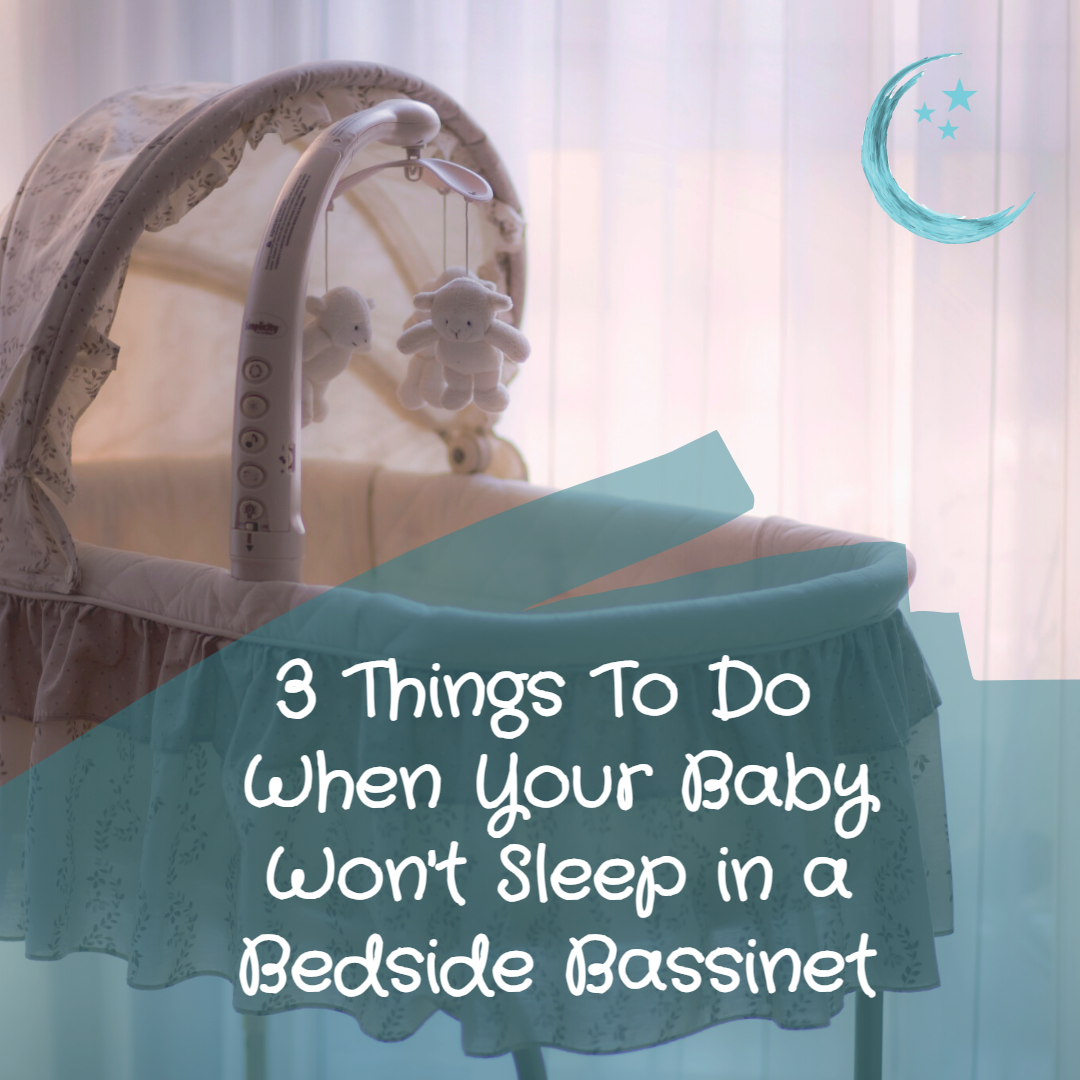
check for medical issues
Talk to your pediatrician before you try to fix sleep habits. Reflux or undiagnosed allergies make lying flat painful, and no amount of soothing will fix a physical ailment. If your baby seems to be in actual pain rather than just being fussy, get a medical opinion first.
Some babies naturally have a higher need for physical closeness and contact than others. This isn't a problem that needs 'fixing,' but understanding this can help you adjust your expectations and find solutions that work for your baby. Your doctor can help you determine if there’s a medical reason for the fussiness or if it’s simply a matter of adjusting to the bassinet.
7 ways to help your baby settle
Okay, you’ve checked with your pediatrician and ruled out any medical concerns. Now what? Here are seven expert-approved solutions to help your baby adjust to sleeping in a bassinet.
1. Swaddling: Swaddling recreates the feeling of being held snugly, which can be incredibly comforting for newborns. It also helps to minimize the Moro reflex. However, it’s essential to swaddle safely. Ensure the swaddle isn’t too tight around the hips, allowing for healthy hip development. Stop swaddling once your baby shows signs of rolling over, usually around 2-4 months, as it can become unsafe. The American Academy of Pediatrics provides excellent guidance on safe swaddling practices.
2. White Noise: White noise mimics the sounds of the womb and can be very soothing. A consistent, calming sound can help to block out household noises and create a more peaceful sleep environment. Aim for a volume that’s similar to a shower or vacuum cleaner – not too loud, but audible. There are dedicated white noise machines, or you can use a fan or a white noise app on your phone.
3. Warm the Bassinet: A cold bassinet can be startling for a baby. Gently warm the bassinet before placing your baby inside. You can use a safe warming pad specifically designed for bassinets, or fill a hot water bottle (wrapped in a towel!) and leave it in the bassinet for a few minutes before removing it. Never place a hot water bottle directly next to your baby.
4. Scent Association: Babies are comforted by familiar scents. Place a small, worn t-shirt that smells like you in the bassinet. This can provide a sense of security and remind your baby of your presence. Be sure the t-shirt is securely placed and doesn’t pose a suffocation risk.
5. Gradual Introduction: Don’t expect your baby to immediately love the bassinet. Start slowly. Begin by having your baby spend short periods in the bassinet while awake, supervised. Gradually increase the amount of time they spend in it. You can also try feeding or reading to your baby in the bassinet to create positive associations.
6. Weighted Sleep Sacks: Weighted sleep sacks, like those from Dreamland Baby or Kyte Baby, can provide a gentle, comforting pressure that mimics the feeling of being held. Many parents find these helpful, but they aren’t a magic bullet. It’s important to choose the correct weight for your baby and to follow the manufacturer’s instructions carefully. I've seen success with these, but it's not a guaranteed solution for every baby.
7. Re-evaluate Timing: Is your baby actually tired when you’re putting them in the bassinet? Overtired babies are often more difficult to settle. Look for early sleep cues – yawning, eye rubbing, fussiness – and aim to put your baby down before they become overtired. Conversely, if you’re putting them down too early, they might not be ready to sleep yet.
when nothing seems to work
Sometimes, despite your best efforts, your baby will continue to resist the bassinet. If your baby cries inconsolably, take a break and try again later. If they only sleep for short stretches, it might be a sign that they’re still adjusting. And if they seem to prefer being held all the time, that’s okay too! It’s important to remember that every baby is different.
Don't be afraid to seek professional help. A certified sleep consultant can provide personalized guidance and support. They can help you identify the underlying reasons for your baby’s sleep struggles and develop a tailored plan to address them. It’s also okay to accept that some babies are simply more challenging sleepers, and that’s perfectly normal.
Dreamland vs. Kyte Baby Sleep Sacks: A Comparison
| Price | Weight Options | Material | Washability | User Reviews (Summary) |
|---|---|---|---|---|
| Dreamland Baby Sleep Sack | Offers a range of weights, including 0.5, 1.0, and 2.0 TOG | Bamboo Viscose | Machine washable; gentle cycle recommended | Generally positive, with many parents reporting success in extending sleep and transitioning from swaddling. |
| Kyte Baby Sleep Sack | Available in 0.5 and 1.0 TOG | Bamboo Rayon | Machine washable; tumble dry low | Highly rated for softness and comfort; some reviews mention sizing runs large. |
| Dreamland Baby Sleep Sack | Designed with a weighted component for a comforting, secure feeling | Breathable and gentle on baby’s skin | Designed to maintain its shape and weight distribution after washing | Parents appreciate the weighted aspect, noting it helps soothe and calm babies. |
| Kyte Baby Sleep Sack | Known for its exceptionally soft fabric | Hypoallergenic and ideal for sensitive skin | Maintains softness with repeated washing | Frequently praised for its luxurious feel and quality construction. |
| Dreamland Baby Sleep Sack | Often recommended for babies transitioning out of the swaddle | Designed to promote better sleep through gentle pressure | Follow manufacturer’s instructions for optimal care | Many users report a smoother transition to independent sleep with this sleep sack. |
| Kyte Baby Sleep Sack | Available in a wide variety of colors and prints | Lightweight and breathable, suitable for year-round use | Easy to care for and quick-drying | Popular choice for its stylish designs and comfortable fit. |
Illustrative comparison based on the article research brief. Verify current pricing, limits, and product details in the official docs before relying on it.
safe sleep basics
Prioritizing safe sleep is paramount. Always place your baby on their back on a firm, flat sleep surface. The bassinet should be free of loose blankets, pillows, bumpers, and toys. Room sharing (keeping the bassinet in your bedroom) is recommended for the first six months, but never bed share.
The American Academy of Pediatrics (AAP) provides comprehensive safe sleep guidelines. You can find more information on their website: Following these guidelines can significantly reduce the risk of SIDS and other sleep-related infant deaths. Remember, a peaceful night's sleep is important, but your baby's safety is the top priority.

No comments yet. Be the first to share your thoughts!