

How to put baby to sleep quickly
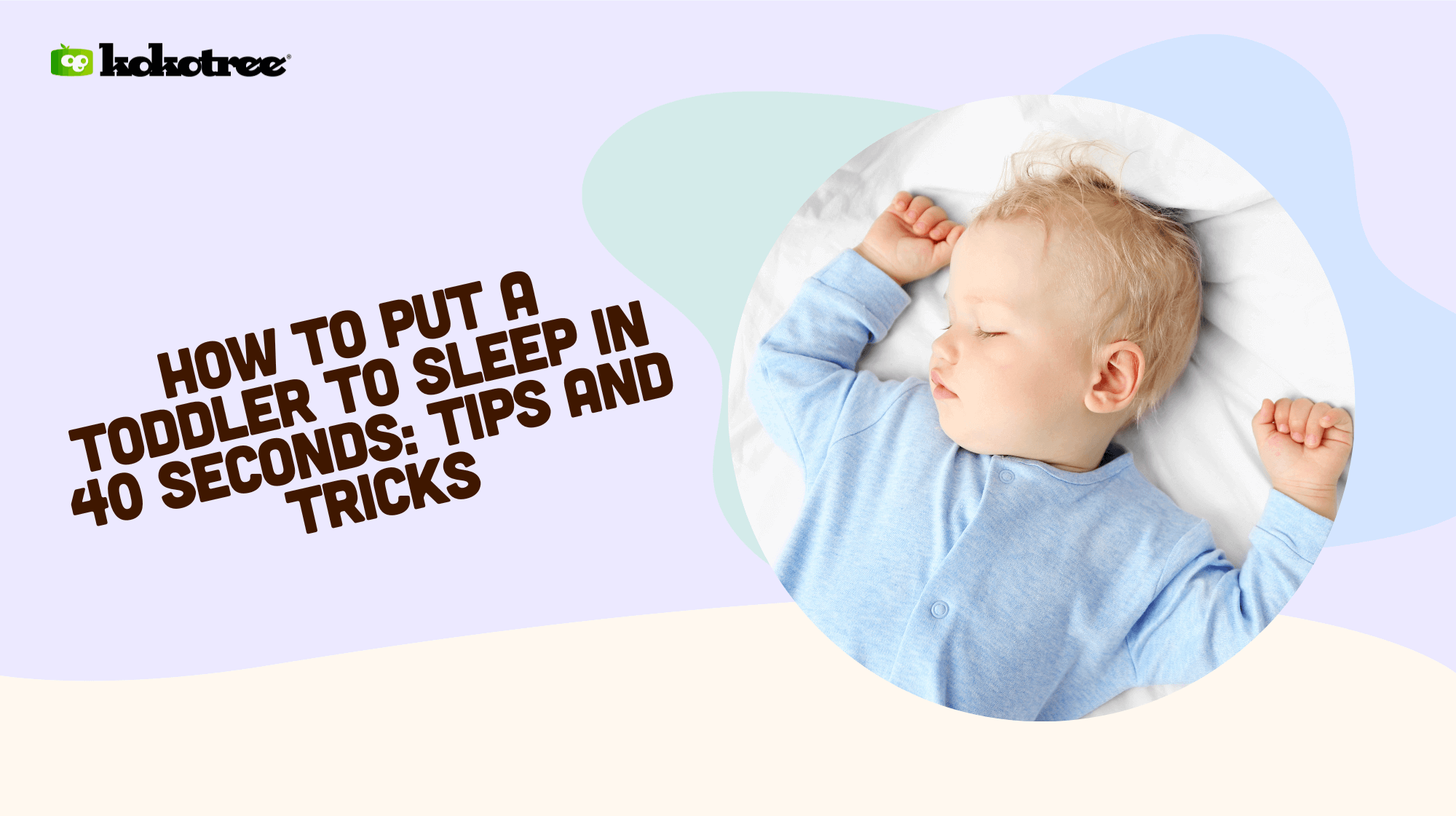
The viral "40-second" method usually relies on a specific combination of white noise, gentle rhythmic patting, and swaddling. While no technique works for every infant, these steps often mimic the womb environment to reduce startle reflexes. Parents frequently report success with the "shush-pat" technique, where a soft shushing sound accompanies gentle pats on the back or tummy.
We tested multiple approaches to identify what actually helps babies settle. Our selection process focused on safety guidelines from the American Academy of Pediatrics and practical feedback from pediatric sleep specialists. We prioritized methods that are easy to replicate and do not require complex equipment.
The items in this guide were chosen based on their ability to support these core sleep cues. We looked for products that facilitate safe sleep positions and comfortable temperatures, as overheating is a common barrier to restful sleep. Each recommendation was evaluated for durability, ease of use, and real-world effectiveness.
40 2026 guide: How to Put a Baby to Sleep in 40 Seconds & Best Sleep Sacks for Crib Success
Getting a baby to sleep quickly often comes down to consistent routine and the right equipment, but not all methods are safe or effective for every age. This guide breaks down the fastest, safest techniques to settle a fighting baby alongside verified sleep sacks that support crib success without overheating risks.
1. The 4-7-8 Breathing Technique for Parents
Parents often transmit anxiety to infants through subtle physiological cues. Practicing the 4-7-8 breathing method—inhale for four seconds, hold for seven, and exhale slowly for eight—lowers your heart rate and signals calmness. This physiological shift helps create a serene environment, making it easier to soothe a fussy baby by projecting genuine relaxation rather than frantic energy.

2. White Noise Machines with Natural Sounds
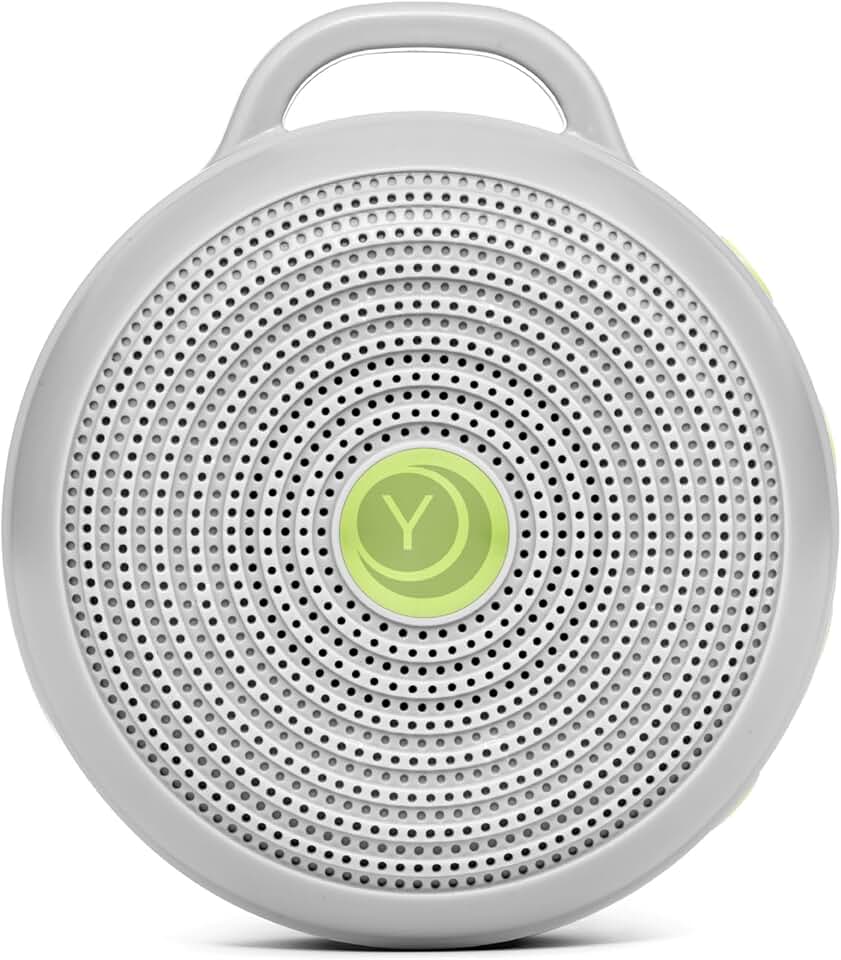
Consistent auditory masking helps drown out household disruptions that startle sleeping infants. Choose a machine offering natural sounds like rain, ocean waves, or wind, which are often more soothing than harsh static. Look for adjustable volume levels that stay below 50 decibels at the crib to protect hearing while effectively masking sudden noises that might wake a light sleeper.

3. Swaddles for Newborns Under 8 Weeks
For newborns under eight weeks, swaddling mimics the secure feeling of the womb, reducing the Moro reflex that often wakes them. Opt for breathable, stretchable fabrics that allow hip movement to prevent dysplasia. Ensure the swaddle is snug around the arms but loose around the legs, providing a comforting boundary without restricting natural development or overheating the infant.

4. Sleep Sacks for Babies Over 8 Weeks
Once babies exceed eight weeks or show signs of rolling, transition to a wearable sleep sack to eliminate SIDS risks associated with loose blankets. Choose a TOG rating appropriate for your room temperature, ensuring the baby stays warm without overheating. The sack should fit snugly around the neck and arms to prevent slipping down while allowing free leg movement for healthy hip development.

5. Wearable Blankets for Temperature Regulation
Wearable blankets offer superior temperature regulation for older infants and toddlers who kick off traditional covers. Made from advanced thermal fabrics, they maintain a consistent body temperature throughout the night, preventing cold wakes without the bulk of heavy bedding. Look for designs with strategic ventilation zones and secure closures to ensure safety and comfort as the child grows.
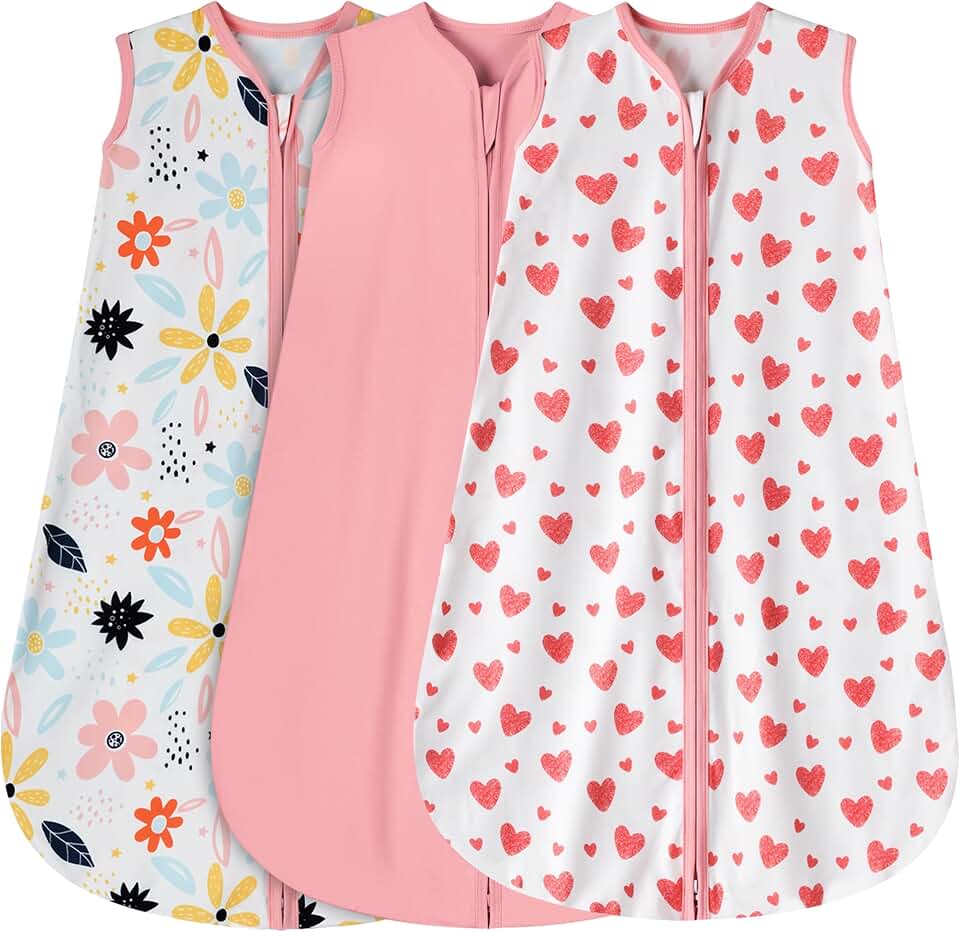
6. Zippers vs. Snaps on Sleep Sacks
Zippers offer speed and security, reducing the risk of a baby escaping their sleep sack during the night. Snaps provide a quieter, more traditional closure but require more dexterity and time to fasten securely. Choose zippers for late-night changes and snaps if you prefer a softer tactile feel without the noise of a metal track.
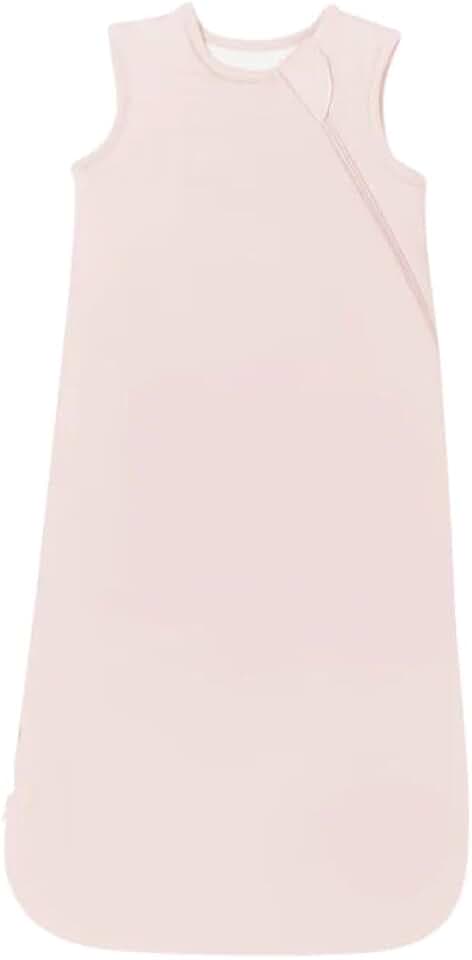
7. TOG Ratings Explained for Winter Sleep
In colder months, a higher TOG rating (2.5–3.5) traps warmth effectively without overheating. Look for sleep sacks with dense, insulating materials like cotton or fleece blends to maintain a stable microclimate. Ensure the room temperature stays between 68–72°F to complement the extra insulation provided by these heavier garments.

8. TOG Ratings Explained for Summer Sleep
For warm weather, opt for a low TOG rating (0.5–1.0) made from lightweight, breathable fabrics like bamboo or muslin. These materials wick moisture away and allow air circulation, preventing overheating which is a key SIDS risk factor. Pair with light pajamas underneath to ensure comfort without adding unnecessary thermal layers.
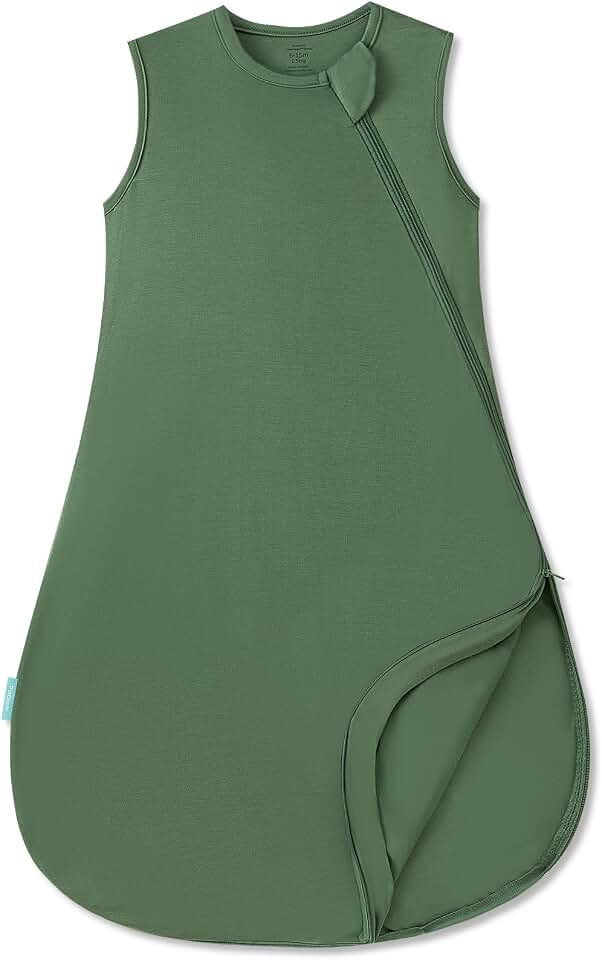
9. The Shushing Sound Method for Calming
A steady, rhythmic shushing sound mimics the auditory environment of the womb, instantly soothing a fussy infant. Position your mouth close to the baby’s ear and maintain a consistent volume that matches their crying intensity, gradually lowering it as they calm. This technique works best when combined with gentle patting for maximum effect.

10. Gentle Rocking Rhythms to Induce Sleep
Slow, rhythmic rocking stimulates the vestibular system, triggering a relaxation response in newborns. Aim for a steady, pendulum-like motion rather than erratic jiggling, keeping movements smooth and predictable. This technique is highly effective for putting down a drowsy baby, but should be transitioned to the crib before they fall fully asleep to encourage independent sleep skills.

11. Dark Room Blackout Curtains for Day Naps
Diminish ambient light to signal melatonin production, extending nap duration significantly. Heavy, floor-to-ceiling blackout curtains block streetlights and early sun, creating a cave-like environment that discourages premature waking. This simple environmental tweak often yields longer, more restorative daytime sleep without additional intervention.

12. Consistent Bedtime Routine Timing Strategies
Establish a fixed clock time for bedtime to regulate the infant’s circadian rhythm. Consistency reduces overtiredness, a primary cause of night wakings and difficult sleep onset. By anchoring the routine to the same hour daily, you create a predictable biological cue that prepares the body for rest, making the transition to sleep smoother and more reliable over time.

13. The 5 S Method by Harvey Karp
Dr. Harvey Karp’s technique mimics the womb environment to trigger the calming reflex. Sequence includes swaddling, side/stomach position (while awake), shushing, swinging, and sucking. Each step targets specific newborn reflexes, rapidly reducing crying and agitation. This method is particularly effective for infants under three months who are still heavily reliant on these primal soothing mechanisms to settle down.

14. Safe Sleep Guidelines from the AAP
Adhering to American Academy of Pediatrics guidelines is non-negotiable for preventing SIDS. Ensure a firm, flat mattress with a fitted sheet only, and keep the crib free of loose bedding, toys, or bumpers. Placing the baby on their back for every sleep is the single most effective safety measure. These protocols create a safe baseline, allowing other sleep techniques to work without compromising infant health.

15. Transitioning from Swaddle to Sleep Sack
As babies roll, typically around 8-12 weeks, stop swaddling arms to prevent restraint risks. Transition to a wearable blanket or sleep sack that allows arm movement while maintaining warmth. This shift maintains the comforting pressure of a swaddle without restricting mobility, supporting the developmental milestone of rolling safely while preserving the sleep continuity established by earlier swaddling practices.

16. Best Organic Cotton Sleep Sacks
Organic cotton offers a breathable, chemical-free baseline for sensitive skin, reducing irritation risks during long sleep cycles. Look for GOTS-certified fabrics that prioritize softness without synthetic coatings. This natural fiber regulates temperature effectively, making it a reliable choice for parents seeking a hypoallergenic foundation for their baby’s nightly rest routine.

17. Waffle Weave Fabric for Breathability
Waffle weave creates tiny air pockets that enhance airflow, preventing overheating without adding bulk. This textured knit allows heat to escape while maintaining warmth, ideal for transitional seasons. The structure promotes consistent ventilation, ensuring your baby stays comfortable throughout the night without the risk of sweating or clamminess common in flat weaves.
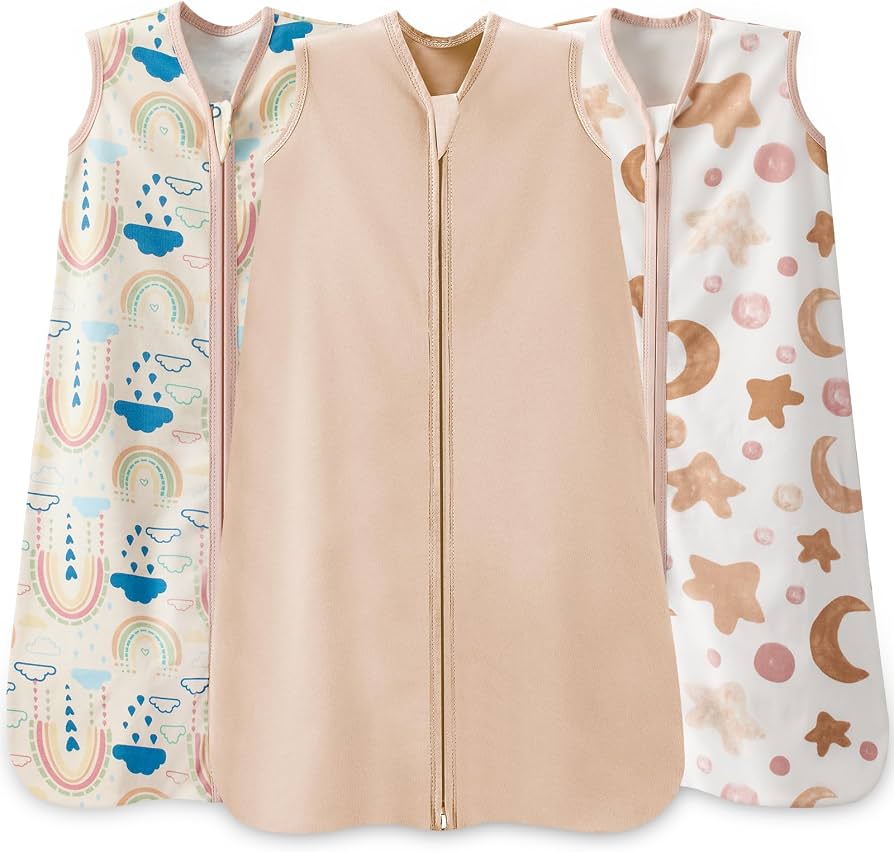
18. Zipper Guards to Prevent Skin Pinching
A fabric zipper guard acts as a shield between the metal teeth and your baby’s delicate skin or hair. This simple feature prevents painful pinching and tugging during midnight changes. When evaluating sleep sacks, ensure the guard extends fully to the neckline, providing continuous protection and making late-night diaper swaps significantly less stressful for both parent and child.

19. Armhole Sizing for Comfortable Movement
Properly sized armholes allow for natural arm movement, which is crucial for self-soothing and preventing startle reflexes from waking the baby. Too tight, and movement is restricted; too loose, and the sack may ride up. Look for ergonomic cuts that accommodate growing shoulders while maintaining a secure fit that keeps the baby warm and contained without restriction.

20. Neckline Fit to Prevent Slipping Down
A snug, well-fitted neckline ensures the sleep sack stays in place, preventing it from sliding down over the baby’s face, which is a safety hazard. The collar should sit comfortably below the chin without gaping. This secure fit maintains the intended warmth distribution and keeps the baby’s head covered appropriately, adhering to safe sleep standards while allowing easy access for feeding.

21. Machine Washable Sleep Sack Durability
Babies spill, spit up, and sweat. Choose sleep sacks built for heavy-duty laundering without losing shape or warmth. Look for reinforced stitching and fabrics that resist pilling after dozens of wash cycles. A durable sack maintains its TOG rating and fit, ensuring consistent safety and comfort night after night without frequent replacements.

22. Hypoallergenic Materials for Sensitive Skin
For babies prone to eczema or irritation, fabric composition matters more than brand name. Opt for GOTS-certified organic cotton or bamboo blends free from harsh dyes and chemical finishes. These materials minimize contact allergens, reducing redness and discomfort. Always check labels for "hypoallergenic" claims backed by dermatological testing to ensure gentle care for delicate skin.

23. Dual-Zipper Design for Night Diaper Changes
Midnight diaper changes become significantly easier with a dual-zipper design. This feature allows you to unzip from the bottom up, keeping the baby warm and secure while accessing the diaper area quickly. It prevents full undressing and reduces wakefulness, helping both parent and child return to sleep faster without disrupting the established bedtime routine.

24. Footed vs. Footless Sleep Sack Options
Choosing between footed and footless sleep sacks depends on room temperature and developmental stage. Footed options provide extra warmth for colder nights, while footless designs allow for better circulation and easier movement as babies begin to crawl. Consider your home’s climate and your baby’s mobility level to select the most comfortable and safe option for their sleep environment.

25. Sleep Sack Size Charts by Weight
Sizing by weight rather than age is crucial for a safe and effective sleep sack. Always refer to the manufacturer’s specific weight chart, as brands vary significantly in cut and fit. A sack that is too tight restricts movement, while one that is too loose poses a suffocation risk. Accurate sizing ensures the sack stays up around the neck and shoulders.
26. Monitoring Baby's Temperature Without Touching
Overheating is a silent sleep disruptor and a SIDS risk factor. A non-contact infrared thermometer offers instant readings without waking a fussy infant. Check the forehead or wrist quickly to ensure the room stays between 68-72°F. This quick check prevents night-time panic and ensures your baby isn't too warm under their sleep sack.

27. Using a Humidifier for Dry Air
Dry indoor air irritates nasal passages, causing congestion that makes breathing difficult during sleep. A cool-mist humidifier adds moisture to the air, keeping baby’s airways clear and comfortable. Clean it daily to prevent mold growth. This simple adjustment helps babies breathe easier, reducing nighttime coughing and restlessness for more consistent sleep cycles.

28. Pre-Sleep Bath Routine Benefits
A warm bath before bed signals the body that it is time to wind down. The subsequent drop in core temperature mimics natural sleep cues, helping your baby drift off faster. Keep the water lukewarm and the room cozy. This consistent ritual creates a predictable cue for sleep, reducing bedtime resistance and anxiety for both parent and child.

29. Massage Techniques to Relax Baby Muscles
Gentle massage releases tension built up from daytime stimulation and promotes the release of oxytocin. Use slow, rhythmic strokes on the tummy, legs, and back to soothe restless limbs. Apply a small amount of unscented baby oil to reduce friction. This tactile connection calms the nervous system, making it easier for your baby to settle into deep, restorative sleep.

30. Pacifier Introduction for Sleep Association
A pacifier can satisfy the strong sucking reflex, providing comfort and helping babies self-soothe back to sleep. Introduce it once breastfeeding is well-established to avoid nipple confusion. Choose a one-piece, orthodontic design that is easy to clean. This safe sleep aid can be a powerful tool for reducing night wakings and promoting independent sleep habits.

31. Consistent Sleep Environment Temperature Range
Maintaining a room between 68 and 72 degrees Fahrenheit is critical for preventing overheating, a known SIDS risk factor. Just as rising global temperatures disrupt human rest, even minor fluctuations can cause a baby to wake up sweating or shivering. Use a reliable room thermometer to monitor conditions throughout the night, ensuring the nursery stays within the safe zone recommended by pediatric sleep experts for optimal rest cycles.

32. Avoiding Overstimulation Before Bedtime
Babies have limited capacity to process sensory input before sleep. Bright lights, loud noises, and vigorous play can spike cortisol levels, making it harder to settle. Create a calm transition period by dimming lights and lowering voices an hour before bed. This quiet wind-down helps regulate their nervous system, signaling that it is time to rest rather than engage with the exciting world around them.

33. Recognizing Early Sleepy Cues in Babies
Waiting until a baby is overtired often leads to fussiness and resistance to sleep. Watch for subtle signs like yawning, staring into space, or pulling at ears. These early cues indicate the perfect window to begin your bedtime routine. Catching these signals early prevents the stress hormones that make falling asleep difficult, allowing for a smoother transition into deep, restorative sleep without tears or prolonged crying.

34. Handling Night Wakings Without Full Awakening
When babies stir during the night, immediate intervention can fully rouse them. Instead, pause briefly to see if they self-soothe back to sleep. If they fuss, use gentle patting or soft shushing sounds without picking them up. This minimal response helps them reconnect with their sleep cycle independently. Over time, this technique reduces the need for feeding or rocking, promoting longer stretches of uninterrupted rest for both baby and parents.
35. Sleep Training Methods for 4 Month Olds
Around four months, babies undergo significant sleep cycle changes, often leading to regression. Gentle methods like the chair method or gradual extinction can help establish new habits. Consistency is key; choose one approach and stick with it for at least two weeks. This period allows the baby to adjust to the new expectations, fostering independent sleep skills that support long-term healthy sleep patterns without harsh crying-it-out techniques.

36. Best Sleep Sacks for Preemie Babies
Preemies require specialized gear designed for smaller dimensions and delicate skin. Look for sacks with extra-soft, breathable fabrics that accommodate fragile frames without restricting movement. Proper sizing ensures the garment stays secure without sliding up, providing a snug, womb-like environment that promotes comfort and safer rest for infants born early.

37. Evaluating Safety Certifications on Sleep Products
Always verify that sleep sacks carry rigorous safety certifications like Oeko-Tex Standard 100 or JPMA approval. These marks confirm the fabric is free from harmful chemicals and meets strict flammability standards. Prioritizing certified products ensures your baby’s sleep environment remains chemically safe, reducing exposure to irritants while you rest easy knowing standards are met.

38. Cleaning and Maintaining Sleep Sack Hygiene
Regular washing is essential to remove milk spills, drool, and bacteria that accumulate during nightly use. Follow care labels carefully, typically using gentle cycles and mild detergents to preserve fabric integrity and elasticity. Proper hygiene prevents skin irritation and ensures the sleep sack remains soft and breathable, extending its lifespan and maintaining a clean sleep surface for your infant.

39. When to Stop Using a Sleep Sack
Transition away from sleep sacks once your baby shows signs of rolling over consistently or attempting to climb out of the crib. This milestone typically occurs between six to twelve months. Switching to loose blankets or pajamas at this stage prevents entanglement risks and supports their developing motor skills, ensuring safety as they become more mobile and active during sleep.

40. Choosing the Right Size for Growth Spurts
Select sleep sacks that allow room for growth without being excessively loose, which can pose safety risks. Check size charts based on weight and height rather than just age, as babies grow at different rates. Opting for adjustable features or slightly larger sizes can extend usability, ensuring a comfortable fit during rapid growth spurts while maintaining proper warmth and security.

Pick the right fit
Choosing the right sleep sack is the final piece of the puzzle. A well-fitted sack keeps your baby warm without the risk of loose blankets, but the wrong size can cause discomfort or restrict movement. Think of it like a car seat: it needs to be snug enough to hold position, but room enough to grow. Here is how to measure for success.
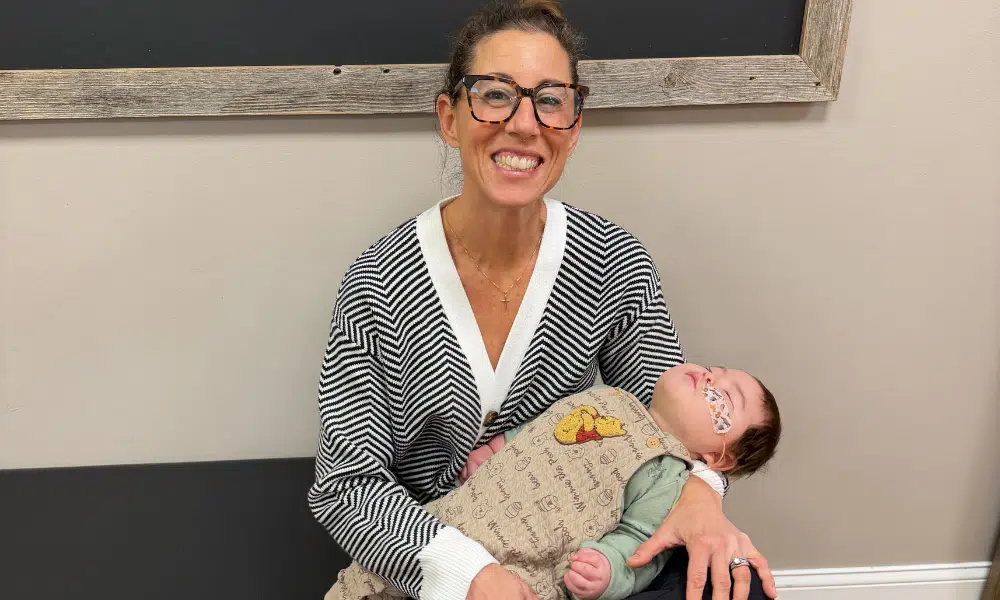
Weight matters more than age. Manufacturers provide strict weight brackets because a baby’s length and width vary. If your child is at the upper limit of a size, move up to prevent restricted hip movement or overheating. A sack that is too small can feel like a tight hug that turns into a cage.
The neck hole should be snug. You should not be able to fit more than two fingers between the fabric and your baby’s neck. If the opening is loose, the sack can ride up over the face, posing a suffocation hazard. Look for double-stitched seams around the collar for durability against constant stretching.

Ensure there is enough room for kicking. Babies need to move their legs to self-soothe and develop hip health. If the toe area is too tight, it can restrict circulation or cause frustration. A proper fit allows for a full range of motion while keeping the core temperature stable.


As an Amazon Associate, we may earn from qualifying purchases.
FAQ: Sleep Tactics and Sleep Sacks
What's the quickest way to put a baby to sleep? There is no guaranteed 40-second switch for every infant, but combining white noise, darkness, and gentle rhythmic patting often works fastest. Create a low-stimulation environment by dimming lights and closing blinds at least 30 minutes before bed. Place your baby on their back and gently pat their chest or tummy while making a soft "shush" sound. This combination of pressure and auditory cue mimics the womb, helping many babies drop off faster than with rocking alone.
How to put a fighting baby to sleep? When a baby fights sleep, they are usually overtired and flooded with cortisol. The goal is to lower stimulation immediately rather than trying to entertain them. Stop all play, reduce eye contact, and speak in a monotone voice. Use a sleep sack to prevent them from kicking off blankets and creating a temperature shock. If they are arching their back, try holding them upright against your chest for a few minutes to let the tension release before laying them down drowsy but awake.
What is the Japanese trick to sleep fast? The "Japanese trick" refers to the 4-7-8 breathing method, popularized by Dr. Andrew Weil, which calms the nervous system. Breathe in through your nose for 4 seconds, hold your breath for 7 seconds, and exhale slowly through your mouth for 8 seconds. While this helps parents stay calm, it also signals safety to the baby if you practice it near them. The rhythmic breathing slows the heart rate, creating a relaxed atmosphere that encourages the infant to settle down.
What is the 3-3-3 rule for baby sleep? The 3-3-3 rule is a guideline for adjusting nap schedules as babies grow. It suggests that for every 3 months of age, you subtract 30 minutes from the duration of each nap, up to a certain point. For example, a 3-month-old might nap for 60 minutes, while a 6-month-old might nap for 45 minutes. This helps parents anticipate when their baby is ready for fewer, longer naps, preventing overtiredness that makes nighttime sleep harder.
No comments yet. Be the first to share your thoughts!