
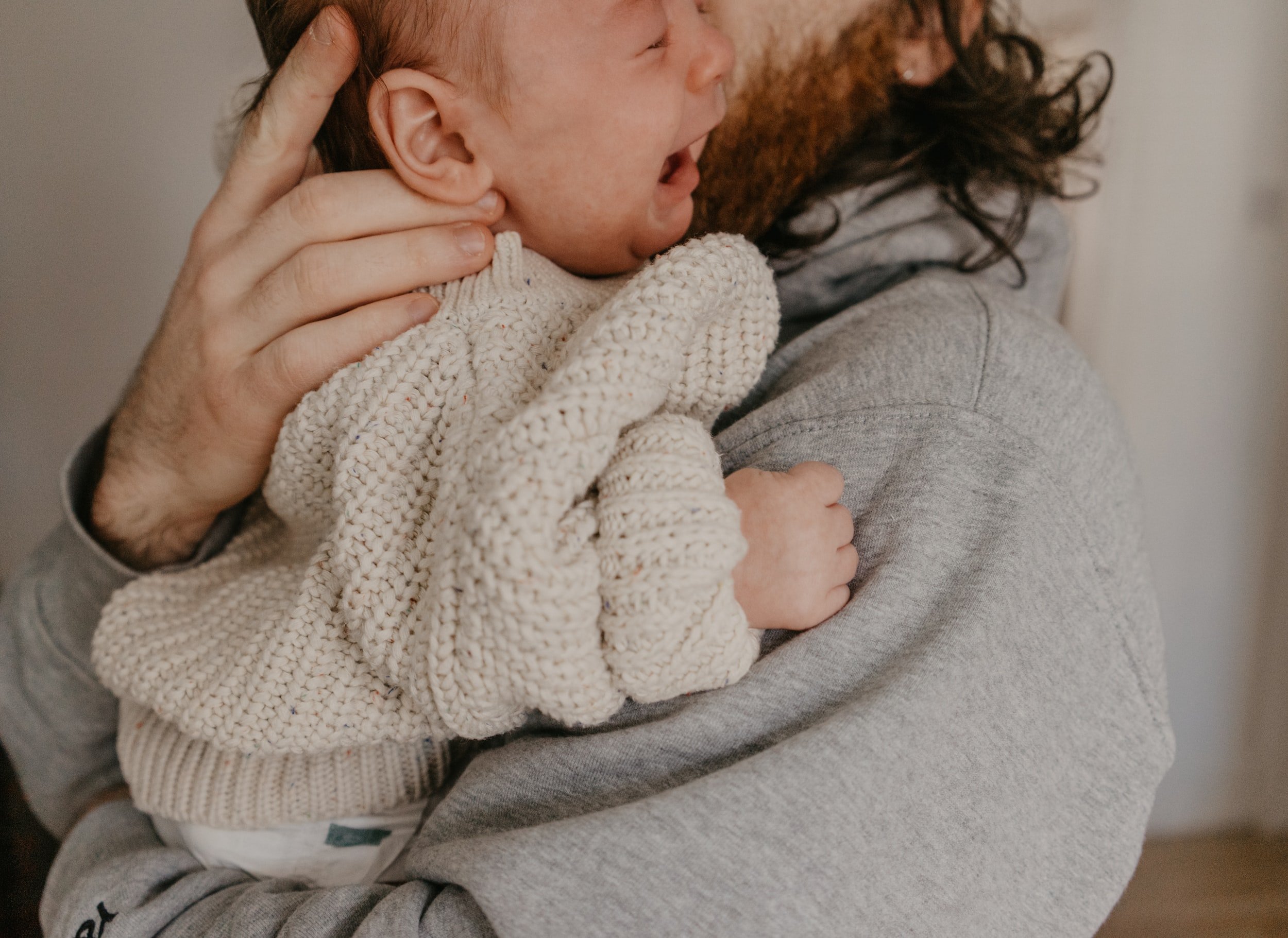
Put baby to sleep
Getting a baby to sleep quickly often feels like trying to solve a puzzle in the dark. The goal isn't magic, but rather a combination of sensory cues that mimic the womb. Techniques like gentle patting combined with white noise, as noted by Hubble, can signal safety and calm. Meanwhile, Reddit parents often emphasize that watching for sleepy cues—like eye rubbing or yawning—is just as important as the method itself.
We tested dozens of sleep sacks and swaddles to find the ones that actually help. Our selection logic focused on safety first: certified breathable fabrics and proper fit for your baby's size. We then looked for designs that make middle-of-the-night changes easier, such as two-way zippers or stretchy necklines. Finally, we prioritized options that maintain warmth without overheating, ensuring your baby stays comfortable through the night.
40 Steps to Put a Baby to Sleep
- Check the room temperature. Ensure the nursery is between 68-72°F (20-22°C) to prevent overheating, which is a risk factor for SIDS.
- Dim the lights. Lower the lighting in the room 30-45 minutes before bedtime to signal melatonin production.
- Close the curtains. Block out external light sources, including streetlights or digital clocks, to create a cave-like environment.
- Start the white noise. Turn on a white noise machine at a safe volume (around 50 decibels) placed away from the crib.
- Change the diaper. Do this early in the routine to avoid waking the baby fully with cold wipes or movement later.
- Put on the sleep sack. Choose the correct TOG rating for the room temperature and ensure a snug but safe fit.
- Swaddle if under 8 weeks. If your baby still has the startle reflex, use a safe swaddle that allows hip movement.
- Feed the baby. Offer a full feed, either breast or bottle, ensuring the baby is burped to prevent discomfort from gas.
- Hold upright. Keep the baby upright for 10-15 minutes after feeding to aid digestion and reduce reflux.
- Begin the bath (optional). A warm bath can lower body temperature slightly afterward, signaling sleepiness, but do this well before bed.
- Apply lotion. Gentle massage with baby lotion can be soothing, but avoid strong scents that might stimulate rather than calm.
- Dress in pajamas. Use breathable, cotton pajamas that fit well without being too tight or too loose.
- Brush teeth/gums. Even for pre-teeth, wiping gums with a soft cloth establishes a hygiene routine.
- Put on a nightlight. Use a dim, red-spectrum nightlight if you need to check on the baby, as blue light disrupts sleep.
- Read a book. Choose a short, boring story in a monotone voice to associate reading with winding down.
- Sing a lullaby. Soft singing can be more effective than recorded music as it provides a human, rhythmic connection.
- Rock gently. Rock the baby slowly in a chair or glider, avoiding vigorous motion that might overstimulate.
- Pat the back. Use a rhythmic, gentle patting motion on the baby’s back or bottom while they are held.
- Shush softly. Make a consistent "shush" sound near the baby’s ear to mimic the sound of blood flow in the womb.
- Offer a pacifier. If the baby uses one, offer it to satisfy the sucking reflex, which is naturally calming.
- Check for wetness. Ensure the diaper is dry; a wet diaper can disrupt sleep cycles quickly.
- Adjust clothing layers. Remove hats or excessive layers if the baby is sweating, as overheating is more dangerous than being slightly cool.
- Place in crib awake. Set the baby down in the crib while they are drowsy but still awake to encourage self-soothing.
- Position on back. Always place the baby on their back to sleep, as recommended by the AAP.
- Clear the crib. Ensure there are no loose blankets, pillows, stuffed animals, or bumpers in the crib.
- Check the mattress. Ensure the mattress is firm and fits snugly in the crib frame with no gaps.
- Close the door. Shut the nursery door to reduce household noise and visual distractions.
- Wait 5 minutes. Give the baby a few minutes to settle on their own before intervening.
- Listen for cues. Distinguish between fussing (which may self-resolve) and crying (which requires attention).
- Enter quietly. If you must enter, do so silently to avoid fully waking the baby.
- Pat gently. Place a hand on the baby’s chest or back and pat rhythmically without picking them up.
- Shush again. Resume the soft shushing sound if the baby starts to calm down.
- Step back. Leave the room again after a brief check, allowing the baby to fall asleep independently.
- Repeat checks. If crying continues, return at increasing intervals (3, 5, 10 minutes) to reassure without picking up.
- Avoid feeding to sleep. Try not to let the baby fall asleep while feeding, as this creates a sleep association.
- Avoid rocking to sleep. Similarly, try to put the baby down before they are fully asleep from rocking.
- Monitor breathing. Ensure the baby’s breathing is regular and not labored while they settle.
- Leave the room. Once the baby is settled, leave the nursery and close the door.
- Stay nearby. Remain in the house or nearby so you can respond quickly if needed, but do not stay in the room.
- Maintain consistency. Repeat this exact sequence every night to build a strong sleep association and routine.
Pick the right fit
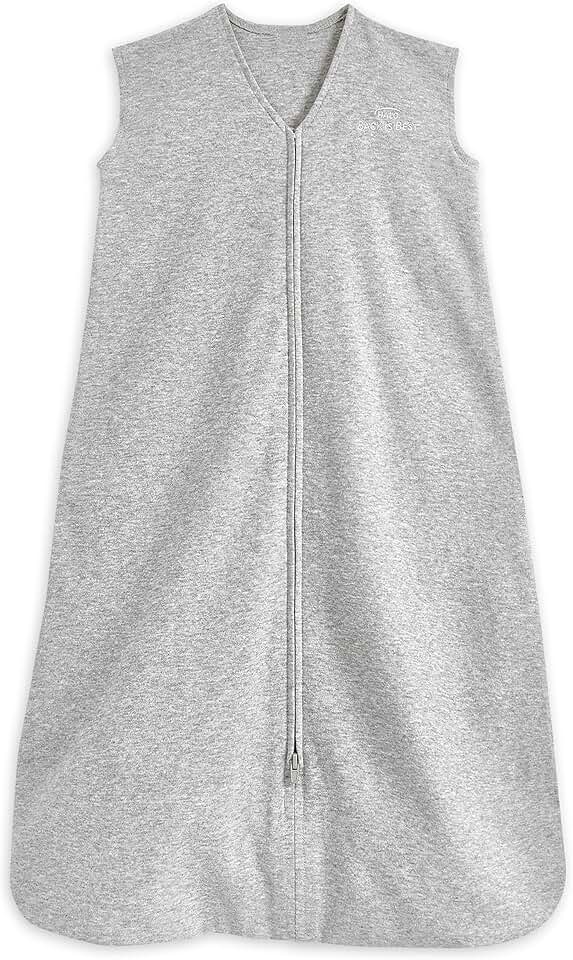
Choosing a sleep sack is less about fashion and more about safety and temperature control. A properly fitted sack prevents overheating and reduces the risk of SIDS by keeping your baby on their back without loose blankets. Think of the sleep sack as a second skin: it should be snug enough to stay in place but loose enough to allow for natural hip movement and breathing.
Start with the neck opening. It should be snug around the collarbone so the sack cannot slide up over the baby’s face. If you can fit more than two fingers between the fabric and your baby’s neck, it is too loose. This is the most critical safety check.
Next, check the armhole and body width. The sack must allow for free hip flexion to support healthy development. If the fabric pulls tight across the thighs or restricts kicking, the size is incorrect. Always follow the manufacturer’s weight guidelines rather than age recommendations, as babies grow at different rates.
Finally, consider the room temperature. Sleep sacks are graded by TOG (thermal overall grade) ratings. Use a 0.5 TOG for warm rooms (75°F+), 1.0 TOG for moderate rooms (68-75°F), and 2.5 TOG for cooler rooms (65-68°F). Pairing the right fit with the right TOG ensures your baby stays comfortable all night.


As an Amazon Associate, we may earn from qualifying purchases.
FAQ: Sleep Techniques and Safety
What is the quickest way to put a baby to sleep?
The most reliable method combines white noise with gentle rhythmic patting. Place your baby on their back and gently pat their chest or tummy while making a soft "shush" sound. The combination of gentle pressure and consistent auditory stimulation mimics the womb environment, helping to calm the startle reflex and encourage drowsiness.
What is the Japanese trick to sleep fast?
This refers to the "4-7-8" breathing technique adapted for parents. While you cannot force a baby to breathe this way, the "trick" is for the caregiver to breathe deeply and slowly before handling the infant. A calm parent transmits a sense of safety. Some interpretations also suggest swaddling tightly to replicate the confined feeling of the womb, which Japanese parenting often emphasizes for security.
What is the 3-3-3 rule for baby sleep?
The 3-3-3 rule is a practical pacing strategy to prevent overstimulation. Walk your baby gently for 3 minutes without bouncing. Then, sit and hold them still for 3 minutes without rocking. Finally, lay them down in their crib while they are still drowsy but awake. This gradual transition helps them learn to self-soothe rather than relying on constant motion.
What is the supernanny sleep technique?
The Supernanny method, created by Jo Frost, focuses on establishing a consistent bedtime routine and a "ghost walk" for bedtime checks. You put the baby down awake, leave the room, and return at increasing intervals (3, 5, 10 minutes) to briefly reassure them without picking them up. This teaches the baby that bedtime is non-negotiable and that you are still present, reducing anxiety and separation distress.
No comments yet. Be the first to share your thoughts!