

40 Proven Methods to Help Your Baby Sleep
Put a Baby to Sleep in 40 Seconds works best as a clear sequence: define the constraint, compare the realistic options, test the tradeoff, and choose the path with the fewest hidden costs. That order keeps the advice usable instead of decorative.
After each step, pause long enough to check whether the recommendation still fits the reader's actual situation. If it depends on perfect timing, unusual access, or a best-case budget, include a simpler fallback.
The 40-second sleep promise
If you have scrolled through social media lately, you have likely seen the viral videos promising to put a baby to sleep in 40 seconds. These clips often show a parent performing a specific, rhythmic motion or using a particular sound, and the infant instantly drifts off. For exhausted parents, the idea of a quick fix is incredibly tempting. It feels like the solution to the endless cycle of rocking, pacing, and feeding that keeps everyone awake.
However, it is important to set realistic expectations before diving into the methods. The "40-second" claim is more of a marketing hook than a medical guarantee. Every baby is different, and what works for one infant may do nothing for another. Sleep is a complex biological process influenced by hunger, comfort, overtiredness, and developmental leaps. There is no single magic bullet that works for every child every time.
Instead of looking for one miracle trick, think of this article as a comprehensive toolkit. Below, we break down 40 distinct strategies that parents can try. Some are based on established sleep science, while others are anecdotal tips from the parenting community. The goal is to give you a variety of options to find what resonates with your baby.

Understanding Sleep Cues and Timing
Recognizing when your baby is tired is the foundation of any sleep strategy. Overtired babies produce cortisol and adrenaline, making it harder for them to settle. Look for early signs like eye rubbing, yawning, or looking away from you. If you wait until they are crying or frantic, you have missed the optimal window for easy settling. Establishing a consistent pre-sleep routine helps signal to your baby that sleep is approaching, reducing resistance and anxiety.
Safety First: Safe Sleep Guidelines
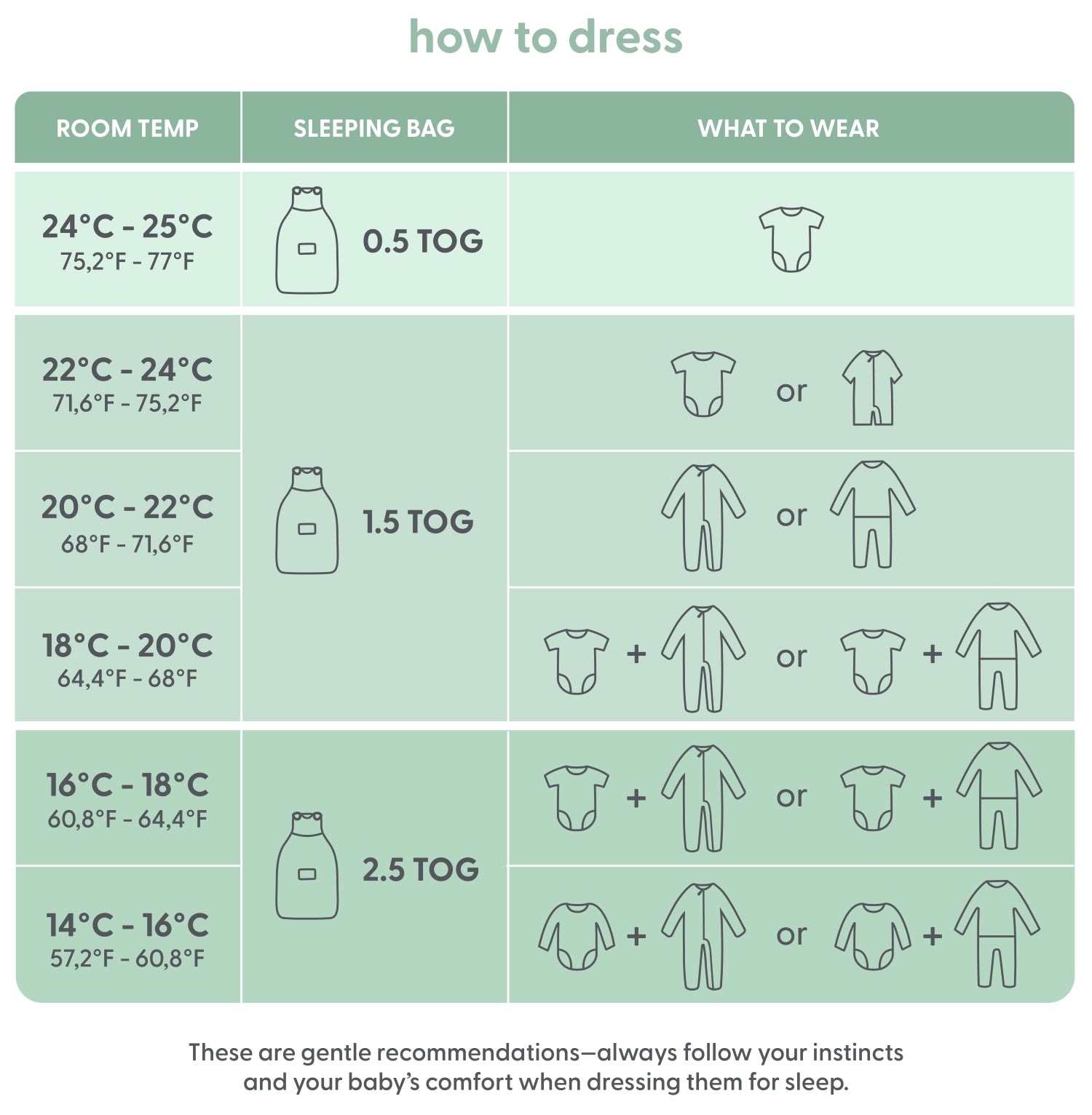
Before trying any new method, prioritize safe sleep practices. The American Academy of Pediatrics (AAP) recommends a firm, flat sleep surface with no loose bedding, pillows, or soft toys. Always place your baby on their back for every sleep. Room-sharing without bed-sharing is recommended for at least the first six months. Avoid overheating by dressing your baby in one more layer than you would comfortably wear. These guidelines reduce the risk of SIDS and ensure that any soothing technique is applied in a safe environment.
When to Seek Professional Help
If your baby consistently struggles to sleep despite trying various methods, or if you notice signs of pain, reflux, or breathing difficulties, consult your pediatrician. Sleep issues can sometimes indicate underlying medical conditions such as allergies, ear infections, or sleep apnea. A healthcare provider can help rule out physical causes and offer personalized advice based on your baby's growth and development history. Do not hesitate to seek professional support if you feel overwhelmed or if your baby's sleep patterns are severely impacting their health.
Your Quick Sleep Action Checklist
When you are exhausted, a long list of 40 methods can feel overwhelming. This checklist strips away the theory and gives you the exact sequence to try tonight. It combines the most reliable techniques from pediatric sleep experts into a single, calm routine.

Dim the lights and lower the temperature to 68–72°F. Turn on white noise or a fan to mask sudden household sounds. This signals to your baby that it is time to settle.
Ensure your baby is full and burped to avoid discomfort. A hungry or gassy baby will struggle to stay asleep, so address these needs before the final step.

If your baby is under 3 months or not yet rolling, use a swaddle or sleep sack. This mimics the snug feeling of the womb and prevents the startle reflex from waking them.
Place your baby on their back in the crib while drowsy but awake. Gently pat their chest or tummy while making a soft "shush" sound. The combination of gentle pressure and rhythmic noise helps them drift off quickly.
If your baby is still awake after a few minutes, try one of these quick interventions:
- Offer a pacifier: Sucking is a natural calming reflex for infants.
- Change the position: If they are fussy, hold them upright for a minute to help with gas before laying them down again.
- Reduce stimulation: Ensure no bright lights or loud noises are interrupting the room.
Remember that consistency is key. Using the same sequence every night helps your baby associate these steps with sleep. If your baby is older than 6 months or has specific health concerns, consult your pediatrician for personalized advice.
40 Distinct Strategies to Help Baby Sleep
- White Noise: Use a white noise machine to mask household sounds and create a consistent auditory environment.
- Dim Lighting: Lower lights 30 minutes before bed to signal melatonin production.
- Consistent Bedtime: Aim for the same bedtime every night to regulate your baby's internal clock.
- Swaddling: Use a swaddle to mimic the womb's snugness for newborns.
- Pacifier Use: Offer a pacifier to satisfy the sucking reflex and promote calm.
- Gentle Rocking: Rock your baby slowly and rhythmically in your arms or a chair.
- Babywearing: Carry your baby in a carrier for close contact and gentle motion.
- Warm Bath: Give a warm bath to relax muscles and signal wind-down time.
- Massage: Perform a gentle baby massage to relieve tension and promote relaxation.
- Soft Singing: Sing lullabies or hum softly to provide soothing auditory stimulation.
- Patting: Gently pat your baby's back or bottom while they are lying down.
- Shushing: Make a loud "shush" sound close to their ear to mimic womb noises.
- Dark Room: Keep the sleep environment as dark as possible to encourage sleep hormones.
- Cool Temperature: Maintain a room temperature between 68-72°F (20-22°C).
- Firm Mattress: Ensure the crib mattress is firm and flat for safe sleep.
- No Loose Bedding: Avoid blankets, pillows, or stuffed animals in the sleep space.
- Back Sleeping: Always place your baby on their back to reduce SIDS risk.
- Room Sharing: Keep your baby's sleep space in your room for the first six months.
- Avoid Overstimulation: Limit play and interaction before bedtime to calm the nervous system.
- Predictable Routine: Follow the same sequence of activities before bed each night.
- Feed Before Sleep: Ensure your baby is fed but not overly full to prevent discomfort.
- Burp Thoroughly: Burp your baby to release trapped gas that might cause fussiness.
- Check Diaper: Change a wet or dirty diaper before placing baby down to ensure comfort.
- Comfort Object: Introduce a small, safe lovey for older babies (over 12 months).
- Night Lights: Use a dim night light if your baby is afraid of the dark.
- Masking Sounds: Use earplugs or noise-canceling headphones for parents to stay calm.
- Stay Calm: Your anxiety can transfer to your baby; practice deep breathing.
- Delay Response: Wait a minute or two before rushing in to see if baby self-soothes.
- Gradual Withdrawal: Sit by the crib and gradually move further away over nights.
- Pick Up/Put Down: Pick up baby when crying, put down when calm, repeat as needed.
- Ferber Method: Check on baby at increasing intervals without picking them up.
- Chair Method: Sit in a chair next to the crib, moving it further away each night.
- Bedtime Fading: Adjust bedtime to match baby's natural sleepiness, then gradually move it earlier.
- Nap Management: Ensure baby is not overtired by day by offering naps at appropriate times.
- Wake Windows: Follow age-appropriate wake windows to prevent overtiredness.
- Sleep Cues: Learn and respond to your baby's specific tired signs.
- Consistent Sleep Location: Use the same crib or bassinet for all naps and night sleep.
- Avoid Sleep Props: Try to reduce reliance on rocking or feeding to fall asleep.
- Daylight Exposure: Get morning sunlight to help regulate circadian rhythms.
- Pediatric Consultation: Seek professional advice if sleep issues persist or seem abnormal.
No comments yet. Be the first to share your thoughts!