
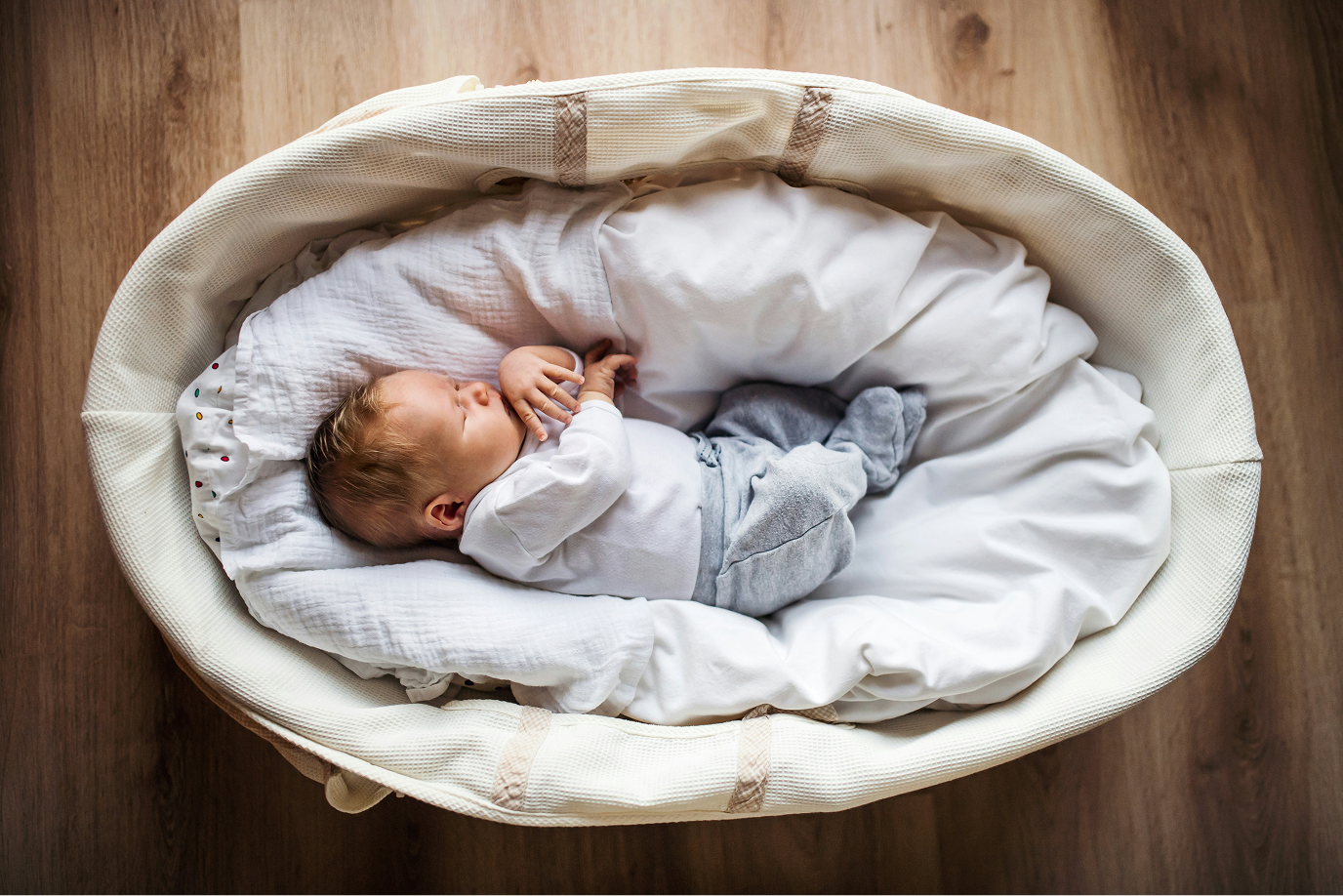

Get baby to sleep right
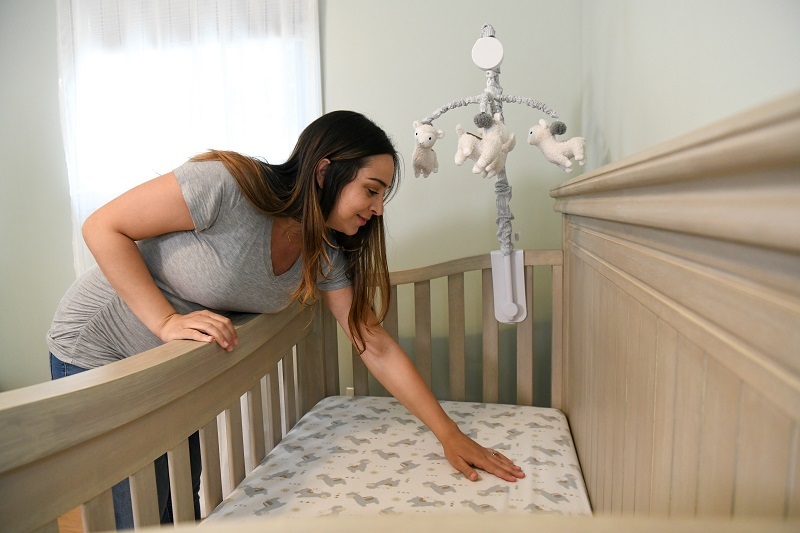
Before you start the 40-second method, ensure the foundation is solid. A crib transition fails when safety or comfort basics are overlooked. Start with a bare crib. The American Academy of Pediatrics advises against loose bedding, pillows, or soft toys in the sleep space to reduce suffocation risks. A firm mattress covered by a fitted sheet is the only safe setup.
Temperature and clothing matter just as much as the mattress. Keep the room between 68–72°F (20–22°C). Use a Kyte Baby sleep sack appropriate for the room temperature instead of loose blankets. The sleep sack keeps your baby’s hips loose for healthy development while maintaining consistent warmth without the risk of shifting covers.
Finally, establish a predictable wind-down routine. Babies crave stability. Whether it’s a bath, a book, or a lullaby, the same sequence every night signals that sleep time is coming. This consistency reduces anxiety and helps your baby settle faster into the crib, making the 40-second method more effective from the start.
Work through the steps
The transition should start with a clear boundary: what is actually broken, and what still works normally. Check the display, network connection, paired devices, app access, and recent updates before assuming the whole system needs a reset. A small connection failure can make the main screen feel unreliable even when the core system is fine.
Work from low-risk checks to deeper resets. Confirm power state, safe parking, account access, and signal first. Then restart the interface, wait for it to reload completely, and test the original symptom. Avoid changing multiple settings at once because that makes it harder to know which step actually fixed the problem.
If the issue affects safety information, repeats after every restart, or appears with warning messages, treat the reset as a temporary diagnostic step rather than the final fix. Document the symptom and move to official support instead of stacking more DIY attempts.
-
Park and note the symptomPut the system in a safe idle state, then write down whether The Sleep is frozen, blank, slow, disconnected, or only failing in one app.
-
Try the normal restart firstUse the standard screen or interface restart before changing settings, deleting profiles, or disconnecting accessories.
-
Retest one feature at a timeCheck touch response, audio, navigation, phone pairing, Wi-Fi, and app access separately so the failing path is clear.
-
Escalate repeated failuresContact official support when the screen stays black, warnings appear, or the same issue returns after a clean restart.
Fix common mistakes when switching to the crib
Even with a solid routine and the right sleep sack, parents often trip over small details that keep their baby awake. These errors usually stem from a mismatch between the baby’s needs and the crib setup. Correcting them is often the difference between a peaceful night and endless crying.
Using the wrong sleep sack size
A Kyte Baby sleep sack is designed to help babies feel secure, but it only works if it fits correctly. If the sack is too large, the baby can slip inside it, which poses a suffocation risk and makes them feel unstable. If it is too small, it restricts movement and prevents them from settling into a comfortable position.
Check the tog rating and size chart for your baby’s current weight and age. The neck opening should sit snugly around the collarbone without gaping. You should be able to fit two fingers comfortably between the fabric and your baby’s chest. This ensures they stay warm without overheating, which is a common cause of night waking.
Leaving the crib too cluttered
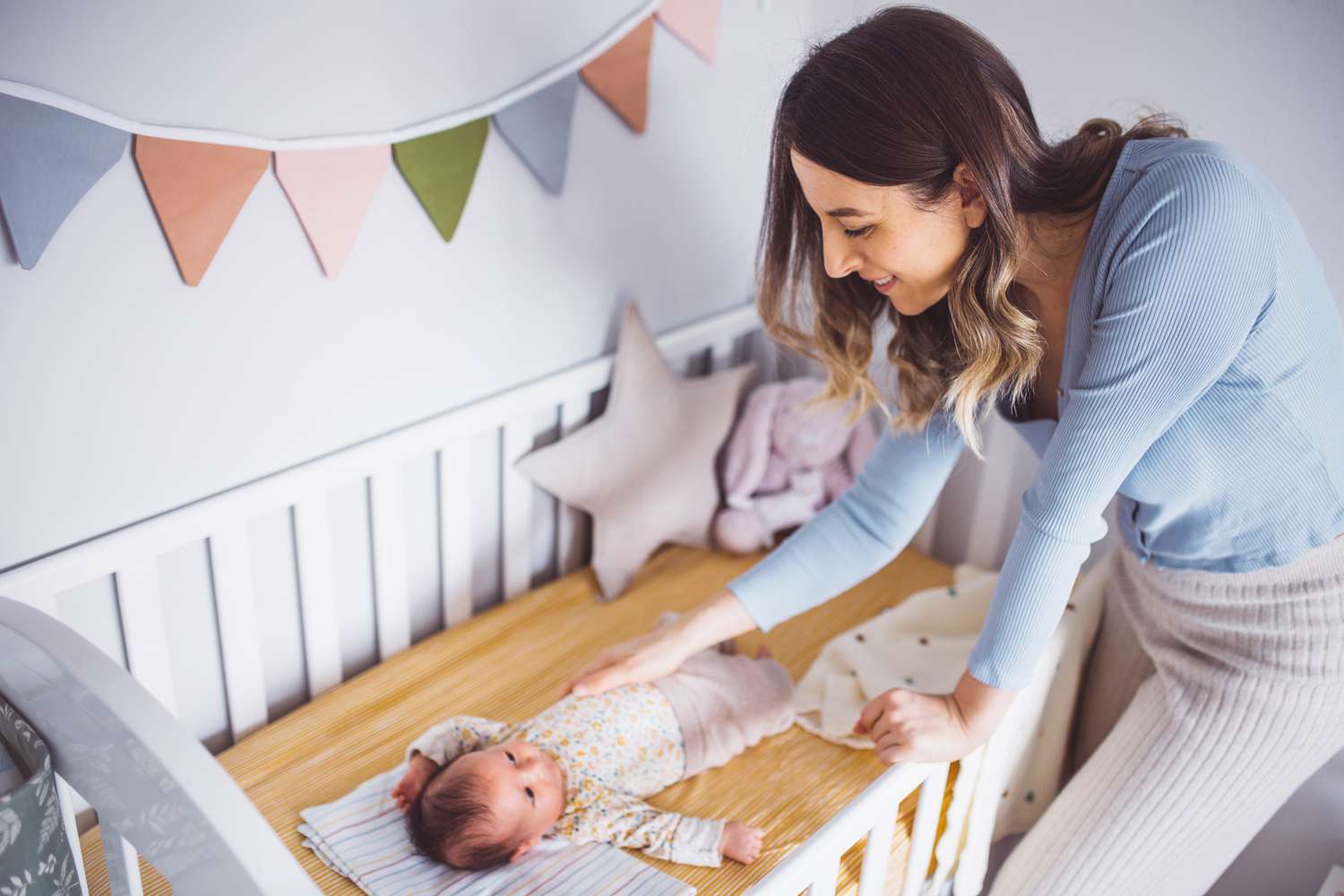
Safety and sleep quality both suffer when the crib contains extra items. Loose blankets, pillows, or stuffed animals can shift during sleep, creating hazards and distracting the baby. A bare crib is not just a safety rule; it creates a consistent sensory environment that helps the baby focus on sleeping.
Strip the crib down to a fitted sheet on a firm mattress. Remove any bumpers, toys, or loose bedding before placing your baby down. This minimalist setup reduces visual and tactile distractions, making it easier for your baby to self-soothe. It also ensures that the 40-second method works as intended, without the baby getting tangled or overheated.
Ignoring the room environment
The crib is only one part of the sleep equation. If the room is too bright, noisy, or warm, the baby will struggle to stay asleep. Many parents overlook the impact of ambient conditions, assuming the crib itself is enough to guarantee rest.
Use blackout curtains to block early morning light and a white noise machine to mask household sounds. Keep the room temperature between 68-72°F (20-22°C). These adjustments create a cave-like environment that signals to the baby’s brain that it is time for deep, uninterrupted sleep.
Get baby to sleep in crib: what to check next
Transitioning to a crib often triggers practical concerns. Parents worry about timelines, safety, and whether the 40-second method actually works without causing distress. Here are answers to the most common questions about getting baby to sleep in crib.
If your baby continues to struggle after two weeks, consult your pediatrician to rule out underlying issues like reflux or sleep apnea.
Work through The Sleep

No comments yet. Be the first to share your thoughts!