

The shift in 2026 baby sleep
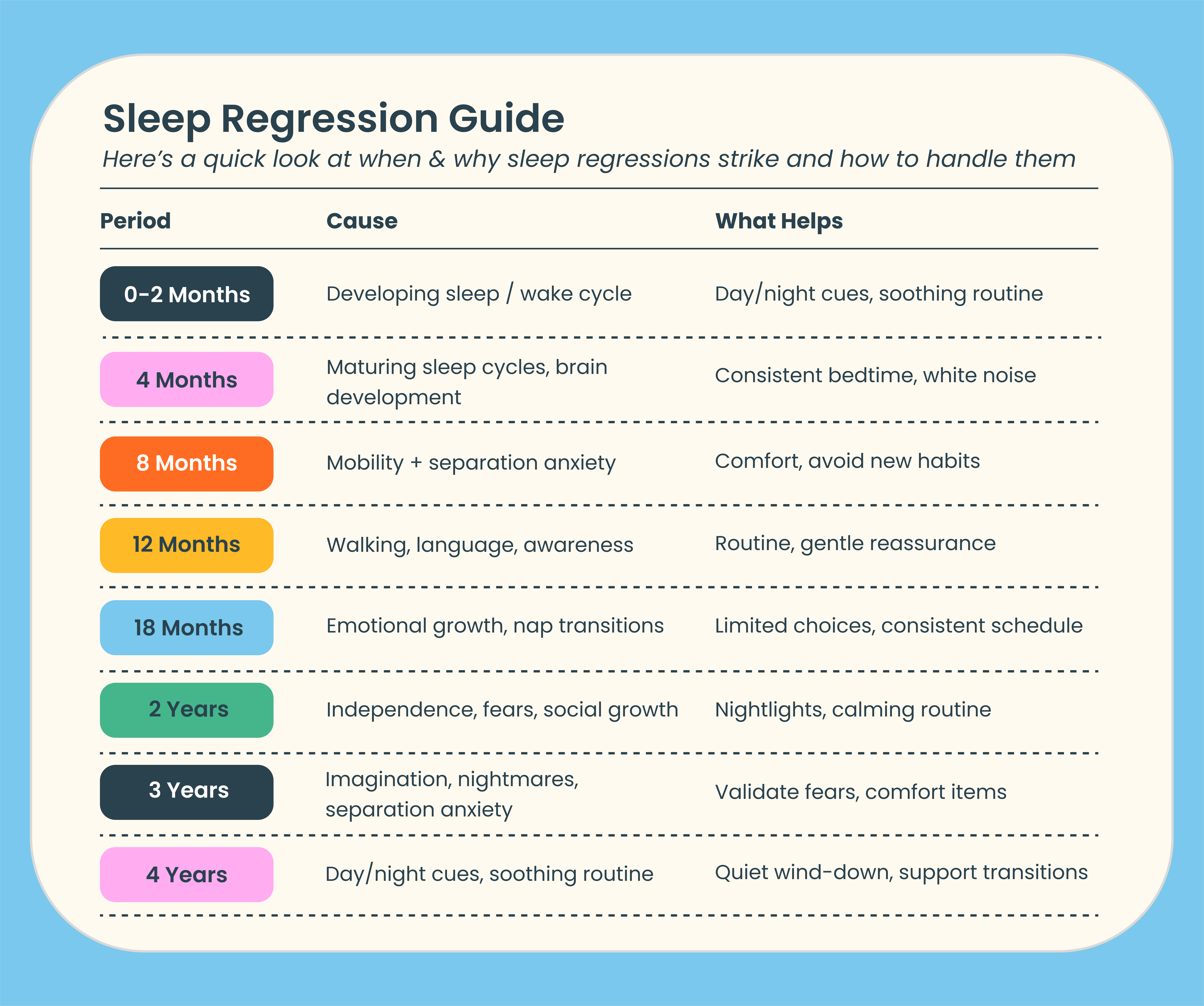
Something is shifting in the world of baby sleep. Across online forums, parent groups, and even in conversations with pediatricians, a pattern is emerging. Parents of babies born in 2025 and 2026 are consistently reporting unusual sleep challenges – more frequent wake-ups, shorter naps, and greater difficulty settling at night. It’s not just a few isolated cases; the sheer volume of shared experiences is raising eyebrows.
These aren't necessarily babies experiencing classic sleep regression periods, though those still occur. The descriptions lean towards a baseline level of fussiness and sleep disruption that feels different. Parents who’ve successfully navigated sleep with older children are finding themselves utterly stumped by the sleep patterns of their newest little ones. It's creating a lot of anxiety and exhaustion.
The consistency of these reports is hard to ignore. Parents are seeing a baseline level of disruption that doesn't fit the usual patterns. I'm not sure if it's a temporary trend or a permanent shift, but the factors at play go beyond simple teething or growth spurts.
How the pandemic shaped early development
To understand these potential shifts, we need to consider the extraordinarily unique circumstances surrounding the births and early development of babies born in 2025 and 2026. These babies were conceived and gestated during the height of the COVID-19 pandemic, and their early months were profoundly shaped by its ongoing effects.
Pregnancy during the pandemic was stressful. High cortisol levels in mothers can change how a baby regulates their own stress and sleep. It is a direct link that many parents are only now seeing the results of as their toddlers struggle to settle.
Beyond pregnancy, the immediate postnatal period was also significantly altered. Many newborns experienced limited social interaction due to lockdowns and visitor restrictions. The lack of exposure to diverse faces and sounds can affect neurological development. Then there were the practical challenges – disruptions to breastfeeding support, increased reliance on formula due to supply chain issues, and overall parental exhaustion.
The increased use of formula isn't necessarily a problem in itself, but the circumstances surrounding it often were. Parents faced genuine anxieties about sourcing formula and ensuring their baby was adequately nourished. This added stress layered onto an already challenging situation. These early experiences, so different from those of previous generations, could be contributing to the modern baby sleep challenges we're now seeing.
Managing sensory overload
Our modern world is saturated with stimulation, and babies aren’t immune. Screen time, even passive exposure from parents, is pervasive. While the American Academy of Pediatrics recommends no screen time for babies under 18 months, the reality is that many infants are exposed to screens from a very young age.
This constant barrage of visual and auditory input can overstimulate a baby’s developing nervous system. It can interfere with their ability to self-soothe and regulate their emotions. A constantly stimulated baby may struggle to transition into calm, restful sleep. It’s not just about direct screen time; the ambient glow and sounds can be disruptive.
Beyond screens, the sheer volume of toys and activities marketed to babies has increased dramatically. While enriching experiences are valuable, too much stimulation can be overwhelming. A simpler environment, with fewer distractions, can actually be more conducive to sleep. It allows a baby’s brain to rest and consolidate learning.
- Keep screens out of the nursery and turn off background TVs.
- Create a calm and uncluttered sleep environment.
- Offer a variety of sensory experiences, but in moderation.
- Prioritize quiet playtime and bonding activities.
Are babies becoming more sensitive?
It’s important to be cautious about labeling babies, but many parents are observing what appears to be a higher proportion of infants who are more sensitive, reactive, and require more parental support. These babies may be easily overstimulated, have difficulty self-soothing, and demand frequent attention.
Temperament plays a significant role. Some babies are simply born with a more sensitive nervous system. However, the factors discussed earlier – prenatal stress, altered early experiences, and increased stimulation – may be exacerbating these natural temperamental differences. It’s a complex interplay between nature and nurture.
Acknowledging that a baby is "high-needs’ isn’t a judgment; it"s an understanding of their individual requirements. It means adjusting your parenting approach to provide the extra support and responsiveness they need. This might involve more frequent feeding, increased cuddling, and a slower pace of activity. It's about meeting the baby where they are, not trying to force them into a mold.
Choosing a sleep sack
The world of baby sleep sacks has evolved significantly in recent years. Brands like Kyte and Dreamland have gained popularity, offering innovative materials and designs. These newer sleep sacks often feature breathable fabrics like bamboo rayon, which are marketed as being more comfortable and temperature-regulating.
While these materials can be beneficial, it’s crucial to prioritize safe sleep practices above all else. The CDC recommends that babies sleep on their backs, on a firm surface, in a crib or bassinet with no loose bedding (cdc.gov). Sleep sacks are a safe alternative to loose blankets, but it’s essential to choose the right size and TOG rating for your baby’s environment.
Some parents find that weighted sacks help with the startle reflex, but you should check with a pediatrician first. We sell Kyte and other brands that focus on bamboo fabrics, which stay cooler than standard cotton.
Remember, a sleep sack is just one piece of the puzzle. Creating a consistent bedtime routine, optimizing the sleep environment, and responding to your baby’s cues are equally important. Don't fall into the trap of thinking a 'magic' product will solve all your sleep problems.
What Parents Are Saying
The experiences of parents are the most valuable data we have. Here’s what some parents of 2025-2026 babies are sharing about their sleep struggles:
“My first two kids slept through the night by six months. My youngest? Forget it. She wakes up every two hours, even now at eight months. It’s exhausting.” – Sarah M., Ohio
“I feel like I’m constantly trying to soothe him. He’s just so sensitive to everything. A small noise or a change in temperature will wake him up.” – David L., California
“I’ve tried everything – different routines, different sleep sacks, different feeding schedules. Nothing seems to make a lasting difference. It’s incredibly frustrating.” – Maria R., Texas
Ways to improve sleep
If you’re struggling with a baby born in 2025-2026, know that you’re not alone. These challenges are real, and there are steps you can take to improve the situation. Start by creating a consistent bedtime routine. This might include a warm bath, a gentle massage, reading a book, and singing a lullaby. Consistency is key.
Optimize the sleep environment. Make sure the room is dark, quiet, and cool. Consider using white noise to block out distracting sounds. A comfortable sleep sack can also help to create a sense of security. Remember the safe sleep guidelines from the CDC—back to sleep, firm surface, no loose bedding.
Respond to your baby’s cues. Learn to recognize the early signs of tiredness, such as yawning, eye rubbing, and fussiness. Put your baby down for a nap or bedtime before they become overtired. Overstimulation makes things worse.
Prioritize self-care. It’s impossible to pour from an empty cup. Make time for yourself, even if it’s just for a few minutes each day. Ask for help from your partner, family, or friends. Find PM offers a wealth of baby sleep advice and resources to support you on your journey. Remember, this phase won’t last forever. With patience, consistency, and a little self-compassion, you can navigate these baby sleep issues and help your little one develop healthy sleep habits.
- Establish a consistent bedtime routine.
- Optimize the sleep environment (dark, quiet, cool).
- Respond to baby's cues.
- Prioritize self-care.
- Check our sleep sack guides for specific brand comparisons.



No comments yet. Be the first to share your thoughts!