

Sudden Wake-Ups: What’s Happening This Spring?
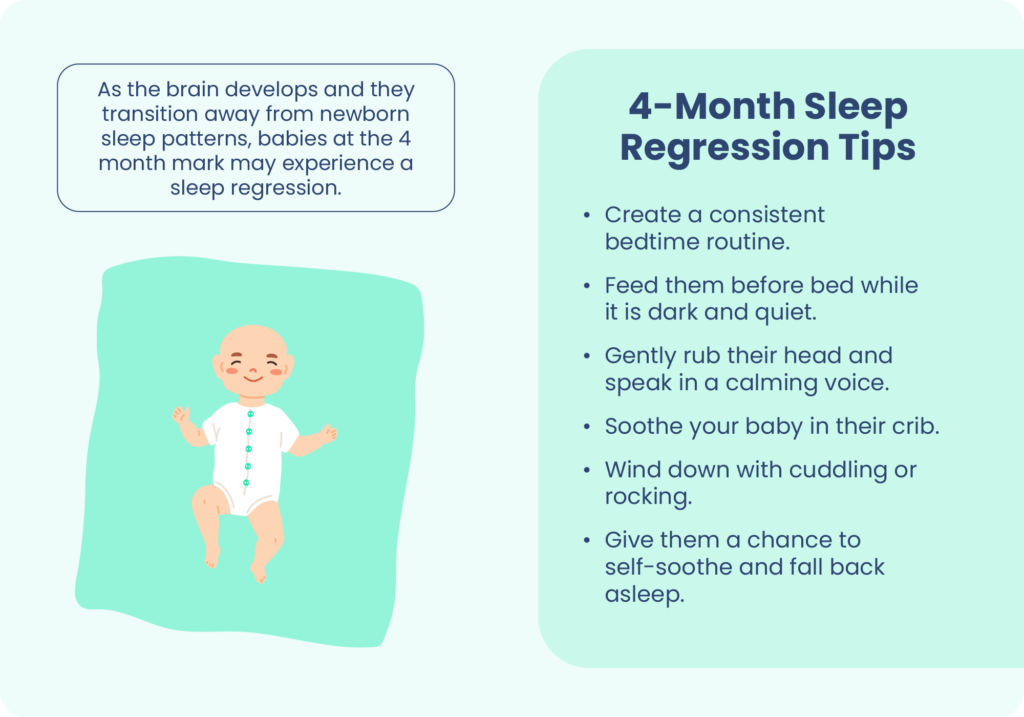
It’s March 2026, and suddenly, the blissful stretches of sleep you’ve worked so hard to achieve with your baby seem…gone. You’re noticing more frequent night wakings, shorter naps, and a general resistance to bedtime. You’re not alone. This is a common experience for parents around this time of year, and it’s often referred to as the spring sleep regression. It's incredibly frustrating when your little one’s sleep patterns change, especially after you’ve established what felt like a good routine.
Sleep regressions are temporary disruptions, not a sign of parental failure. They typically signal developmental growth. Spring, particularly March and April, sees these regressions due to developmental leaps, Daylight Saving Time shifts, and increased seasonal illnesses.
Understanding the causes of this regression can help you navigate it with more patience. While it's easy to feel defeated, this phase is usually temporary. This article explores the common causes and offers strategies to help your baby and yourself.
Many parents feel thrown off by regressions, questioning their actions. Remember, regressions are a normal part of infant development, and a consistent approach can help you get back on track.
Developmental Leaps & Sleep
Babies' rapid development often coincides with sleep disruptions. When mastering new skills like rolling, sitting, or crawling, their brains are busy, which can interfere with sleep.
Learning a new skill like rolling requires significant cognitive processing and coordination. This rewiring takes energy, and disrupted sleep is a sign of this active development, not a setback.
The prime age for the spring sleep regression is typically between 8 and 14 months. During this period, babies are often hitting multiple milestones simultaneously. Around 9 months, you might see babies starting to pull themselves up to stand. Then, around 10-12 months, many are taking their first independent steps. These physical milestones are often accompanied by cognitive leaps, like understanding object permanence and starting to imitate sounds and gestures.
Developmental stages require significant energy, impacting sleep patterns (Nationwide Children's Hospital, 2024). It's not unusual for good sleepers to become restless during these times. A 2023 Pediatrics study showed a strong correlation between motor skill development and increased nighttime wakings in infants aged 6-12 months.
- 8-9 Months: Rolling, sitting, pulling to stand.
- 10-12 Months: Crawling, cruising, first steps, object permanence.
- 12-14 Months: Walking, saying a few words, imitating actions.
Daylight Savings & Circadian Rhythms
Daylight Saving Time (DST) can be particularly disruptive for babies. Their developing internal clocks, or circadian rhythms, are easily thrown off by even small time shifts. In Spring 2026, DST begins on March 8th, causing us to 'lose' an hour of sleep.
Babies rely on consistency, and DST throws a wrench into that consistency. Their bodies are used to being fed, napping, and going to bed at certain times, and suddenly, those times are shifted forward. It's like jet lag, but without the travel! I’m not a fan of DST, and I think it’s unnecessarily disruptive to families.
Adjust your baby’s schedule gradually in the days before the time change. Shift bedtime and wake-up times by 15-20 minutes daily over 3-4 days to help their internal clock adjust smoothly. Avoid a full hour adjustment at once.
After the time change, maintain consistency with the new schedule. Expose your baby to sunlight during the day to regulate their circadian rhythm and ensure a dark room for bedtime. Full adjustment may take a few days, so patience is key.
Illness & Sleep: The Spring Bug Season
Spring brings not only flowers but also colds, allergies, and minor illnesses. Warmer weather encourages outdoor activity, increasing germ exposure. Babies' developing immune systems make them susceptible to these seasonal bugs.
Even a mild cold can disrupt a baby's sleep. Congestion makes breathing difficult, leading to awakenings. Fever causes discomfort and irritability. Feeling unwell hinders sound sleep. Even a sniffle can significantly impact a baby's sleep.
Distinguishing between sleep disturbances from regression or illness can be tricky. Obvious symptoms like fever or cough suggest illness. If sleep problems coincide with developmental signs like increased babbling or crawling attempts, it's more likely a regression.
Always consult your pediatrician if you have health concerns. They can help determine the cause of sleep disturbances and recommend treatment. It's always better to err on the side of caution with your baby's health.
Is It Regression or Something Else?
While sleep disruptions are often assumed to be regressions, other causes exist. Teething causes discomfort and irritability, leading to night wakings. Hunger during growth spurts can also disrupt sleep, as can changes in routine like starting daycare or traveling.
Before assuming a regression, assess the situation. Consider recent changes in your baby's life, signs of teething, or adequate food intake. Addressing these underlying issues may resolve the sleep problems.
If unsure about the cause of sleep disturbances, consult your pediatrician. They can rule out medical causes and offer guidance. This article does not provide medical advice.
Here's a quick checklist to help you assess the situation:
- Teething: Are gums swollen or red? Is your baby drooling more than usual?
- Hunger: Is your baby eating enough during the day? Are they gaining weight appropriately?
- Routine Changes: Has there been a recent change in your baby’s schedule or environment?
- Illness: Does your baby have a fever, cough, or other symptoms of illness?
Sleep Sacks & Safe Sleep Practices
Safe sleep practices are always paramount. Your baby should always be placed on their back to sleep, on a firm mattress, in a crib or bassinet that meets safety standards. Avoid loose bedding, pillows, and bumpers, as these can pose a suffocation risk. The CDC provides detailed guidelines on safe sleep practices (cdc.gov, 2024).
Sleep sacks can be a valuable tool for promoting safe and comfortable sleep. They provide a cozy, secure feeling for your baby, which can help them settle down and stay asleep longer. They also eliminate the need for loose blankets, reducing the risk of suffocation. I genuinely believe a good sleep sack can make a difference, but it’s not a magic bullet.
Two popular brands of sleep sacks are Kyte and Dreamland. Kyte sleep sacks are known for their incredibly soft bamboo fabric, while Dreamland sleep sacks feature weighted technology designed to promote deeper sleep. The weighted aspect can be particularly helpful for babies who are easily startled or have trouble settling down.
When choosing a sleep sack, consider the TOG rating. TOG stands for Thermal Overall Grade, and it measures the warmth of the fabric. A lower TOG rating is suitable for warmer temperatures, while a higher TOG rating is best for cooler temperatures. Also, ensure the sleep sack is the correct size for your baby, allowing enough room for movement but not so much that they can slip down inside.
Kyte vs. Dreamland Baby Sleep Sacks: A Comparison
| Feature | Kyte Sleep Sack | Dreamland Sleep Sack | Considerations |
|---|---|---|---|
| Material | Bamboo rayon | Organic cotton | Bamboo is known for softness and breathability; cotton is durable and hypoallergenic. |
| TOG Options | 0.5, 1.0, 2.2 | 0.5, 1.0, 2.5, 3.5 | Dreamland offers a wider range of TOG ratings for varying room temperatures and baby preferences. |
| Sizing | 0-18 months, 18-36 months | 0-6 months, 6-18 months, 18-36 months | Sizing can vary between brands; check specific measurements before purchasing. |
| Price Range | Generally $35 - $60+ | Generally $50 - $80+ | Pricing can fluctuate based on sales and retailer. Dreamland tends to be positioned at a slightly higher price point. |
| Ease of Washing | Machine washable, tumble dry low. May shrink slightly with washing. | Machine washable, tumble dry low. Generally holds shape well. | Both are relatively easy to care for, but following washing instructions is important to maintain quality. |
| Customer Reviews (Summary) | Highly rated for softness and comfort. Some report issues with pilling after repeated washing. | Frequently praised for quality and effectiveness in promoting sleep. Some find the cotton less immediately soft than bamboo. | Reviews are generally positive for both brands, with preferences often based on material preference and budget. |
Illustrative comparison based on the article research brief. Verify current pricing, limits, and product details in the official docs before relying on it.
Troubleshooting Common Sleep Issues
During a sleep regression, you may encounter a variety of sleep issues. Frequent night wakings are perhaps the most common complaint. Your baby may wake up multiple times throughout the night, crying or fussing. Resistance to bedtime is another common problem. Your baby may protest going to bed, cling to you, or try to get out of the crib. Shortened naps are also frequent, with your baby waking up after only a short period of sleep.
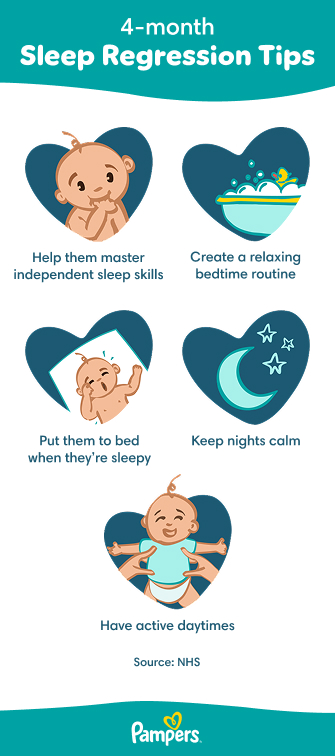
Here are some strategies for addressing these common problems: For frequent night wakings, try to avoid rushing in to pick up your baby immediately. Give them a few minutes to see if they can self-soothe. If you do need to intervene, keep the interaction brief and calm. For bedtime resistance, establish a consistent bedtime routine. This could include a bath, a story, and a lullaby. For shortened naps, ensure your baby is getting enough daytime sleep, but avoid letting them nap too close to bedtime.
Gentle sleep training techniques can be helpful during a regression. These techniques focus on gradually teaching your baby to fall asleep independently, without relying on you to rock or feed them to sleep. Some popular methods include the "chair method’ and the ‘fade-it-out" method. Remember to be consistent with your chosen method, and to be patient. It takes time for babies to learn new sleep skills.
Managing bedtime battles requires consistency and a calm demeanor. Avoid getting into a power struggle with your baby. Instead, offer reassurance and comfort, but firmly reiterate that it’s bedtime. A consistent bedtime routine is crucial. It signals to your baby that it’s time to wind down and prepare for sleep. A darkened room and white noise can also be helpful.
I’ve found that offering a small amount of comfort – a gentle pat on the back or a quiet reassurance – can often be enough to help a baby settle back to sleep without fully waking up. It’s a delicate balance between offering support and encouraging independence.
- Frequent Night Wakings: Give baby a few minutes to self-soothe before intervening. Keep interactions brief and calm.
- Bedtime Resistance: Establish a consistent bedtime routine. Offer reassurance, but firmly reiterate bedtime.
- Shortened Naps: Ensure adequate daytime sleep, but avoid naps too close to bedtime.
When to Seek Professional Help
While most sleep regressions are temporary and resolve on their own, there are times when it’s important to seek professional help. If the sleep regression is severe or prolonged – lasting for more than 2-3 weeks – it’s worth consulting your pediatrician. They can rule out any underlying medical conditions that may be contributing to the sleep problems.
If you have concerns about your baby’s health, such as a fever, cough, or difficulty breathing, seek medical attention immediately. And if you’re feeling overwhelmed or struggling to cope with the sleep deprivation, don’t hesitate to reach out to a sleep consultant. They can provide personalized guidance and support.
I want to be clear that we're not medical professionals, and This article is intended for informational purposes only and should not be considered a substitute for professional medical care. Resources like the American Academy of Pediatrics (aap.org) and the National Sleep Foundation (sleepfoundation.org) can also provide valuable information.

No comments yet. Be the first to share your thoughts!