

Why babies fight the crib
It's incredibly frustrating when you're ready for your baby to sleep in their crib, and they just…won’t. You’re not alone. This is a very common struggle for parents, and it’s okay to feel a little defeated. It’s natural for babies to resist change, especially when it comes to something as fundamental as sleep. For months, they’ve known the snug comfort of a bassinet, or the warmth and scent of you, and suddenly being placed in a larger, more open space can be unsettling.
A crib is a big, open change after months of being held or tucked into a snug bassinet. If your baby fights the transition, they aren't being difficult—they're just used to a smaller, warmer space. You haven't done anything wrong by comforting them until now; we're just shifting gears to a new environment.
The CDC recommends a firm, flat surface for sleep to reduce SIDS risks. A crib is the easiest way to provide that space while giving them room to move. Moving to the crib isn't just about your freedom; it's the safest spot for them to sleep independently.
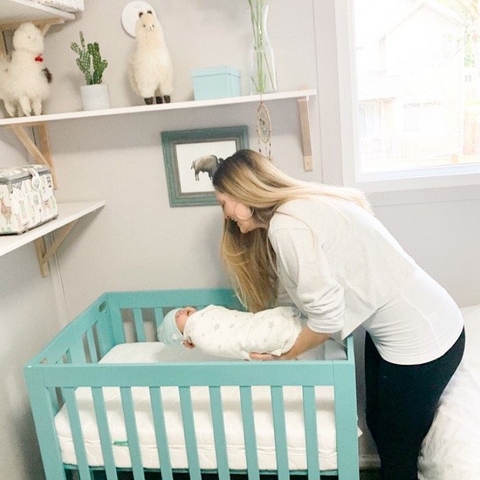
Check for physical discomfort first
Before you start any sleep training or crib transition efforts, it’s essential to rule out any physical discomfort that might be contributing to your baby’s resistance. Sometimes, what looks like a sleep preference is actually a signal that something isn't quite right. I've seen so many parents jump straight to sleep training, only to find out a simple fix was all their baby needed.
Think through a quick checklist: Is your baby too hot or too cold? Check the temperature of the room and adjust clothing accordingly. Is their diaper clean and dry? A wet or soiled diaper can definitely disrupt sleep. Are they experiencing any signs of gas or tummy troubles? Teething pain can also be a major factor. A quick check for these common issues can save you a lot of heartache.
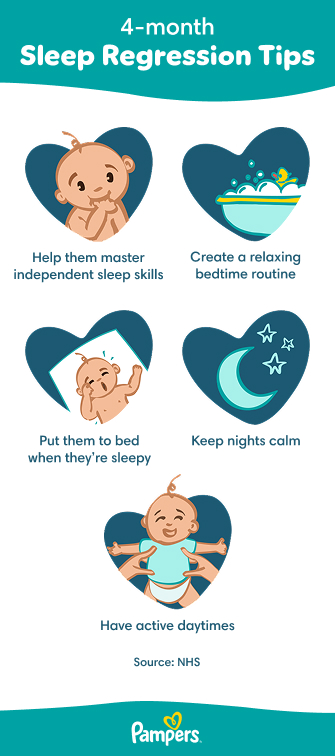
Also, be mindful of developmental milestones and potential sleep regressions. Around 4 months, 6 months, and 8-10 months, babies often experience sleep disruptions as their brains and bodies undergo significant changes. These regressions can make a crib transition much harder, as your baby is already struggling with sleep. Recognizing these periods can help you adjust your expectations and approach.
- Check room temperature
- Clean diaper
- Look for signs of gas or tummy upset
- Check for teething symptoms
Introduce the crib during the day
Don't attempt a cold-turkey switch to the crib. That's a recipe for frustration for both of you. Instead, start with gradual familiarization. Begin by having your baby spend time in the crib during the day, while they’re still awake. This helps them associate the crib with positive experiences, rather than just sleep time.
If daytime naps in the crib are a battle, start small. Simply sit in the room while your baby is awake and playing in the crib. Read a book, sing a song, or just chat with them. Then, gradually increase the amount of awake time they spend in the crib. Start with a few minutes, then slowly build up to longer periods. The goal is to create a sense of comfort and safety.
I’ve seen parents have a lot of success letting their baby play in the crib with toys during the day. This helps them see the crib as a fun and safe space, not just a place where they go to sleep. Positive associations are key. Talk to your baby about the crib in a happy, reassuring tone. Make it a welcoming environment.
Step 3: The Gentle Nighttime Shift
Once your baby is comfortable spending time in the crib during the day, you can start to introduce nighttime sleep cycles. Don't try to switch all nighttime sleep at once. Begin with just one cycle, ideally the last one, when your baby is already drowsy. This minimizes the potential for fussing and crying.
If your baby wakes up during the night, try to resettle them in the crib instead of immediately picking them up. This is where the 'put down drowsy but awake' method comes in handy. Place your baby in the crib when they are sleepy but still awake, allowing them to learn to fall asleep independently. This is challenging, but it's a crucial step towards independent sleep.
Expect some crying. You can go in to pat their back or offer a quick word of comfort, but try to keep them in the mattress. If you pick them up, you're usually starting the clock over. The goal is letting them figure out how to settle without being in your arms.
Remember, consistency is key. If you give in and pick your baby up every time they cry, you're reinforcing the idea that crying will get them what they want. It's tough, but staying consistent will ultimately lead to better sleep for everyone.
Try a sleep sack for security
Sleep sacks can be a game-changer during a crib transition. They provide a sense of security and warmth that can help your baby feel more comfortable and contained, especially if they’re used to being swaddled. Many babies find the gentle pressure of a sleep sack comforting, mimicking the feeling of being held.
If you’ve recently transitioned from a swaddle, a sleep sack is a natural next step. It allows for more freedom of movement than a swaddle, which is important as your baby gets older and starts to roll over, but still provides that cozy, secure feeling. It's a safe way to help them adjust to sleeping without being tightly wrapped.
There are many different types of sleep sacks available. The Kyte baby sleep sack is known for its incredibly soft bamboo fabric, while the Dreamland baby sleep sack offers weighted options, which some babies find particularly soothing. Halo also makes popular sleep sacks with various TOG ratings. Consider the TOG rating – this indicates the warmth of the sleep sack – and choose one that's appropriate for the season and your baby’s room temperature.
- Kyte Baby uses a very soft bamboo fabric that stays cool.
- Dreamland Baby makes weighted sacks for babies who need extra pressure to feel secure.
- Halo Sleep Sack: Variety of TOG ratings
Sleep Sack Features: A Comparison
| Material | Weight Options | TOG Ratings | Ease of Use | Price Range |
|---|---|---|---|---|
| Kyte Baby | Lightweight, breathable bamboo rayon from Viscose | 0.5 - 1.0 TOG | Simple zipper design, often with snap closures. Can be tricky to get baby fully inside initially due to snug fit. | Generally $35 - $60+ depending on size and patterns. |
| Dreamland Baby | Organic cotton with a gentle, weighted component | 0.5 - 1.0 TOG (weighted sacks); options vary | Designed for easy diaper changes with a two-way zipper. Weighted element may require adjustment period for baby. | Typically $80 - $120+ depending on size and weight. |
| Halo Sleepsack | 100% cotton | Varies widely (0.5 - 2.2 TOG depending on model) | Classic sleeveless design with a zipper. Wide neck opening can be convenient but may feel less secure for some. | Around $25 - $50+ depending on style and TOG rating. |
| Kyte Baby (Summer) | 100% Bamboo Rayon from Viscose | 0.5 TOG | Very lightweight and breathable, ideal for warmer temperatures. Zipper can be a little sticky. | Around $35 - $50 |
| Dreamland Baby (Weighted) | Organic Cotton | 0.5 - 1.0 TOG | The gentle weight is intended to be calming, but some babies may need time to adjust. Zipper is easy to use. | Around $80 - $120 |
| Halo Sleepsack Swaddle | 100% Cotton | Varies by model | Offers both swaddled and arms-free options. Can be a good transition from swaddling. | Around $30 - $40 |
Illustrative comparison based on the article research brief. Verify current pricing, limits, and product details in the official docs before relying on it.
Stick to the routine
The biggest mistake parents make during a crib transition is giving up too soon. It takes time for your baby to adjust to a new sleep environment, and there will be setbacks. Don’t get discouraged. Be consistent with your routine, even on weekends or when you’re traveling. A predictable bedtime routine signals to your baby that it’s time to sleep.
A dark, quiet, and cool sleep environment is also essential. Use blackout curtains to block out light, a white noise machine to mask distracting sounds, and keep the room temperature between 68-72 degrees Fahrenheit. These factors can all contribute to better sleep.
Illness, travel, and sleep regressions can all disrupt your progress. If your baby gets sick, it's okay to temporarily revert to comforting measures. But once they’re feeling better, get back on track with the crib transition. Don’t be afraid to adjust the pace, but don’t abandon the goal. Consistency, even with slight modifications, is key.

No comments yet. Be the first to share your thoughts!