

Check the basics first
Before diving into more complex solutions, let’s cover the basics. Is the bassinet actually comfortable for your baby? This might seem obvious, but it’s easily overlooked. Start with temperature regulation. Babies can overheat easily, so ensure the room temperature is between 68-72°F (20-22°C) and dress your baby appropriately – one layer more than you would wear.
Proper swaddling is also key, especially in the early weeks. A well-executed swaddle can help minimize the startle reflex and provide a sense of security. If you prefer a sleep sack, ensure it’s the right size and weight for the season. Always check for irritating tags or seams inside the bassinet. These can cause unexpected discomfort and lead to fussiness.
Most importantly, the mattress in the bassinet must be firm and flat. This is a safety requirement to reduce the risk of SIDS. Avoid any soft bedding, pillows, or bumpers. The American Academy of Pediatrics recommends a firm sleep surface for all infants. Here’s a quick checklist to ensure you've covered the basics:
- Keep the room between 68 and 72°F.
- ✅ Appropriate clothing: One layer more than you would wear
- ✅ Secure swaddle or properly fitted sleep sack
- ✅ No loose blankets, pillows, or bumpers
- ✅ Firm, flat mattress
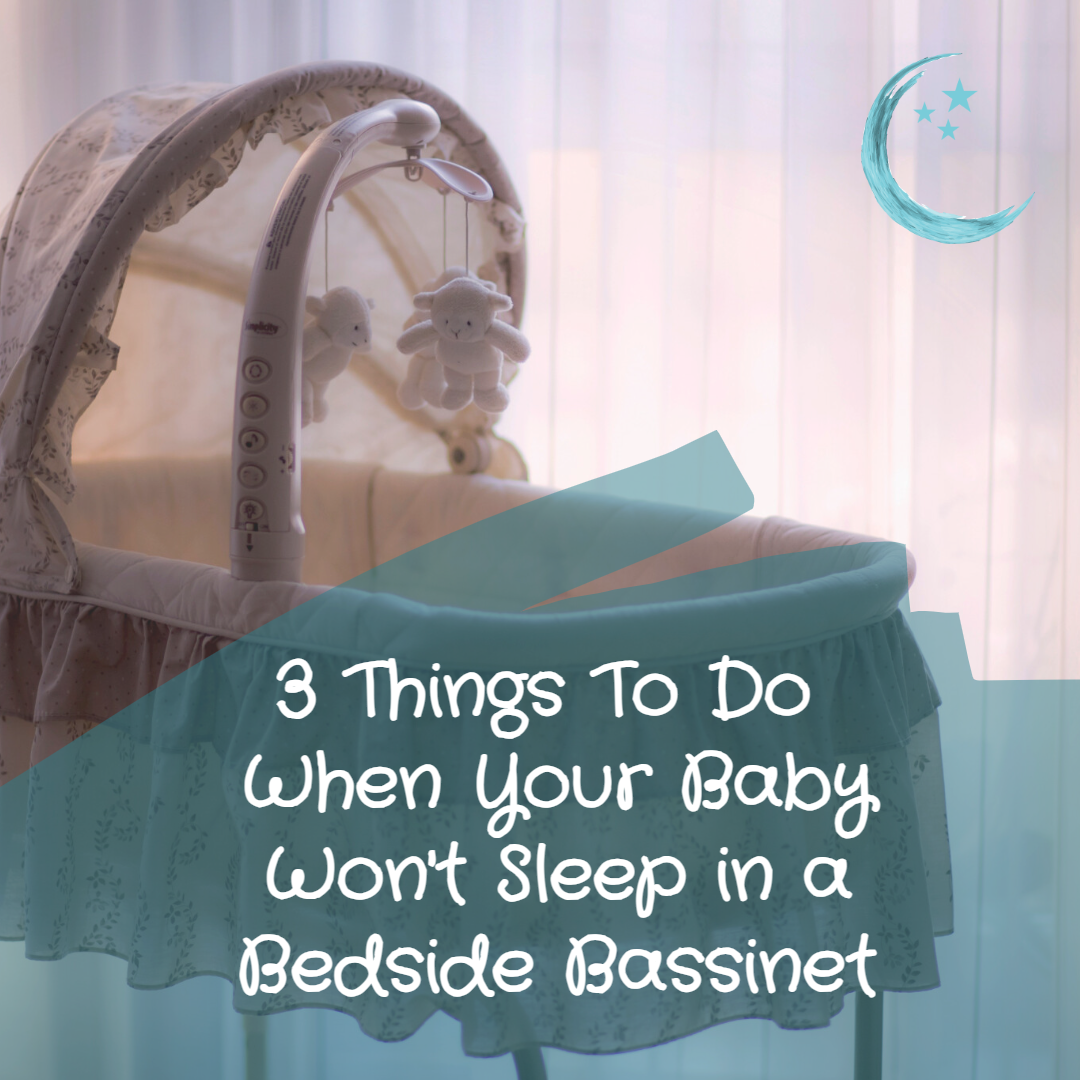
Recreate the womb environment
Remember that feeling of security and movement babies experience in the womb? We can attempt to recreate some of that in the bassinet. Gentle rocking or swaying can be incredibly soothing. There are bassinets with built-in rocking features, like the Maydolly S700 Smart Cradle, but even gently holding the bassinet and rocking it yourself can make a difference.
White noise is another excellent tool. It mimics the sounds babies heard in utero and can mask disruptive noises. A heartbeat sound machine can also be effective, as it replicates the familiar rhythm of a mother’s heartbeat. Dim lighting during bedtime routines is also important. Bright lights can be overstimulating and make it harder for babies to settle down.
I’ve heard from many parents who’ve had success with slightly curved bassinets. The gentle curve can make the baby feel more contained and secure. It’s not a magic bullet, but it can be a helpful addition to your toolkit. The key is to experiment and find what works best for your baby.
Use scent as a comfort cue
Babies have a sharp sense of smell. They know your scent and find it grounding. I've found that tucking a t-shirt you've recently worn into the bassinet—under the sheet so it's tight and flat—can help them settle. It makes the space smell like you instead of a cold factory mattress.
The scent acts as a powerful cue, signaling to your baby that they are safe and secure. However, it’s crucial to prioritize safety. Ensure the fabric is positioned safely and doesn’t pose a suffocation risk. Avoid anything loose or fluffy. The item should be flat and securely placed at the bottom of the bassinet, away from the baby’s face.
This technique isn't a guaranteed fix, but it's a low-effort way to add a familiar and comforting element to the bassinet. It’s about creating a positive association and helping your baby feel more at ease in their new sleep space.
Introduce the bassinet slowly
Don’t try to force your baby to sleep in the bassinet. A sudden transition is likely to be met with resistance. Instead, start with a gradual introduction. Begin by having your baby take supervised naps in the bassinet during the day. Start with very short periods – even just 10-15 minutes – and gradually increase the duration as they become more comfortable.
Associate the bassinet with positive experiences. Feed your baby in the bassinet (while awake and supervised), cuddle them, or read a book. The goal is to create positive associations and help them see the bassinet as a safe and comforting place. Consistency is key, but patience is even more important.
If your baby fusses, don’t immediately take them out of the bassinet. Try soothing them with gentle rocking, shushing, or patting. Give them a chance to settle on their own. Remember, it’s a process, and it takes time. Celebrate small victories and don’t get discouraged by setbacks.
Sleep sacks and swaddles
Sleep sacks have become incredibly popular, and for good reason. They provide a sense of security and prevent the startle reflex from waking your baby. Unlike loose blankets, sleep sacks are a safe alternative for keeping your baby warm without increasing the risk of SIDS. They’re a particularly helpful tool when transitioning to a bassinet.
Two brands consistently receive high praise: Kyte baby sleep sacks and Dreamland baby sleep sacks. Kyte sleep sacks are known for their incredibly soft bamboo fabric, which is gentle on sensitive skin. They’re lightweight and breathable, making them ideal for warmer temperatures. Dreamland sleep sacks, on the other hand, feature a weighted design, which provides a gentle, comforting pressure that can help soothe and calm your baby.
Choosing the right TOG rating is crucial. TOG stands for Thermal Overall Grade and indicates the warmth of the sleep sack. A lower TOG rating (0.5-1.0) is suitable for warmer temperatures, while a higher TOG rating (2.5-3.5) is best for colder temperatures. Here's a quick comparison:
- Kyte sleep sacks use a bamboo fabric that stays cool, which is helpful if your nursery runs warm.
- Dreamland Sleep Sack: Weighted design, gentle pressure, promotes calming and deeper sleep, available in various weights.
When to call the pediatrician
Sometimes, despite your best efforts, a baby simply won’t adjust to the bassinet. It’s important to recognize when it’s time to seek help. If you’ve tried all the troubleshooting steps and your baby is still consistently refusing the bassinet, there might be an underlying issue at play.
Potential issues could include reflux, allergies, or other medical conditions that are causing discomfort. If you suspect a medical problem, consult with your pediatrician. They can rule out any underlying causes and recommend appropriate treatment. You might also consider reaching out to a certified sleep consultant.
If you are exhausted and nothing is working, a sleep consultant can look at your specific routine. The International Sleep Consultant Association has a directory of people who specialize in newborn transitions. Don't ignore your own lack of sleep while trying to fix theirs.
- Pediatrician: Rule out medical issues like reflux or allergies.
- Certified Sleep Consultant: Personalized guidance and customized sleep plan. (Find one at )
Kyte vs. Dreamland Baby Sleep Sacks: A Comparison
| Feature | Kyte Baby Sleep Sack | Dreamland Baby Sleep Sack |
|---|---|---|
| Material | Bamboo rayon | Organic cotton |
| TOG Options | 0.5, 1.0, 2.2 | 0.5, 1.0, 2.5 |
| Ease of Use (Zipper/Closure) | Double zipper for easy diaper changes | One-way zipper with fabric flap to prevent chin-to-chest positioning |
| Price Point | Generally considered mid-range | Generally considered premium |
| Customer Reviews (Overall Sentiment) | Highly rated for softness and breathability | Highly rated for safety features and weighted design |
| Weight Options | Available in various weights | Offers gently weighted options |
| Sizing | Available in multiple sizes from newborn to toddler | Available in multiple sizes from newborn to toddler |
Illustrative comparison based on the article research brief. Verify current pricing, limits, and product details in the official docs before relying on it.

No comments yet. Be the first to share your thoughts!