

The 40-Second Sleep Hack: What Is It?
You might have seen TikTok videos of parents claiming to lull their babies to sleep in just 40 seconds. This '40-second sleep hack' uses shushing, gentle patting, and a secure hold (often a swaddle) to mimic the womb. The method became popular after sleep consultant @SleepyWillow shared a viral video, and parents quickly shared their own experiences.
Parents reacted with a mix of skepticism and hope. The promise of a quick sleep solution is appealing to exhausted parents. This isn't a guaranteed fix for every baby. It requires consistency, and it won't work for everyone. Every baby is different.
Be cautious, as this method isn’t suitable for all babies, especially those with certain medical conditions or developmental stages. Think of this as another tool in your sleep toolbox, not a cure-all. Finding what works best for your baby takes experimentation.
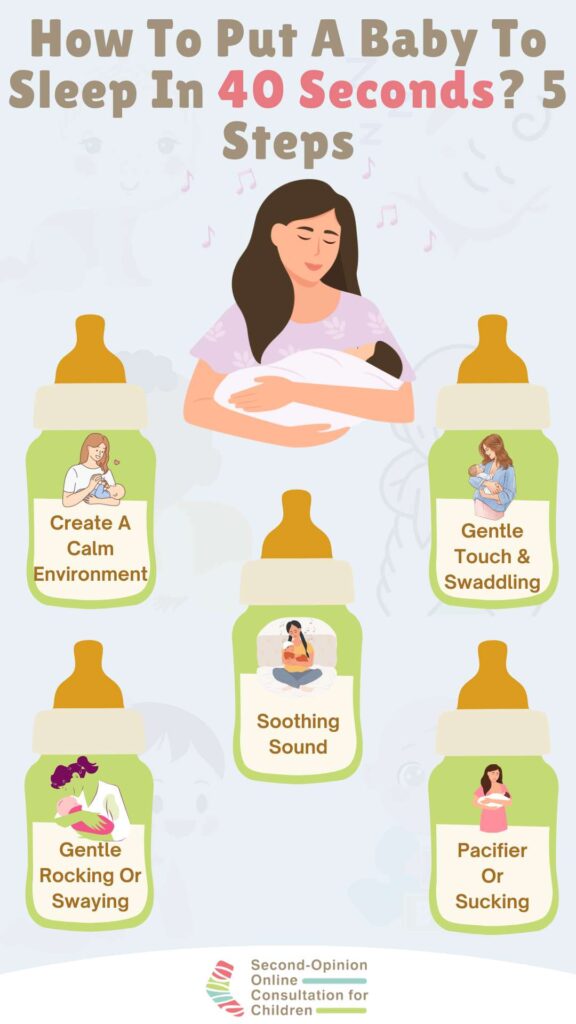
Breaking Down the Technique: Step-by-Step
Here’s a detailed guide to performing the 40-second sleep method. Consistency and a calm demeanor are important. Start with a quiet space, dim lighting, and minimal distractions.
1. Secure Swaddle (or similar hold): Begin by swaddling your baby snugly, ensuring their arms are secure but not overly restricted. If your baby dislikes swaddling, a similar secure hold – arms gently crossed across their chest – can work. 2. Gentle Shushing: Position yourself close to your baby’s ear and produce a consistent "shush’ sound. The volume should be similar to that of a vacuum cleaner, but not directly in their ear. 3. Rhythmic Patting: Gently pat your baby"s back or chest in a rhythmic, consistent pattern. Avoid vigorous patting; the goal is soothing, not stimulation.
4. Consistent Repetition: Continue the shushing and patting simultaneously for approximately 40 seconds. Maintain a calm and steady rhythm. 5. Gradual Reduction of Stimuli: After 40 seconds, slowly reduce the volume of the shushing and the intensity of the patting. Observe your baby’s reaction. If they remain calm, gently place them in their crib or bassinet. A common mistake parents make is stopping abruptly; the gradual reduction is important.
It's vital to pay attention to your baby’s cues. If they startle or seem distressed, adjust the technique. Maybe the shushing is too loud, or the patting is too fast. Don't be afraid to experiment slightly to find what resonates with your little one. Remember, this isn't about rigidly following a set of rules, it's about responding to your baby's needs.
The Science (or Lack Thereof) Behind It
While the 40-second method lacks specific scientific research, its underlying principles are rooted in infant sleep science. The shushing mimics the constant, comforting white noise of the womb, which can calm a fussy baby and block out environmental sounds.
Rhythmic patting and swaddling (or a secure hold) provide tactile stimulation, which is soothing for infants. This touch activates the parasympathetic nervous system, slowing the heart rate and promoting relaxation. Swaddling also minimizes the Moro reflex, the startle response that can wake babies.
Research shows that white noise and gentle touch can induce a state of calm in infants. A 2018 study in Infant Behavior and Development found that rhythmic rocking and shushing significantly reduced infant crying time (Esposito et al., 2018). This 40-second method likely taps into these same natural calming mechanisms.
Who Benefits Most? Age & Temperament
This method is most effective for infants under 4-6 months. At this stage, babies are more sensitive to the womb-like environment the technique recreates. As they get older and their nervous systems mature, they may need different soothing strategies, but this is not a hard and fast rule.
Temperament plays a role. Some babies are naturally more sensitive and easily soothed, while others resist calming techniques. If your baby is high-needs or easily overstimulated, this method might require more patience and experimentation. A naturally calm baby may respond quickly.
Consider if your baby is overtired. If they're past their "tired window," this method may be less effective. An overtired baby is harder to soothe and may need a feeding or quiet time before attempting sleep. If your baby has reflux or other medical conditions, consult your pediatrician before using a swaddle or any positioning technique.
- Under 4-6 months: Generally the most responsive age group.
- Sensitive Temperament: Babies who are easily soothed may benefit the most.
- Not Overtired: Avoid attempting the method if your baby is already past their tired window.
Sleep Sacks & Secure Holds: Enhancing the Method
Sleep sacks can enhance this technique. They provide a secure and comfortable environment, mimicking swaddling even after your baby has outgrown traditional swaddling. The Kyte baby sleep sack, with its soft bamboo fabric, is a popular choice. The Dreamland baby sleep sack, offering gentle compression, is another well-regarded option.
Use weighted sleep sacks safely and according to manufacturer instructions. The American Academy of Pediatrics recommends against weighted swaddles for newborns due to potential risks. If using a weighted sleep sack for an older infant, ensure it’s the appropriate weight for their size and development. Consult your pediatrician.
If your baby doesn’t tolerate traditional swaddling, explore alternative secure holds. Holding your baby close, skin-to-skin, while gently shushing and patting can be effective. A baby carrier or wrap can also provide a sense of security. For more information on choosing the right sleep sack, see our guide on FindPM.
Troubleshooting: What If It Doesn't Work?
Don't be discouraged if the 40-second method doesn’t work immediately. The swaddle might be too tight, restricting your baby’s movement, or too loose, allowing the Moro reflex to kick in. The shushing could be too loud, overstimulating your baby, or too quiet, failing to provide enough white noise.
Adjust the volume and intensity of the shushing and patting. Observe your baby’s cues closely. If they’re grimacing or arching their back, the technique might be too intense. If they’re still fussing and wide awake, you might need to increase the stimulation slightly. Consistency is vital, but flexibility is also key.
If adjusting the technique doesn’t work, seek professional help. A certified sleep consultant can provide personalized guidance and identify underlying sleep issues. Your pediatrician can also rule out medical conditions interfering with your baby’s sleep.
How To Put A Baby To Sleep In 40 Seconds https://t.co/lzsSoBHUqc
— Kahawa Tungu (@KahawaTungu) November 20, 2024
Parent Reactions: What Are They Saying?
Parents have had mixed responses to the 40-second method. On TikTok, parents share videos of babies sleeping within 40 seconds, calling the technique "life-changing’. One user, @SleepyMomma22, commented, ‘This saved my sanity! My little one was a terrible sleeper, and this is the only thing that consistently works."
undefined others acknowledging that it only worked sporadically. One commenter wrote, "My baby actually fought the swaddle and shushing. It just agitated him more."
A common theme among the successful stories is that the method works best when combined with other good sleep habits, such as a consistent bedtime routine and a dark, quiet sleep environment. It seems to be most effective as a tool to initiate sleep, rather than a standalone solution. The overall consensus seems to be that it's worth a try, but don't put all your hopes on it.
Content is being updated. Check back soon.
Beyond 40 Seconds: Building Healthy Sleep Habits
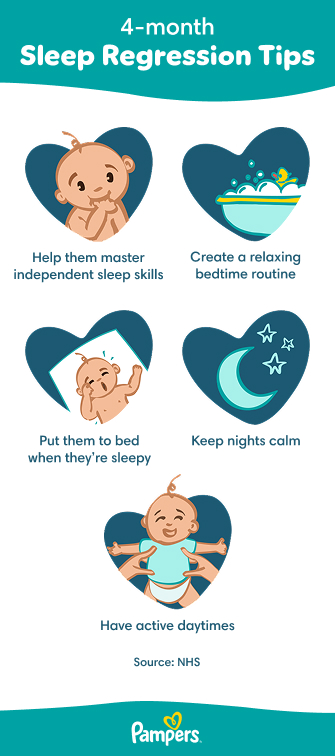
The 40-second method can be a helpful tool for getting your baby to sleep in the short term, but it's not a sustainable long-term solution. To truly establish healthy sleep habits, you need to focus on creating a consistent bedtime routine. This could include a warm bath, a gentle massage, reading a book, or singing a lullaby. The key is to create a predictable sequence of events that signals to your baby that it’s time to sleep.
Creating a sleep-conducive environment is also crucial. Make sure the room is dark, quiet, and cool. Use blackout curtains to block out light, and a white noise machine to mask disruptive sounds. A comfortable temperature – around 68-72 degrees Fahrenheit – is ideal. Learning to recognize your baby’s sleep cues – such as yawning, eye rubbing, and fussiness – is essential for putting them down before they become overtired.
Ultimately, the goal is to help your baby learn to self-soothe and fall asleep independently. This takes time and patience, but it’s well worth the effort. For more information on establishing healthy sleep habits, check out our articles on bedtime routines and sleep training on FindPM: [link to FindPM bedtime routine article] and [link to FindPM sleep training article]. Remember, a well-rested baby – and well-rested parents – are a happy baby and happy parents!

No comments yet. Be the first to share your thoughts!