

Is Your Bassinet Really the Problem? Ruling Out Other Sleep Disruptors
It’s incredibly frustrating when your newborn refuses to sleep in the bassinet. You’ve prepared the space, you’re following all the advice, and yet…they’re happiest in your arms. Before immediately blaming the bassinet itself, there are usually other reasons for your baby’s sleep resistance. Newborns are complex little beings, and a lot can disrupt their sleep.
Often, what appears to be a 'bassinet problem' is actually a symptom of something else. Are they overtired? Under-tired? Hungry? Experiencing gas or discomfort? Newborns need to feed frequently, sometimes as often as every two to three hours, and hunger can easily wake them. Rule out these basic needs first. It’s easy to get caught up in the "shoulds" of sleep training, but sometimes the simplest solution is the right one.
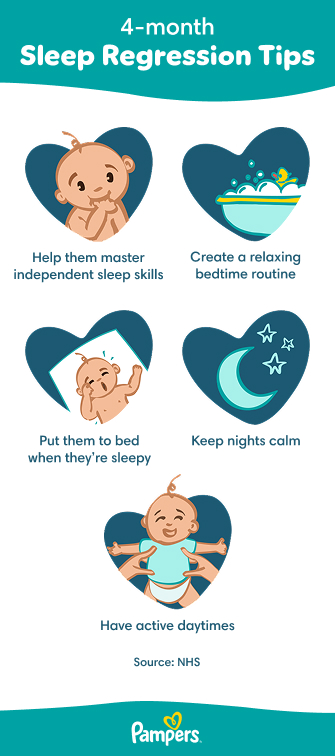
Don’t discount the possibility of overstimulation. A busy household, lots of visitors, or even too much visual stimulation can make it hard for a newborn to settle down. And while it might seem early, the four-month sleep regression can sometimes start to manifest around eight to ten weeks, causing temporary disruptions in sleep patterns. Taking a step back and addressing these broader sleep issues might be all it takes to make the bassinet a more welcoming place.
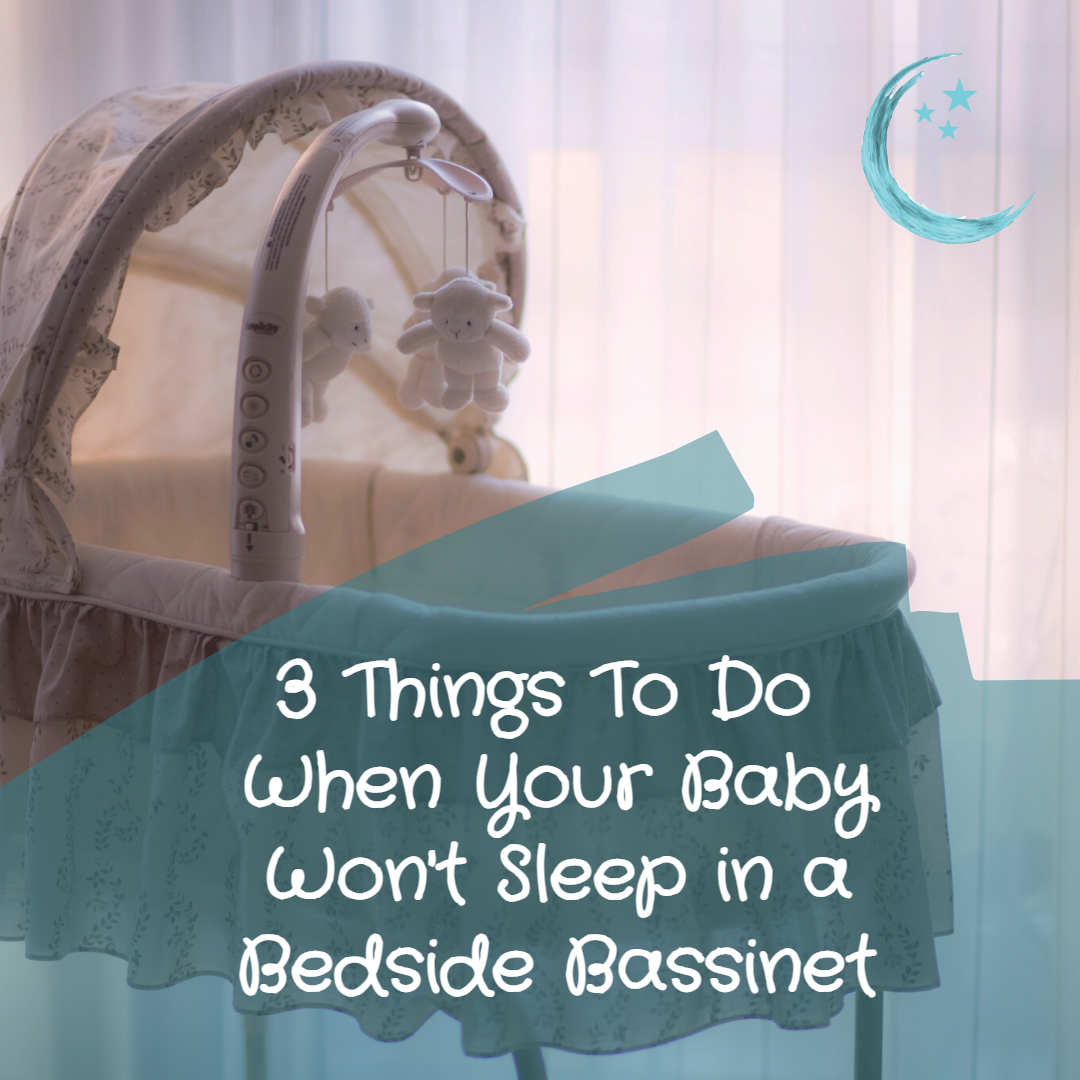
The 'Too Good to Be True' Trap: Why Some Babies Reject Bassinet Sleep
Babies are born needing closeness. For nine months, they experienced the constant warmth, motion, and sound of your body. A bassinet, in comparison, can feel…empty. It’s a significant shift from the security of being held, rocked, and soothed. It’s no wonder they resist! They’re accustomed to you providing comfort, and a flat, still surface doesn't offer the same sensory experience.
The American Academy of Pediatrics recommends that babies sleep on their backs in a crib or bassinet to reduce the risk of Sudden Infant Death Syndrome (SIDS). This is the safest way for them to sleep. But the transition is hard because they've spent nine months tucked inside a warm, moving body. It’s a hard adjustment for both baby and parent.
It’s easy to fall into 'all or nothing' thinking – either the baby sleeps in the bassinet, or we’ve failed. That’s simply not true. Small steps are perfectly acceptable. Start with just a few minutes in the bassinet, gradually increasing the duration as your baby gets more comfortable. Remember, you're working with your baby, not against them.
- Prioritize safety: Always follow safe sleep guidelines.
- Acknowledge the transition: Recognize it's hard for your baby.
- Start small: Begin with short periods in the bassinet.
Solution 1: The Swaddle Game – Getting It Right in 2026
The Moro reflex – that startle reflex that causes babies to flail their arms and legs – can be a major sleep disruptor. A good swaddle can effectively contain these movements, mimicking the feeling of being held securely. It’s a powerful tool for calming a newborn and promoting longer stretches of sleep. You have to get the technique right to keep it safe.
When swaddling, ensure the baby's hips have room to move freely to prevent hip dysplasia. Avoid swaddling too tightly, as this can restrict breathing. And crucially, stop swaddling as soon as your baby shows signs of rolling over – typically around two to four months. Continuing to swaddle once a baby can roll can be dangerous.
There are many swaddle options available today. Traditional muslin blankets work, but can be tricky to master. Velcro swaddles, like the Halo SleepSack Swaddle, offer more security. Sleep sacks with swaddle options, such as the popular Kyte baby sleep sack and the Dreamland baby sleep sack, provide versatility. You can find more detailed reviews of baby sleep sacks on FindPM to help you choose the best option for your little one.
Solution 2: White Noise and Sound Machines – Creating a Consistent Sleep Environment
The womb is a noisy place! Babies are accustomed to constant sounds. White noise can help recreate that environment, masking distracting household noises and creating a calming, consistent soundscape. It’s surprisingly effective at promoting sleep. It signals that it’s time to rest.
You don't need a fancy sound machine – a fan, static from the radio, or even a white noise app on your phone can work. The key is consistency. Aim for a volume that's soothing but not too loud. A good rule of thumb is to place the sound machine about 6-8 feet away from the bassinet to avoid potential hearing damage.
The Happiest Baby SNOO sound machine is a popular choice, known for its womb-like sounds and gentle rocking motion. However, plenty of affordable alternatives are available. Experiment to find what works best for your baby. Remember, the goal is to create a calming and predictable sleep environment.
Solution 3: The 'Drowsy But Awake' Technique – A Gentle Approach
The 'drowsy but awake' method is a standard approach for a reason. The idea is to put your baby in the bassinet when they’re sleepy but not fully asleep. This allows them to learn to fall asleep independently, a crucial skill for developing healthy sleep habits. It’s about giving them the opportunity to self-soothe.
Learning to recognize your baby’s drowsy cues is key. These might include yawning, eye rubbing, decreased activity, or staring off into space. Once you notice these signs, gently place your baby in the bassinet. It’s okay if they fuss a little – give them a few minutes to settle themselves.
This technique requires patience and consistency. There will be setbacks. Some nights will be easier than others. Don’t get discouraged. If your baby is truly upset, it’s okay to pick them up and soothe them, then try again once they’re drowsy. Remember, this doesn’t work for every baby, and that’s perfectly alright.
Solution 4 & 5: Gradual Transition & The 'Pick Up/Put Down' Method – For Babies Who Really Resist
If your baby strongly resists the bassinet, a more gradual approach might be necessary. Start by simply having them spend a few minutes in the bassinet while you’re still holding them. Gradually increase the amount of time they spend in the bassinet, slowly transitioning to placing them down while they’re still awake but drowsy. This helps them acclimate to the space without feeling abandoned.
The 'Pick Up/Put Down' method is a more involved technique for babies who really struggle. When your baby starts to fuss or cry in the bassinet, gently pick them up and soothe them until they’re calm. Then, put them back down before they fall asleep. Repeat this process as many times as necessary. It’s exhausting, but it can be effective.
Consistency is vital with this method. It's also important to stay calm. Your baby can sense your anxiety, which can exacerbate their distress. It’s okay to take breaks if you’re feeling overwhelmed. If either you or your baby are becoming overly stressed, it’s time to step back and try again later. Remember, this isn’t a race; it’s about finding what works for your family.
Solution 6 & 7: Bassinet Location & Temperature – Small Changes, Big Impact
Sometimes, the solution is as simple as adjusting the bassinet’s location. Avoid placing it in a drafty area, near a direct source of heat or sunlight, or in a high-traffic zone. A quiet, dimly lit corner of the room is ideal. You want to create a calm and peaceful environment.
Room temperature also plays a significant role in sleep. The ideal temperature range for baby sleep is 68-72°F (20-22°C). Overheating can be uncomfortable and disruptive. Dress your baby in appropriate clothing – a lightweight sleep sack is often a good choice – and avoid using heavy blankets.
Finally, consider the comfort of the bassinet itself. Is the mattress firm enough? Are there any loose threads or anything poking through that could be irritating your baby? A small adjustment to the mattress or room brightness can be the final piece of the puzzle.all adjustment to the bedding or mattress can sometimes make a big difference. Every baby is different, so some experimentation may be needed to find the perfect setup.
When to Seek Professional Help
It’s okay to ask for help. If you’ve tried these solutions and your baby is still struggling to sleep in the bassinet, or if you’re feeling overwhelmed and exhausted, don’t hesitate to reach out to a professional. There’s no shame in admitting you need support.
Signs that a sleep issue might be more serious include excessive crying, difficulty feeding, or any signs of illness. A pediatrician can rule out any underlying medical conditions that might be contributing to the problem. A certified sleep consultant can provide personalized guidance and support. Remember, I am not a medical professional, and this article is for informational purposes only.

No comments yet. Be the first to share your thoughts!