
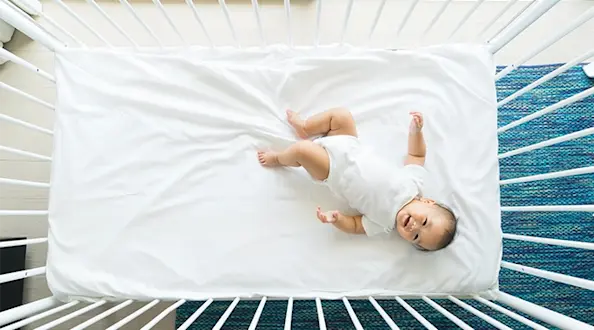
Why babies resist the crib
The transition from a bassinet or swaddle to a crib is rarely smooth. Physiologically, infants are wired to seek proximity to caregivers for survival, a trait that makes the sudden spatial distance of a crib feel isolating. According to Children's Hospital of Philadelphia, this shift often triggers separation anxiety, particularly as cognitive development accelerates between six and twelve months. The baby realizes they are alone in a large, quiet room, which can spike cortisol levels and make settling difficult.
Behavioral factors compound this physiological stress. Overstimulation from daytime activity or an overtired state makes it harder for an infant to self-soothe in a new environment. The crib, unlike the womb or a parent's arms, offers no movement or warmth. This is where a sleep sack becomes more than just clothing; it serves as a critical sleep association. By providing consistent, gentle pressure and warmth, a sleep sack mimics the containment of a swaddle, helping to regulate the baby's nervous system.
Understanding these resistance points helps parents choose the right transition tool. Products like the Kyte BABY sleep sack or the Dreamland sleep sack are designed to bridge this gap, offering the security of containment without the restrictions of a traditional swaddle. Recognizing that the resistance is normal and often temporary allows parents to approach the crib transition with patience and the right supportive gear.
Kyte baby sleep sack review
The Kyte baby sleep sack, made from breathable bamboo viscose, offers a distinct alternative to standard cotton options. Its fabric is notably softer and more temperature-regulating, which can help prevent overheating—a critical safety factor for crib transitions. The material feels luxurious against sensitive skin, making it a popular choice for parents concerned about irritation or excessive sweating during the night.
Fit is generally true to size, but the sack’s design prioritizes a snug, cocoon-like shape that mimics the womb. This can be comforting for younger infants, though older babies who have outgrown the swaddle phase might find the fixed arms restrictive if they prefer moving their hands freely. The zipper is smooth and typically includes a protective flap to prevent chin nicks, a small but significant detail for safety and comfort.
For parents transitioning from a bassinet to a crib, the Kyte sack provides a consistent sleep cue. The familiar sensation of the sack helps signal that it is time to sleep, reducing the anxiety of a new environment. However, because it is a single-layer garment, it may not provide enough warmth on its own in colder months without layering a sleep shirt underneath.


As an Amazon Associate, we may earn from qualifying purchases.
dreamland baby sleep sack review
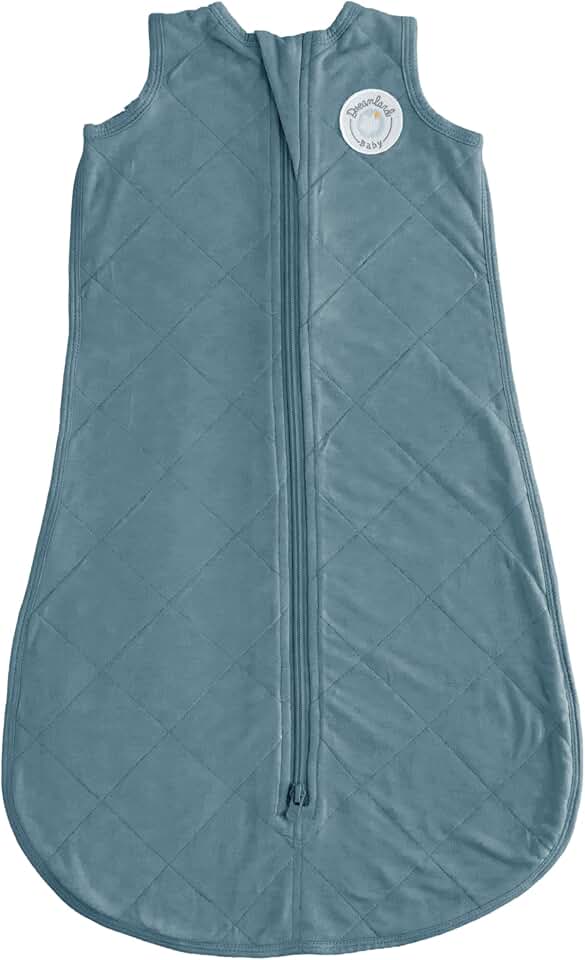
The Dreamland Baby weighted sleep sack uses gentle pressure to mimic the feeling of being held, which can help soothe fussy sleepers during the transition to a crib. Designed with a unique ergonomic shape, the sack allows babies to move their arms freely while keeping their legs and hips comfortable, supporting natural development.
The weighted version is crafted with non-toxic glass beads evenly distributed across the torso. This weight provides a calming effect similar to swaddling but without the restriction, making it a popular choice for parents whose babies have outgrown traditional swaddles. The outer shell is made from breathable cotton, ensuring that safety and comfort remain balanced.
For safety compliance, the American Academy of Pediatrics (AAP) recommends that all sleep surfaces remain firm and flat, with no loose bedding or soft objects. Weighted products should be used with caution and only under the guidance of a pediatrician, especially for infants under 3 months or those who have not yet mastered rolling over. Always ensure the baby is placed on their back for every sleep.
Dreamland offers several size options to accommodate growing infants, from newborn up to toddler stages. The design includes a two-way zipper for easy diaper changes and a hood option for added warmth in cooler months. When considering this sleep sack for your crib transition, verify that the weight is appropriate for your child's size to ensure both safety and effectiveness.
As an Amazon Associate, we may earn from qualifying purchases.
Comparing fabric and fit options
Use this section to make the Best Baby Sleep Sacks for Crib Transition decision easier to compare in real life, not just on paper. Start with the reader's actual constraint, then separate must-have requirements from details that are merely nice to have. A practical choice should survive normal use, maintenance, timing, and budget. If a recommendation only works in an ideal situation, call that out plainly and give the reader a fallback path.
| Factor | What to check | Why it matters |
|---|---|---|
| Fit | Match the option to the primary use case. | A good deal still fails if it does not fit the job. |
| Condition | Verify age, wear, and service history. | Hidden condition issues erase upfront savings. |
| Cost | Compare purchase price with likely upkeep. | The cheapest option is not always the lowest-cost option. |
Safe sleep practices for crib use
Sleep sacks are a practical tool for maintaining a safe sleep environment, but they are not a medical intervention for sleep disorders. The American Academy of Pediatrics (AAP) guidelines remain the standard for reducing the risk of Sudden Infant Death Syndrome (SIDS). The primary rule is simple: a baby should sleep on their back, on a firm surface, with nothing else in the crib.
When using a sleep sack like the Kyte BABY or Dreamland blanket, the goal is to replace loose blankets that can cover the face. A properly fitted sleep sack stays in place without the need for additional bedding. This reduces the risk of suffocation and helps keep your baby at a comfortable temperature without overheating.
A safe crib setup requires strict adherence to these basics. Ensure the mattress is firm and fits snugly within the crib frame. Use only a fitted sheet designed for that specific mattress. Remove all pillows, bumpers, stuffed animals, and loose blankets. The sleep sack should be the only layer on your baby, chosen based on the room temperature.
When to consult a pediatrician
Sleep sacks like Kyte and Dreamland are excellent tools for comfort, but they cannot fix underlying medical issues. If your baby consistently struggles to settle despite a safe sleep environment, it may be time to look beyond bedding. Persistent crying, gasping, or inability to stay asleep often signals a problem that requires professional diagnosis rather than a product swap.
The American Academy of Pediatrics and other health authorities emphasize that while sleep associations are common, medical conditions can also disrupt rest. Signs such as chronic snoring, pauses in breathing, or extreme difficulty waking for feeds warrant an immediate check-up. These symptoms can indicate sleep apnea, reflux, or other disorders that a sleep sack alone cannot address.
If your child is past the typical age for night waking and still experiences significant disruption, a pediatrician can help rule out physical causes. They can provide guidance on whether your current sleep setup is contributing to the issue or if a different approach is needed.
No comments yet. Be the first to share your thoughts!