


Recognize Sleep Readiness Signs
Transitioning from a bassinet to a crib is a significant developmental milestone, but timing is everything. Moving a baby too early can lead to frequent night wakings, while waiting too long may cause overtiredness that makes settling down difficult. The American Academy of Pediatrics generally recommends transitioning between 3 and 6 months, as this is when many infants begin to outgrow the confined space of a bassinet and develop more predictable sleep cycles.
Watch for physical cues that signal your baby is ready for more room. If your infant is regularly hitting the sides of the bassinet, kicking their legs with force, or appears cramped during naps, it is time to move. A common sign is weight; most bassinets have a weight limit of 15 to 20 pounds. Once your baby approaches this limit, the crib offers the necessary space for safe, uninterrupted rest.
Beyond size, observe behavioral shifts. Babies often show readiness by staying awake longer between feeds or showing interest in their surroundings during daytime hours. However, be cautious of "false starts." If your baby is fighting sleep, pulling at their ears, or crying inconsolably, they may be overtired rather than ready for a change. An overtired baby releases cortisol, a stress hormone that makes it harder to fall and stay asleep.
To ensure a smooth transition, align the move with your baby's natural sleep patterns. Start by moving them to the crib for naps first, allowing them to adjust to the new space during the day before tackling nighttime sleep. This gradual approach reduces anxiety for both parent and child, making the crib a familiar and safe place for rest.
Set up the safe sleep environment
A safe sleep space is the foundation of rest. It prevents SIDS and keeps your baby comfortable enough to stay asleep. The American Academy of Pediatrics (AAP) recommends a firm, flat surface with a fitted sheet for both cribs and bassinets. No pillows, blankets, or stuffed animals belong in the sleep area.
Follow these steps to prepare the environment.
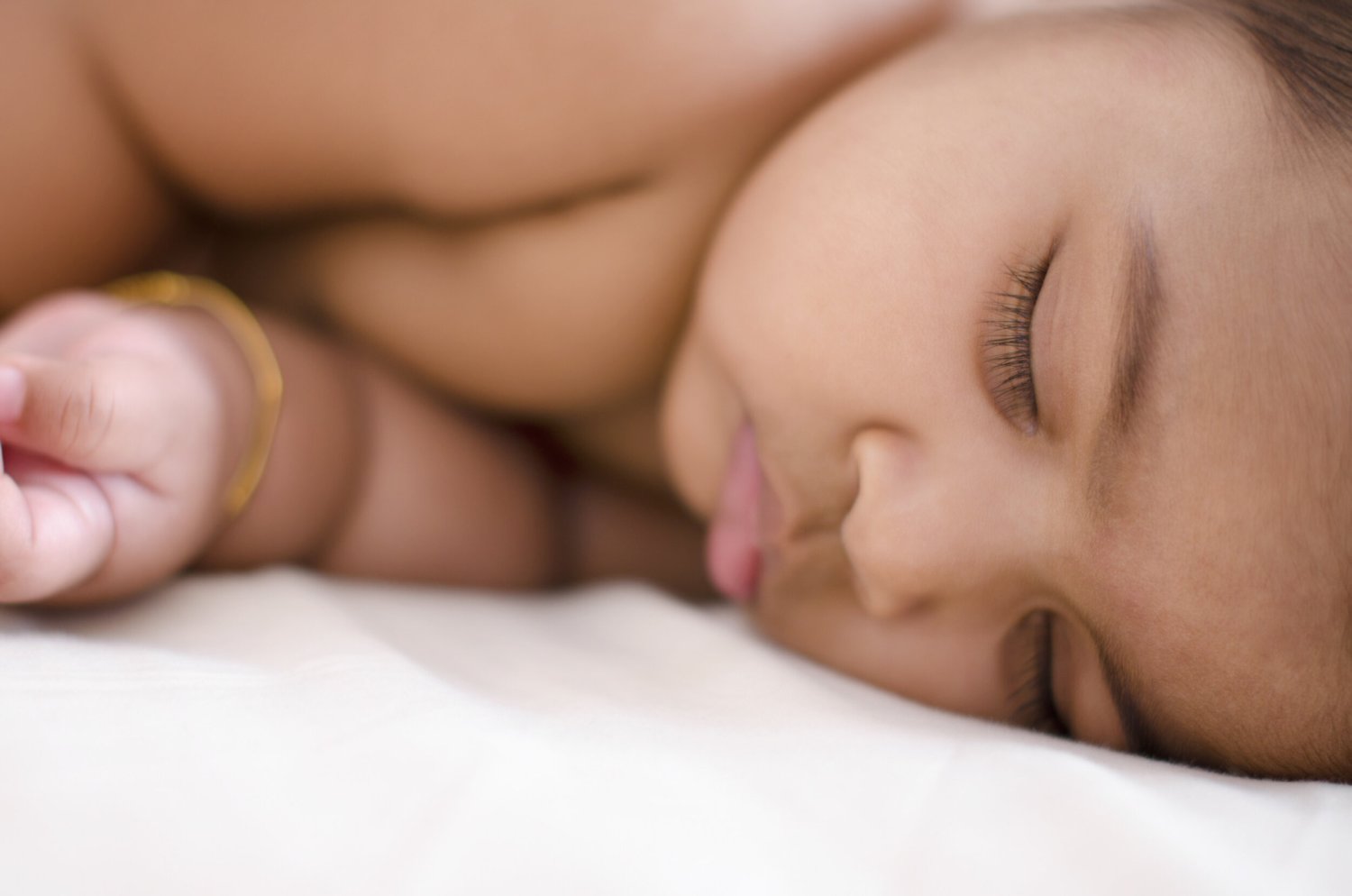
Ensure the mattress is firm and flat. You should not be able to press your hand into the foam. The mattress must fit the crib or bassinet snugly with no gaps wider than two fingers between the mattress and the side of the frame. Gaps can trap a baby’s head or limbs, creating a suffocation hazard.

Use only a tight-fitting fitted sheet designed for that specific mattress. Avoid loose sheets, quilts, or comforters. If your baby kicks off the sheet, consider a wearable sleep sack instead. The sleep sack keeps the baby warm without covering the face or head, which is the safest way to maintain warmth.
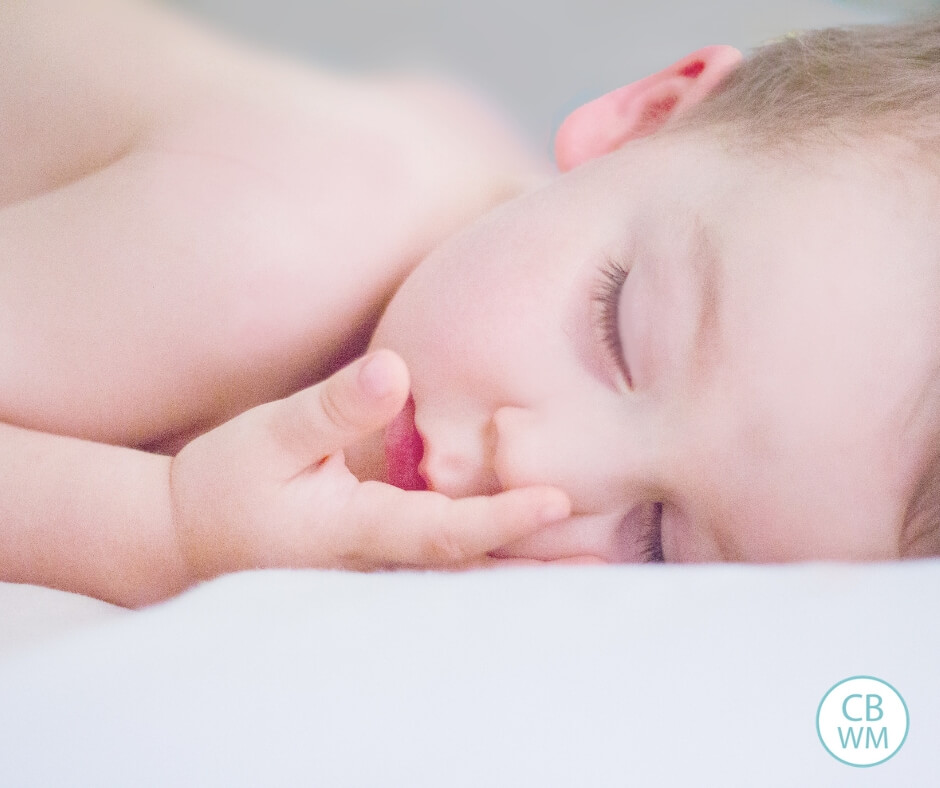
Remove all soft objects from the crib and bassinet. This includes bumpers, pillows, toys, and loose blankets. These items increase the risk of suffocation and rebreathing carbon dioxide. The sleep surface should be bare except for the baby and the fitted sheet.
If using a bassinet, verify that the frame is stable and the mesh sides are intact. Look for tears or loose stitching in the mesh panels. Ensure the bassinet is placed on a flat, level surface away from windows, cords, or heavy objects that could fall into it.

Keep the room cool to prevent overheating, which is a SIDS risk factor. Aim for a temperature between 68°F and 72°F (20°C to 22.2°C). Dress your baby in one layer more than an adult would wear for comfort. Check the back of the neck or chest to feel if they are sweating or too warm.
Once the physical setup is complete, ensure the environment remains consistent. A dark, quiet room helps signal that it is time to sleep. Use blackout curtains if necessary to block early morning light. Avoid placing the crib or bassinet near drafts or direct sunlight.
This setup should be reviewed before every nap and night sleep. A consistent, safe environment reduces the variables that cause sleep disruptions. When the space is secure, your baby can focus on resting rather than adjusting to discomfort or danger.
Choose the right sleep sack
A sleep sack is often the missing piece when transitioning a baby from a bassinet to a crib. It provides a secure, swaddle-like feeling that calms the startle reflex without the risk of loose blankets. The American Academy of Pediatrics (AAP) recommends room-sharing without bed-sharing for at least the first six months, and a wearable blanket is the safest way to keep your baby warm in that shared space.
Choosing between the Kyte Baby and Dreamland sleep sacks comes down to your baby’s sleep style and the room temperature. The Kyte Baby is made from bamboo viscose, making it breathable and ideal for warmer climates or babies who tend to overheat. Dreamland uses a double-layered cotton blend that offers a slightly heavier, more structured feel, which some parents find better for calming the Moro reflex. Both options are designed to meet safe sleep standards by eliminating loose fabric.
The goal is to reduce night wakings caused by temperature discomfort or startle reflexes. Poor sleep in infants can impact daytime behavior and development, making the right equipment essential for family well-being. A properly fitted sleep sack allows for natural hip movement while keeping the shoulders secure, ensuring your baby stays comfortable throughout the night.
| Brand | Material | Warmth Level | Best For |
|---|---|---|---|
| Kyte Baby | Bamboo Viscose | Light to Medium | Warm rooms, hot sleepers |
| Dreamland | Double-Layer Cotton | Medium to Warm | Cooler rooms, strong startle reflex |
Establish a calming bedtime routine
A consistent pre-sleep routine acts as a signal to your baby that it is time to sleep. This routine helps prevent overtiredness and overstimulation, which are common causes of sleep resistance. By repeating the same steps in the same order each night, you create a predictable environment that helps your baby transition from wakefulness to sleep more easily.
Start the routine 20 to 30 minutes before you plan to put your baby down. This buffer allows time for winding down activities like a warm bath, gentle massage, or reading a short book. Keep lights low and voices soft to encourage drowsiness. Avoid stimulating play or bright screens during this window.
The goal is to make the transition to the crib or bassinet feel natural and safe. When your baby recognizes these cues, they are more likely to settle quickly and stay asleep. Consistency is key; even on busy nights, try to maintain the same sequence of events.
Troubleshoot common sleep disruptions
For most Get Baby to Sleep in Crib and Bassinet glitches, start with the least invasive restart and then retest the exact feature that failed. If the display froze, confirm touch response, climate controls, navigation, audio, and phone pairing after the reboot. If the issue was connectivity, test Wi-Fi, cellular signal, Bluetooth, and the companion app separately so one weak connection does not look like a full system failure. If the problem returns immediately, look for a pattern instead of repeating the same reset. Recent updates, low signal, a newly paired phone, a USB accessory, or a profile sync issue can all make the failure look random. Remove one variable at a time, then give the system a few minutes to reload before judging the result. Escalate when the screen stays black, the same warning returns, basic controls are unavailable, or the reboot only works for a few minutes. At that point the most useful thing you can provide is a short log: time, software version, exact symptom, what reset you tried, and whether the car or device was parked and awake.
The simplest way to use this section is to keep the setup small, verify each change, and record the stable configuration before adding optional accessories.
No comments yet. Be the first to share your thoughts!