

Recognize signs of baby sleep issues
Parents often mistake normal infant development for a sleep problem. Night wakening is a biological norm for infants under 12 months, serving as a protective mechanism against SIDS rather than a failure of sleep training [1]. The goal is not 12 hours of uninterrupted sleep, which is unrealistic, but rather identifying when normal waking patterns cross into genuine distress or inability to self-settle.
The American Academy of Pediatrics and child development experts distinguish between sleep problems and sleep difficulties. A true sleep problem usually involves persistent crying, difficulty falling asleep without extensive parental intervention, or frequent night wakings that disrupt the entire household for weeks. Normal developmental regressions, such as those occurring around 4 months or 8 months, are temporary spikes in wakefulness driven by brain maturation or new milestones.
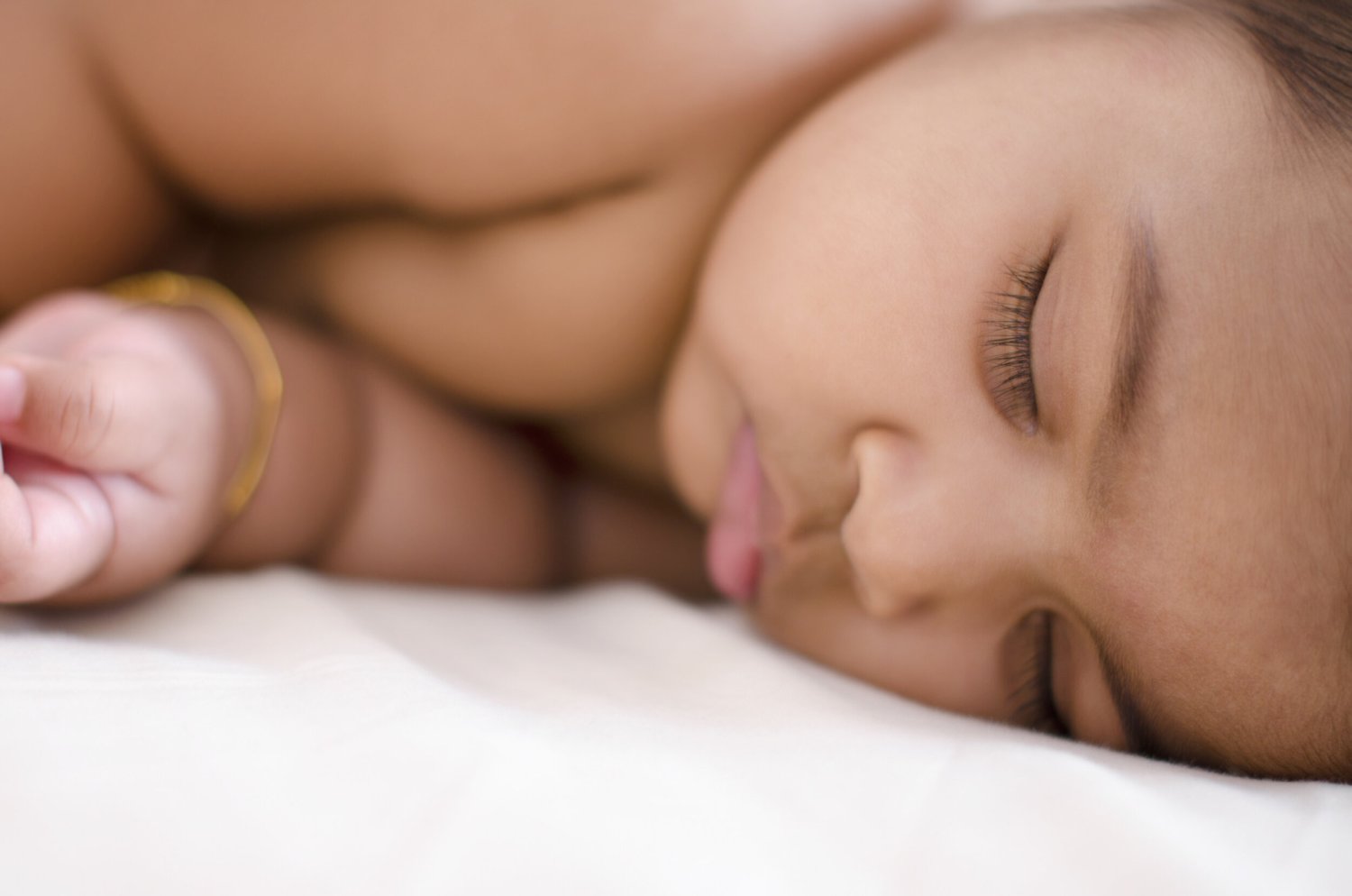
Watch for these specific signals from the Children’s Hospital of Philadelphia to determine if intervention is needed:
- Night waking with distress: The baby wakes one or more times after previously sleeping through and cries intensely, requiring significant effort to soothe back to sleep.
- Refusal to sleep in crib: The baby consistently fights the sleep environment, arching back or screaming when placed down, rather than settling with minimal help.
- Daytime impact: The baby shows excessive fatigue, irritability, or inability to focus during the day, suggesting chronic sleep deprivation rather than a temporary adjustment period.
If these signs persist for more than two weeks despite consistent bedtime routines, the issue likely requires structured intervention rather than waiting it out.
Choose between Kyte and Dreamland sacks
Kyte and Dreamland are the two dominant brands in the wearable blanket space. Both meet the Consumer Product Safety Commission (CPSC) standards for safe sleep, but they use different fabrics that change how the sack feels against your baby's skin and how it regulates temperature. Selecting the right one depends on your home's climate and your baby's sensitivity.
Kyte BABY uses a bamboo-viscose and organic cotton blend. This fabric is naturally breathable, moisture-wicking, and softer than traditional cotton. It is an excellent choice for babies who run hot or have sensitive skin, as the material is less likely to cause irritation. However, bamboo viscose can be more delicate and may require gentle washing to maintain its texture over time.
Dreamland uses a proprietary micro-fleece or cotton blend, depending on the season. Their sacks are known for being durable, easy to wash, and consistently warm. Dreamland sacks often feature a slightly looser fit around the legs, which can be preferable for babies who are still developing their kicking reflexes or who have wider hips. They are generally more affordable than Kyte and hold up well through frequent laundering.
Material and Fit Comparison
The following table breaks down the primary differences in fabric, warmth, and fit to help you decide which sack aligns with your baby's needs.
| Feature | Kyte BABY | Dreamland | Best For |
|---|---|---|---|
| Primary Material | Bamboo-viscose & Cotton | Micro-fleece or Cotton | Kyte for hot sleepers; Dreamland for durability |
| Temperature Regulation | High breathability, wicks moisture | Kyte in warm climates; Dreamland in cold | |
| Fabric Feel | Silky, soft, drapes loosely | Plush, structured, slightly stiffer | Kyte for sensitive skin; Dreamland for rough play |
| Fit Around Legs | Tapered, allows natural hip flexion | Roomier, allows full kicking range | Kyte for swaddlers; Dreamland for active kickers |
| Care Instructions | Gentle cycle, air dry recommended | Machine washable, tumble dry low | Dreamland for busy parents needing quick laundry |
Establish a consistent crib sleep routine
Transitioning your baby to sleep in the crib requires a predictable sequence of events. According to Nationwide Children's Hospital, helping an infant sleep well begins with recognizing sleepy signs and maintaining a consistent schedule. Using a sleep sack like Kyte or Dreamland becomes the anchor of this routine, signaling to your baby that it is time to rest.
The goal is to create a linear workflow that minimizes stimulation and maximizes comfort. By dressing your baby in the sleep sack at a specific point in the pre-sleep ritual, you create a tactile cue that reinforces the transition from playtime to sleep. This consistency helps regulate their internal clock, especially since babies do not have regular sleep cycles until about 6 months of age (HealthyChildren.org).
Follow these steps to integrate the sleep sack into your crib sleep routine effectively.

Begin by observing your baby for early signs of sleepiness, such as yawning, eye rubbing, or decreased activity. Putting a baby down too early can lead to overtiredness, making it harder for them to settle in the crib. Wait for the window of calm alertness to close before starting the wind-down process.
Move to a quiet, dimly lit room for the final 20–30 minutes before sleep. This phase should be low-stimulation: avoid screens, loud play, or bright lights. You might read a short book or sing a gentle lullaby. The purpose is to lower your baby’s heart rate and prepare their nervous system for rest. Consistency in this quiet time helps them associate the environment with sleep.
Once the wind-down is underway, dress your baby in their sleep sack. Ensure the fit is correct: the armholes should be snug enough to prevent slipping over the head, but loose enough to allow for hip movement. If using a wearable blanket, ensure the neckline sits at the base of the neck, not covering the chest. This step provides a secure, womb-like feeling that reduces startle reflexes.

Lay your baby in the crib while they are drowsy but still awake. This is a critical skill for learning to self-soothe. The crib should be bare, with only a fitted sheet, to adhere to safe sleep guidelines. Avoid rocking or feeding them to sleep if possible; instead, let them experience the transition from being held to lying alone in their sleep space.

Leave the room or stand quietly nearby, allowing your baby a few minutes to adjust to the new position. If they fuss, wait a moment before intervening to see if they can settle on their own. If crying persists, check on them briefly with minimal interaction—avoid picking them up if they are already in the sleep sack. This reinforces the idea that the crib is a safe place for sleep.
By sticking to this sequence, you help your baby associate the sleep sack and the crib with rest. Over time, the routine itself becomes the trigger for sleep, reducing resistance and improving overall sleep quality for both you and your infant.
Avoid common sleep sack mistakes
Using a sleep sack correctly is the difference between safe, restful sleep and unnecessary wake-ups. Even a high-quality sack can become a hazard or a comfort barrier if used improperly. These errors are common, but easy to correct with a few adjustments.
Sizing issues and overheating
A sleep sack that is too large can bunch up around the neck, posing a suffocation risk. One that is too small restricts movement and causes discomfort. Check the weight range on the label and ensure the armholes fit snugly without cutting into the skin. Overheating is another frequent culprit; if your baby feels hot to the touch or has a sweaty neck, the tog rating is likely too high for the room temperature.
Incorrect placement and layering
The bottom hem of the sack should sit at the baby’s waist, not the neck. If it rides up, it can cover the face. Also, avoid layering heavy blankets or pillows inside the crib with the sack. The sack replaces the need for loose bedding. Adding extra layers increases the risk of overheating and SIDS. If the room is cold, dress your baby in a onesie or pajamas underneath the sack, then zip it up.
Ignoring developmental shifts
As your baby grows, their sleep needs and movement capabilities change. A newborn who sleeps soundly in a swaddle-style sack may start rolling over by four to six months. At this point, you must switch to a wearable blanket with armholes to allow free movement. Continuing to use a swaddle after rolling begins significantly increases the risk of suffocation if the baby ends up on their stomach. Persistent sleep disturbances can sometimes signal underlying medical issues such as reflux or allergies, so consult a pediatrician if sleep problems persist despite correct usage.
Check progress and adjust routine
Evaluate your baby’s sleep patterns over a two-week window. The goal is to see if the Kyte or Dreamland sleep sack is helping them stay asleep or if the routine needs tweaking. Look for fewer night wakings and shorter fussing periods. If the baby wakes crying more often or resists the sack, the fit or timing may be off.
Signs the routine is working:
- Falls asleep independently within 20 minutes.
- Stays asleep for longer stretches (3–4 hours).
- Wakes calmly or resettles without full intervention.
Signs to adjust:
- Frequent crying when left in the crib.
- Arching back or slipping out of the sack.
- Daytime irritability despite adequate sleep duration.
If sleep issues persist beyond three weeks, or if your baby shows signs of developmental regression or discomfort, consult your pediatrician. Persistent insomnia can impact daytime behavior and growth. The American Academy of Pediatrics advises seeking professional guidance if sleep problems interfere with your child’s health or your family’s well-being.
-
Feet room: Ensure toes can wiggle freely.
-
Zipper guard: Check that the zipper pull is tucked away.
-
Tog rating: Match warmth to room temperature (1.0–2.5 Tog).
-
Chest position: Sack should sit at mid-chest, not up to the neck.
-
Seams: Inspect for loose threads or damaged stitching.
No comments yet. Be the first to share your thoughts!