

How the 40-second claim works
The viral "40-second" sleep method is not a magic switch but a structured application of the shush-pat technique. It involves placing your baby on their back, gently patting their chest or tummy, and making a soft "shush" sound. The goal is to mimic the rhythmic sensations of the womb, helping the infant calm down quickly enough to drift off.
While the speed is catchy, the effectiveness relies on consistency. The American Academy of Pediatrics (AAP) emphasizes that safe sleep practices, such as placing babies on their backs in a firm, empty crib, are the foundation of healthy sleep. The shush-pat method is a soothing tool, not a replacement for a safe sleep environment.
Managing expectations for new parents
It is important to view the 40-second benchmark as a target for calmness rather than a guarantee. Every baby responds differently to soothing techniques, and factors like hunger, overtiredness, or developmental leaps can extend the process. Consistency in your routine matters more than hitting an arbitrary timer.
Essential tools for the method
To support this soothing approach, you need a safe sleep space and appropriate clothing. A sleep sack like the Kyte Baby Sleep Sack provides a swaddle-like feeling without loose blankets, keeping your baby warm and secure. For heavier babies or those who benefit from deep pressure, the Dreamland Baby Weighted Sleep Sack offers gentle compression, though it should only be used once your baby can roll over independently and under pediatric guidance.
Best swaddles for newborns under 3 months
The "40-second" sleep method relies on a secure, womb-like environment to suppress the Moro (startle) reflex. For newborns under three months, this reflex is often the primary barrier to settling. A well-fitted swaddle provides the necessary proprioceptive input to calm the nervous system, but safety is the non-negotiable priority.
The American Academy of Pediatrics (AAP) recommends swaddling only until the baby shows signs of rolling, typically around 2 to 3 months of age. Once rolling begins, loose blankets or traditional wrap styles become a suffocation risk. Transitioning to a secure, zippered swaddle sack is the safest way to maintain the calming pressure without the hazards of loose fabric.
When selecting a swaddle, look for designs that secure the arms while allowing natural hip movement. Tight swaddling of the legs can contribute to hip dysplasia, so products with a wide, ergonomic bottom are essential. The goal is to mimic the snugness of the womb while adhering to safe sleep guidelines.
Kyte BABY and Dreamland Baby are two brands that consistently meet these safety and comfort standards. Kyte’s bamboo-rice fabric offers temperature regulation, which is critical since overheating is a SIDS risk factor. Dreamland’s weighted swaddles provide gentle pressure, though parents should verify that the weight is appropriate for their infant’s size and developmental stage.
AmazonProductGrid


Best Sleep Sacks for Older Infants
Once your baby has outgrown the swaddle—typically around four to six months when they show signs of rolling over—the transition to a wearable blanket is a critical safety step. The American Academy of Pediatrics (AAP) advises against loose blankets in the crib due to suffocation risks, making a properly fitted sleep sack the safest way to keep your baby warm without the hazard of loose fabric.
For older infants, the goal shifts from the snug containment of a swaddle to freedom of movement for their arms while maintaining a secure fit around the torso. This balance helps prevent the startle reflex from waking them while allowing them to self-soothe. Two brands consistently stand out for their material quality and safety standards: Kyte BABY and Dreamland Baby.
The Kyte BABY sleep sack is renowned for its bamboo viscose fabric, which is breathable and temperature-regulating. This is particularly important for infants who may overheat easily. The design features a two-way zipper that allows for easy diaper changes without fully undressing the baby, and the armholes are cut to allow for natural arm movement, which is essential for babies who are actively rolling or trying to sit up. The fit is generally snugger than standard sacks, providing a comforting boundary without restricting hip development.
Dreamland Baby offers a slightly different approach with their weighted sleep sacks, which are designed to mimic the feeling of being held. For babies who have outgrown swaddles but still crave deep pressure input, these sacks can help calm the nervous system and promote longer sleep stretches. The weighting is distributed evenly across the torso, not the limbs, to ensure safety and comfort. Dreamland also uses organic cotton, which is a good option for babies with sensitive skin or eczema.
To help you decide which style fits your baby’s current sleep stage, here is a comparison of the key features for both brands.
| Feature | Kyte BABY | Dreamland Baby |
|---|---|---|
| Primary Material | Bamboo Viscose | Organic Cotton |
| Weighted Option | No | Yes (1-2 lbs) |
| Zipper Style | Two-way | Two-way |
| Best For | Hot sleepers, rolling babies | High anxiety, deep pressure seekers |
When choosing between these options, consider your baby’s sleep habits and temperature regulation. If your baby tends to run hot or lives in a warm climate, the breathability of Kyte BABY is a significant advantage. If your baby struggles with settling down or has a strong startle reflex that persists even after swaddling, the gentle weight of Dreamland may provide the extra comfort needed to stay asleep. Always ensure the sack fits correctly according to the manufacturer’s size chart, as a sack that is too large can pose a risk if it rides up over the baby’s face.
White noise and monitoring tools
The "shush" component of the 40-second method relies on creating a consistent auditory environment. White noise machines mimic the sound of blood flow in the womb, helping to mask sudden household noises that might startle a waking infant. For this to work effectively, the sound must be continuous and positioned at least seven feet away from the crib to protect hearing, as recommended by the American Academy of Pediatrics (AAP).
Monitoring your baby’s sleep patterns is equally important for maintaining a safe environment. Video monitors allow you to check on your little one without entering the room and disrupting the soothing process. Look for models with clear night vision and two-way audio, which lets you offer verbal reassurance or adjust the white noise level remotely. This reduces the need for physical intervention, keeping the baby in a deep sleep state longer.
Environmental consistency is key to preventing the "45-minute intruder," a common issue where babies wake shortly after falling asleep. A steady stream of white noise helps bridge sleep cycles, while a reliable monitor ensures you can respond to genuine needs without over-stimulating the baby. Tools like the Hatch Rest or similar sound machines provide customizable soundscapes that can be adjusted as your child grows.
Fix the 45-Minute Intruder
The "45-minute intruder" is a common sleep disruption where a baby wakes abruptly after one full sleep cycle. This typically happens because infants transition from deep sleep to light sleep, and if they lack the self-soothing skills to bridge the gap, they fully awaken. The American Academy of Pediatrics notes that sleep cycles are shorter in infants, making these mid-nap awakenings a normal developmental phase rather than a failure of sleep training.
The first step is to rule out hunger. During growth spurts, babies often wake early because they are genuinely hungry. Offer a feed first. If the baby is full but still restless, you can attempt to resettle them. Use a weighted sleep sack like the Dreamland Baby Weighted Sleep Sack to provide gentle, womb-like pressure that may help them settle back into deep sleep without fully waking. Alternatively, a breathable, swaddle-style sack from Kyte BABY offers comfort and temperature regulation, which can be soothing during the transition phase.
If feeding and comfort don't work, check the environment. Ensure the room is dark and white noise is consistent. Sometimes, a slight adjustment in position or a quick pat on the back is all that is needed to guide them back to sleep. Avoid picking them up immediately unless they are crying intensely, as this can fully rouse them. The goal is to help them connect sleep cycles independently.
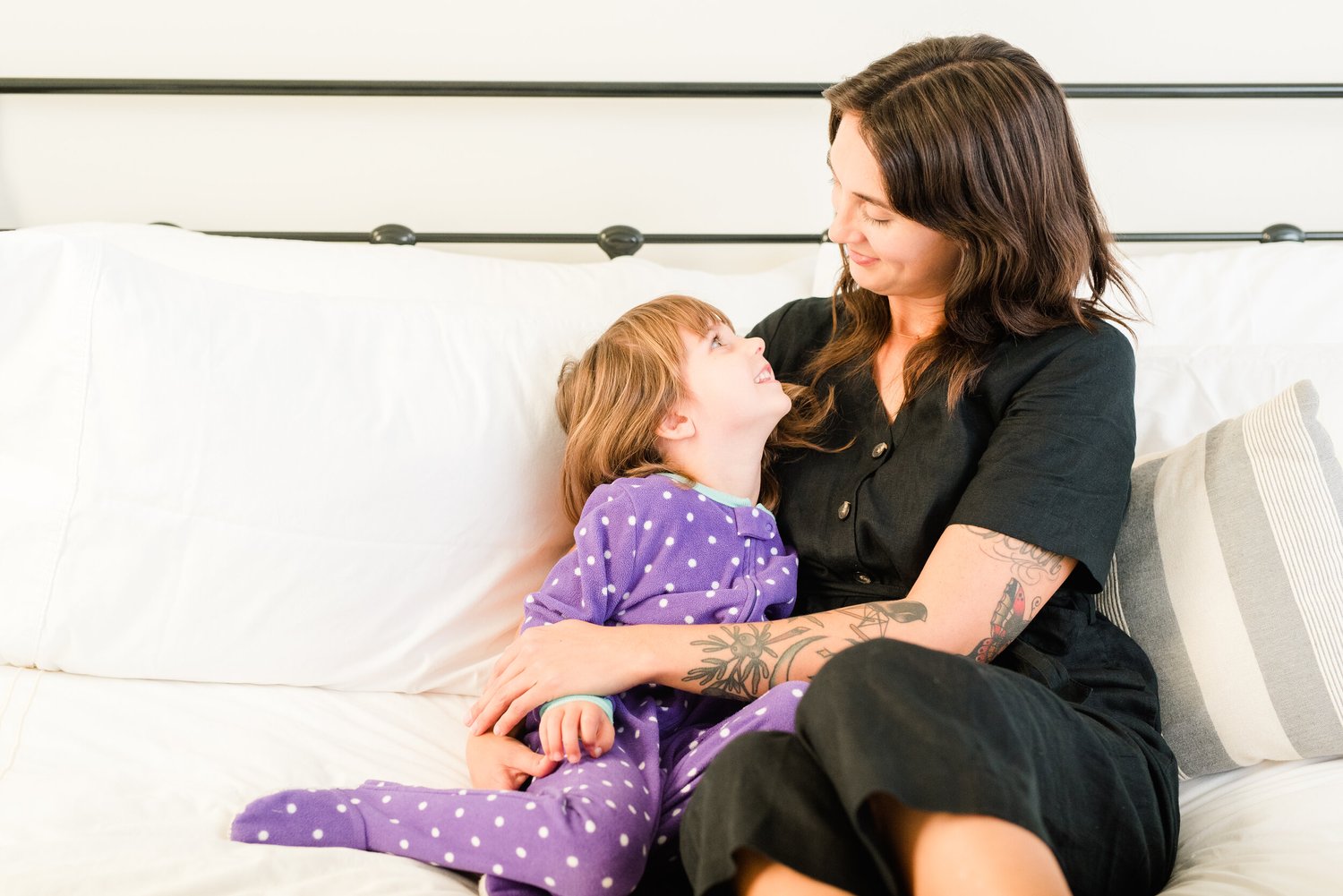
Rule out hunger first. If the baby is in a growth spurt, a quick feed can resolve the early waking. Lay them back down with a full tummy.

If not hungry, try a weighted sleep sack like Dreamland. The gentle pressure mimics being held and can help them bridge the sleep cycle gap.
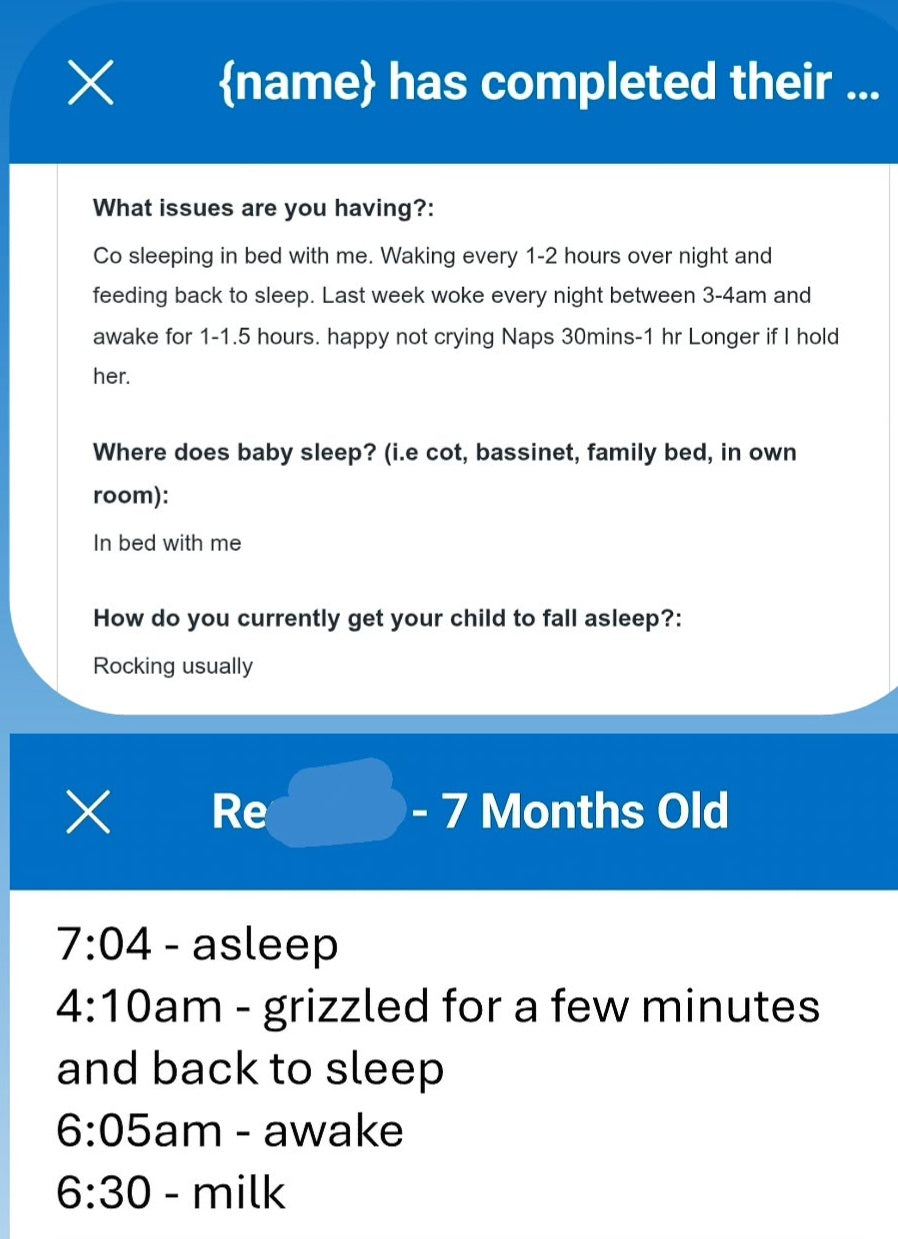
Keep the room dark and use white noise. Offer a gentle pat or shush sound. Avoid picking them up immediately to prevent full awakening.
Infant sleep FAQs
Parents often search for quick fixes, but safe sleep relies on consistent routines and safe environments. The American Academy of Pediatrics emphasizes that no single technique guarantees instant sleep for every infant, though methods like gentle patting and shushing can help calm a fussy baby. Always place your baby on their back in a crib free of loose bedding to reduce SIDS risk.
How to fix the 45-minute intruder?
The "45-minute intruder" refers to short naps that end abruptly. This usually happens because infant sleep cycles are roughly 40-45 minutes long. To help your baby connect cycles, ensure they are well-fed before naps. Using a weighted sleep sack like the Kyte BABY or a firm mattress from Dreamland can provide comforting pressure, but consult your pediatrician if short naps persist.
Is white noise safe for newborns?
White noise can mimic the womb and soothe babies, but safety is paramount. The AAP recommends keeping volume below 50 decibels and placing the machine away from the crib. Never rely on white noise as a substitute for a safe sleep environment. Always check the device’s output to ensure it does not exceed safe limits for infant hearing.
When should I stop swaddling?
Stop swaddling as soon as your baby shows signs of rolling over, typically around 2-4 months. Once rolling begins, loose blankets or swaddles pose a suffocation risk. Transition to a wearable sleep sack, such as the Halo SleepSack, which allows arm movement while keeping the torso secure and warm without loose fabric.
Helpful gear
Use these product recommendations as a starting point, then choose the size, material, and price point that fit how you actually use the gear.
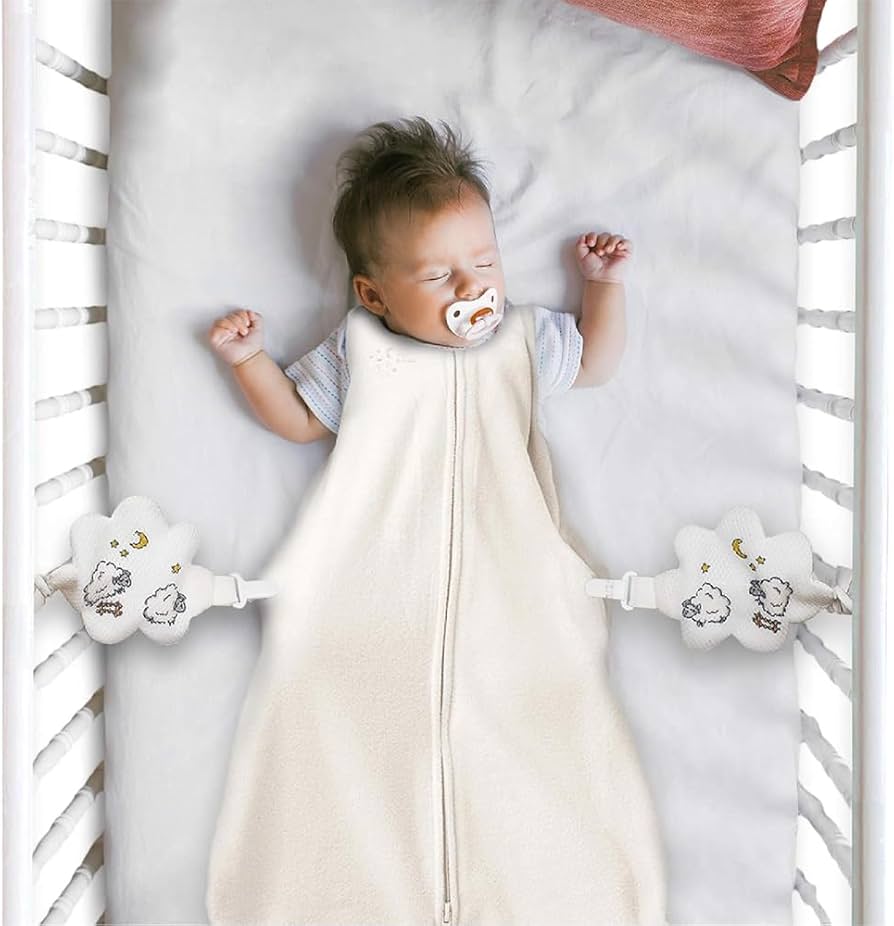


As an Amazon Associate, we may earn from qualifying purchases.
No comments yet. Be the first to share your thoughts!