

40 Proven Methods and Best Sleep Sacks
Navigating infant sleep can be daunting, but combining evidence-based soothing techniques with safe sleep environments offers a reliable path to rest. This guide details 40 distinct, actionable methods aligned with AAP and NHS guidelines, paired with specific, top-rated sleep sacks to ensure both comfort and safety.
Swaddling mimics the secure, cramped environment of the womb, effectively suppressing the Moro reflex that startles newborns awake. Use a breathable, wearable swaddle sack to ensure safe hip positioning while keeping arms snugly against the body. This technique provides immediate comfort and reduces spontaneous limb movements that disrupt sleep onset for infants under three months.
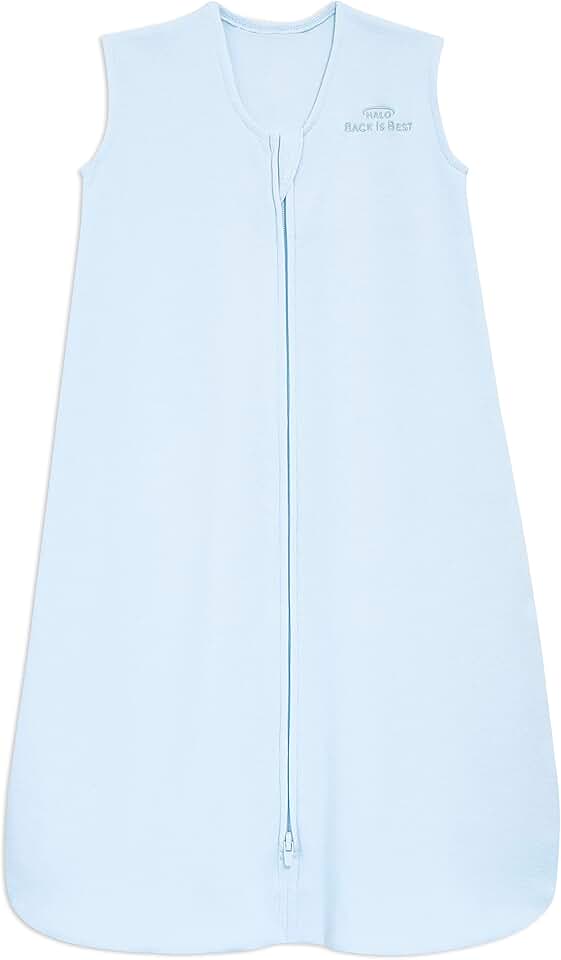
As babies outgrow swaddling, transition to a wearable sleep sack to maintain a consistent, cozy temperature without loose blanket risks. Choose a TOG-rated sack appropriate for room conditions to prevent overheating while allowing free leg movement. This gear supports safe sleep guidelines by eliminating coverings, ensuring uninterrupted rest as mobility increases.


Introduce steady, low-frequency white noise to mask household sounds and mimic the rhythmic whooshing heard in utero. Position the device at least seven feet from the crib to keep volume levels safe, ideally below 50 decibels. This auditory blanket helps soothe fussiness and creates a consistent sleep cue, signaling to the baby that it is time to rest.


Establish a slow, rhythmic rocking motion using a rocking chair or gentle stroller walk to engage the vestibular system. Keep movements smooth and predictable, avoiding jerky motions that might overstimulate. This physical soothing helps regulate the baby’s heart rate and breathing, gradually slowing their physiology to prepare for deep, restorative sleep in their crib.


Offer a pacifier to harness the natural sucking reflex, which has a calming effect on the nervous system. Ensure the pacifier is one-piece and easy to clean, adhering to safety standards. This non-nutritive sucking provides comfort and helps babies self-soothe, potentially reducing crying and helping them settle down faster without requiring constant parental intervention.

Lowering lights signals melatonin production, helping your baby’s body recognize that night has fallen. Start dimming household lights 30 minutes before bed to create a natural wind-down cue. This simple environmental shift reduces overstimulation and prepares the nervous system for rest, making it easier for your infant to settle without resistance or overtiredness.

A predictable sequence of calming activities, such as reading a book followed by a lullaby, creates a powerful psychological cue for sleep. Consistency helps your baby anticipate rest, reducing anxiety and resistance. Stick to the same order every night to build a reliable association between these actions and the transition to deep, restorative sleep cycles.

While tummy time is usually active, gentle floor play before bed can help release physical tension accumulated during the day. Keep sessions short and calm, avoiding vigorous stimulation. This light movement helps digest milk and relaxes muscles, ensuring your baby is physically comfortable and less likely to wake up due to gas or stiffness.
A warm bath raises body temperature slightly, and the subsequent drop as your baby dries off mimics the natural cooling process that initiates sleep. Use lukewarm water and keep the room cozy. This sensory experience soothes the nervous system, providing a clear, comforting transition from daytime activity to the quiet, restful state required for nighttime rest.

Gentle massage with baby-safe oil promotes relaxation and strengthens the parent-child bond through touch. Focus on slow, rhythmic strokes on the back, legs, and arms. This tactile stimulation reduces cortisol levels and increases serotonin, helping your baby feel secure and calm, which naturally encourages deeper, more uninterrupted sleep throughout the night.

Soft humming creates low-frequency vibrations that mimic the womb’s auditory environment, offering a non-invasive soothing technique. Unlike recorded music, your live voice provides dynamic, responsive comfort that adapts to your baby’s calming cues. This method leverages the innate human connection to parental sound, helping to lower heart rates and signal safety without requiring any external devices or props.

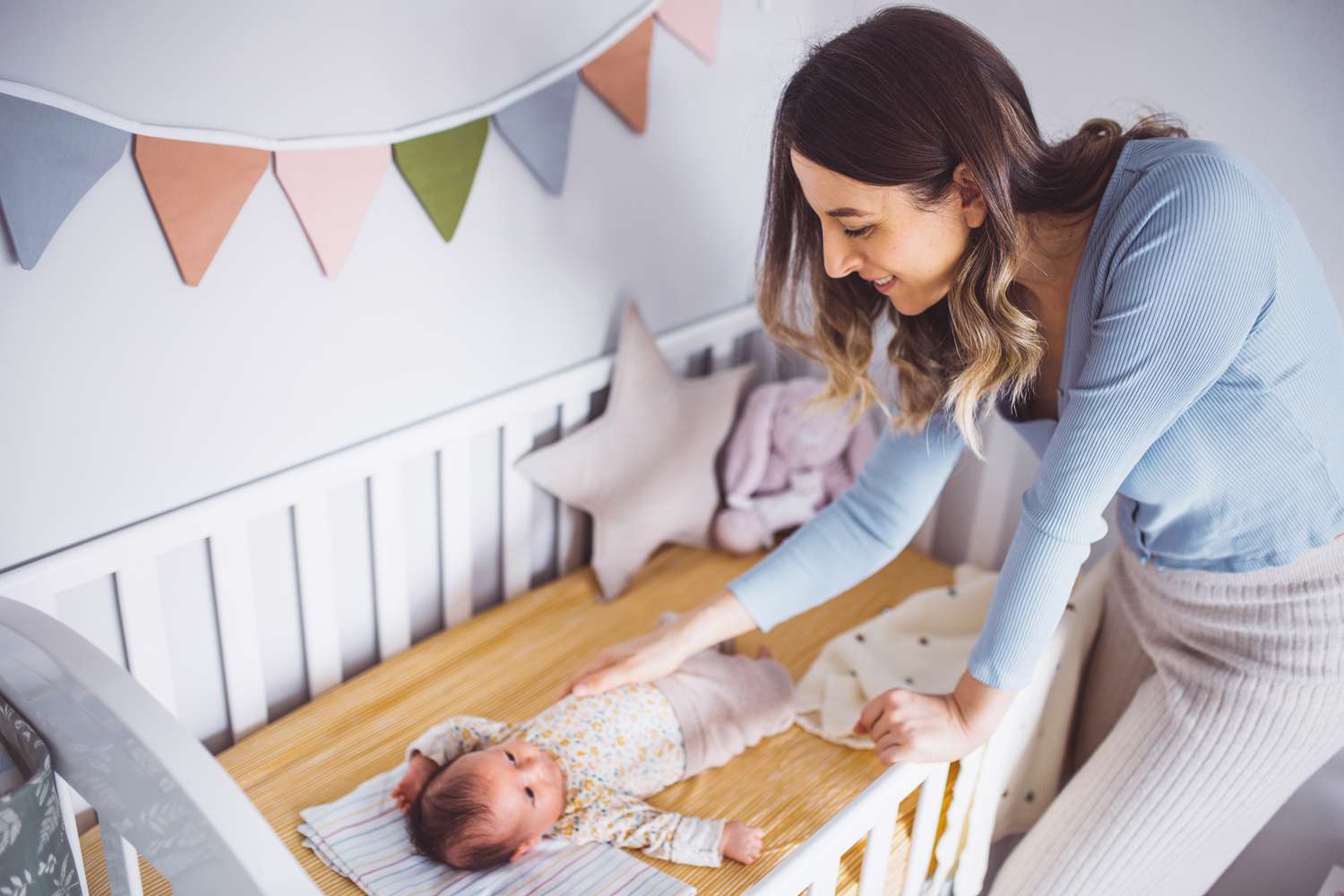
A flat, firm mattress is the gold standard for safe infant sleep, reducing suffocation risks and supporting healthy spinal development. Avoid soft bedding, pillows, or plush toys that can obstruct breathing. This minimalist approach aligns with AAP guidelines, ensuring a secure environment where the baby can settle naturally without the hazards associated with overly soft sleep surfaces.

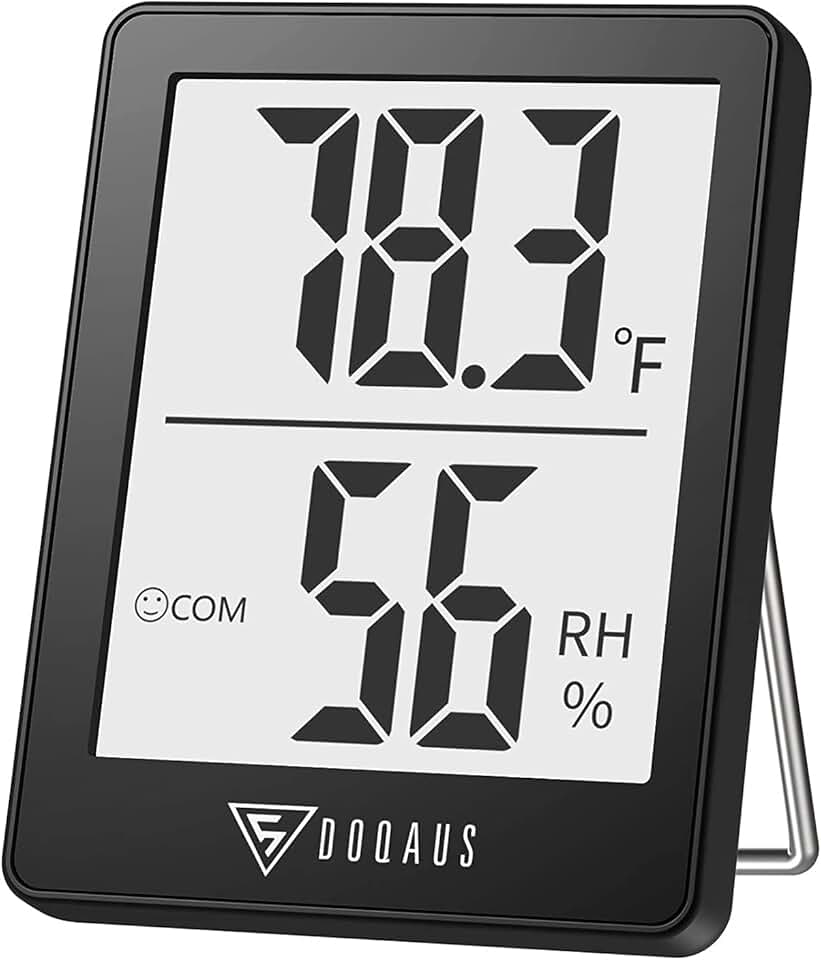
Overheating is a significant risk factor for SIDS, making precise temperature monitoring essential. Aim for a room between 68-72°F (20-22.5°C). Use a reliable thermometer to verify conditions, ensuring the baby is dressed appropriately for the ambient heat. This simple check prevents discomfort that can disrupt sleep cycles and promotes a stable, restful environment for deeper, more consistent rest.
A fresh, dry diaper prevents nighttime disruptions caused by discomfort or rash irritation. Changing your baby before sleep ensures they remain undisturbed through the night, minimizing the need for wakeful interventions. This practical step supports uninterrupted rest cycles, allowing both baby and parents to achieve longer, more restorative sleep periods without the anxiety of potential leaks or messes.

Trapped gas can cause significant discomfort, making it difficult for babies to settle. Gently burping your baby after feeding releases swallowed air, reducing bloating and fussiness. This brief pause ensures physical comfort before sleep, preventing the distress that often leads to crying or restlessness. A calm, burped baby is more likely to drift off peacefully and stay asleep longer.

Paced bottle feeding mimics breastfeeding dynamics, allowing the baby to control the flow and recognize satiety cues before becoming overly full. This prevents discomfort from trapped gas that often disrupts sleep onset. By keeping the bottle horizontal and pausing frequently, you ensure a calm, relaxed state ready for rest.

Placing your infant in the crib while they are sleepy but still conscious encourages self-soothing skills and independent sleep associations. This method helps babies learn to transition from wakefulness to sleep without external props like rocking or feeding. Consistency here builds long-term sleep confidence and reduces night wakings over time.

Slowly reduce your physical presence and interaction level as your baby settles, moving from holding to sitting beside the crib, then to the doorway. This stepwise approach minimizes separation anxiety while teaching independence. It creates a predictable environment where the infant feels secure even as parental involvement decreases during the final moments before sleep.

Establish a steady, gentle patting rhythm on the baby’s back or bottom, mimicking the heartbeat sound heard in utero. This consistent tactile stimulation provides comfort and reassurance, signaling safety and relaxation. The key is maintaining a predictable tempo that gradually slows down, helping the infant’s heart rate decrease and muscles relax for deeper rest.

Use a soft, continuous shushing sound near the baby’s ear, matching the volume of the womb’s internal noise. This auditory cue masks sudden household sounds that might startle the infant awake. Keep the volume low and consistent, gradually fading it out as the baby drifts off to avoid creating a dependency on constant noise.

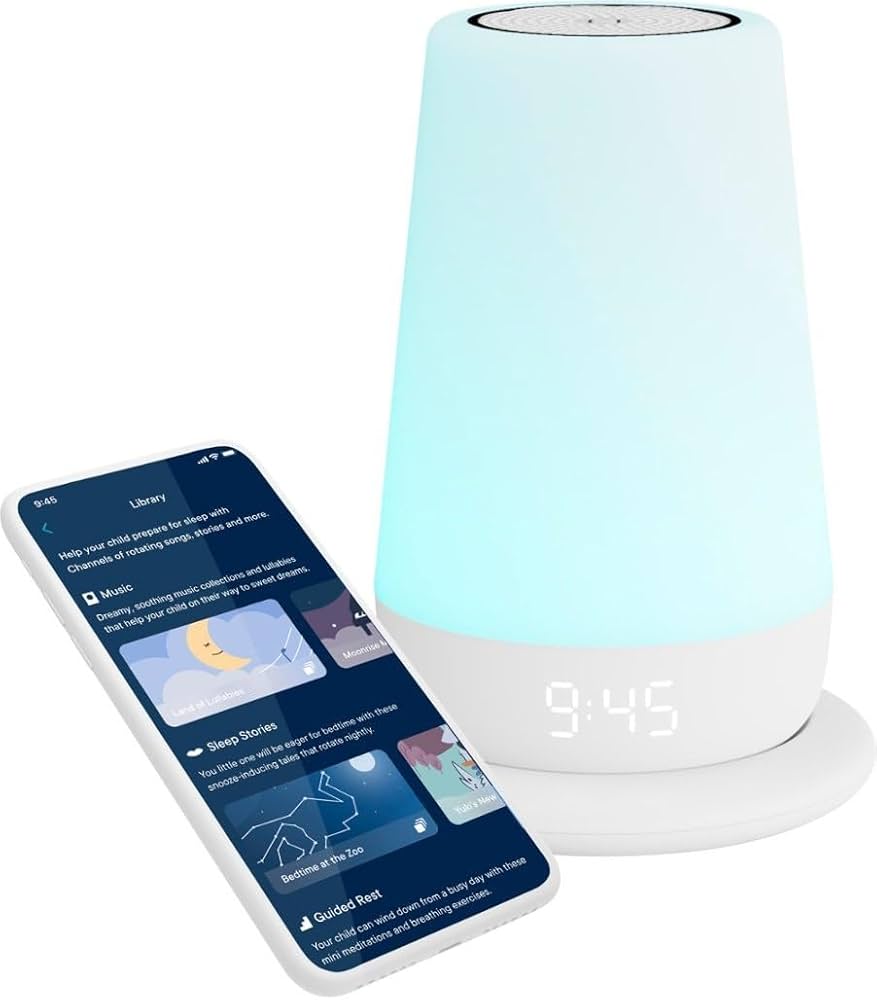
A dim, warm-toned nightlight helps maintain circadian rhythms without suppressing melatonin production. Choose models with red or amber hues to minimize blue light exposure. Keep the brightness low enough to see but not stimulate. This subtle illumination provides comfort for babies who fear the dark, creating a safe, soothing environment that signals it is time to rest without fully waking them up.
While weighted blankets are unsafe for infants under one year, the concept of deep pressure can be adapted safely. For older toddlers transitioning from cribs, a weighted sleep sack offers proprioceptive input. This gentle pressure mimics the feeling of being held, reducing anxiety and promoting deeper sleep cycles. Always consult your pediatrician before introducing any weighted items to ensure they meet safety standards for your child’s age and weight.
Organic cotton sleep sacks provide a breathable, chemical-free barrier against loose bedding. Certified by GOTS, these sacks ensure no harmful pesticides or synthetic dyes touch your baby’s sensitive skin. The natural fibers regulate temperature effectively, preventing overheating while maintaining comfort. This breathable option is ideal for warm climates or babies who tend to sleep hot, offering peace of mind through certified organic materials.

For toddlers over two years old, weighted sleep sacks can help calm an overactive nervous system. The even distribution of weight across the torso provides a grounding effect, similar to a hug. This can be particularly helpful for children with sensory processing differences or high anxiety. Ensure the weight is appropriate for your child’s body size, typically 10% of their body weight plus clothing, to ensure safety and effectiveness.

Zipper-free sleep sacks eliminate the risk of zipper pinches and reduce noise that might wake a light sleeper. Made from seamless or bonded fabric, these sacks offer a smooth, uninterrupted surface against the skin. This design is perfect for babies who are sensitive to textures or sounds. The ease of putting them on and taking them off makes nighttime diaper changes quicker and less disruptive to your baby’s sleep cycle.

Match the room temperature to the sleep sack’s thermal overall grade (TOG) to prevent overheating, a key SIDS risk factor. A 0.5 TOG suits warm rooms, while 2.5 TOG provides insulation for cooler nights. This simple calculation ensures your baby stays comfortable without loose blankets, creating a safe, regulated microclimate for uninterrupted rest.
Choose mesh panels for hot climates or overheating-prone infants to maximize airflow while maintaining safe sleep standards. This fabric wicks moisture away from the skin, keeping your baby cool and dry throughout the night. It offers the security of a swaddle with enhanced ventilation, reducing sweat buildup and promoting deeper, more restorative sleep cycles.

Opt for a two-way zipper to simplify midnight diaper changes without fully waking your baby. This design allows you to unzip from the bottom while keeping the upper body securely swaddled and warm. It preserves the soothing pressure of the sack, minimizing disruption and helping your infant return to sleep faster after a quick, efficient change.

Select an armhole-free design for older babies who are rolling over or pushing up. This style prevents arms from getting trapped under the body, reducing frustration and the urge to kick off covers. It offers a secure, swaddle-like feel without restricting arm movement, supporting natural motor development while maintaining a consistent, comforting sleep environment.
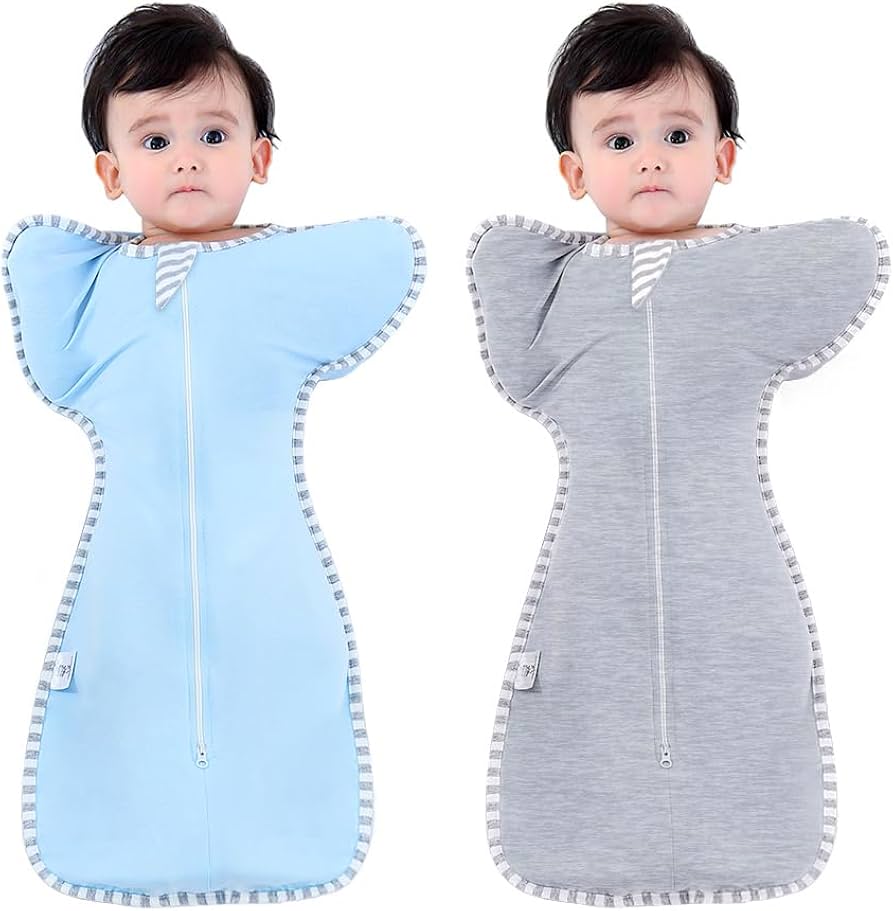
Use a reversible sleep sack to switch between two distinct patterns or colors, extending the garment’s usability and appeal. This practical feature allows you to match outfits or seasonal themes without buying multiple sacks. The dual-sided design adds versatility to your nursery wardrobe, ensuring a fresh look while maintaining the same high-quality, safe sleep construction.

Prioritize hygiene by choosing a sleep sack designed for frequent laundering. Babies spit up, drool, and sweat, so a durable, machine-washable fabric ensures cleanliness without degrading. Look for brands that maintain softness after dozens of wash cycles, keeping the sleeping environment sanitary and safe for sensitive newborn skin.

Select sleep sacks made from hypoallergenic materials to minimize irritation for babies with sensitive skin or eczema. Organic cotton or bamboo blends often lack harsh chemicals and dyes that can trigger reactions. This gentle approach ensures comfort throughout the night, reducing scratching and restlessness caused by fabric sensitivities.

Opt for sleep sacks with adjustable sleeves to accommodate growing arms and varying sleep positions. This feature allows parents to transition from swaddled arms to free-moving limbs as the baby develops. The adaptability supports natural movement while maintaining the security of a snug fit, crucial for consistent sleep patterns.

Choose a footed design to keep little toes warm without the risk of loose blankets covering the face. This style eliminates the need for additional socks, which can slip off or cause discomfort. The enclosed feet provide a secure, cozy environment, ensuring the baby stays warm and safe throughout the night.
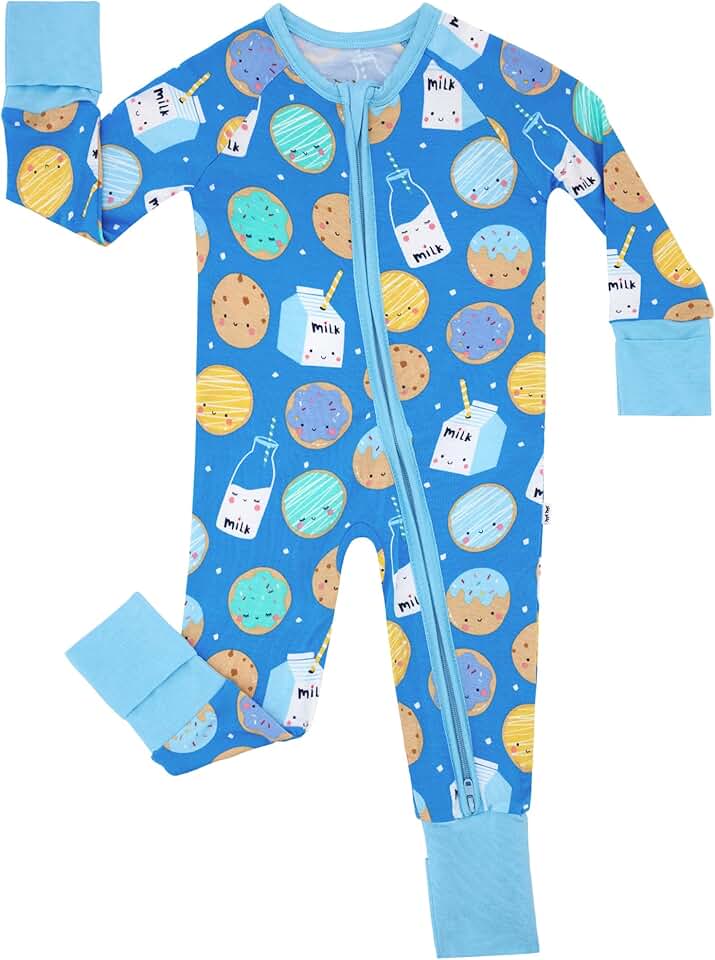
For warmer climates or overheated babies, a sleeveless sleep sack offers breathable comfort. This variant reduces bulk around the torso and arms, promoting better temperature regulation. It is ideal for active sleepers who kick off covers, providing a safe, blanket-free alternative that keeps the baby cool and dry.
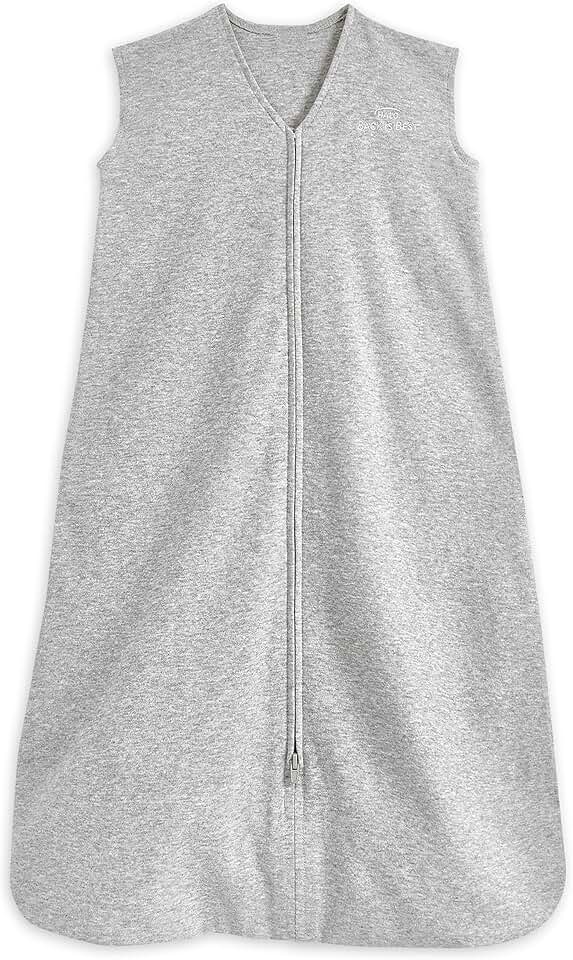
Transitioning from swaddles requires a garment that respects growing mobility while maintaining security. The Kokotree toddler sleep sack offers a secure fit for restless movers, preventing kicks that disrupt sleep cycles. Its design supports the developmental leap into independent sleeping, providing a familiar boundary without restricting leg movement, ensuring a smooth shift from newborn to toddler routines.
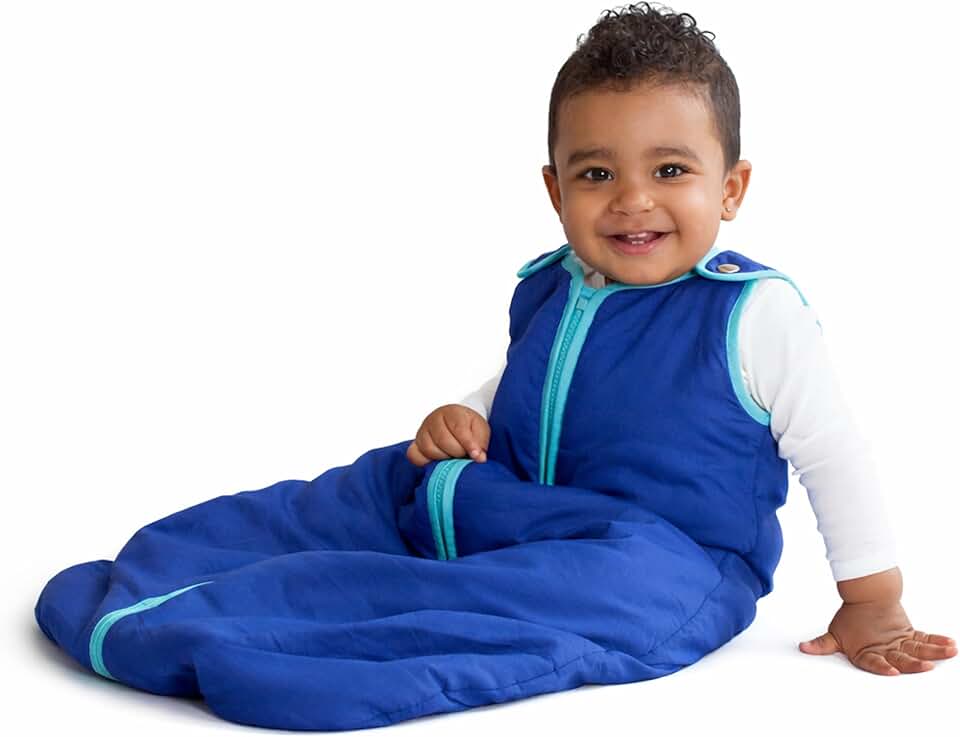
Safety remains the non-negotiable foundation of any infant sleep solution. Prioritize sleep sacks that meet rigorous standards like those from the Juvenile Products Manufacturers Association. These certifications ensure proper sizing to prevent suffocation risks and verify that materials do not contain harmful chemicals, giving parents peace of mind that the sleep environment adheres to the highest safety benchmarks for their baby.
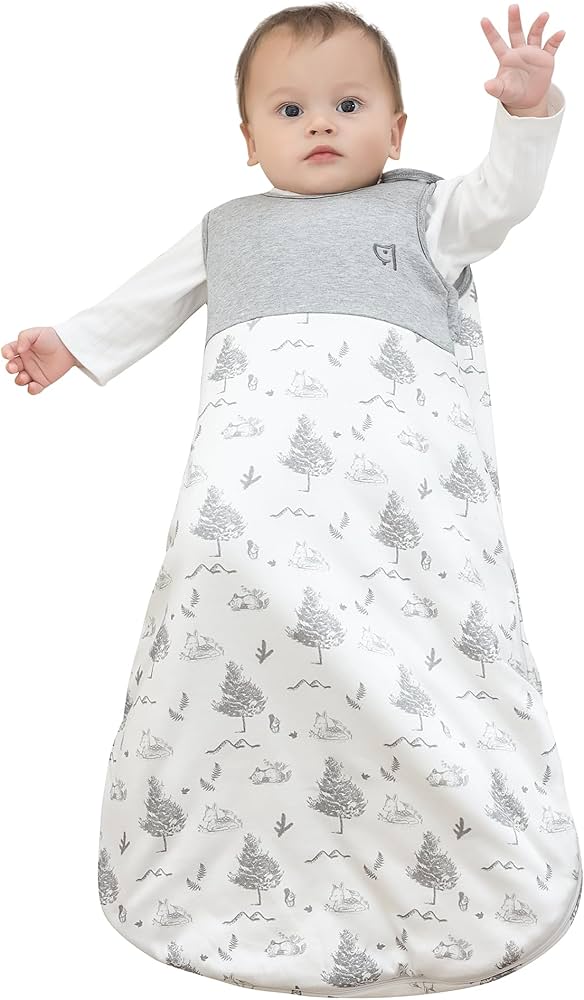
For environmentally conscious parents, organic cotton or bamboo blends offer a sustainable choice that is also gentle on sensitive skin. These natural fibers are breathable and biodegradable, reducing the ecological footprint of baby gear. Choosing eco-friendly materials ensures that the sleep sack is free from harsh pesticides and synthetic dyes, providing a pure, soft touch that aligns with a green lifestyle.

Babies are tough on gear, making reinforced stitching essential for longevity. Look for sleep sacks with double-stitched seams and high-quality zippers that withstand frequent washing and vigorous kicking. Durable construction ensures the garment maintains its shape and safety features over time, offering better value and reliability through multiple children or extended use without fraying or breaking.
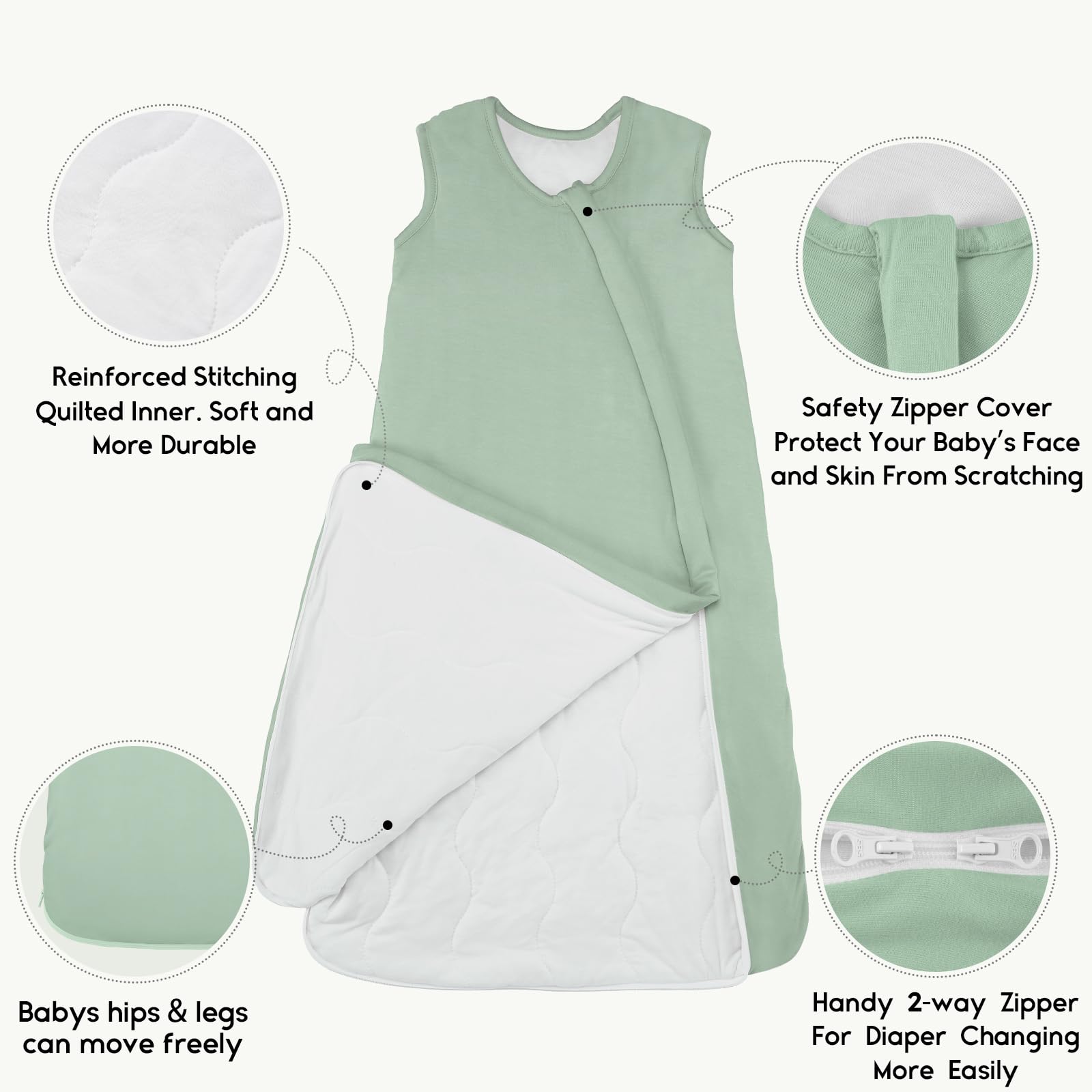
Nighttime changes demand efficiency, making a user-friendly closure system critical. A well-designed sleep sack features a smooth, snag-free zipper or secure snaps that allow for quick diaper changes without fully waking the baby. This practical feature minimizes disruption during the night, enabling parents to maintain the sleep routine seamlessly and return to rest faster.

The 40-Second Sleep Promise
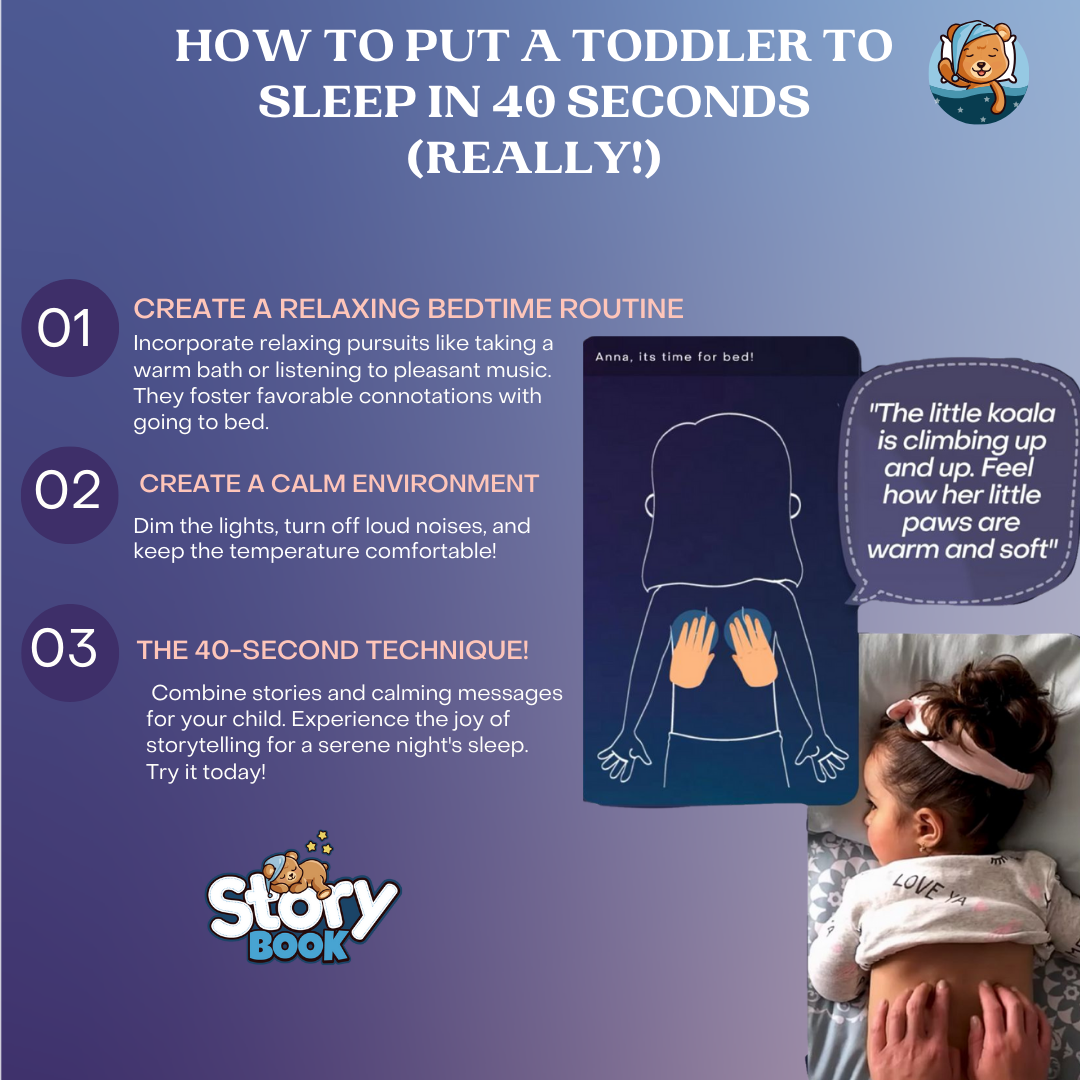
The viral claim that you can put a baby to sleep in 40 seconds has captivated parents seeking quick relief from endless rocking and feeding cycles. While the specific timeline is often a marketing hook rather than a biological guarantee, the underlying principle remains valid: consistent, rhythmic soothing can significantly accelerate the transition from wakefulness to sleep. For exhausted caregivers, the promise of a faster bedtime routine is not just convenient; it is often necessary for maintaining household sanity.
However, it is essential to ground these expectations in developmental reality. The American Academy of Pediatrics (AAP) and the NHS emphasize that sleep onset varies widely based on age, temperament, and current sleep associations. A newborn may drift off in seconds with gentle pressure, while an older infant might require more time to settle into deep sleep. The goal is not to force unconsciousness but to create a safe, calming environment that allows your baby’s nervous system to downregulate naturally.
Safety must always precede speed. The AAP’s Safe Sleep guidelines remain the gold standard: always place your baby on their back in a bare crib, free of loose bedding or soft toys. Whether you use the 40-second shush-pat method or a more gradual approach, these foundational safety rules do not change. The techniques that follow are designed to work within these safe parameters, offering practical tools to help your baby feel secure and drowsy without compromising their well-being.
The following methods leverage instinctive soothing mechanisms—such as white noise, gentle pressure, and rhythmic motion—to mimic the womb environment. By combining these techniques with a consistent bedtime routine, you can help your baby associate sleep with comfort and safety, regardless of how long it takes for their eyes to close.
Comparing Sleep Sack Features
Choosing the right sleep sack involves balancing safety, temperature regulation, and ease of use. The American Academy of Pediatrics (AAP) emphasizes that loose bedding should be avoided in the crib to reduce suffocation risks, making a well-fitted sleep sack a safer alternative. When selecting a product, focus on four key features: TOG rating, material composition, zipper type, and safety certifications.
TOG Rating and Material
The TOG (Thermal Overall Grade) rating indicates warmth. A lower TOG (0.5) is suitable for warmer rooms or summer months, while a higher TOG (2.5) provides insulation for cooler environments. Materials also play a role; organic cotton is breathable and gentle on sensitive skin, while synthetic blends may offer durability but less breathability. Always check the room temperature to match the TOG rating appropriately.
Zipper Type and Safety
Zippers should have a protective flap to prevent skin pinching. Double-sided zippers allow for quick diaper changes without fully undressing the baby. Safety certifications, such as those from the National Sleep Foundation or OEKO-TEX, ensure the fabric is free from harmful chemicals. Regularly inspect the sack for loose threads or damaged zippers to maintain safety standards.
| Feature | Low TOG (0.5) | High TOG (2.5) | Safety Focus |
|---|---|---|---|
| Best For | Warm rooms (72-75°F) | Cool rooms (60-68°F) | AAP guidelines |
| Material | Lightweight cotton | Fleece or thick cotton | OEKO-TEX certified |
| Zipper | Single-sided | Double-sided | Protective flap |
| Fit | Snug around arms | Snug around arms | No loose fabric |

As an Amazon Associate, we may earn from qualifying purchases.
Safety Guidelines for Crib Sleep
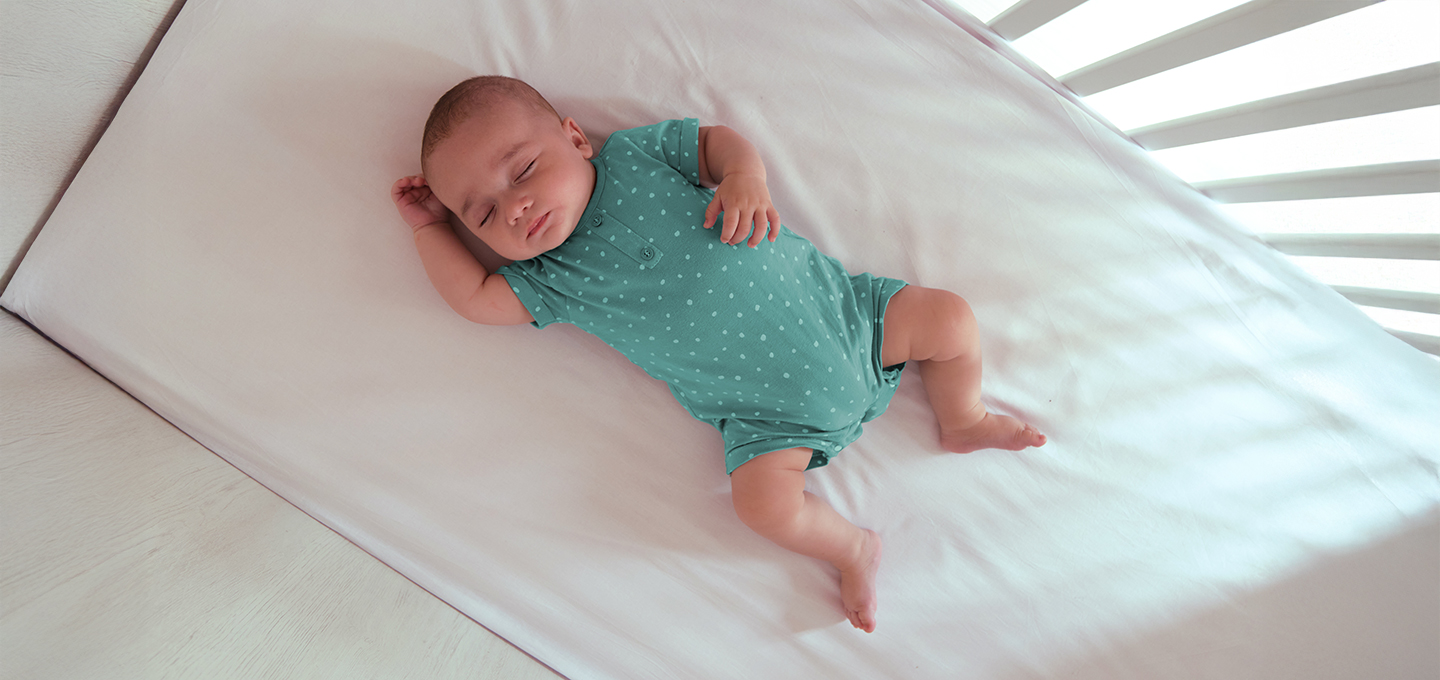
While rapid soothing techniques can help settle a fussy infant, the environment where your baby sleeps must remain strictly safe. The American Academy of Pediatrics (AAP) guidelines are non-negotiable for preventing Sudden Infant Death Syndrome (SIDS) and accidental suffocation. Always place your baby on their back for every sleep, whether naps or nighttime. This single position significantly reduces risk compared to side or stomach sleeping.
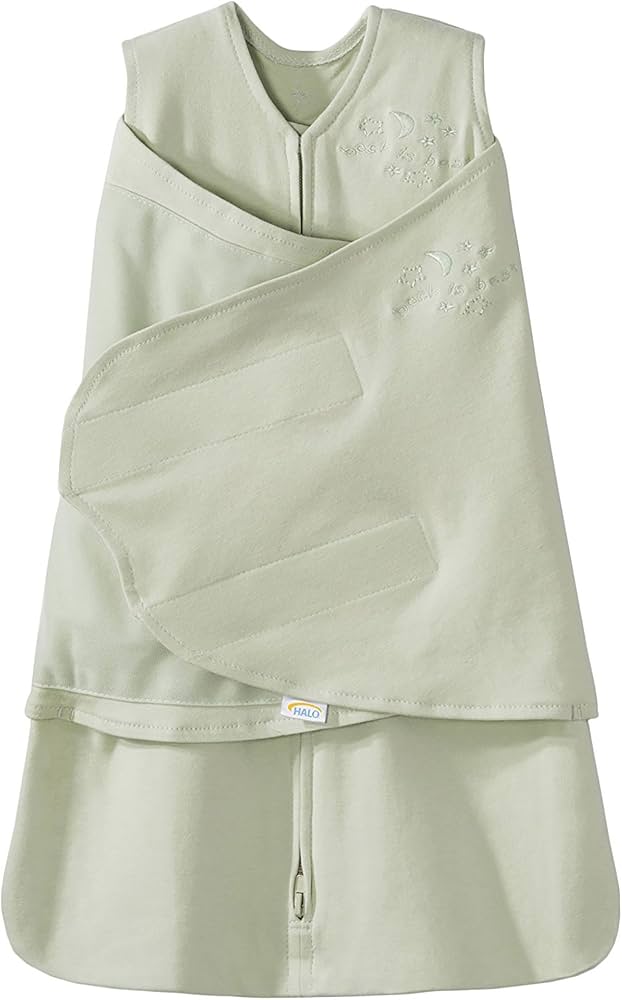
A firm, flat mattress is essential. Avoid soft surfaces, waterbeds, or sofas. The sleep space should be bare; no pillows, loose blankets, bumper pads, or stuffed animals. If you use a sleep sack like the Halo SleepSack or Nest Designs wearable blanket, ensure it fits snugly to eliminate loose fabric hazards. These gear choices support safety while allowing the soothing methods to work effectively.
The NHS also advises keeping the room temperature comfortable and avoiding overheating. Use a baby monitor to keep an eye on your little one without entering the room unnecessarily. By combining these proven sleep aids with a certified safe sleep environment, you give your baby the best chance for restful, secure nights.
Frequently asked: what to check next
Is the 40-second method safe for newborns? Yes, when combined with safe sleep practices. The NHS advises putting your baby down drowsy but awake to help them learn self-soothing. Ensure the sleep environment is clear of loose bedding, pillows, or toys to reduce suffocation risks while you use gentle soothing techniques.
Can I use a sleep sack with the 40-second technique? Absolutely. A well-fitted sleep sack, such as the Halo SleepSack, provides a secure, womb-like feel that complements rapid soothing methods. It prevents the blanket from covering the face, allowing you to focus on calming touches without worrying about loose covers.
What if my baby cries during the 40 seconds? Crying is normal as babies adjust to sleep cues. Continue with consistent, gentle rhythms like shushing or patting. If distress persists, check for hunger or discomfort first. The goal is comfort, not forcing sleep instantly.
How do I know if my baby is ready for a sleep sack? Most babies are ready once they can roll over or show signs of waking during sleep. Choose a TOG rating appropriate for the room temperature. Brands like SwaddleMe offer adjustable designs that grow with your baby’s mobility.
What is the safest sleep sack for newborns? Look for sacks with a TOG rating of 0.5 or 1.0 for warm rooms, made from breathable cotton. Ensure the fit is snug around the shoulders to prevent sliding down. The Halo SleepSack Swaddle and Love to Dream Swaddle UP are popular choices that meet safety standards.
How do I transition from swaddling to a sleep sack? Transition when your baby shows signs of rolling over, typically around 2-3 months. Start with a swaddle sack that allows one arm out, then move to a full sleep sack. This gradual shift helps your baby adjust to the new feeling while maintaining security.
No comments yet. Be the first to share your thoughts!