
40 Ways to Put a Baby to Sleep in 40 Seconds: Kyte and Dreamland Guide
Navigating sleep deprivation is exhausting, but establishing a calm bedtime routine can make a significant difference. This guide offers 40 practical, safety-first techniques from Kyte and Dreamland to help settle your baby, grounded in advice from official sources like the NHS and AAP.
-
Kyte sack benefits for sleep
The Kyte bag’s breathable bamboo viscose fabric regulates temperature, preventing overheating—a key SIDS risk factor noted by the AAP. Its ergonomic design allows natural hip movement while keeping arms securely contained, mimicking the womb’s snugness. This gentle pressure promotes the startle reflex calming, helping infants settle deeper faster without the restriction of traditional swaddles that limit leg growth. -
Dreamland sack benefits for sleep
Dreamland sacks prioritize safety-certified, breathable materials that maintain a consistent microclimate throughout the night. Unlike loose blankets, these weighted or structured sacks provide gentle, even pressure that soothes the nervous system. The design ensures the baby’s face remains clear and unobstructed, aligning with safe sleep guidelines while offering a secure, womb-like environment that encourages longer, uninterrupted rest cycles for tired parents. -
Pre-sleep feeding timing
Feed your baby 20–30 minutes before the intended sleep window to allow for natural drowsiness. This timing prevents milk-induced alertness while ensuring the tummy is comfortably full, reducing hunger-related wakings. Avoid feeding directly to sleep if possible, as this creates a sleep association. Instead, burp gently and place them down drowsy but awake, fostering self-soothing skills and healthier long-term sleep habits for your little one. -

Dimming the lights early
Safe Sleep How Can I Make My Baby Sleep At Night Developmental Milestones Normal Month Old Start dimming household lights one hour before bedtime to signal melatonin production. Bright light suppresses this sleep hormone, keeping babies alert. Use soft, warm-toned lamps instead of overhead LEDs. This gradual transition helps regulate their circadian rhythm, making it easier for them to wind down. Consistent lighting cues teach the brain that darkness equals rest, accelerating the settling process and reducing bedtime resistance effectively. -

White noise placement
Position a white noise machine near the crib, but keep it at least seven feet away from the baby’s head. Set the volume to no more than 50 decibels, roughly the level of a gentle shower. This distance ensures the sound masks household disruptions without risking hearing damage. Continuous, steady noise mimics the womb’s auditory environment, soothing startle reflexes and promoting deeper, more stable sleep patterns. -

Swaddling alternatives
When traditional swaddling becomes unsafe as your baby begins rolling, transition to a wearable sleep sack like the Kyte or Dreamland. These garments mimic the snug hug of swaddling without restricting arm movement, allowing self-soothing while maintaining warmth. This shift aligns with AAP guidelines for safe sleep, reducing suffocation risks while providing the comforting pressure that helps infants settle quickly into deep rest. -

Chest-to-chest contact
Skin-to-skin contact triggers a biological calming response, stabilizing your baby’s heart rate and temperature. Hold your infant upright against your bare chest, allowing them to hear your heartbeat and feel your rhythm. This "transport response," noted in Current Biology, leverages evolutionary instincts to soothe distress, offering a powerful, drug-free method to help a crying baby relax into sleepiness within moments. -

Gentle rocking rhythm
Establish a consistent, slow rocking motion that mimics the womb’s sway. Use a rhythmic, pendulum-like movement rather than erratic bouncing, keeping the pace steady and predictable. This vestibular stimulation helps regulate the infant’s nervous system, signaling safety and rest. Consistency is key; a uniform rhythm allows the baby to anticipate the sensation, accelerating the transition from alertness to drowsiness without overstimulation. -
Humming or singing
Your voice is a unique comfort tool, especially when humming low, monotonous tones. The vibration resonates through your chest, creating a physical soothing effect that white noise cannot replicate. Choose simple, repetitive melodies or soft humming without complex lyrics. This auditory anchor distracts from environmental stimuli and provides a familiar, secure soundscape that helps lull your baby into a calm, sleep-ready state. -
Pacifier introduction
Offering a pacifier satisfies the innate sucking reflex, a primary self-soothing mechanism for infants. Insert it gently when your baby is calm but drowsy, allowing them to find their own rhythm. This non-nutritive sucking releases calming neurotransmitters, reducing stress hormones. Ensure the pacifier is age-appropriate and used safely, as a reliable tool to help babies settle independently and maintain sleep through the night. -
Cool room temperature
Keep the nursery between 68 and 72 degrees Fahrenheit to prevent overheating, a known SIDS risk factor. Dress your baby in light, breathable layers like a Kyte sack instead of heavy blankets. A cooler environment mimics the womb’s stability, signaling that it is time for rest. Check the back of their neck to ensure they are comfortable, not sweaty, ensuring a safe and restful sleep environment. -
:max_bytes(150000):strip_icc()/prt-elvie-rise-all-in-one-smart-bouncerbassinet-abey-gebrehiwot-09-d058dd5883e9473d8742545d60d9f30d.jpeg)
Darkness levels
Create a pitch-black environment using blackout curtains to block external light. Darkness triggers melatonin production, helping your baby distinguish day from night. Use a dim red nightlight only for necessary nighttime checks, as blue light suppresses sleep hormones. Consistent darkness reinforces the sleep cue, making it easier for your infant to settle down and stay asleep through the night without disruption. -
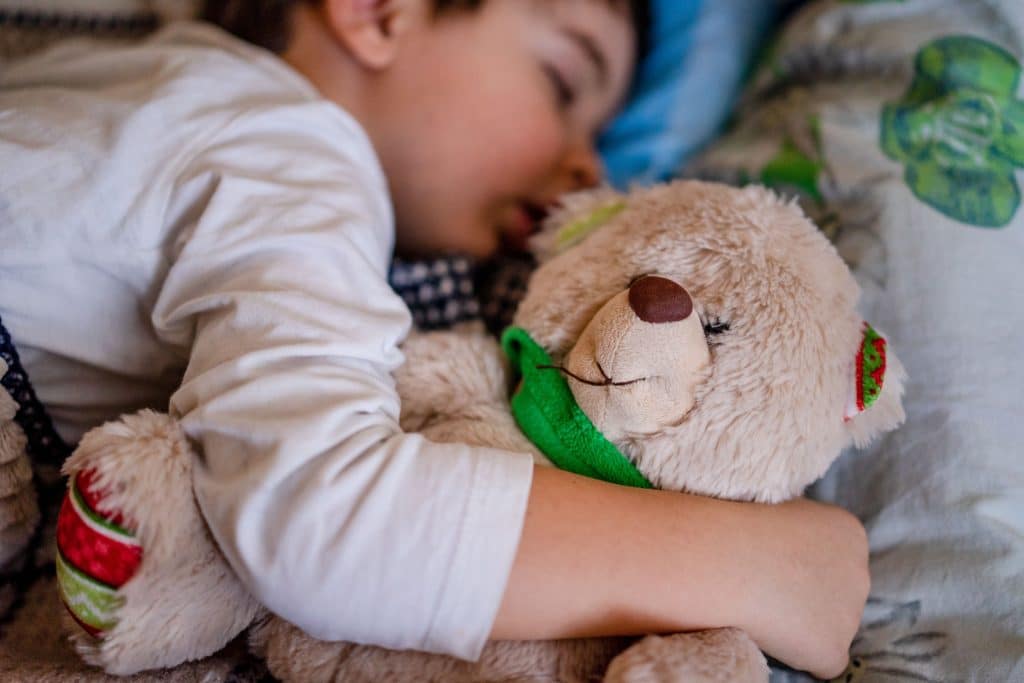
Consistent bedtime routine
Establish a predictable sequence of calming activities, such as a bath, massage, and story, performed in the same order nightly. This consistency acts as a Pavlovian cue, signaling to your baby that sleep is imminent. Keep the routine short and soothing to avoid overstimulation. A reliable routine reduces anxiety and helps your infant transition smoothly from wakefulness to deep, restorative sleep each evening. -
Drowsy but awake placement
Place your baby in the crib while they are calm and sleepy but still fully conscious. This technique encourages self-soothing skills, allowing them to learn how to fall asleep independently. If they fuss, offer gentle verbal reassurance or a pat before intervening. Mastering this skill reduces night wakings and prevents the creation of sleep associations that require parental presence to return to sleep. -

Hand pressure technique
Apply firm, steady pressure with your hand on your baby’s chest or bottom while they lie in their crib. This deep touch pressure provides a sense of security and mimics the comforting weight of a hug. Keep your hand still and breathe slowly to model calmness. This simple tactile cue can quickly lower heart rates and help anxious infants settle into a peaceful sleep state without needing to be picked up. -
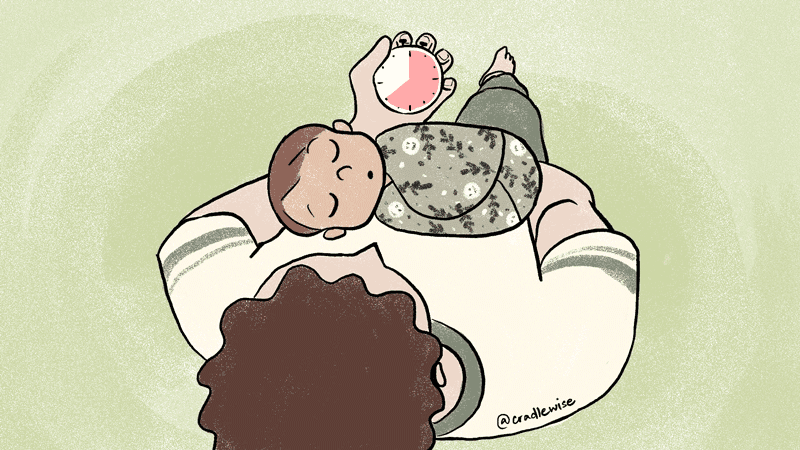
Avoiding overstimulation
Bright lights and loud noises trigger alertness, making sleep elusive. Dim household lighting an hour before bed to signal wind-down time. Limit play to calm, low-energy interactions like quiet reading or gentle stretching. Avoid vigorous tickling or high-energy games that spike heart rates. A calm environment helps your baby’s nervous system settle, preparing them for restful sleep without the stress of overexcitement. -
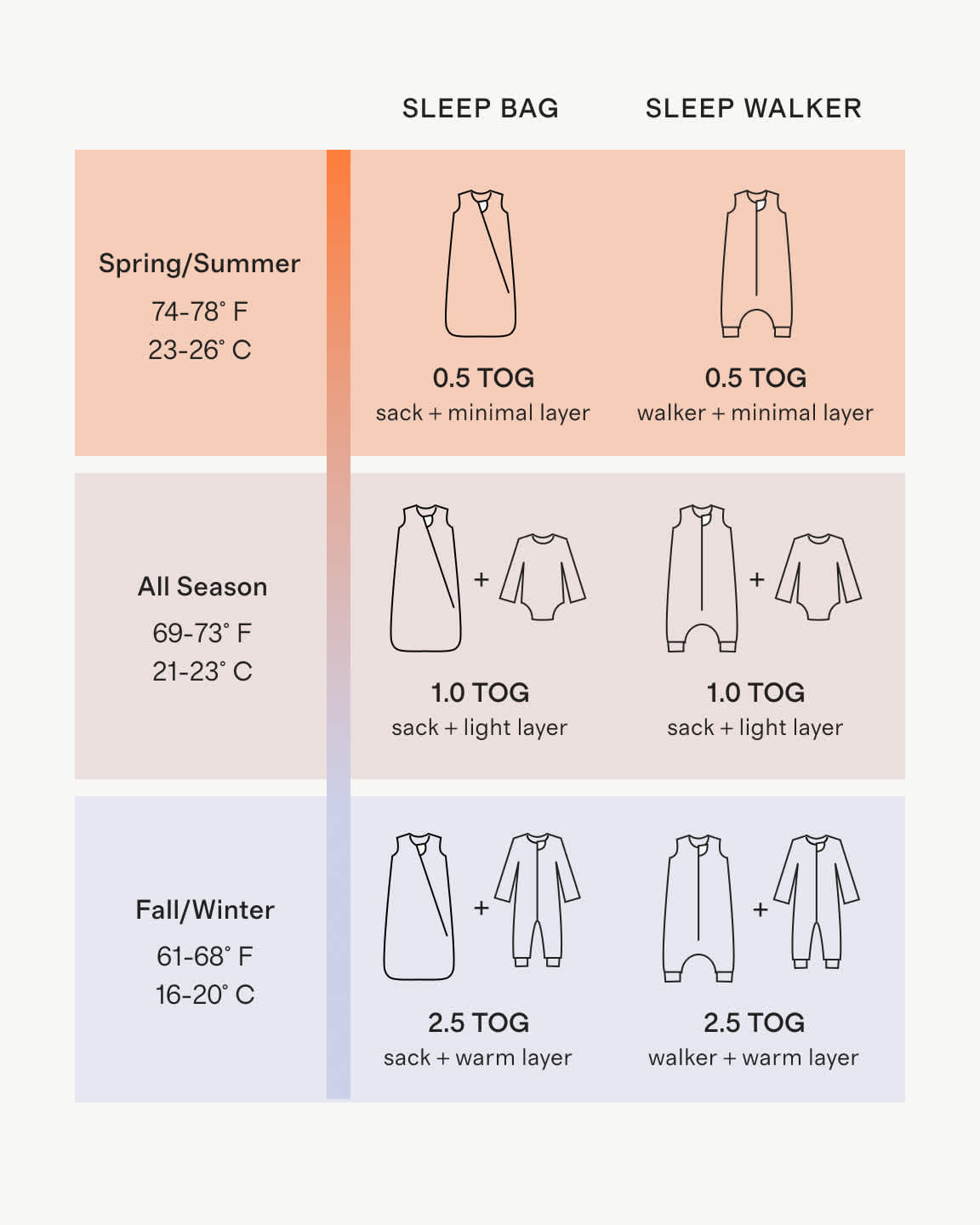
Kyte sack sizing guide
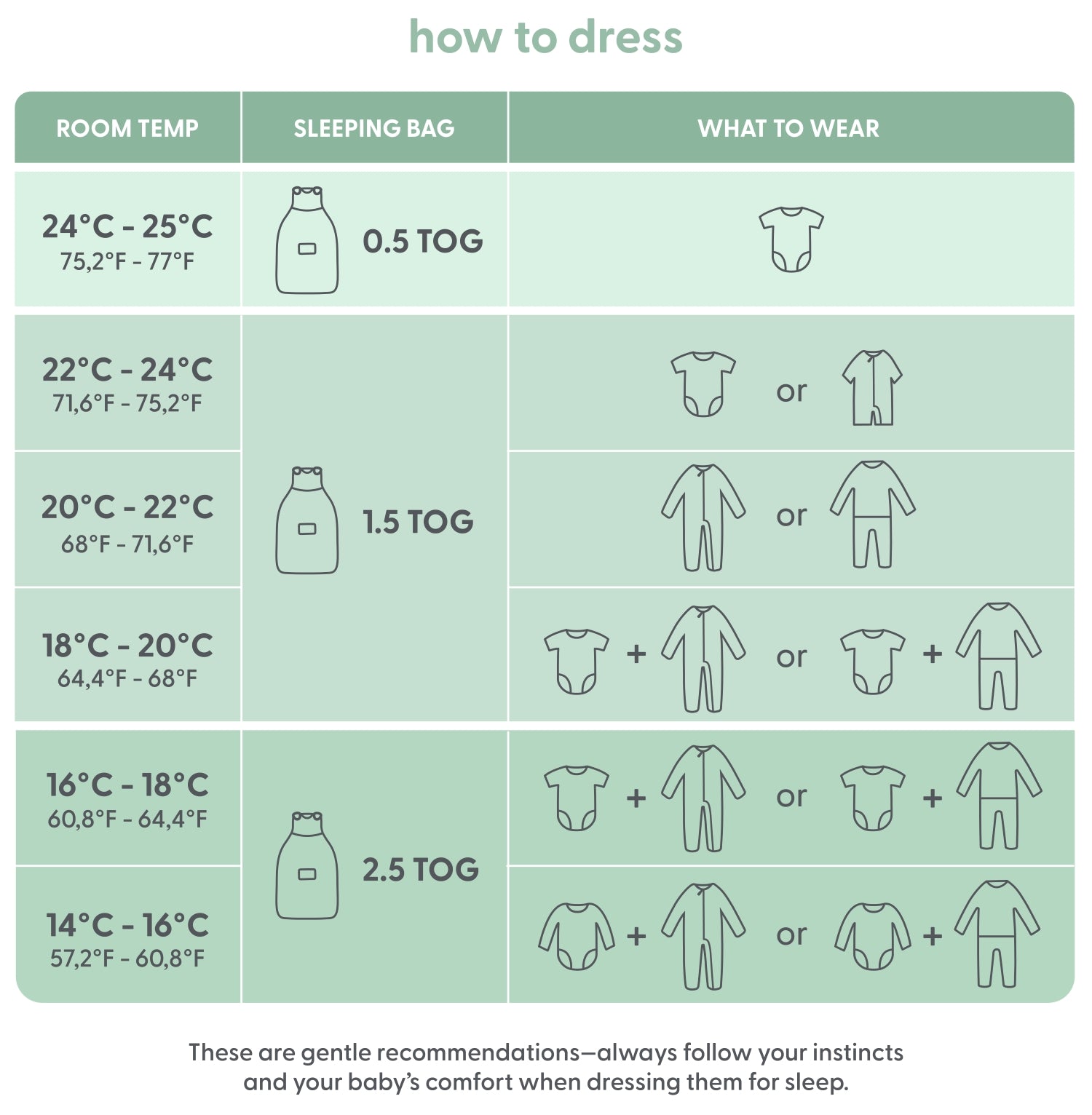
Kyte bags use TOG ratings to match room temperatures, ensuring comfort. Check the label for weight and height limits to prevent overheating or restrictive movement. A proper fit allows arm and leg mobility while maintaining warmth. If your baby’s feet touch the bottom, it is too small. Choose a higher TOG for cooler rooms and lower TOG for warmer environments to maintain a safe, cozy sleep environment. -
Dreamland sack sizing guide
Dreamland sacks prioritize safety with breathable materials and secure zippers. Always verify the weight range on the packaging to ensure a snug yet comfortable fit. A sack that is too large can pose a suffocation risk, while one that is too small restricts movement. Follow manufacturer guidelines strictly. Regularly inspect seams and zippers for wear. Proper sizing ensures your baby stays secure and comfortable throughout the night, supporting healthy sleep patterns. -

Washing sleep sacks
Maintain hygiene by washing sleep sacks regularly according to care labels. Use mild, fragrance-free detergent to avoid skin irritation. Tumble dry on low heat or line dry to preserve fabric integrity and TOG ratings. Avoid fabric softeners, which can reduce breathability and flammability resistance. Regular washing removes milk spills and sweat, keeping the sack fresh and safe. Inspect for pilling or loose threads before each use to ensure ongoing safety. -
Pre-bath wind-down routine
A warm bath acts as a physiological cue for sleep, lowering body temperature afterward. Keep the room dim and the water comfortably warm, not hot. Limit bath time to ten minutes to prevent overtiredness. Follow immediately with gentle massage and pajamas. This sequence signals the end of the day. Consistency helps your baby associate these steps with sleep, creating a predictable transition from active play to quiet rest, easing the path to slumber. -

Massage before bedtime
Gentle infant massage calms the nervous system, signaling that it is time to rest. Use slow, rhythmic strokes on the baby’s back and limbs to reduce tension. This tactile connection promotes relaxation and strengthens your bond. Ensure the room is warm and your hands are clean. Keep the session brief and soothing, avoiding vigorous movements that might overstimulate your little one before sleep. -
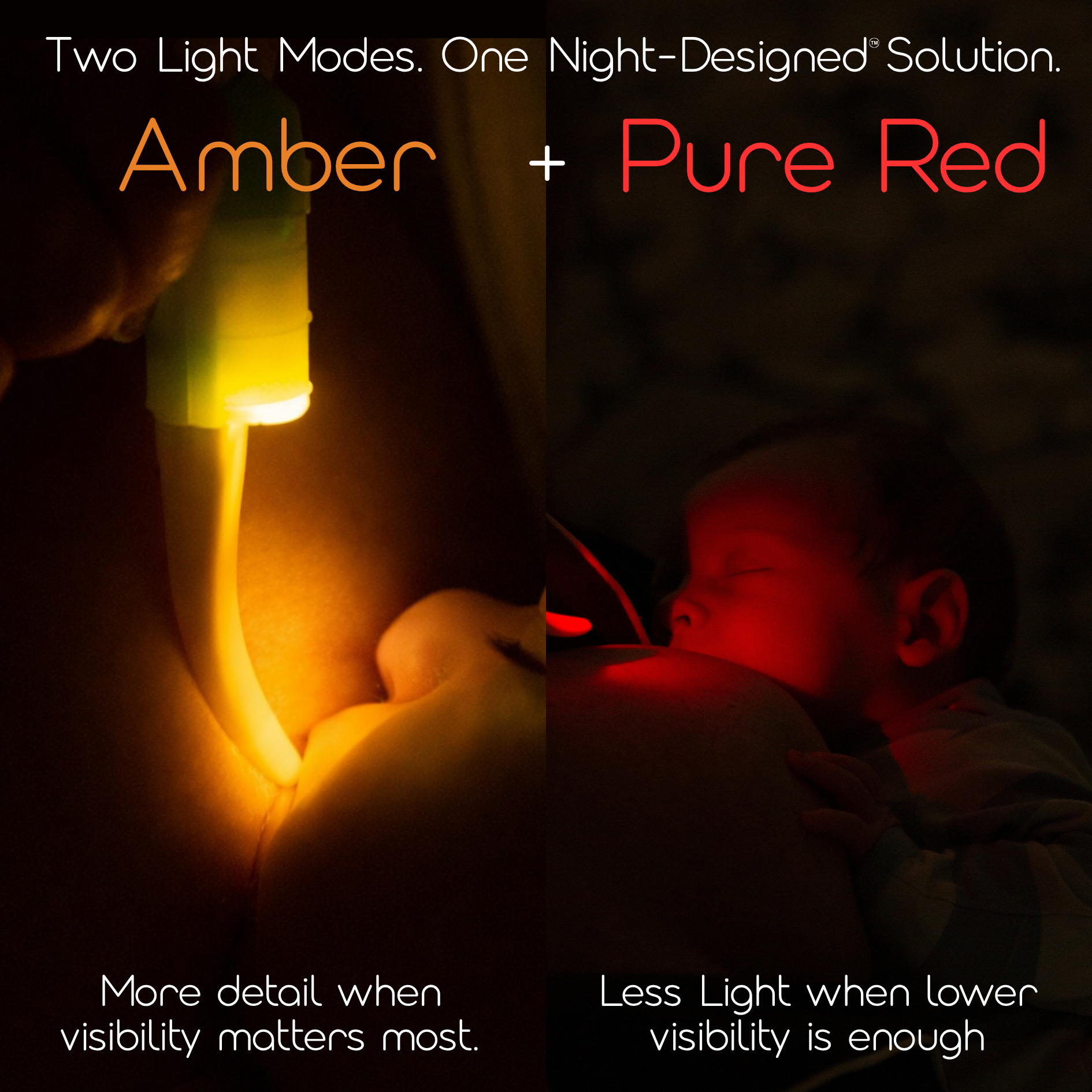
Nightlight color temperature
Choose a nightlight with a warm, amber hue rather than bright white or blue light. Warm tones have less impact on melatonin production, helping your baby stay asleep if they wake. Place the light low and out of direct reach. Avoid blinking or colorful patterns that can trigger alertness. A soft, steady glow provides enough visibility for checks without disrupting sleep cycles. -

Blanket safety rules
The American Academy of Pediatrics advises against loose blankets in the sleep space to reduce SIDS risk. Instead, use a wearable sleep sack or swaddle appropriate for your baby’s age. If you must use a blanket, tuck it securely under the mattress, reaching only to the baby’s chest. Ensure no fabric covers the face or head. Prioritize safe sleep environments over traditional bedding. -
Sleep position guidelines
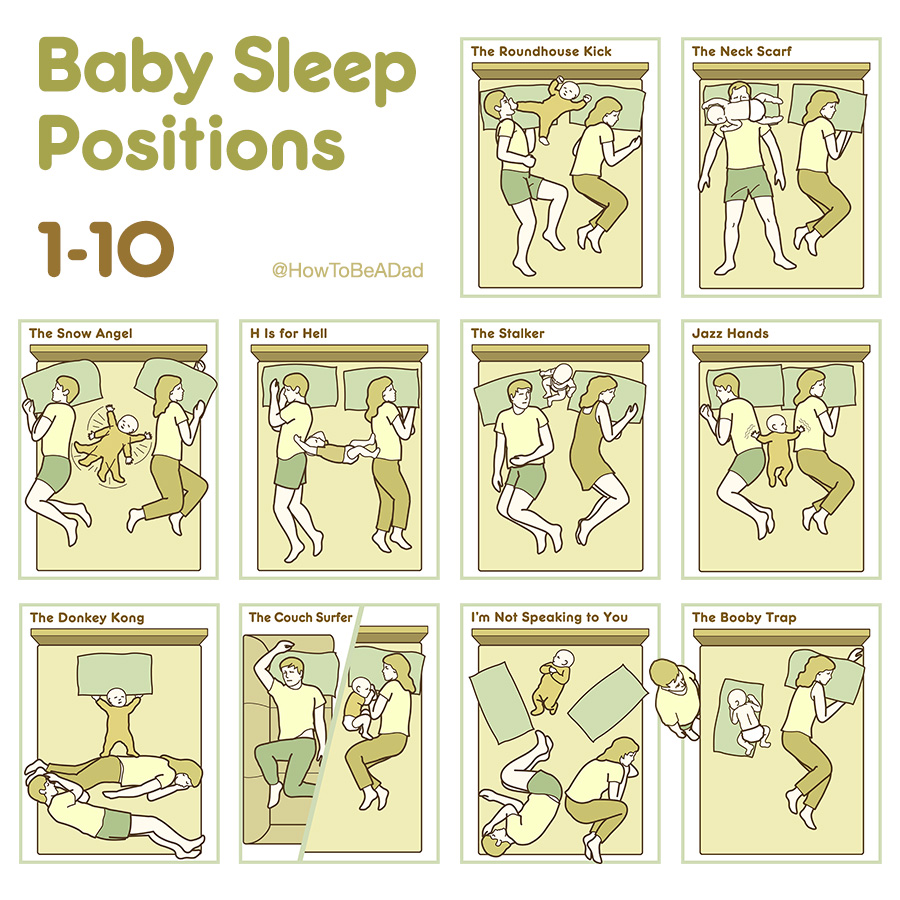
Always place your baby on their back for every sleep, including naps. This position significantly lowers the risk of Sudden Infant Death Syndrome. Once your baby can roll independently both ways, you can allow them to choose their position, but always start them on their back. Avoid side or stomach sleeping, as these positions are unstable and increase safety risks during early infancy. -
Daytime nap limits
Balance daytime sleep to prevent overtiredness, which makes nighttime settling harder. Limit naps to age-appropriate durations and avoid late-afternoon naps that interfere with bedtime. A well-rested baby falls asleep faster and sleeps more soundly. Monitor wake windows closely; exceeding them often leads to fussiness and resistance. Consistent nap schedules help regulate your baby’s internal clock for easier night sleep. -

Room humidity levels
Dry air irritates tiny nasal passages, making it harder for babies to breathe comfortably and settle down. Aim for 40-60% humidity using a hygrometer to monitor levels. This range keeps mucous membranes moist without encouraging dust mites or mold growth. A cool-mist humidifier helps maintain this balance, reducing congestion that often disrupts sleep cycles and causes frequent waking during the night. -
Air purifier usage
Allergens and airborne particles can trigger subtle respiratory discomfort, keeping infants restless. A HEPA-filter air purifier captures dust, pet dander, and pollen before they settle in the nursery. Place it on the floor away from the crib to ensure safe airflow. Clean filters regularly according to manufacturer guidelines to maintain efficiency, creating a cleaner breathing environment that supports deeper, uninterrupted sleep for your little one. -

Sound machine distance
Placing a sound machine too close to the crib creates an uneven acoustic environment that may startle or overstimulate your baby. Position it at least six to seven feet away from the mattress. This distance ensures the sound diffuses evenly across the room rather than blasting directly into the baby’s ears. Even distribution helps mask household noises consistently without creating a focal point of intensity near the sleeping area. -
Volume level safety
Prolonged exposure to loud noise can damage developing hearing, so keeping volume low is critical for safety. The AAP recommends sound levels no higher than 50 decibels, roughly equivalent to a quiet conversation. Measure this with a decibel meter app or device placed where the baby’s head rests. Consistent, moderate volume masks disruptive noises while protecting delicate auditory systems from potential long-term harm during sleep. -
Routine consistency tips
Predictability signals safety to a baby’s developing brain, making the transition to sleep smoother. Perform the same sequence of actions every night, such as bathing, feeding, and reading. Even small variations can confuse cues, leading to resistance or difficulty settling. Consistency builds a strong association between these steps and sleep time, helping your baby anticipate rest and fall asleep more easily with less fussing or crying each night. -
Parent calmness impact
Babies detect parental stress through subtle physiological cues like heart rate and breathing patterns. When you are anxious, your baby’s nervous system mirrors that tension, making it harder to settle. Take three deep, slow breaths before approaching the crib. This simple act lowers your cortisol levels, signaling safety to your infant. A relaxed caregiver creates a tranquil environment, helping the baby transition from alertness to sleep more smoothly and efficiently. -

Eye contact reduction
Direct eye contact is stimulating for infants, keeping their brains engaged and alert. As bedtime approaches, gradually break eye contact to signal that interaction time is ending. Look away or lower your gaze while continuing to soothe. This non-verbal cue helps the baby understand that it is time to wind down. Reducing visual stimulation minimizes overstimulation, allowing their natural sleep drive to take over without the distraction of social engagement. -
Voice tone lowering
The pitch and volume of your voice significantly influence a baby’s arousal state. Switch to a soft, monotone whisper rather than using expressive or high-pitched tones. This change in auditory input mimics the quiet environment of the womb. Avoid asking questions or using animated inflections that invite response. A consistently low, steady voice acts as an auditory blanket, encouraging the baby’s nervous system to downshift into a restful state conducive to falling asleep quickly. -
Touch sensitivity check
Infants have varying touch sensitivities that can either soothe or startle them. Before applying pressure, observe your baby’s reaction to light strokes on the back or limbs. If they arch away or tense up, reduce the intensity or switch to a gentler pat. Conversely, some babies crave deeper pressure. Adjust your touch based on these immediate feedback cues to ensure comfort. Finding the right tactile balance prevents overstimulation and promotes a sense of security. -
Final comfort check
Before leaving the room, perform a quick but thorough check for physical discomfort. Ensure the sleep sack is zipped securely without pinching skin and that the room temperature remains optimal. Verify that no loose bedding or toys pose a suffocation risk. This final inspection provides peace of mind for parents and ensures the baby’s environment is safe and conducive to uninterrupted sleep. A comfortable baby is a sleeping baby.
The 40-second sleep promise
The idea that you can put a baby to sleep in 40 seconds is less about magic and more about biology. That "40 seconds" is a target for calmness, not a guarantee of instant unconsciousness. Think of it as the time it takes to shift a baby from a state of high alert to a drowsy, settling state. If your baby is wide awake, it might take a few minutes of consistent soothing to reach that point. If they are already tired, the transition can be remarkably fast.
The key to this speed is often a sleep sack. A well-fitted sleep sack, like those from Kyte or Dreamland, provides gentle, consistent pressure across the body. This mimics the feeling of being held, which can trigger a calming reflex. When combined with white noise and gentle patting, the sleep sack helps signal to your baby that it is time to rest. It removes the need for loose blankets and keeps their arms in a comfortable position, preventing them from startling themselves awake.
Always prioritize safety over speed. The NHS and AAP recommend placing your baby on their back to sleep, regardless of how tired they are. The 40-second method is a tool for settling, not a replacement for safe sleep practices. If your baby seems distressed or unwell, pause and check on them. Consistency is more important than hitting a timer. Over time, your baby will learn to associate these cues with sleep, making the process smoother for everyone.

Prepare the sleep environment
Before you attempt any technique, your baby’s room needs to feel like a cocoon. Think of the space as a womb replica: dark, quiet, and warm. This isn’t just about comfort; it’s about signaling to your baby’s brain that it is time to shut down. A well-prepared room removes external distractions, allowing you to focus entirely on soothing your child.
Control the light
Darkness triggers the release of melatonin, the hormone that regulates sleep. Even a sliver of streetlight or dawn sun can keep a baby alert. Close the blinds or curtains completely. If the room cannot be pitch black, consider a blackout blind or a dim nightlight with a red or amber hue, which interferes less with melatonin production than blue light. Keep the lighting low during all nighttime interactions.
Manage the sound
Babies are used to the constant whoosh of blood flow in the womb, so absolute silence can sometimes feel unnatural and startling. A white noise machine or app can mimic this background hum, masking sudden household noises like doorbells or barking dogs. Place the machine across the room, not next to the crib, and keep the volume at a safe, steady level—roughly equivalent to a running shower. This creates a consistent auditory anchor that helps your baby settle quickly.
Set the temperature
Overheating is a risk factor for sleep disruption and SIDS. The NHS and AAP recommend keeping the room between 68°F and 72°F (20°C–22°C). Dress your baby in one layer more than you are wearing comfortably. You can check their temperature by touching their chest or back of the neck; if they are sweaty or hot to the touch, remove a layer. A comfortable temperature prevents restlessness and helps your baby stay asleep longer.
Choose the right sleep sack
Picking a sleep sack is less about fashion and more about physics. The goal is to help your baby settle in those first 40 seconds by mimicking the secure feeling of the womb. When you combine the right fabric or weight with the 40-second technique, you remove one of the biggest distractions: feeling too hot or too exposed.
Kyte and Dreamland take two very different paths to that same calm state. One relies on temperature regulation, while the other uses gentle pressure. Understanding which mechanism your baby responds to best can turn a fussy bedtime routine into a quick transition.

Kyte: Breathable Comfort for Temperature Regulation
Kyte bags are made from bamboo viscose, a fabric known for being breathable and temperature-regulating. For many parents, the "womb" feeling isn't just about pressure; it's about not feeling overheated. If your baby tends to kick off blankets or wake up sweaty, this natural cooling effect helps maintain the calm state you've just induced with the 40-second technique.
The fit is typically slightly looser around the hips to allow for natural movement, which can be comforting for younger infants who are still getting used to being swaddled. It feels like a gentle hug without the restriction, allowing your baby to self-soothe by shifting positions slightly while staying warm and secure.
Dreamland: Deep Pressure for Anxiety Relief
Dreamland bags are weighted, designed to provide deep pressure stimulation. This mimics the feeling of being held or the pressure of the amniotic fluid in the womb. For babies who are easily startled by the Moro reflex (startle reflex) or who seem anxious when laid down, this constant, gentle weight can be the missing link to falling asleep quickly.
The weight is distributed evenly across the chest and shoulders, which can help lower the heart rate and promote relaxation. This is particularly useful if your baby struggles to transition from being held to lying in the crib. The weight acts as a stabilizing anchor, making the 40-second settling process more effective by reducing physical restlessness.
Comparison: Which One Fits Your Baby?
Choosing between them depends on whether your baby needs cooling comfort or deep pressure. Use the table below to see how they compare in terms of design and intended effect.
| Feature | Kyte (Bamboo) | Dreamland (Weighted) |
|---|---|---|
| Primary Material | Bamboo Viscose | Cotton with Glass Beads |
| Main Benefit | Temperature Regulation | Deep Pressure Stimulation |
| Best For | Hot sleepers, sensitive skin | Anxious babies, startle reflex |
| Fit Style | Looser, breathable | Snug, weighted chest |
| Safety Note | Standard sleep sack | FDA compliant weights, consult pediatrician |
Safety First
Regardless of the brand, safety is non-negotiable. The American Academy of Pediatrics (AAP) recommends that babies sleep on their backs on a firm, flat surface with no loose bedding. Always ensure the sleep sack fits correctly—too loose, and it can cover the face; too tight, and it restricts movement. For weighted sacks like Dreamland, consult your pediatrician to ensure deep pressure is appropriate for your baby's age and weight.
-
Check the tog rating for the room temperature
-
Ensure the neck hole fits snugly but comfortably
-
Verify the sack is not too long for leg movement
-
Confirm the baby is placed on their back
-
Remove any loose blankets or toys from the crib
Once you've selected the right sack, you can focus entirely on the 40-second technique. The right gear removes the variables, letting you focus on the calm, rhythmic actions that help your baby drift off.
The shush-pat technique
The shush-pat method is a two-part soothing strategy that mimics the womb environment to help a fussy baby settle quickly. It combines rhythmic white noise with gentle, repetitive touch. While the "40 seconds" claim is a popular internet benchmark, the technique’s value lies in its consistency and ability to interrupt crying cycles.
This approach works because the combination of sound and pressure triggers a calming reflex. The white noise masks disruptive household sounds, while the patting provides a steady, predictable rhythm. It is important to remember that every baby is different; some may settle in seconds, while others need a few minutes of consistent effort. Always prioritize safe sleep practices, such as placing your baby on their back in a clear crib, over speed.
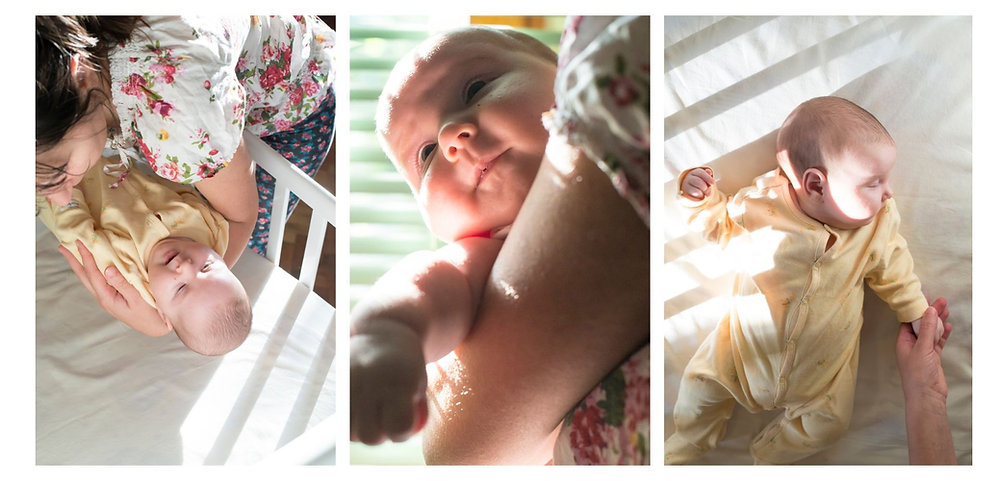
Hold your baby upright against your chest or in a seated position on your lap. This close contact provides security and allows you to control the proximity of your voice. Ensure your hands are clean and warm before beginning.
Make a loud, steady "shhh" sound close to your baby’s ear. The volume should be similar to the noise inside a womb—roughly 70 decibels. This sound masks external disturbances and signals that it is time to rest. Keep the sound continuous and rhythmic.
While maintaining the shushing sound, gently pat your baby’s chest, back, or bottom with one hand. The rhythm should match the sound of your voice—about 120 beats per minute, similar to a resting heart rate. Use a firm but soft touch, avoiding any bouncing or jiggling.
As your baby’s crying subsides and their body relaxes, slowly decrease the volume of your shushing and the speed of your patting. This transition helps bridge the gap between active soothing and independent sleep. Continue this gentle rhythm until your baby is fully asleep.
Once your baby is deeply asleep, carefully place them on their back in their crib or bassinet. Keep your hand on their chest for a few moments to maintain the sensation of presence before slowly withdrawing. Ensure the sleep area is empty and safe according to NHS and AAP guidelines.
The forehead tissue trick
If your baby is wide-eyed and restless, try the forehead tissue trick. It’s a simple sensory shift that can help calm their nervous system quickly. The idea is to give their brain a new, gentle focus to break the cycle of fussiness.
Take a single, soft tissue or a small piece of clean cloth. Gently stroke your baby’s forehead in a slow, repetitive motion. Keep the touch light and consistent. This rhythmic movement can feel soothing and distracting, helping them settle down without overstimulation.
This technique is often shared by parents and parenting experts as a quick comfort measure. It works best when combined with a quiet, dim environment. The goal isn’t to force sleep, but to provide a calming anchor that makes drifting off easier.
Always prioritize safety. Ensure the tissue doesn’t cover your baby’s nose or mouth. Use this as one of many tools in your sleep routine, not a guaranteed fix. If your baby remains distressed, check for hunger, discomfort, or other needs.
Bounce on a Yoga Ball
If your baby is fussy and won’t settle in a crib, a large exercise ball can work wonders. The gentle, rhythmic bouncing provides vestibular stimulation that mimics the motion of being carried, which is naturally soothing for infants. This technique is often recommended by doulas and pediatric sleep consultants for babies aged zero to four months.
To use this method safely, sit on a sturdy yoga ball with your feet flat on the floor. Place your baby on your lap, facing you or toward your knee, and support their head and neck firmly. Keep your core engaged to maintain balance. Begin with small, subtle bounces, gradually increasing the rhythm to match a resting heart rate. Many parents find that continuous, gentle bouncing for five to twenty minutes is enough to lull a baby into deep sleep.
Always prioritize safety. Ensure the ball is inflated to the correct firmness so it doesn’t slip or pop. Never bounce vigorously or lose your balance. If you feel tired or unstable, stop immediately. This method is a comfort tool, not a medical treatment. If your baby has specific health concerns, consult your pediatrician before trying new soothing techniques.
No comments yet. Be the first to share your thoughts!