

Recognize signs of baby sleep problems
Before adjusting the crib setup or trying new swaddles, determine if your baby is actually struggling with sleep or simply following normal newborn rhythms. The difference between a behavioral sleep issue and a developmental phase often comes down to frequency and severity. According to the Children's Hospital of Philadelphia, genuine sleep problems typically involve a baby who previously slept through the night but begins awakening and crying frequently, or a baby who is difficult to settle and cries excessively during bedtime routines [1].
Newborns are biologically programmed to wake often. Frequent night waking is normal for infants under six months due to small stomach capacity and the need for feeding. However, if your baby is showing signs of overtiredness—such as rubbing eyes, yawning, or becoming hyperactive—these are cues that their sleep window has passed. Ignoring these sleepy signs can lead to a cycle of overtiredness that makes falling asleep harder, regardless of how comfortable the crib is.
Watch for changes in daytime behavior as well. Nationwide Children's Hospital suggests that increased restlessness, difficulty settling during the day, and irregular sleep patterns are strong indicators that something is disrupting your baby's sleep cycle [3]. If these signs persist for more than two weeks despite consistent bedtime routines, it may be time to evaluate the sleep environment or consult a pediatrician.

Set up a safe crib sleep environment
Before introducing a sleep sack, you must ensure the sleep space itself meets the safest possible standards. The American Academy of Pediatrics (AAP) recommends a firm, flat sleep surface with a fitted sheet designed specifically for that mattress. This baseline safety setup is the foundation for preventing Sudden Infant Death Syndrome (SIDS) and other sleep-related infant deaths.
A clutter-free crib is non-negotiable. Remove all soft items, including pillows, blankets, stuffed animals, and crib bumpers. These items can obstruct your baby’s airway or cause overheating. If your baby needs comfort, a wearable blanket or sleep sack is the safer alternative because it stays in place and cannot cover the face.
Choose the right mattress and sheet
Select a firm, flat crib mattress that fits snugly within the crib frame with no gaps larger than two fingers between the mattress and the crib sides. Use only a fitted sheet made for that specific mattress. Loose or ill-fitting sheets can bunch up and create suffocation hazards. Check the mattress regularly for sagging or wear, replacing it if it no longer provides firm support.
Keep the room cool and comfortable
Overheating is a known risk factor for SIDS. Keep the nursery temperature comfortable for a lightly clothed adult, typically between 68–72°F (20–22.2°C). Dress your baby in one more layer than you would wear to bed. A sleep sack helps regulate temperature without the need for loose blankets. Avoid hats or extra layers indoors, as babies release heat through their heads.
Place baby on their back
Always place your baby on their back for every sleep, including naps. This position significantly reduces the risk of SIDS. Once your baby can roll over from back to stomach and stomach to back on their own, you do not need to reposition them if they roll during sleep. However, always start every sleep on the back.
Follow a consistent bedtime routine
A predictable routine signals to your baby that it is time to sleep. Start with calming activities like a warm bath, gentle massage, or reading a book. Put your baby down drowsy but awake to encourage self-soothing skills. Consistency helps regulate their internal clock and makes the transition to crib sleep smoother. The Mayo Clinic notes that a calming routine helps babies settle more easily.
Monitor for sleep cues
Watch for signs of tiredness, such as yawning, rubbing eyes, or fussiness. Putting your baby down too late can make them overtired and harder to settle. A sleep sack can help maintain a comfortable temperature throughout the night, reducing the need for mid-night adjustments. Ensure the sleep sack fits properly—snug around the arms and neck but allowing room for leg movement.
Choose between Kyte and Dreamland sacks
Sleep sacks help babies stay warm without loose blankets, a safety measure recommended by the American Academy of Pediatrics to reduce the risk of suffocation and SIDS. However, not all sacks are built the same. The Kyte BABY and Dreamland Baby sacks use different materials and fits, meaning one may suit your baby’s temperament and your home’s climate better than the other.
Kyte BABY uses a viscose from bamboo blend, which is known for being breathable and temperature-regulating. This makes it an excellent choice for warm climates or babies who tend to overheat. The fabric is soft and drapes loosely, allowing for natural movement. Dreamland, on the other hand, often uses cotton or cotton blends, which can feel more structured and durable. Some parents prefer the cotton feel for its familiarity and ease of washing, though it may retain more heat than bamboo viscose.
| Feature | Kyte BABY | Dreamland Baby |
|---|---|---|
| Material | Viscose from Bamboo | Cotton / Cotton Blend |
| Breathability | High (cooling) | Moderate |
| Fit | Loose, draped | Structured, snug |
| Best For | Warm climates, hot sleepers | Cooler climates, structured feel |
The fit also plays a role in how well your baby settles. Kyte’s looser cut allows for more leg movement, which can be comforting for active sleepers. Dreamland’s structured design can provide a gentle, swaddle-like sensation that some babies find reassuring as they transition out of traditional swaddles. Consider your baby’s sleep style: do they kick and toss, or do they prefer being held close and contained?
The Step-by-Step Crib Sleep Routine
Establishing a consistent bedtime routine is the most reliable way to teach your baby to self-soothe in the crib. The goal is to move from a high-stimulation state to a calm, drowsy state before placing the baby down. According to the Mayo Clinic, putting your baby to bed "drowsy, but awake" helps them learn to fall asleep independently rather than relying on being held or fed to sleep Mayo Clinic. This section breaks down the final moments of the bedtime routine, focusing on safe sleep practices and the use of sleep sacks like Kyte or Dreamland to regulate temperature and reduce startle reflexes.
Reduce stimulation by dimming lights and lowering noise levels. Begin a short, predictable sequence such as a warm bath, gentle massage, or quiet reading. This signals to your baby’s brain that sleep is approaching. Avoid vigorous play or screen time, which can delay the release of melatonin. A consistent, calming pre-sleep ritual helps regulate the infant’s circadian rhythm.
Choose a wearable blanket that matches the room’s temperature to prevent overheating, a key SIDS risk factor. For the Kyte BABY sleep sack, the organic bamboo fabric offers breathability, making it suitable for warmer rooms. For Dreamland’s weighted sleep sack, ensure it is used only for infants over 4 months and within the recommended weight limits. The sleep sack should fit snugly around the neck and armholes to prevent slipping over the face, while allowing free leg movement for hip development.
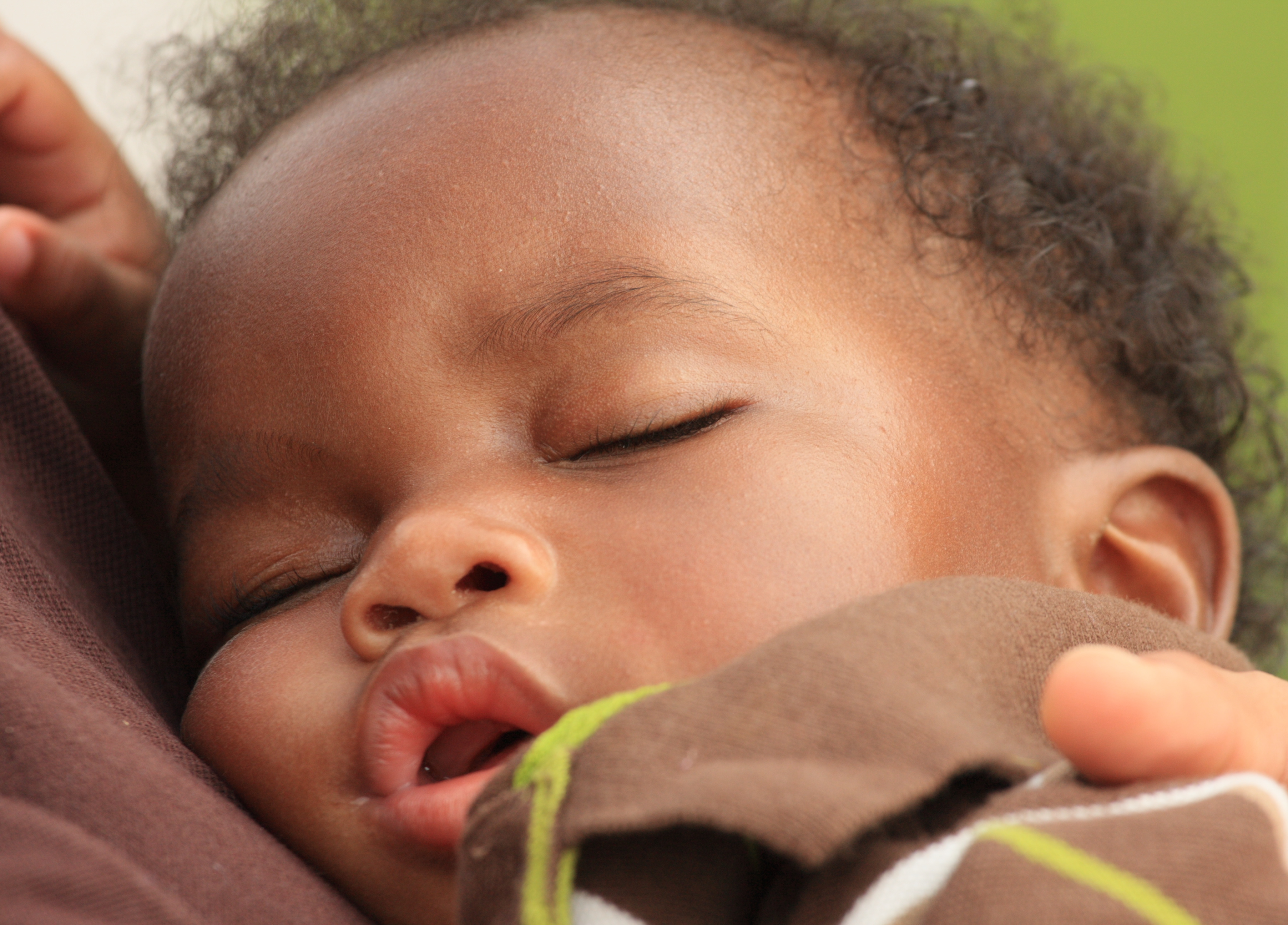
Once the baby is calm but still slightly alert, place them directly into the crib on their back. This is the critical moment where self-soothing begins. If the baby cries, wait a few minutes to see if they settle on their own. If they continue to fuss, offer brief verbal reassurance or a gentle pat without picking them up. This method, often called "put down, pick up," reinforces the association between the crib and sleep without creating a dependency on being held.
Verify that the crib meets current safety standards. The mattress should be firm and flat, covered only by a fitted sheet designed for that specific mattress. Remove all loose bedding, pillows, bumpers, and toys. The AAP advises that the sleep surface should be bare to minimize the risk of suffocation and SIDS. If using a sleep sack, ensure it is the correct size for the baby’s weight and height to avoid any fabric covering the face.
After placing the baby in the crib, step out or stay quietly nearby depending on your parenting approach. Use a white noise machine to mask household sounds, but keep the volume below 50 decibels. If the baby wakes during the night, respond consistently with the same low-intervention techniques used at bedtime. Over time, the baby will associate the sleep sack and the crib environment with sleep, leading to longer, more consolidated rest periods.
This routine requires patience and consistency. It may take several weeks for your baby to fully adapt to the new sleep associations. However, by following these steps and prioritizing safe sleep practices, you create a foundation for healthy sleep habits that will benefit your child’s development and your family’s well-being.
Fix common sleep sack mistakes
Even the best sleep sack can become a safety hazard or a source of frustration if used incorrectly. Parents often assume that because a sleep sack is labeled "safe," it is automatically appropriate for their baby’s current stage. This assumption leads to common errors that can disrupt sleep or, in severe cases, compromise safety. Loose bedding and improper clothing are significant risk factors for Sudden Infant Death Syndrome (SIDS). A sleep sack is designed to replace loose blankets, but only if it fits correctly.
The sizing trap: Too big or too small
The most frequent mistake is using a sleep sack that is too large. Parents often buy a "next size up" to save money or extend the product’s life. However, a sack that is too large can bunch up around the baby’s face or neck, creating a suffocation risk. Conversely, a sack that is too small restricts movement and can cause overheating, especially in warmer months.
According to the Children’s Hospital of Philadelphia (CHOP), the neck opening should fit snugly against the baby’s neck without leaving red marks, and the armholes (if applicable) should not dig into the shoulders. The bottom of the sack should reach just above the baby’s ankles, allowing full leg movement for healthy hip development. If you can pinch excess fabric at the neck or if the sack covers the baby’s chin, it is time to size up. If the baby’s feet are pressed against the bottom or the neck is tight, size down immediately.
Improper layering and overheating
Sleep sacks are not standalone temperature regulators; they are part of a layering system. A common error is dressing the baby too warmly underneath the sack, leading to overheating. Overheating is a known risk factor for SIDS. The Mayo Clinic recommends dressing your baby in one more layer than you would comfortably wear in the same environment. For example, if you are wearing a t-shirt and shorts, your baby might wear a onesie and a sleep sack of appropriate tog rating.
Check the room temperature first. If the room is between 68–72°F (20–22°C), a lighter-weight sack is usually sufficient. If the room is cooler, a higher tog rating is needed. Feel the baby’s chest or back of the neck to check for sweat or dampness. If they are hot and sweaty, remove a layer or switch to a lighter sack. Avoid adding hats, blankets, or loose clothing under the sleep sack, as these can shift and create hazards.
Neglecting the zipper and fasteners
A malfunctioning zipper or loose fastener can turn a secure sleep sack into a dangerous garment. Zippers can snag on skin or fabric, and broken sliders can leave the sack open, allowing it to cover the baby’s face. Always check the zipper guard before each use to ensure it covers the teeth and protects the baby’s chin. If the zipper pulls down unexpectedly, it can expose the baby to cold air or allow the sack to ride up.
For sacks with snaps or buttons, ensure they are securely fastened and not loose enough to be pulled off. Inspect the garment regularly for signs of wear, such as frayed seams or weakened elastic. A compromised sleep sack should be discarded immediately. Safety is not just about the initial purchase; it is about consistent, vigilant maintenance of the product throughout its use.
Check your setup before bedtime
Use this list to verify your crib and sleep sack before you lay baby down. A consistent routine and safe environment help your baby settle faster and stay asleep longer.
-
Crib safety: Mattress is firm and fits snugly. No pillows, bumpers, or loose blankets.
-
Sleep sack fit: Feet are secure inside. No loose fabric around the neck or face.
-
Room conditions: Dark, quiet, and cool (68–72°F). White noise is on if used.
-
Timing: Baby is drowsy but awake. Watch for yawning or rubbing eyes.
-
Routine: Calm, predictable steps (bath, book, bed). Same order every night.

Do a quick visual scan of the crib. Ensure the sleep sack is zipped and the room is ready. Then place baby in the crib.
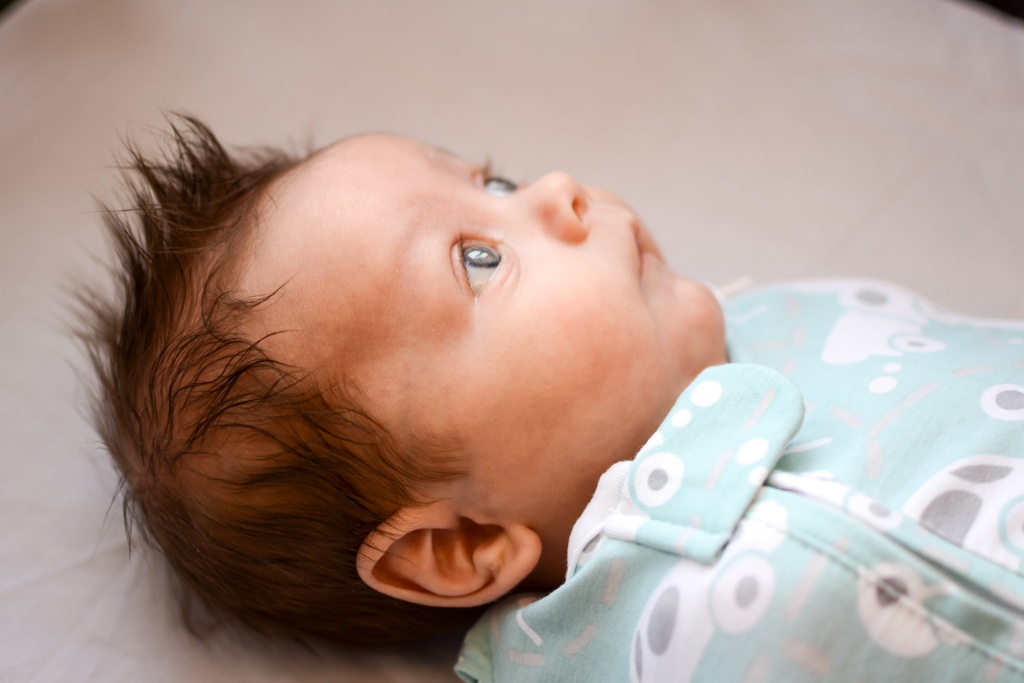
Step back and let baby self-soothe. Listen for signs of settling or distress. Intervene only if needed.
No comments yet. Be the first to share your thoughts!