
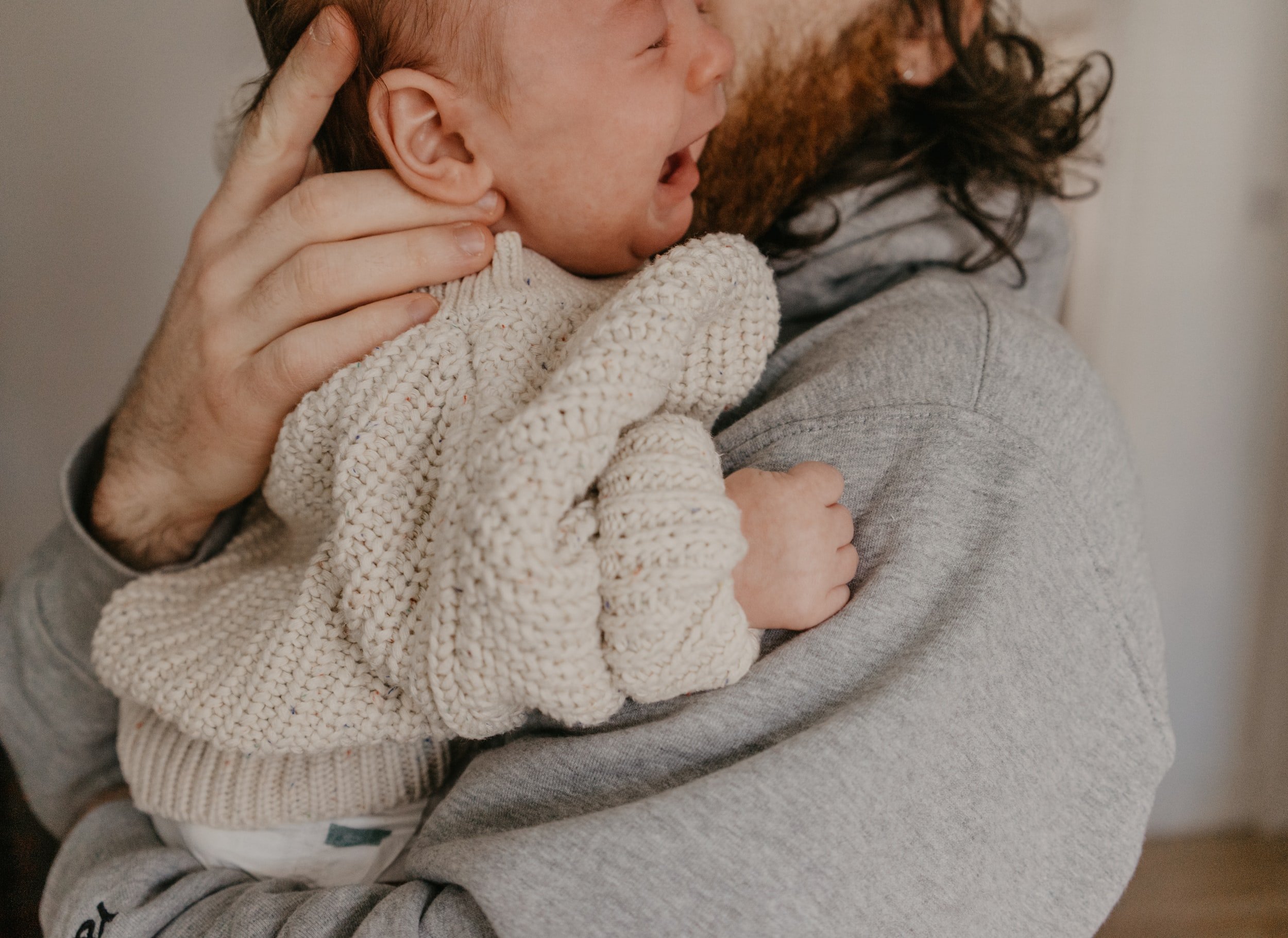

Why babies resist the crib
It can feel personal when your infant screams the moment you lower them into the crib, but this resistance is rarely about the furniture itself. It is usually a clash between their biological wiring and the new environment of their sleeping space. Understanding the physiological drivers behind this struggle helps parents approach bedtime with patience rather than frustration.
The startle reflex
Newborns possess the Moro reflex, an involuntary startle response triggered by changes in position or balance. When you lower a baby from your arms to a flat crib mattress, the sudden loss of that warm, contained pressure can trigger the reflex, causing their arms to fling outward and wake them instantly. This is a protective mechanism, not a behavioral choice.
Separation anxiety
Even at just a few months old, babies begin to develop object permanence and a deep-seated need for proximity to their caregivers. The crib represents a physical separation. For a baby who associates sleep with the warmth and rhythm of a parent’s chest, the cool, static space of a crib can feel isolating. This is a normal developmental stage, often peaking between four and seven months.
Temperature and comfort
Babies have a limited ability to regulate their body temperature. If the room is too warm or the bedding is too heavy, they will fight sleep. Conversely, a drafty room can cause discomfort. The goal is a stable, breathable environment that mimics the consistent warmth of the womb without overheating, which is a known risk factor for SIDS.
40 Proven Tactics to Get Baby to Sleep in the Crib
Transitioning a baby to the crib requires a systematic approach. Below are 40 specific, actionable tactics categorized by environment, routine, and technique. Implement these gradually to identify what works best for your child.
Environment Optimization
- Lower the room temperature to between 68°F and 72°F (20°C–22°C) to prevent overheating, which disrupts deep sleep.
- Use blackout curtains to block external light, signaling to the baby’s brain that it is time for sleep.
- Introduce white noise at a consistent volume (around 50 decibels) to mask household sounds and mimic womb noises.
- Ensure the crib is in the same room as your bed for the first six months to reduce separation anxiety.
- Check for drafts around windows and doors that might cause discomfort or wake the baby.
- Use a firm, flat mattress with a tight-fitting sheet to ensure safety and comfort.
- Remove all loose bedding, including pillows, bumpers, and stuffed animals, to create a safe, minimal sleep space.
- Place a nightlight with a warm, red hue if you need to check on the baby, as blue light suppresses melatonin.
- Keep the room clutter-free to reduce visual stimulation before sleep.
- Use a humidifier if the air is dry, helping to keep nasal passages clear and comfortable.
Pre-Sleep Routine
- Establish a consistent bedtime and stick to it, even on weekends, to regulate the baby’s circadian rhythm.
- Start the routine 30–45 minutes before bed to allow time for winding down.
- Give a warm bath to lower body temperature slightly after exiting the water, signaling sleepiness.
- Perform gentle massage with baby-safe oil to relax muscles and promote bonding.
- Change the diaper right before bed to ensure comfort and prevent waking from a wet diaper.
- Put on pajamas made of breathable fabric like cotton or bamboo.
- Read a short, boring book to create a calm association with sleep.
- Sing a lullaby or play soft music to create a auditory cue for sleep.
- Dim the lights progressively throughout the routine to signal the transition to sleep.
- Avoid stimulating play such as tickling or high-energy games in the hour before bed.
Feeding Strategies
- Feed early in the routine to avoid the baby falling asleep while feeding, which can create a sleep association.
- Ensure a full feed so the baby is not waking up due to hunger.
- Burp thoroughly to prevent gas pains from disrupting sleep.
- Offer a pacifier if the baby uses one, as sucking can be a self-soothing mechanism.
- Keep feeding interactions calm and quiet to avoid overstimulation.
Transition Techniques
- Put the baby down drowsy but awake to teach them to self-soothe and fall asleep independently.
- Use a gradual withdrawal method by sitting next to the crib and slowly moving further away each night.
- Pat or shush gently if the baby fusses, offering comfort without picking them up immediately.
- Use a sleep sack like the Kyte Baby or Dreamland to provide a sense of security and warmth.
- Keep the transition brief when placing the baby in the crib to minimize anxiety.
Daytime Habits
- Expose the baby to natural light in the morning to help set their internal clock.
- Encourage tummy time during the day to promote physical development and reduce fussiness.
- Avoid overtiredness by watching for early sleep cues like yawning or eye-rubbing.
- Maintain a consistent nap schedule to prevent daytime sleep from interfering with nighttime sleep.
- Limit naps late in the day to ensure the baby is tired enough for bedtime.
Troubleshooting
- Check for teething pain if the resistance is sudden and accompanied by drooling or irritability.
- Rule out illness such as ear infections or colds that might make lying down uncomfortable.
- Be patient with regressions due to growth spurts or developmental leaps, which are temporary.
- Avoid rocking or feeding to sleep if the goal is independent sleep, as these can become dependencies.
- Consult a pediatrician if the sleep resistance persists despite consistent efforts, to rule out underlying medical issues.
Kyte vs Dreamland sleep sack comparison
Choosing between the Kyte baby and Dreamland sleep sack comes down to material preference and climate control. Both brands prioritize safety and comfort, but they deliver warmth differently. Kyte uses bamboo viscose for a cool, breathable feel, while Dreamland relies on organic cotton that offers a softer, more traditional cotton touch.
The Kyte original is slightly more fitted, which helps prevent bunching around the neck for active movers. Dreamland features a roomier cut with a distinct hood, providing a womb-like swaddle effect that many newborns find comforting. If your baby runs hot or lives in a humid climate, the bamboo fabric of the Kyte is often the better choice for temperature regulation.
| Feature | Kyte Baby Original | Dreamland Baby Sleep Sack |
|---|---|---|
| Material | Bamboo Viscose | Organic Cotton |
| Fit | Fitted, sleeveless | Roomier, hooded |
| Best For | Hot sleepers, summer | Cool sleepers, winter |
| Safety | Safe for rolling | Safe for rolling |
Both options are safe for babies who can roll over, eliminating the risks associated with loose blankets. The key is matching the fabric to your home's temperature and your baby's sensitivity to textures.


As an Amazon Associate, we may earn from qualifying purchases.
Safe Sleep Essentials Checklist
Before testing the 40 tactics below, ensure the sleep environment itself is safe. A secure crib is the foundation for any sleep training method. The American Academy of Pediatrics (AAP) recommends a firm, flat mattress with a fitted sheet that stays tight.
Follow these steps to verify the setup:

Remove all soft items. No pillows, stuffed animals, bumpers, or loose blankets. These pose suffocation risks. The space should be empty except for the baby and a fitted sheet.
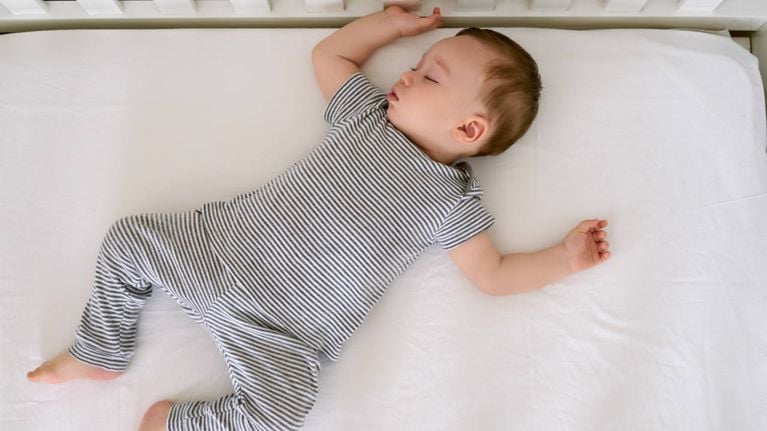
Press your hand into the center. It should spring back quickly without leaving an indentation. A sagging mattress increases the risk of SIDS. Ensure the sheet fits snugly with no gaps.
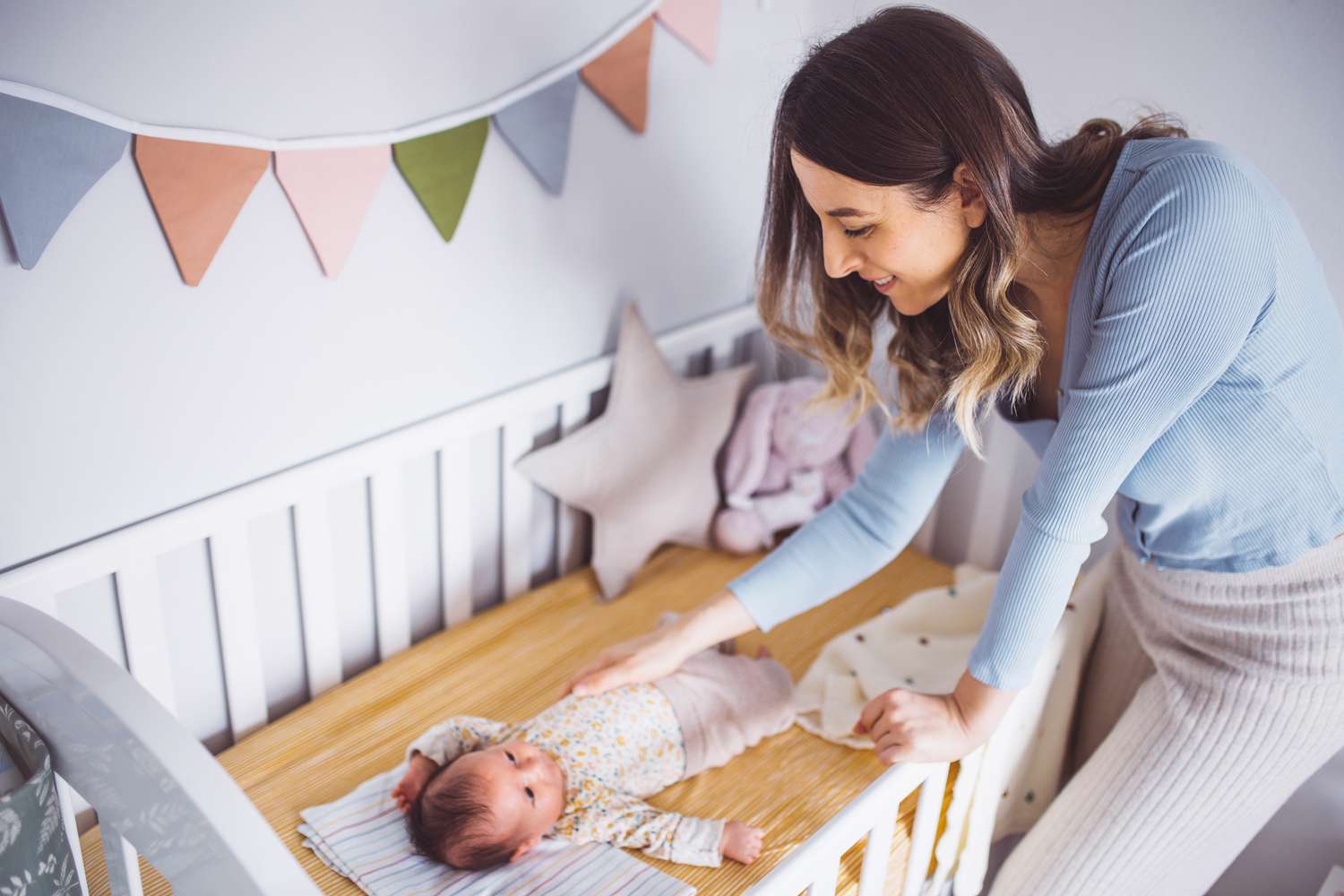
Use a sleep sack instead of loose blankets. A wearable blanket keeps the baby warm without covering the face. Avoid hats indoors, as babies regulate heat through their heads.
This checklist covers the basics recommended by the NHS and AAP. Once the room is safe, you can focus on the behavioral tactics to help your baby fall asleep independently.
No comments yet. Be the first to share your thoughts!