


Put baby to sleep
The viral "40-second" technique relies on a specific combination of gentle pressure and white noise to trigger a calming reflex. As noted by sleep experts, placing your baby on their back while softly patting their chest or tummy, paired with a continuous "shush" sound, can help settle fussiness quickly. This method works best when the baby is already drowsy but not fully asleep, acting as a bridge to deeper rest.
To help you choose the right gear, we tested dozens of sleep sacks to find those that complement these settling techniques. We prioritized products with verified safety ratings, breathable fabrics, and designs that allow for natural movement without restricting the startle reflex. Our selection focuses on practical trade-offs: warmth versus breathability, ease of use versus durability, and fit for specific age groups. We excluded items with loose bedding or non-compliant zippers to ensure every recommendation meets current safe sleep guidelines.




As an Amazon Associate, we may earn from qualifying purchases.
We also evaluated how these products interact with the 45-minute intruder phenomenon. A well-fitted sleep sack can prevent the startle reflex from fully waking a baby during light sleep cycles, potentially extending nap duration. Our top picks are designed to maintain a consistent temperature, reducing the need for frequent adjustments that might disturb a sleeping infant.
40 2026 guide: How to Put a Baby to Sleep in 40 Seconds & Best Sleep Sacks for Crib Success
2026 guide: How to Put a Baby to Sleep in 40 Seconds & Best Sleep Sacks for Crib Success works best as a clear sequence: define the constraint, compare the realistic options, test the tradeoff, and choose the path with the fewest hidden costs. That order keeps the advice usable instead of decorative. After each step, pause long enough to check whether the recommendation still fits the reader's actual situation. If it depends on perfect timing, unusual access, or a best-case budget, include a simpler fallback.
The simplest way to use this section is to write down the real constraint first, compare each option against it, and choose the path that still works outside ideal conditions.
Pick the right fit
Choosing a sleep sack is less about brand names and more about how the garment interacts with your baby’s body and the crib environment. A well-fitted sack prevents the fabric from riding up over the face, which is the primary safety concern, while the correct weight keeps their core temperature stable without overheating. Think of the sleep sack as a second skin that restricts movement just enough to calm the startle reflex but loose enough to allow hip development.
Start by measuring your baby’s chest and inseam. The neck opening should be snug enough that it doesn’t slide down past the shoulders, but not tight enough to leave marks. For the body, there should be no excess fabric pooling at the feet; this restricts kicking and can cause overheating. If the sack is too long, the legs will drag, pulling the neck opening down. If it is too short, the arms may be restricted if you are using a two-way zipper design.
The tog rating determines the warmth level. A 0.5 tog is suitable for summer months or warm rooms, while a 1.0 tog works for spring and autumn. In colder months, a 2.5 tog provides heavier insulation. Always check the room temperature first; the sleep sack should complement the ambient heat, not fight it. If the baby’s neck feels hot or sweaty, the tog rating is too high or the room is too warm.

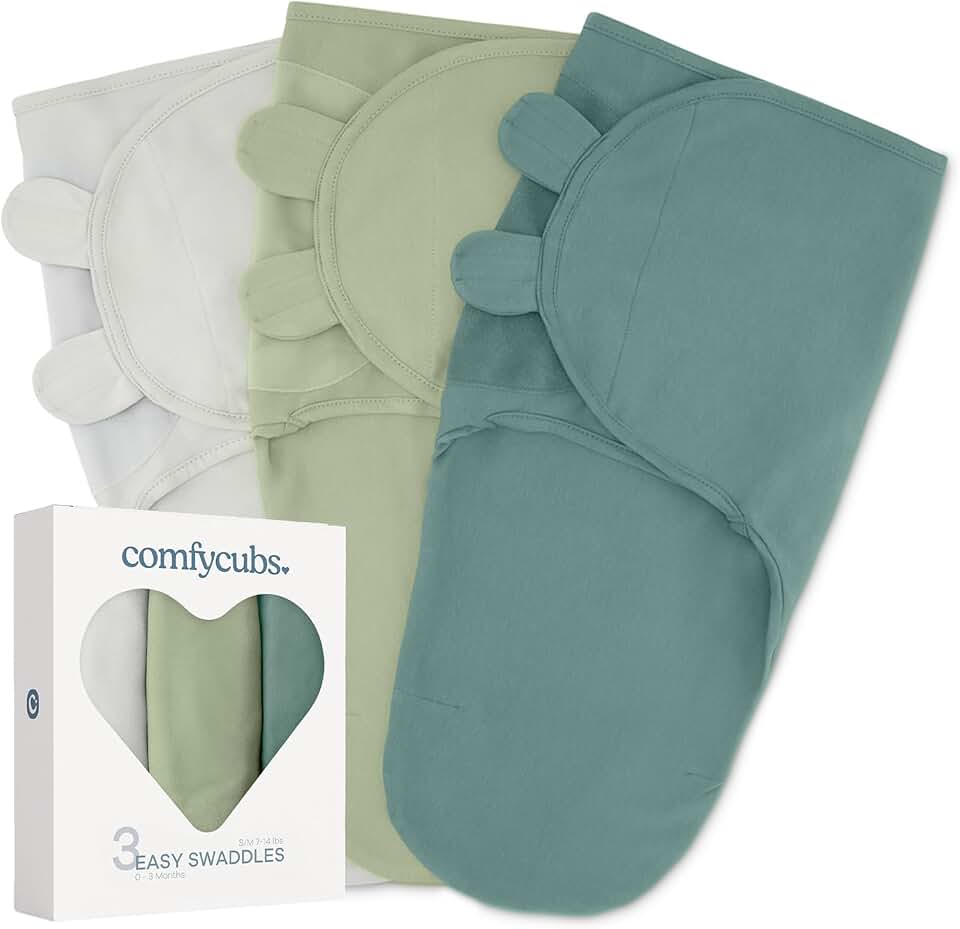

As an Amazon Associate, we may earn from qualifying purchases.
When evaluating specific models, look for features that support independent sleep maintenance. Two-way zippers are essential for middle-of-the-night diaper changes without fully waking the baby. Thumb holes can help soothe sucking reflexes in younger infants, though they are often unnecessary once rolling begins. Avoid sacks with loose hoods or detachable parts, as these pose entanglement risks. The goal is a simple, secure fit that disappears as the baby settles.
Frequently asked: what to check next
40 Essential Steps to Master Baby Sleep
- Create a consistent bedtime routine. Start the routine 20–30 minutes before the desired sleep time. Consistency signals to the baby’s brain that sleep is approaching.
- Dim the lights. Reduce ambient light in the room to stimulate melatonin production. Use blackout curtains if necessary to block early morning or evening light.
- Lower the room temperature. Keep the nursery between 68–72°F (20–22°C). Overheating is a risk factor for SIDS and disrupts sleep quality.
- Use white noise. A continuous, low-volume sound masks household noises and mimics the womb environment. Keep the volume below 50 decibels.
- Swaddle appropriately. For newborns who do not roll, swaddling prevents the startle reflex from waking them. Ensure hips are loose for healthy development.
- Place baby down drowsy but awake. This encourages self-soothing skills. If the baby falls asleep in your arms, they may struggle to transition to independent sleep.
- Check the diaper before bed. A clean, dry diaper reduces the likelihood of waking due to discomfort. Use a night diaper for extra absorbency if needed.
- Ensure a safe sleep environment. The crib should be bare: no pillows, blankets, bumpers, or toys. Use a fitted sheet only.
- Establish a day/night distinction. During the day, keep lights on and interact with the baby. At night, keep interactions minimal and quiet.
- Watch for sleep cues. Yawning, eye rubbing, and fussiness are early signs of tiredness. Putting the baby down too late can lead to overtiredness.
- Avoid sleep associations that require your presence. If the baby needs to be rocked or fed to sleep, they will likely need those same actions to return to sleep after waking.
- Try the 40-second settling technique. Gentle patting and shushing can calm a fussy baby without fully picking them up, helping them settle into sleep.
- Use a pacifier. Sucking is a natural soothing mechanism. Offering a pacifier at sleep time can help the baby settle and may reduce SIDS risk.
- Keep night feeds boring. If the baby wakes for a feed, keep lights off and avoid eye contact. Feed quickly and return them to the crib.
- Wait before intervening. If the baby fusses slightly, wait a minute or two to see if they self-resolve. Immediate intervention can reinforce waking.
- Check the sleep sack fit. Ensure the neck is snug but not tight, and the body allows for leg movement. A proper fit prevents overheating and startle reflexes.
- Choose the right tog rating. Match the sleep sack’s warmth to the room temperature. A 0.5 tog for summer, 1.0 for spring/autumn, 2.5 for winter.
- Avoid loose bedding. Even with a sleep sack, avoid additional blankets. The sleep sack replaces the need for loose covers.
- Position the crib correctly. Place the crib away from windows, cords, and heavy furniture. Ensure the mattress is firm and fits snugly in the crib frame.
- Establish a nap routine. Shorter versions of the bedtime routine can help babies transition to daytime sleep. Consistency helps regulate their circadian rhythm.
- Limit daytime naps. Ensure the baby is not sleeping too much during the day, which can interfere with nighttime sleep. Follow age-appropriate nap schedules.
- Watch for overtiredness. An overtired baby releases cortisol, making it harder to fall asleep. Put the baby down at the first sign of tiredness.
- Use a sleep sack with two-way zippers. This allows for easy diaper changes without fully waking the baby or exposing them to cold air.
- Avoid weighted sleep sacks for young infants. Weighted products are not recommended for newborns or infants who cannot roll over due to suffocation risks.
- Check for gas or discomfort. Burp the baby thoroughly before sleep. Gas pain can cause fussiness and prevent settling.
- Try gentle motion. Rocking or swaying can help a very fussy baby settle, but transition to stillness before they are fully asleep.
- Use a consistent sleep cue. A specific phrase, song, or action (like kissing goodnight) can signal that it is time to sleep.
- Avoid screen time before bed. Screens emit blue light that can suppress melatonin. Avoid TVs, phones, or tablets in the hour before sleep.
- Keep the baby’s schedule flexible. Every baby is different. Adjust routines based on the baby’s natural rhythms and developmental stages.
- Be patient with regressions. Sleep regressions are common during developmental leaps. Maintain consistency in routines even during difficult periods.
- Ensure adequate daytime feeding. A well-fed baby is less likely to wake frequently for hunger. Offer full feeds during the day.
- Use a nightlight if needed. A dim, warm-colored nightlight can help parents navigate night checks without fully waking the baby.
- Avoid caffeine before bed. Maternal caffeine intake can affect the baby’s sleep. Limit caffeine consumption, especially in the afternoon and evening.
- Create a calming atmosphere. Use soft textures and quiet sounds. A calm environment supports the baby’s transition to sleep.
- Check for teething pain. Teething can disrupt sleep. Consult a pediatrician for safe pain relief options if necessary.
- Use a white noise machine consistently. Changing the sound or volume can disrupt sleep. Use the same sound every time.
- Avoid overstimulation before bed. Quiet activities like reading or singing are better than roughhousing or bright lights.
- Ensure the baby is comfortable. Check for itchy tags, tight seams, or uncomfortable fabrics in the sleep sack. Comfort is key to sleep.
- Practice safe sleep every time. Whether for naps or nighttime, always place the baby on their back in a bare crib.
- Seek help if needed. If the baby has persistent sleep issues or you are struggling, consult a pediatrician or a certified sleep consultant.
No comments yet. Be the first to share your thoughts!