

The Sudden Bassinet Resistance: Why Now?
It’s incredibly frustrating. One night, your baby is sleeping soundly in their bassinet, and the next, it’s a battle just to get them to lie down. This is a remarkably common experience for parents, and I want to assure you, it’s rarely a sign that something is fundamentally wrong. Babies change constantly, and what worked beautifully last week might feel completely unacceptable today.
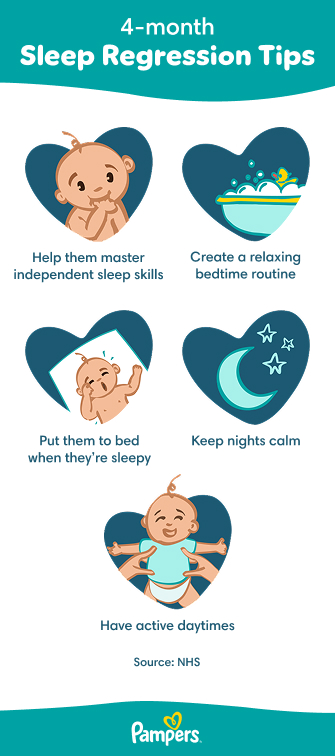
Often, this resistance flares up around developmental leaps, with the 4-month sleep regression being a particularly notorious culprit. As your baby’s brain develops, their awareness of their surroundings increases, and they may start to feel more confined in the cozy space of a bassinet. They're also becoming more aware of their own bodies and movements.
It’s easy to fall into the trap of questioning everything you’re doing, but try to view this as a normal part of your baby's growth. This article isn’t about finding fault with your parenting; it’s about understanding why this is happening and equipping you with practical solutions to help your little one – and you – get some much-needed rest. We’ll explore strategies backed by what experts recommend and what parents have found successful.
Is It Really the Bassinet? Ruling Out Other Sleep Disruptors
Before focusing solely on the bassinet, rule out other potential reasons for sleep disturbances. Sometimes, the issue isn’t the where your baby is sleeping, but if they're actually ready to sleep. Hunger is a big one, especially during growth spurts. A dirty diaper can also quickly derail sleep, as can being too hot or too cold.
Illness, even a mild cold, can disrupt sleep patterns. And don’t underestimate the power of overstimulation. A busy day filled with activity can leave a baby wired and unable to settle down. Pay attention to wake windows – the amount of time your baby is awake between naps and bedtime. For babies 0-3 months, this is typically 45-60 minutes; for babies 3-6 months, it increases to 1.5-2 hours.
If you suspect any of these factors are at play, address them first. A well-fed, comfortable, and calm baby sleeps soundly, regardless of where they are.
The Space Issue: Why Babies Start Craving Room to Stretch
As your baby grows, their physical needs change. Bassinets, while perfect for the newborn stage, are undeniably small. Around 3-4 months, babies develop more strength and coordination and may feel restricted by the limited space. They want to move, stretch, and explore, even if that exploration is limited to wiggling their arms and legs.
The Moro reflex, or startle reflex, typically diminishes around 4-6 months. When strong, a baby will instinctively jerk their arms and legs in response to sudden movements or noises. In a bassinet, this reflex can be more pronounced and disruptive. As it fades, they may find the bassinet feels less secure and more confining.
Even before they're fully rolling over, babies may attempt to roll, and that attempt can be uncomfortable in a small space. This isn't necessarily a sign they're ready to roll all the way over, but it indicates a growing need for more freedom of movement. It's a natural developmental step, and resisting it creates more frustration for both you and your baby.
7 Expert-Backed Solutions to Reintroduce the Bassinet
Here are seven strategies that can help you reintroduce the bassinet, based on discussions with parents and resources from Happiest Baby and Pampers.
1. Swaddling (if age-appropriate): Swaddling can provide a sense of security and comfort, mimicking the feeling of being held. However, it’s crucial to follow safe swaddling practices and discontinue swaddling once your baby shows signs of rolling over, as recommended by the American Academy of Pediatrics.
2. White Noise: Consistent white noise can mask disruptive sounds and create a calming sleep environment. Aim for a sound level of around 50-60 decibels – similar to a shower. There are many white noise machines and apps available, and consistency is key. Don't switch sounds frequently.
3. Gentle Rocking/Motion: Many babies find gentle rocking or motion soothing. This can mimic the feeling of being rocked in your arms. Some bassinets even have built-in rocking features, like the Maydolly Smart Cradle.
4. Warmth: A slightly warmer bassinet can be more inviting. Ensure the room temperature is comfortable – between 68-72 degrees Fahrenheit – and consider using a properly fitted sheet and a sleep sack (see section 5).
5. Scent: Familiar scents can be incredibly comforting for babies. Place a small piece of clothing that you’ve worn (a t-shirt, for example) in the bassinet. Your scent can help your baby feel more secure and relaxed.
6. Gradual Reintroduction: Don’t try to force it. Start by having your baby spend short periods of time in the bassinet while awake. Gradually increase the duration as they become more comfortable. You might start with 5 minutes, then 10, then 15, and so on.
Sleep Sack Showdown: Kyte vs. Dreamland – Which is Best for Bassinet Battles?
Sleep sacks are a fantastic tool for safe sleep and are particularly helpful when transitioning back to the bassinet. Two popular options are the Kyte Baby Sleep Sack and the Dreamland Baby Sleep Sack, both available at Find PM. The key difference is the weight.
The Dreamland sleep sack features gentle weight distributed across the chest, mimicking the feeling of being held. Many parents find this incredibly effective in calming fussy babies and promoting sleep. It comes in various TOG ratings for different temperatures and is made from 100% organic cotton. Prices typically range from $89-$129.
The Kyte Baby Sleep Sack, on the other hand, is known for its incredibly soft bamboo rayon fabric. It’s lightweight and breathable, ideal for warmer climates. While it doesn’t have the weighted feature, its luxurious feel is very comforting. Kyte sleep sacks generally cost $48-$69.
Here’s a quick comparison:
The choice depends on your baby’s preferences and your budget. If your baby thrives on the feeling of being held, the Dreamland sleep sack is the better option. If you prefer a lightweight, breathable material, the Kyte sleep sack is a great choice. Both are excellent quality and prioritize safety.
- Kyte Baby Sleep Sack: Soft bamboo rayon, lightweight, breathable, $48-$69
- Dreamland Baby Sleep Sack: Weighted, 100% organic cotton, calming, $89-$129
Kyte vs. Dreamland Baby Sleep Sacks: A Comparison for Bassinet Use
| Feature | Kyte BABY Sleep Sack | Dreamland Sleep Sack | Bassinet Suitability |
|---|---|---|---|
| Weight | Lightweight - typically under 1 lb | Variable, depending on model - can range from lightweight to heavier | Medium - Lightweight options are good for bassinets. |
| Material | 100% Bamboo Viscose | Organic Cotton or Merino Wool blends | High - Bamboo is breathable and soft, ideal for a safe sleep environment. |
| TOG Rating | 0.5 - 1.0 TOG (varies by style) | 0.5 - 2.5 TOG (wide range of options) | Medium - Lower TOG ratings (0.5-1.0) are best for bassinet use to prevent overheating. |
| Price (USD) | Approximately $35 - $55 (depending on size and style) | Approximately $80 - $150 (depending on model and TOG) | Medium - Kyte generally offers a more affordable entry point. |
| Size Range | 0-18 months, various sizes | 0-18 months, various sizes, often with longer length options | High - Both brands offer sizes appropriate for the typical bassinet use period. |
| Ease of Washing | Machine washable, tumble dry low | Machine washable, tumble dry low | High - Both are designed for convenient cleaning. |
| Design Features | Simple designs, focus on comfort and breathability | Weighted options available, designed for calming and longer sleep | Medium - Weighted options may not be suitable for all newborns or bassinets; check manufacturer guidelines. |
Illustrative comparison based on the article research brief. Verify current pricing, limits, and product details in the official docs before relying on it.
When to Consider a Transition: Is the Bassinet a Lost Cause?
Sometimes, despite your best efforts, a baby simply won't sleep in a bassinet. That's okay. Be realistic and prioritize sleep for both your baby and yourself. If you've tried multiple strategies for a week or two and your baby continues to resist, consider a transition to a crib.
When transitioning to a crib, ensure it meets all safety standards. Use a firm mattress, fitted sheet, and avoid loose blankets, pillows, or toys. The AAP recommends babies sleep on their backs on a firm surface until they reach one year old. Co-sleeping, while a choice some parents make, should always be done safely, following established guidelines.
Transitioning to a crib isn't a failure. It means your baby has different needs, and it’s your job to meet them. Some babies genuinely prefer a different sleep environment, and that’s perfectly valid.
Troubleshooting: Common Mistakes and How to Avoid Them
Common mistakes parents make when trying to get their baby to sleep in a bassinet include inconsistency. If you're switching between the bassinet and your arms frequently, your baby will become confused. Establish a consistent bedtime routine and stick to it as much as possible.
Introducing the bassinet too late can also be a problem. Ideally, you want to start using the bassinet from day one, so your baby becomes accustomed to it. Giving up too quickly is another mistake. It takes time and patience for a baby to adjust to a new sleep environment.
Avoid trying too many things at once. Introduce changes one at a time so you can assess what’s working and what’s not. And remember the importance of a dark, quiet, and cool sleep environment. For more information on sleep training and establishing routines, check out other helpful articles on Find PM.

No comments yet. Be the first to share your thoughts!